
Carney pointed to specific events that illustrate this fragmentation, including the ongoing trade disputes between major economies and the rise of protectionist policies. He noted that such actions undermine the multilateral framework that has governed international relations since World War II. For further insights on the implications of these trends, check out our article on Understanding The Global Story.
In addition to economic issues, Carney highlighted the urgent threat of climate change, which exacerbates existing vulnerabilities in many countries. He warned that failure to act collectively on this front could lead to severe consequences, including heightened migration pressures and resource conflicts. The need for a unified response is more critical than ever, as the effects of climate change are felt worldwide.
Carney’s remarks come at a time when global institutions are facing significant challenges in maintaining stability and fostering cooperation. With rising populism and nationalism, the traditional alliances that have underpinned international relations are being tested. This shift not only affects economic policies but also impacts security and humanitarian efforts across the globe.
Understanding the background of global geopolitical tensions
The current state of global order reflects a culmination of historical, political, and economic factors that have evolved over decades. The post-World War II era established a framework of international cooperation, primarily through institutions like the United Nations, the International Monetary Fund, and the World Bank. This framework aimed to prevent the kind of conflicts that had ravaged the world in the first half of the 20th century. However, as we moved into the 21st century, various challenges began to emerge, threatening the stability of this order.
One significant milestone was the end of the Cold War in 1991, which led to the unipolar moment dominated by the United States. This period was characterized by a liberal economic order, promoting free trade and democratic governance. However, the expansion of NATO and the perception of American hegemony fostered resentment among other global powers, particularly Russia and China. As these nations sought to assert their influence, tensions began to rise, leading to conflicts such as the annexation of Crimea by Russia in 2014 and increasing assertiveness in the South China Sea.
Economically, the 2008 financial crisis exposed vulnerabilities within the global financial system and led to a rise in populism and nationalism. Countries began to prioritize domestic interests over international cooperation, leading to a fragmentation of the global order. Trade wars, particularly between the U.S. and China, further exacerbated these tensions, undermining the principles of free trade that had previously been a cornerstone of global economic relations.
The Role of Technology and Information
In addition to geopolitical and economic factors, the rapid advancement of technology and information dissemination has played a crucial role in shaping global perceptions and conflicts. Social media platforms have amplified voices that challenge established narratives, leading to increased polarization within societies. Misinformation and disinformation campaigns have further complicated international relations, making it difficult for governments to navigate the complex landscape of modern diplomacy.
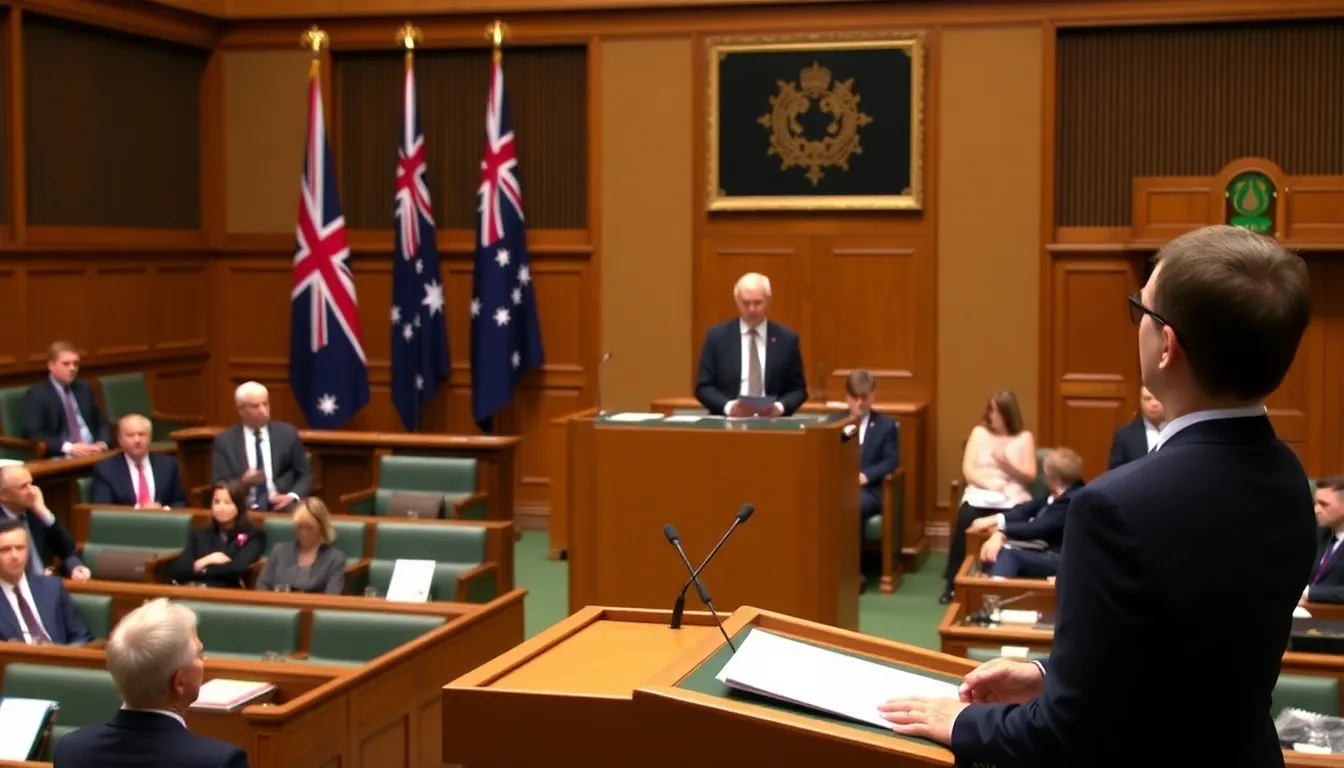
As former Bank of England Governor Mark Carney highlighted in his address to the Australian parliament, these dynamics suggest that the global order is not just under strain but is actively breaking down. The interplay of historical grievances, economic competition, and technological disruption has created a precarious situation, where the future of international cooperation hangs in the balance, much like the challenges discussed in our piece on Determined to Find a Home.
Key stakeholders and issues surrounding global stability
The recent remarks by Mark Carney, former Governor of the Bank of England, have sparked significant discussion regarding the fragility of the current global order. As a prominent figure in international finance and climate policy, Carney’s insights highlight the interplay of various stakeholders, including governments, multinational organizations, and the private sector, each with their own interests and agendas.
At the forefront are national governments, which often prioritize domestic stability and economic growth. The interests of these governments can conflict with global initiatives aimed at addressing pressing issues such as climate change, trade imbalances, and geopolitical tensions. For instance, while some nations advocate for stringent environmental regulations, others may resist such measures to protect their economic interests.
International organizations, such as the United Nations and the World Trade Organization, also play a crucial role in mediating conflicts and promoting cooperation among countries. However, their effectiveness can be hampered by the differing priorities of member states. The challenge lies in achieving consensus on key issues, including trade policies and climate commitments, which are essential for maintaining global stability.
- Geopolitical tensions: Rising nationalism and protectionist policies can undermine international cooperation.
- Economic disparities: Unequal economic growth can lead to social unrest and destabilize regions.
- Environmental challenges: Climate change poses a significant threat, requiring coordinated global action.
- Technological advancements: The rapid pace of technology can create new economic opportunities but also exacerbate inequalities.
- Public health crises: Global health issues, such as pandemics, necessitate a unified response that transcends borders.
In conclusion, the breakdown of the global order, as articulated by Carney, reflects a complex web of interests and conflicts among key stakeholders. Understanding these dynamics is essential for navigating the challenges that lie ahead and fostering a more stable international landscape, which is becoming increasingly important given the rising concerns highlighted in Max George’s reflections on personal and societal issues.
Potential impacts on economies and international relations
The breakdown of the global order, as highlighted by Mark Carney, poses significant ramifications for various groups and industries worldwide. Governments, businesses, and individuals across multiple sectors will likely experience both immediate challenges and longer-term shifts in their operational landscapes.
Regions heavily reliant on international trade, such as Southeast Asia and Europe, may face disruptions in supply chains and increased tariffs. This could lead to higher costs for consumers and businesses alike, as well as potential job losses in industries that are unable to adapt quickly to changing trade dynamics.
In the short term, sectors like technology and manufacturing could see a slowdown in growth due to uncertainties in international relations. Conversely, industries focused on local production and sustainability may find new opportunities as consumers shift towards domestic products. The potential for innovation in local supply chains could emerge as businesses seek to minimize their reliance on global networks.
- Risks: Increased trade tensions, supply chain disruptions, and economic instability.
- Opportunities: Growth in local industries, innovation in supply chains, and a shift towards sustainable practices.
Policy makers will also need to navigate these changes carefully, balancing national interests with global cooperation. The potential for increased regulation in trade and finance could reshape how businesses operate, requiring them to be more agile and responsive to new policies.
In summary, the breakdown of the global order could create a complex landscape where both risks and opportunities coexist, affecting economies and individuals on multiple levels. Adaptation and resilience will be key for those looking to thrive in this evolving environment.
A: Mark Carney expressed concerns that the global order is breaking down, emphasizing the need for renewed cooperation among nations. A: Factors such as rising nationalism, geopolitical conflicts, and economic instability contribute to the breakdown of the global order. A: A fragmented global order could lead to increased tensions, trade wars, and challenges in addressing global issues like climate change. A: Nations may need to engage in multilateral dialogues and strengthen alliances to address the complexities of the current global landscape.
Frequently asked questions about the global order
Insights on the future of global governance and order
The discourse presented by Carney in the Australian parliament highlights the fragility of the current global order, underscoring a shift that may redefine international relations and economic stability. As nations grapple with rising geopolitical tensions and economic challenges, the implications for global governance are profound and multifaceted.
Monitoring these developments will be crucial for understanding how countries adapt to a potentially fragmented world. The interplay between national interests and collective global action will likely shape the future landscape of international cooperation and conflict.
- Watch for shifts in alliances as countries prioritize national interests over multilateral agreements.
- Anticipate increased economic protectionism, which may disrupt global supply chains and trade relationships.
- Observe the rise of regional powers and their influence on global governance structures.
- Consider the potential for new frameworks of cooperation that address emerging global challenges such as climate change and cybersecurity.
- Stay alert to the evolving role of technology in shaping diplomatic relations and international norms.