
In recent months, there have been multiple reports of cross-border attacks and skirmishes. For instance, in July 2023, clashes erupted in the Kunar province of Afghanistan, resulting in casualties on both sides. These incidents have raised concerns about the security situation along the porous border, which spans over 2,400 kilometers.
Key actors in this ongoing strife include the Taliban, which governs Afghanistan, and various militant factions operating in the border areas, as well as the Pakistan military, which has been accused of supporting certain groups. For further insights into related tensions, refer to our article on Luxury Dubai hotel targeted amid regional tensions. The complex interplay of these actors complicates efforts to establish peace and stability in the region.
The international community is closely monitoring the situation, as escalating tensions could have broader implications for regional security. The potential for increased refugee flows and the resurgence of extremist groups pose significant challenges not only for Afghanistan and Pakistan but also for neighboring countries and global security efforts. For the latest updates on current events, check our Latest updates on current events.
Historical background of Afghanistan-Pakistan relations
The relationship between Afghanistan and Pakistan has been shaped by a complex interplay of historical, political, and social factors. Following the partition of British India in 1947, the newly formed state of Pakistan inherited a contentious border with Afghanistan, known as the Durand Line. This line, drawn in 1893, was never accepted by Afghanistan, leading to long-standing disputes over territory and national identity.
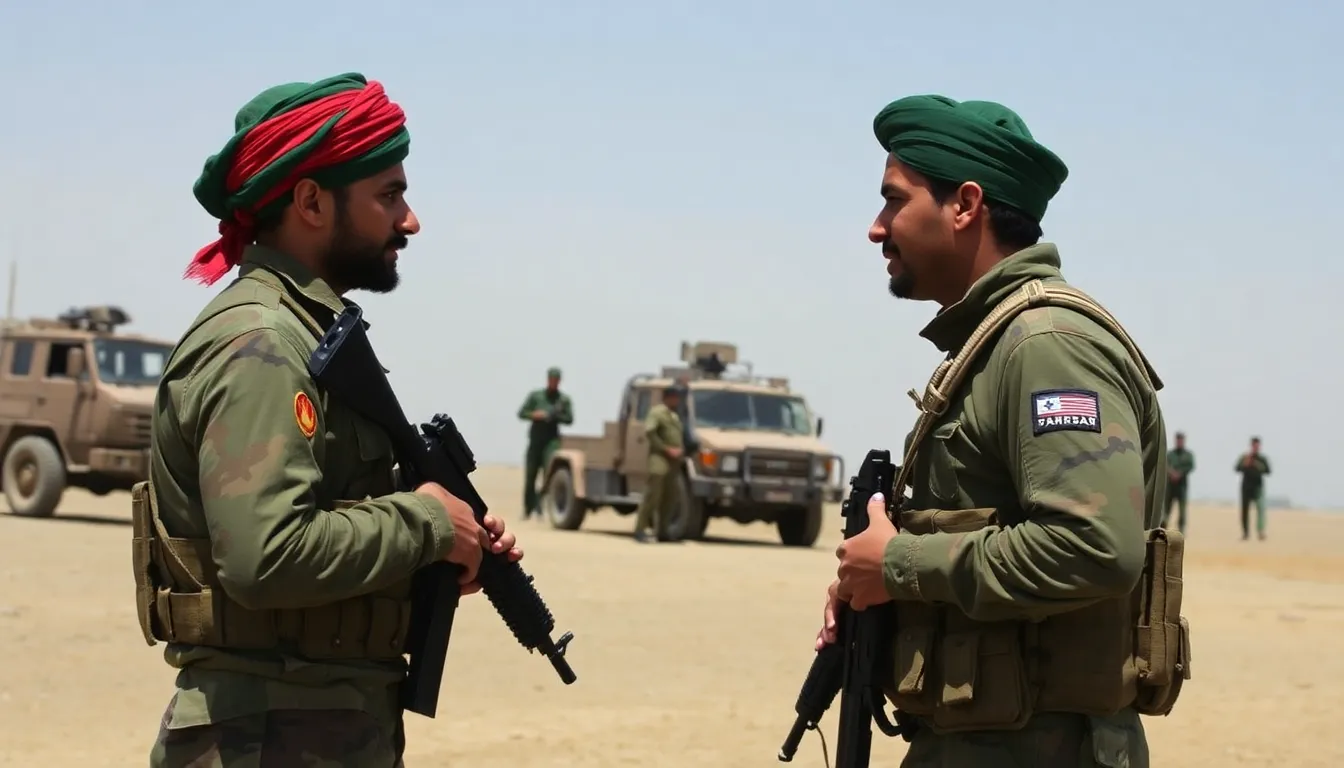
Throughout the 20th century, various conflicts exacerbated tensions between the two nations. The Soviet invasion of Afghanistan in 1979 prompted Pakistan to support the Mujahideen, which not only altered the political landscape in Afghanistan but also deepened the involvement of external powers in the region. The aftermath of the Soviet withdrawal in 1989 saw a civil war in Afghanistan, further complicating relations as Pakistan supported certain factions, while Afghanistan accused Pakistan of meddling in its internal affairs.
The rise of the Taliban in the 1990s, which Pakistan initially supported, created a new dimension to the conflict. The Taliban’s rule was marked by strict interpretations of Islamic law and a focus on Pashtun nationalism, which resonated with some in Pakistan’s Khyber Pakhtunkhwa province. However, the post-9/11 era shifted the dynamics dramatically, as the U.S. invasion of Afghanistan in 2001 led to the overthrow of the Taliban and a significant military presence in the region, intensifying Pakistan’s security concerns.
Key Milestones in the Conflict
Several key events have defined the ongoing tensions between Afghanistan and Pakistan. The 2001 U.S. invasion of Afghanistan marked a turning point, as it not only dismantled the Taliban regime but also resulted in a surge of refugees and a rise in militant activity along the border. Subsequent years saw Pakistan struggling to control various militant groups, some of which were rooted in the Afghan conflict. The assassination of former Pakistani Prime Minister Benazir Bhutto in 2007, attributed to militant groups, further highlighted the spillover of Afghan instability into Pakistan.
More recently, the resurgence of the Taliban in Afghanistan and the withdrawal of U.S. troops in 2021 have reignited fears in Pakistan of a spillover of violence and instability. The evolving geopolitical landscape, with increasing influence from China and Russia, adds another layer of complexity to the relationship between Afghanistan and Pakistan, as both nations navigate their national interests in a rapidly changing environment.
Key stakeholders and issues in the Afghanistan-Pakistan conflict
The conflict between Afghanistan and Pakistan is deeply rooted in historical, political, and social complexities. Key stakeholders include the governments of both countries, militant groups, and international actors. Each of these entities has distinct interests that often clash, contributing to ongoing tensions.
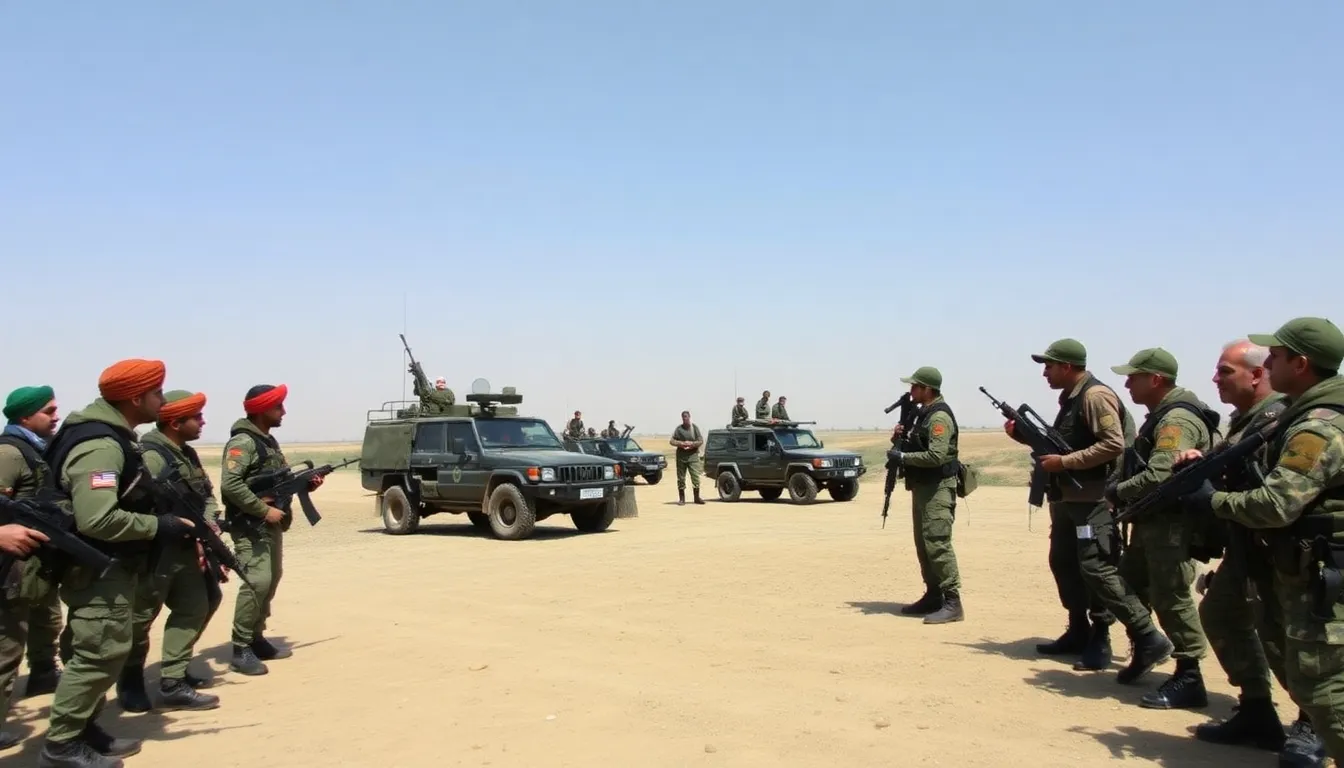
The Afghan government, supported by international allies, seeks to establish a stable, democratic state free from external influence, particularly from Pakistan. Conversely, Pakistan aims to maintain a strategic depth in Afghanistan to counterbalance India’s influence in the region. This has led to accusations of Pakistan supporting the Taliban and other militant groups as proxies to achieve its geopolitical goals.
Militant groups, such as the Taliban and various factions of the Tehrik-i-Taliban Pakistan (TTP), play a crucial role in this conflict. These organizations often exploit the porous border between the two countries to launch attacks, further complicating the security situation. Their interests typically revolve around establishing their own governance systems, which directly challenge the authority of both the Afghan and Pakistani states. Understanding these stakeholders and their interests is crucial for comprehending the broader implications of the Afghanistan-Pakistan conflict, as highlighted in our piece on the dynamics of international relations.
- Border disputes: The Durand Line, the contentious border established during British colonial rule, remains a significant point of contention, as many ethnic Pashtuns live on both sides.
- Refugee crisis: Millions of Afghan refugees in Pakistan create social and economic strains, complicating bilateral relations.
- Counterterrorism efforts: Both nations face the threat of terrorism, but their approaches often diverge, leading to mistrust and conflict.
- International influence: The role of external powers, particularly the United States and China, shapes the dynamics of the conflict, affecting both nations’ policies.
- Economic interests: Trade routes and resource access are often at the center of disputes, with both nations vying for control over strategic areas.
Understanding these stakeholders and their interests is crucial for comprehending the broader implications of the Afghanistan-Pakistan conflict. The interplay of local grievances, national interests, and international dynamics creates a complex landscape that continues to evolve.
Impact of the conflict on local populations and regional stability
The ongoing conflict between Afghanistan and Pakistan has far-reaching consequences for various groups and industries in the region. Local populations, particularly those residing near the border, face significant risks to their safety and livelihoods. The violence disrupts daily life, leading to displacement and a decline in access to essential services such as healthcare and education.
Industries such as agriculture, trade, and tourism are severely impacted by the instability. Farmers in border areas struggle to cultivate their land due to security concerns, while businesses that rely on cross-border trade face interruptions. The tourism sector, which has the potential to thrive in both countries due to their rich cultural heritage, suffers as safety concerns deter visitors.
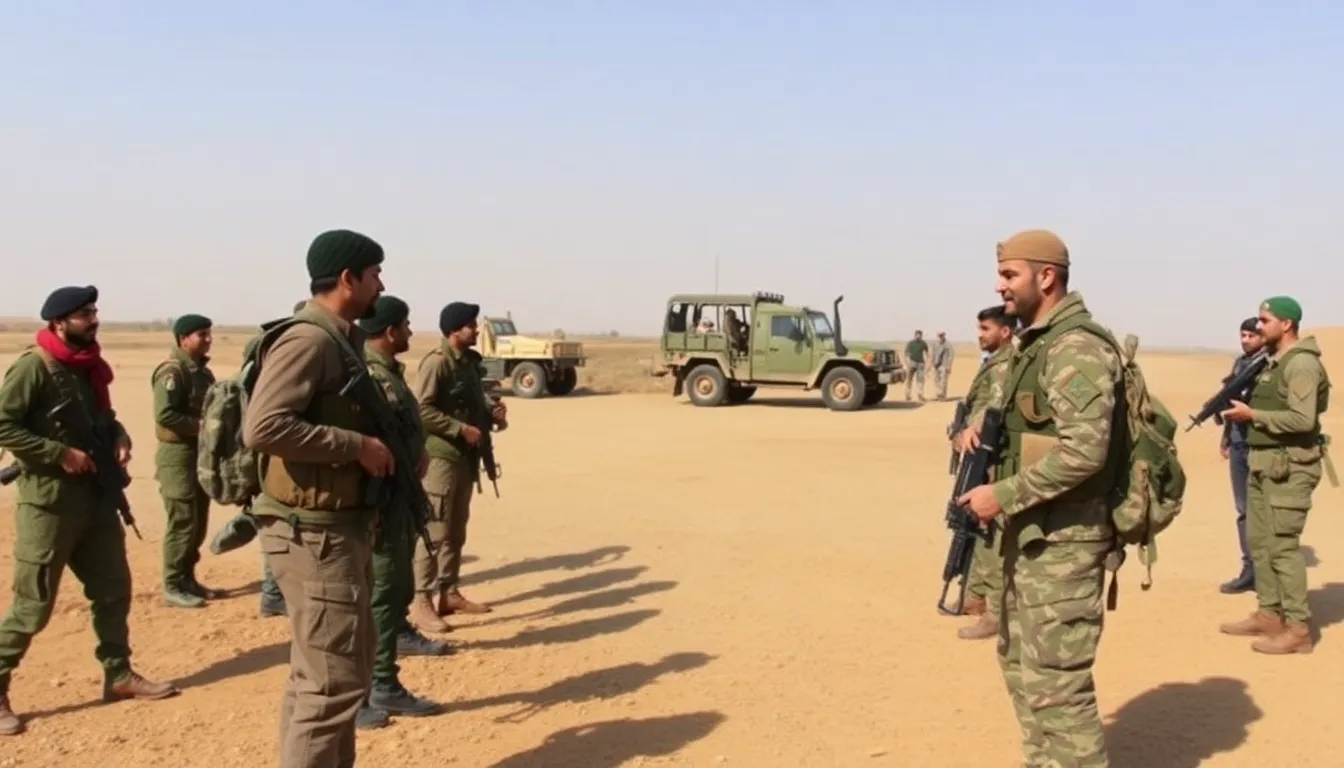
- Increased displacement of populations, leading to humanitarian crises.
- Disruption of trade routes, impacting local economies.
- Heightened security measures affecting daily activities and mobility.
In the short term, the conflict exacerbates poverty and unemployment rates, pushing many families into precarious situations. As businesses close or reduce operations, the job market shrinks, leaving many without a source of income. Additionally, the fear of violence can lead to a decline in investment, further stifling economic growth.
However, there are potential opportunities that may arise from this turmoil. International organizations and NGOs may increase their presence in the region to provide humanitarian aid and support rebuilding efforts. This influx of resources could lead to improved infrastructure and services in the long run, fostering resilience among communities affected by the conflict.
A: The conflict is primarily driven by territorial disputes, historical grievances, and differing political ideologies. Issues such as border management and the influence of militant groups further complicate relations. A: The Taliban’s resurgence in Afghanistan has escalated tensions, as Pakistan is accused of supporting certain factions. This has led to fears of instability spilling over into Pakistan. A: International powers, particularly the United States and China, have interests in the region that influence the dynamics between Afghanistan and Pakistan. Their involvement can either exacerbate or alleviate tensions. A: Civilians in both countries face significant challenges, including displacement, violence, and economic instability. The conflict disrupts daily life and hinders development efforts. A: While peace is challenging, dialogue and cooperation on common issues could pave the way for improved relations. Both nations must address underlying grievances to move forward.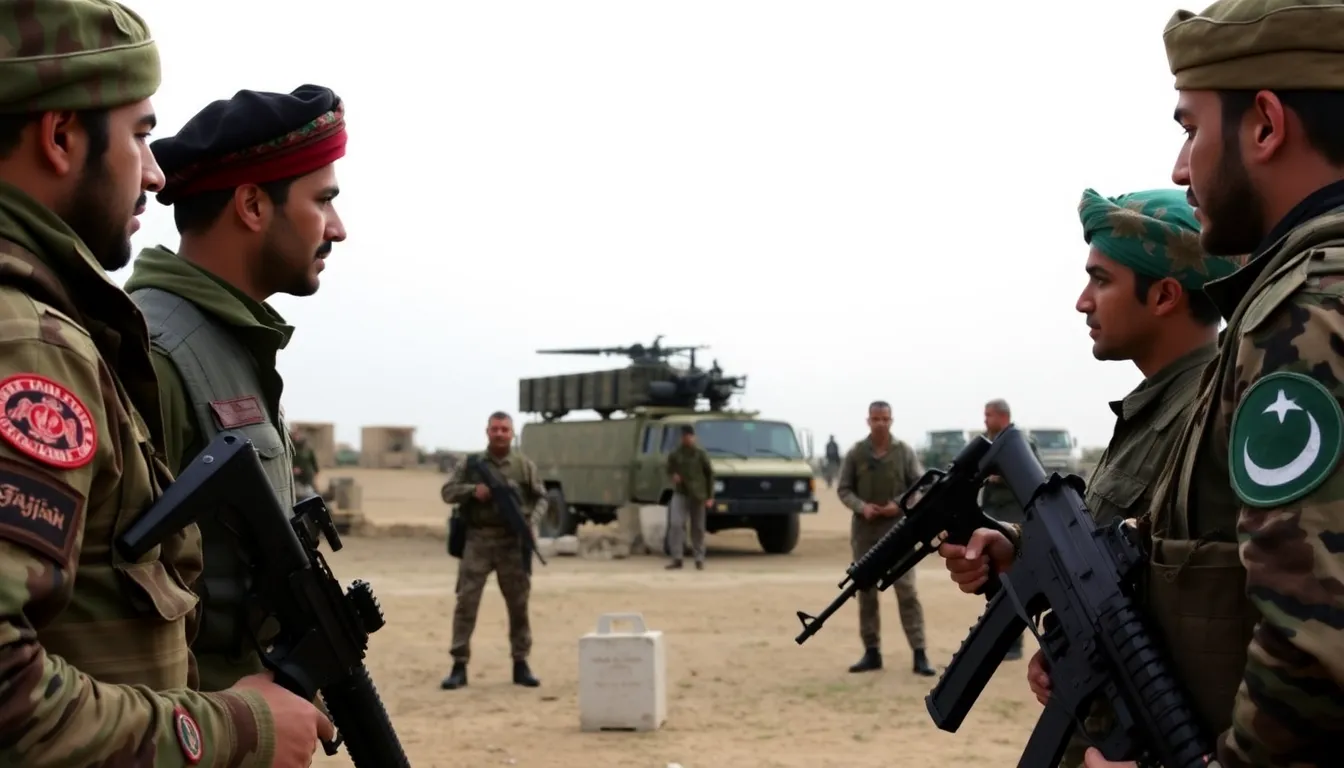
Frequently asked questions about the conflict
Key takeaways and future outlook on Afghanistan-Pakistan relations
The ongoing tensions between Afghanistan and Pakistan are rooted in a complex interplay of historical grievances, territorial disputes, and the influence of militant groups. As both nations navigate their respective political landscapes, the potential for escalation remains a concern, but there are also opportunities for dialogue and cooperation. Understanding the dynamics at play is crucial for regional stability and international stakeholders invested in peace and security.
Looking ahead, several key factors will shape the future of Afghanistan-Pakistan relations. Monitoring these developments will be essential for anticipating shifts in the geopolitical landscape of South Asia.
- Border Management: The Durand Line remains a contentious issue; how both nations address border security and management will be pivotal in reducing tensions.
- Militant Activity: The activities of various militant groups in the region will continue to influence relations, necessitating coordinated counter-terrorism efforts.
- Economic Cooperation: Potential for trade agreements and economic partnerships could serve as a stabilizing force, provided both governments prioritize mutual interests.
- International Influence: The role of external powers, such as the United States and China, will significantly impact diplomatic relations and conflict resolution strategies.
- Humanitarian Concerns: Addressing the humanitarian needs of populations affected by conflict may foster goodwill and open avenues for dialogue.