
Citizens are increasingly demanding reforms, and the younger generation, including the nepo kids, are facing pressure to either take a stand or distance themselves from the entrenched corruption associated with their families.
Notably, the Nepal Communist Party and the Nepali Congress, two of the major political parties, have been under fire for alleged corrupt practices. This has led to a reevaluation of the roles that nepo kids might play in the upcoming elections, as many are now reconsidering their political ambitions in light of the current public sentiment.
The absence of prominent nepo kids from the campaign trail reflects a broader shift in political strategy, similar to the challenges faced by political outsiders as parties attempt to align themselves with the electorate’s demand for integrity and reform.
As the political landscape continues to evolve, the fate of these nepo kids remains uncertain. Their future involvement in politics may depend on their ability to navigate the complex interplay of legacy, public perception, and the urgent call for change in Nepal’s governance.
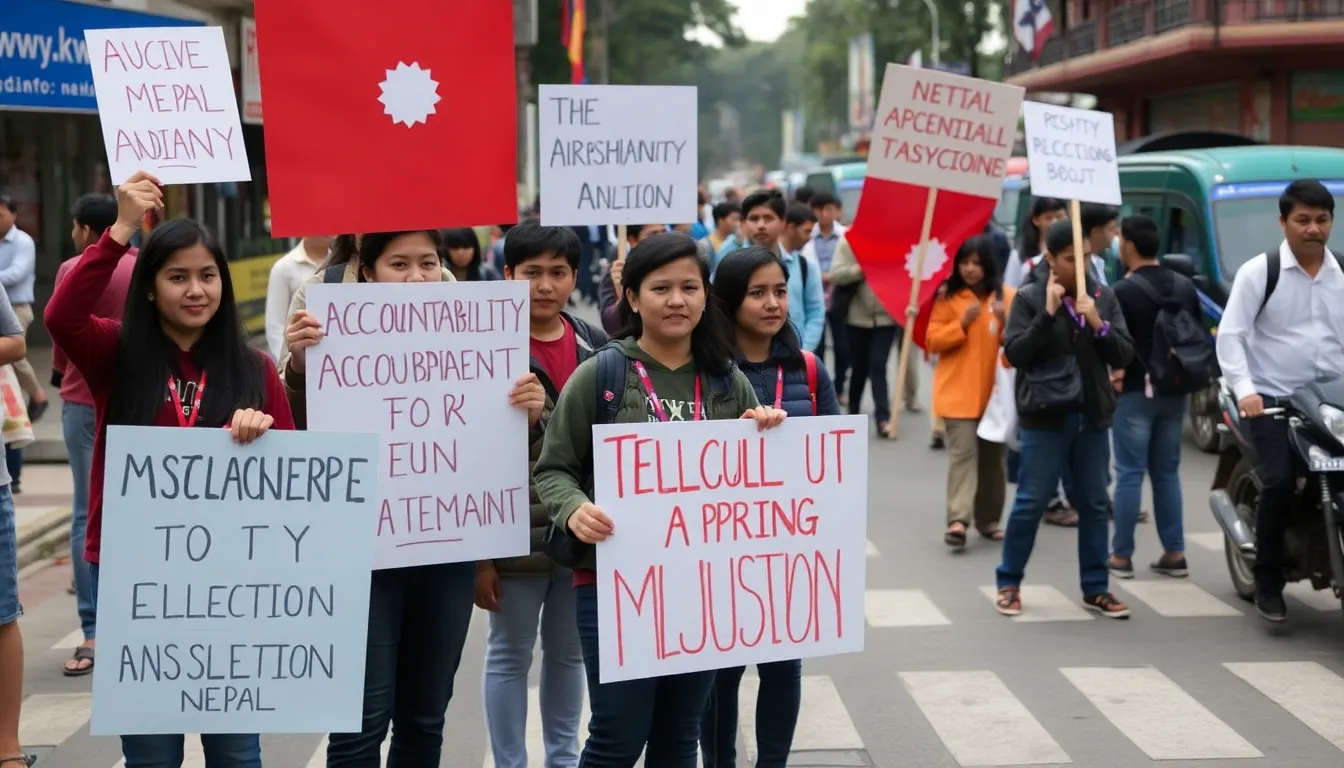
Understanding the background of nepotism in Nepal’s politics
Nepal’s political landscape has long been marred by nepotism, where familial connections often dictate opportunities and power dynamics. This phenomenon can be traced back to the feudal systems that predated the establishment of a democratic government in the 1990s. Historically, political power in Nepal has been concentrated within a few influential families, creating a cycle where political elite perpetuate their dominance through familial ties.
The end of the monarchy and the transition to democracy in 1990 initially sparked hopes for a more equitable political system. However, the subsequent years saw the rise of political parties that often favored their own members, leading to a new generation of ‘nepo kids’the children of established politicianswho inherited political positions and influence. This has fostered a culture where meritocracy is overshadowed by connections, further entrenching corruption within the political framework.
The impact of corruption on governance
High-profile corruption scandals have emerged, implicating politicians across various parties, leading to widespread disillusionment among the electorate, much like concerns raised over environmental issues that overshadow governance.
In recent elections, the visibility of these ‘nepo kids’ has diminished, as public sentiment has turned against the entrenched political elite. Citizens are increasingly demanding accountability and transparency, which has forced some of these young politicians to reconsider their roles within a system that is increasingly scrutinized. This shift highlights a growing awareness among the populace regarding the detrimental effects of nepotism and corruption on Nepal’s future.
As the country approaches its next electoral cycle, the question remains: will the ‘nepo kids’ adapt to the changing political climate, or will they continue to operate within a framework that has historically favored them? The outcome of this dynamic could significantly shape Nepal’s political landscape in the coming years.
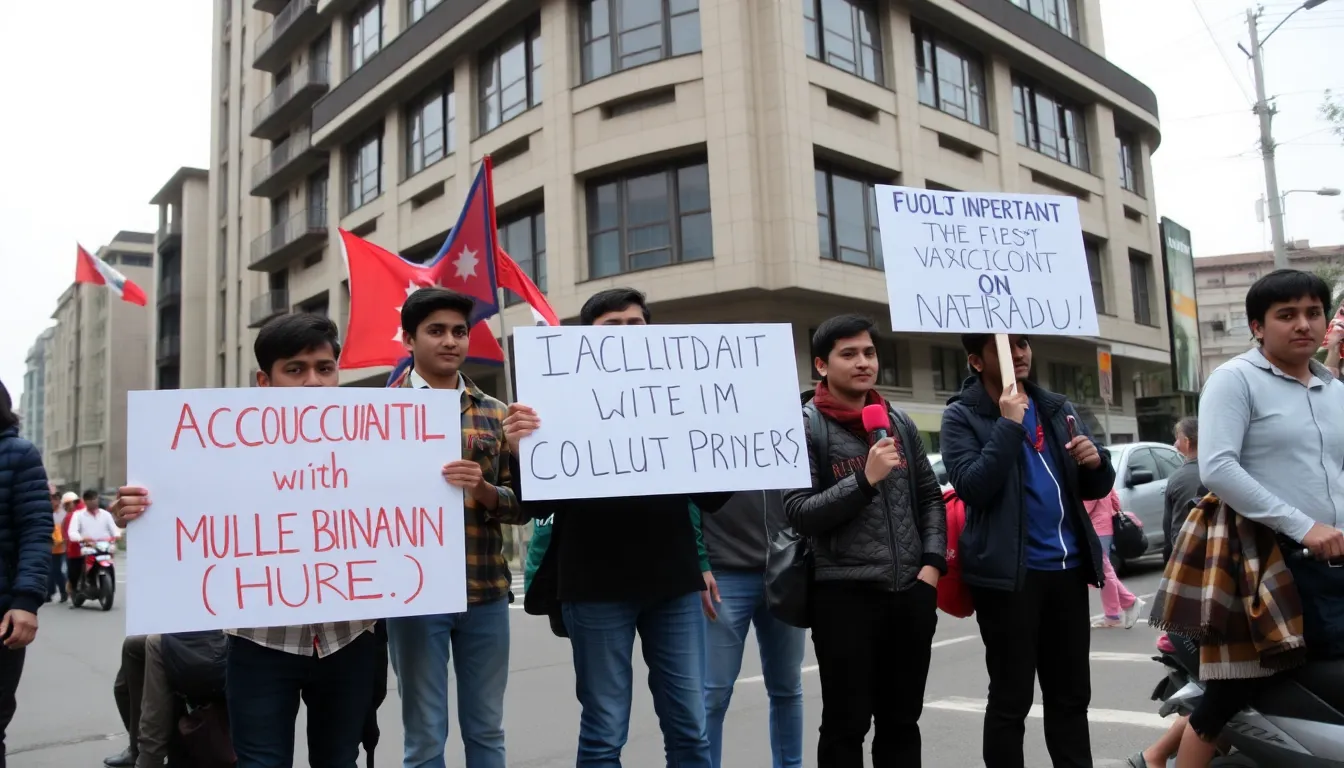
Key stakeholders and the implications of corruption in the elections
The political landscape in Nepal has been significantly influenced by the presence of ‘nepo kids’the offspring of established political figures. These individuals often find themselves at the center of discussions surrounding nepotism and corruption, especially as the country approaches its elections. Their interests typically align with maintaining the status quo that benefits their families, which can lead to conflicts with the broader electorate seeking transparency and accountability.
In this context, several key stakeholders emerge:
- Political Parties: Established parties may rely on the influence of ‘nepo kids’ to secure votes, but this can alienate younger voters who demand reform.
- Voters: The electorate, particularly the youth, are increasingly disillusioned with traditional politics, seeking candidates who represent genuine change rather than dynastic privilege.
- Anti-Corruption Organizations: These groups advocate for transparency and accountability, often clashing with political elites who may resist reforms that threaten their power.
- International Observers: Foreign entities monitor the elections, emphasizing the need for fair practices and the potential consequences of corruption on international aid and relations.
As corruption takes center stage, the implications for these stakeholders are profound. Voters may feel compelled to choose between familiar faces and new candidates who promise reform, leading to a potential shift in political power dynamics. Political parties face the challenge of balancing the interests of their traditional bases with the demands of a more progressive electorate.
Moreover, the legal framework surrounding electoral processes in Nepal is under scrutiny. Allegations of corruption can lead to legal battles that distract from the electoral process, further complicating the political landscape. Economic issues also arise, as corruption can deter foreign investment and affect the overall stability of the economy, impacting all stakeholders involved.
Who is affected by the rise of corruption in Nepal’s electoral process
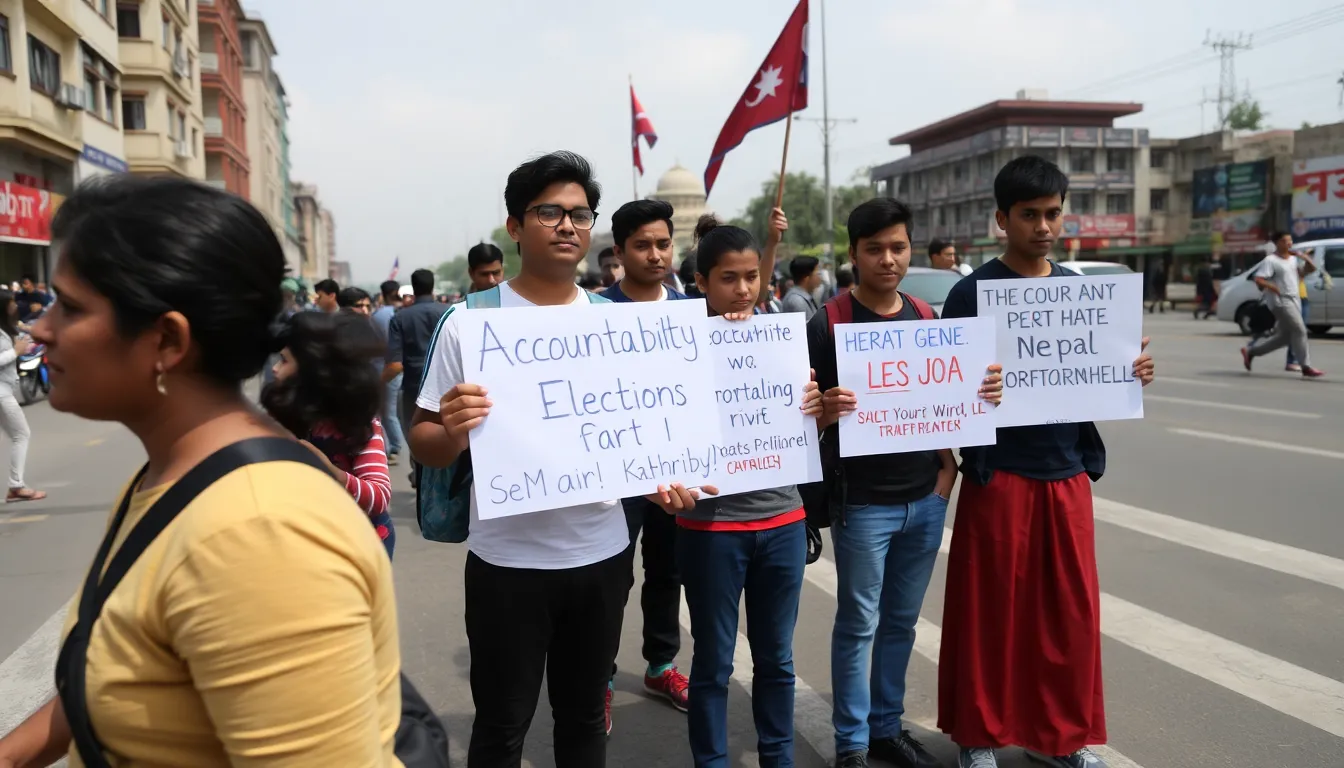
The ongoing corruption issues in Nepal’s electoral process have far-reaching implications for various groups, including political families, the youth, and the general electorate. The so-called ‘nepo kids,’ or the children of influential political figures, find themselves in a precarious position as public sentiment shifts against nepotism and corruption. This scrutiny not only impacts their social standing but also influences their career prospects in a society increasingly demanding accountability and transparency.
Industries closely tied to political patronage, such as construction, real estate, and tourism, are also feeling the effects. Corruption often leads to misallocation of resources and unfair competition, which can stifle innovation and growth. In the short term, businesses relying on government contracts may face uncertainty as public trust erodes, potentially leading to reduced investments and slower economic activity.
In the mid-term, the political landscape may shift significantly, affecting policy decisions that can either enhance or hinder business operations. As voters demand reform, there may be opportunities for new players in the market who can offer transparent and ethical alternatives. This shift could lead to a more meritocratic environment, benefiting those who are willing to adapt and innovate.
- Short-term impacts: Erosion of trust in political figures, reduced investments in key industries.
- Mid-term impacts: Potential policy reforms, emergence of new market players.
- Risks: Increased social unrest, economic instability.
- Opportunities: Growth of ethical businesses, demand for transparency and accountability.
Overall, the ripple effects of corruption in Nepal’s electoral process are likely to reshape not only the political landscape but also the economic environment, influencing the daily lives of citizens and the future of various industries.
A: Nepo kids refer to the children of influential political figures in Nepal who often benefit from their parents’ connections. They are frequently associated with nepotism in political appointments and opportunities. A: Corruption has significantly undermined public trust in political institutions in Nepal. As elections approach, the focus on corruption intensifies, affecting voter sentiment and candidate selection. A: The current political climate, marked by heightened scrutiny of corruption, has led many nepo kids to adopt a lower profile to avoid backlash and negative publicity. A: Nepotism can lead to a lack of accountability and transparency in governance, as positions may be filled based on connections rather than merit, ultimately affecting policy outcomes. A: Yes, there are growing calls from civil society and youth groups advocating for merit-based appointments and transparency in politics, aiming to reduce the influence of nepotism.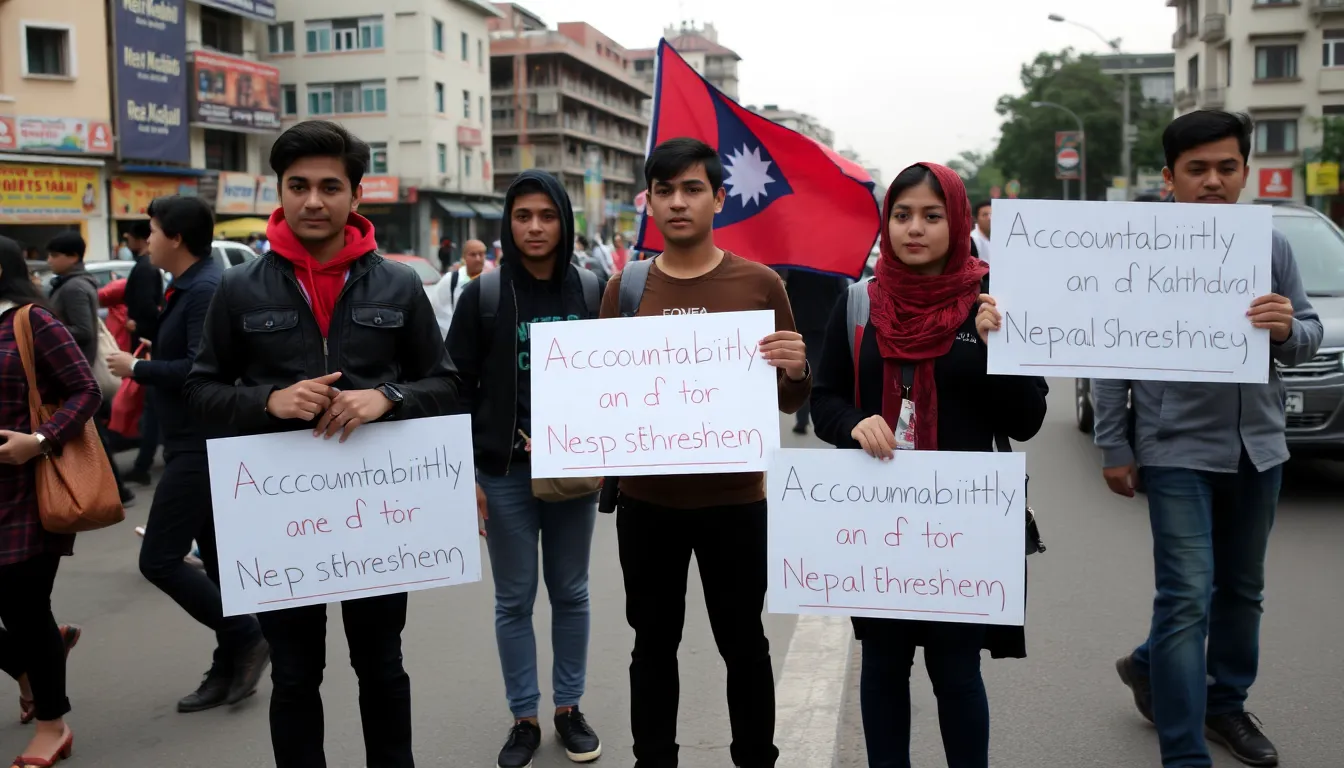
Frequently asked questions about nepo kids and corruption in Nepal
Insights on the future of Nepal’s political scene and nepo kids
The emergence of corruption as a focal point in Nepal’s electoral landscape has significant implications for the so-called ‘nepo kids.’ As political dynasties face increasing scrutiny, the future of these young elites may hinge on their ability to navigate a changing environment that demands accountability and transparency. The shifting dynamics could lead to a reevaluation of traditional power structures and influence within the country’s political sphere.
In this context, the nepo kids must adapt to a landscape where public sentiment is increasingly critical of privilege and entitlement. Their strategies for engagement and public perception will be crucial as they seek to redefine their roles amidst growing calls for reform and integrity in governance.
- Watch for shifts in public opinion as younger voters prioritize integrity over legacy.
- Monitor the response of nepo kids to anti-corruption movements and their efforts to distance themselves from past practices.
- Consider the potential rise of new political figures who embody a break from traditional nepotism.
- Observe how established political families may adapt their strategies to maintain relevance and influence.
- Keep an eye on legislative changes that could impact the political landscape and the power of dynasties.