
The Florida Department of Health is actively investigating the situation, tracing contacts of infected individuals and encouraging vaccination among the student population. The university has implemented health protocols, including increased awareness campaigns and vaccination clinics, to curb further transmission of the virus, which is why understanding health implications is crucial.
Measles, which can lead to severe complications, is preventable through vaccination. The recent outbreak highlights ongoing debates about vaccine hesitancy and public health, especially in communities where vaccination rates are below recommended levels.
This incident at Ave Maria University serves as a critical reminder of the importance of maintaining high vaccination coverage to protect vulnerable populations and prevent outbreaks. Health officials are urging anyone who has not been vaccinated or who may have been exposed to seek medical advice promptly.
Understanding the background of measles and vaccination rates
Measles, a highly contagious viral disease, has seen a resurgence in recent years, particularly in communities with low vaccination rates. Historically, measles was a common childhood illness, but widespread vaccination efforts, particularly the introduction of the measles, mumps, and rubella (MMR) vaccine in the 1970s, led to a dramatic decline in cases. However, vaccine hesitancy and misinformation have contributed to outbreaks in various regions, including the recent situation at Ave Maria University in Florida.
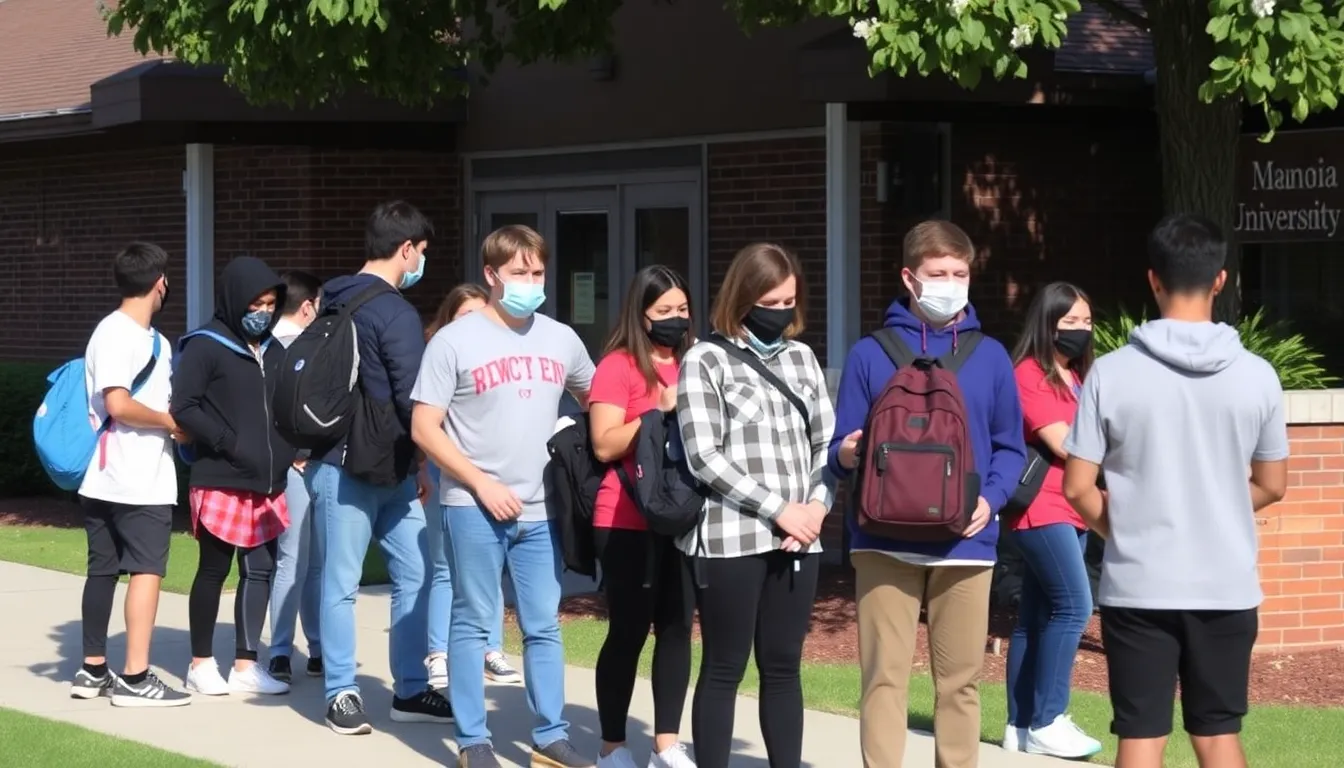
The political landscape surrounding vaccination has been shaped by debates over personal freedom, parental rights, and public health. In the United States, some states have enacted laws allowing exemptions from vaccination for religious or philosophical reasons. This has led to pockets of unvaccinated individuals, creating an environment where diseases like measles can spread rapidly. The outbreak at Ave Maria University highlights how localized communities can be affected by broader national trends in vaccination rates.
Economically, the cost of managing outbreaks can be significant for healthcare systems and local economies. Measles outbreaks often lead to increased healthcare costs, including hospitalizations and public health responses. The financial burden can also extend to families and communities, particularly if schools are forced to close or if individuals must take time off work to care for sick family members. Understanding these economic implications is crucial in addressing the root causes of vaccine hesitancy.
The Role of Misinformation
Misinformation surrounding vaccines has played a critical role in shaping public perception and hesitancy. The debunked study linking the MMR vaccine to autism, published in 1998, has had a lasting impact on vaccine confidence. Despite numerous studies disproving this link, the myth persists and fuels fears among parents. Social media platforms have also become conduits for spreading vaccine misinformation, making it essential for public health officials to engage in effective communication strategies to counteract these narratives, similar to those seen in the discussions around space exploration and safety.
Key stakeholders and issues surrounding the outbreak
The recent measles outbreak at Ave Maria University in Florida has drawn attention from various stakeholders, each with distinct interests and concerns. The primary actors include the university administration, local health authorities, students, parents, and public health organizations. Each group plays a crucial role in addressing the outbreak while navigating the complexities of public health, education, and individual rights.
At the forefront are the university officials, who are tasked with ensuring the safety and well-being of their students while maintaining the institution’s reputation. Their interests lie in implementing effective health measures and communicating transparently with the community. Local health authorities, including the Florida Department of Health, are focused on controlling the outbreak and preventing further spread. Their role involves monitoring cases, providing vaccinations, and educating the public about the importance of immunization.
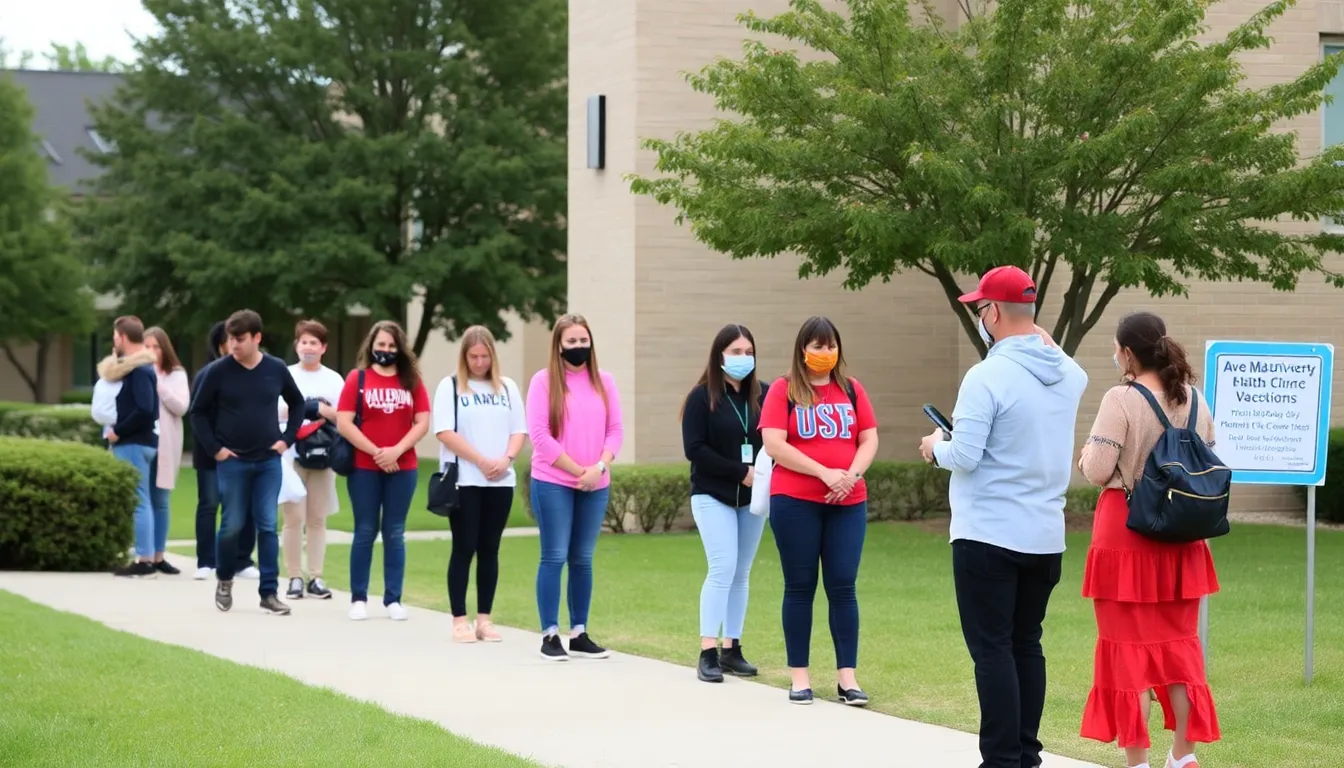
Students and parents also represent significant stakeholders. Parents are concerned about their children’s health and safety, while students may have differing views on vaccination mandates. This divergence can lead to tensions between individual rights and collective safety, raising questions about the balance of personal choice versus public health obligations. The situation is further complicated by legal issues surrounding vaccination laws and exemptions, which vary by state.
- Public Health Concerns: The outbreak raises alarms about the resurgence of vaccine-preventable diseases and the implications for herd immunity.
- Legal and Ethical Issues: The debate over vaccination mandates versus personal choice can lead to potential legal challenges and ethical dilemmas.
- Economic Implications: Outbreaks can strain local healthcare resources and impact the university’s enrollment and financial stability.
- Communication Strategies: Effective communication from the university and health officials is essential to manage fears and misinformation.
- Long-term Impacts: The outbreak may influence future vaccination policies and public health initiatives in the region.
In summary, the measles outbreak at Ave Maria University involves a complex interplay of stakeholders, each with their own interests and concerns. The resolution of this situation will require careful consideration of the various conflicts and trade-offs involved, particularly as they pertain to public health, individual rights, and community safety.
The impact of the outbreak on students and the local community
The measles outbreak at Ave Maria University in Florida has significant implications for various groups, particularly students, faculty, and the local community. The university’s population, which includes a diverse mix of individuals from different regions, is now at risk of exposure, leading to heightened concerns about health and safety.
In the short term, students may face disruptions to their academic schedules as health officials implement quarantine measures and vaccination clinics. This could lead to increased absenteeism and stress among students who are concerned about their health and academic performance. Faculty members may also experience disruptions as they adjust their teaching plans to accommodate affected students.
Moreover, local businesses that rely on student spending may experience a downturn as fewer students are on campus. Restaurants, shops, and service providers in the area could see reduced foot traffic, impacting their revenue. The outbreak may also prompt a broader discussion about vaccination policies and public health measures within the community.
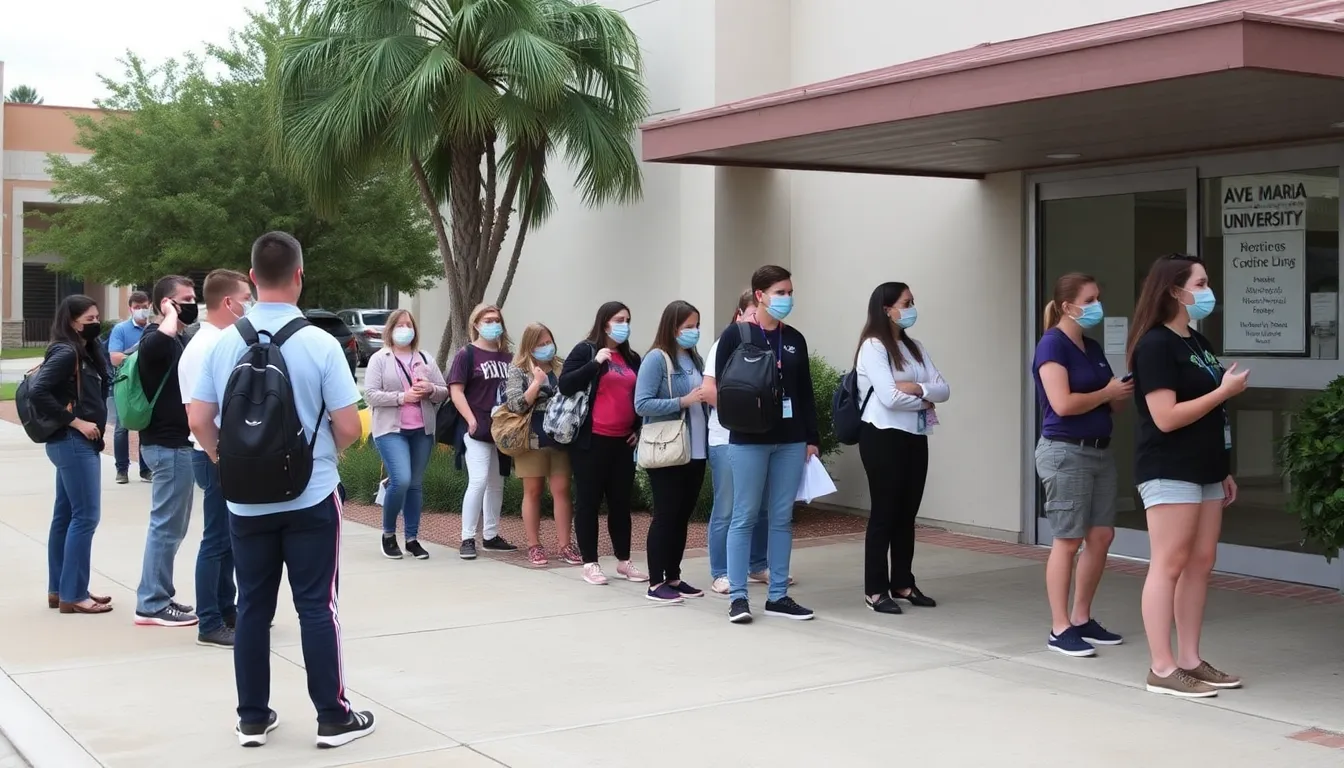
- Increased health risks for students and staff.
- Potential economic impact on local businesses.
- Heightened awareness and discussions around vaccination.
- Possible changes in university health policies.
In the mid-term, the outbreak could lead to long-lasting changes in public health policy, not only at Ave Maria University but also in surrounding areas. If the outbreak prompts a renewed focus on vaccination efforts, it may lead to increased accessibility and awareness of immunization programs. Additionally, universities may implement stricter health protocols to prevent future outbreaks, influencing how educational institutions manage student health.
A: Symptoms of measles include high fever, cough, runny nose, and a distinctive rash. It is highly contagious, and those infected can spread the virus to others. A: Measles can be prevented through vaccination with the measles, mumps, and rubella (MMR) vaccine. It is recommended that individuals are vaccinated before attending school or university. A: Students who suspect they have measles should stay home and contact a healthcare provider immediately. It is important to avoid contact with others to prevent further spread. A: Yes, Ave Maria University has implemented health protocols, including vaccination clinics and awareness campaigns to educate students about the outbreak. A: While the MMR vaccine is highly effective, no vaccine is 100% effective. However, vaccinated individuals are significantly less likely to contract measles.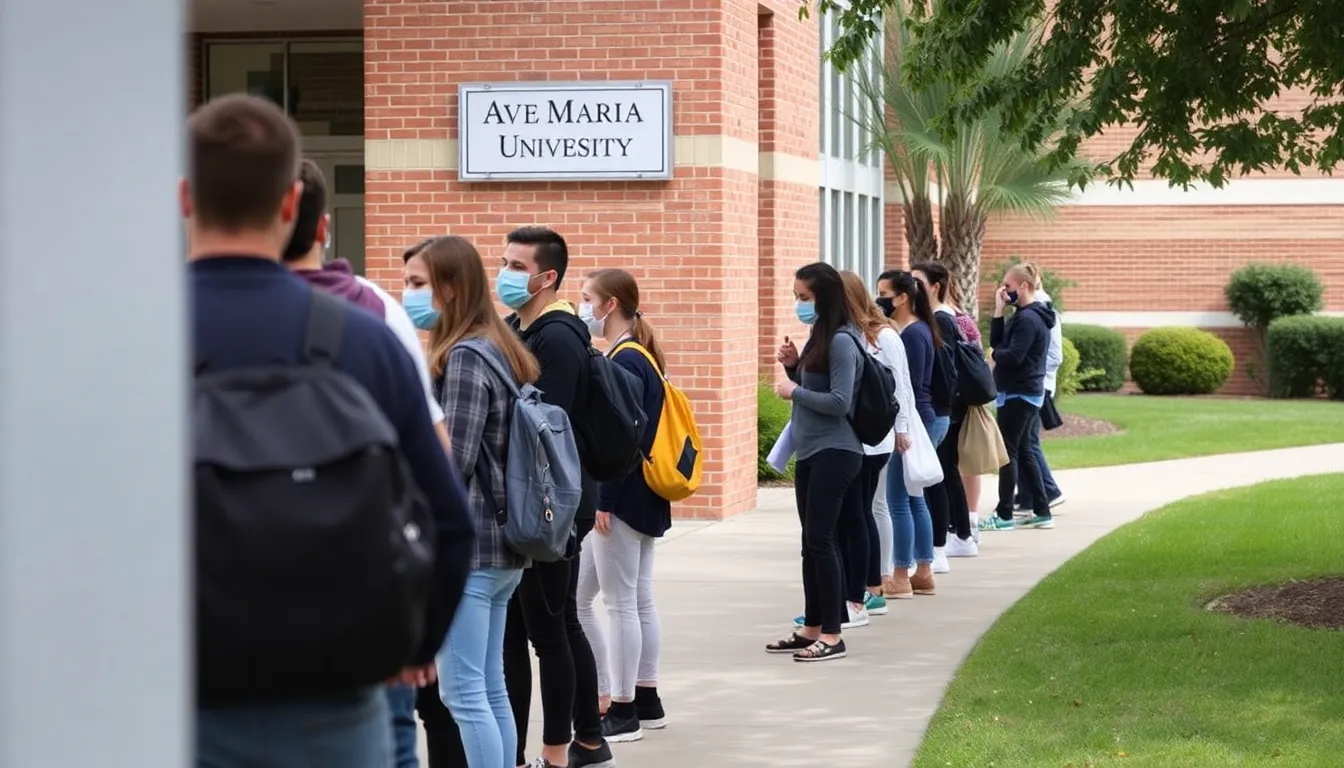
Frequently asked questions about the measles outbreak
Looking ahead: implications and preventive measures
The recent measles outbreak at Ave Maria University serves as a stark reminder of the importance of vaccination and public health awareness. As the situation unfolds, it highlights the need for proactive measures not only within the university community but also in surrounding areas. The implications of this outbreak extend beyond immediate health concerns, as they may influence public perception of vaccination and health policies in educational institutions.
Moving forward, it is crucial for health officials and university administrators to collaborate closely to contain the outbreak and educate the community about the importance of immunizations. This incident could potentially lead to increased scrutiny of vaccination policies and may prompt discussions on mandatory vaccination for students in higher education settings.
- Increased vaccination awareness: The outbreak may lead to heightened efforts to promote vaccination among students and local residents.
- Policy reviews: Educational institutions might reassess their health policies, potentially leading to stricter vaccination requirements.
- Community engagement: Local health departments may enhance outreach programs to educate the public about measles and the importance of herd immunity.
- Monitoring and reporting: Enhanced surveillance of vaccination rates and outbreak occurrences could become a priority to prevent future incidents.