
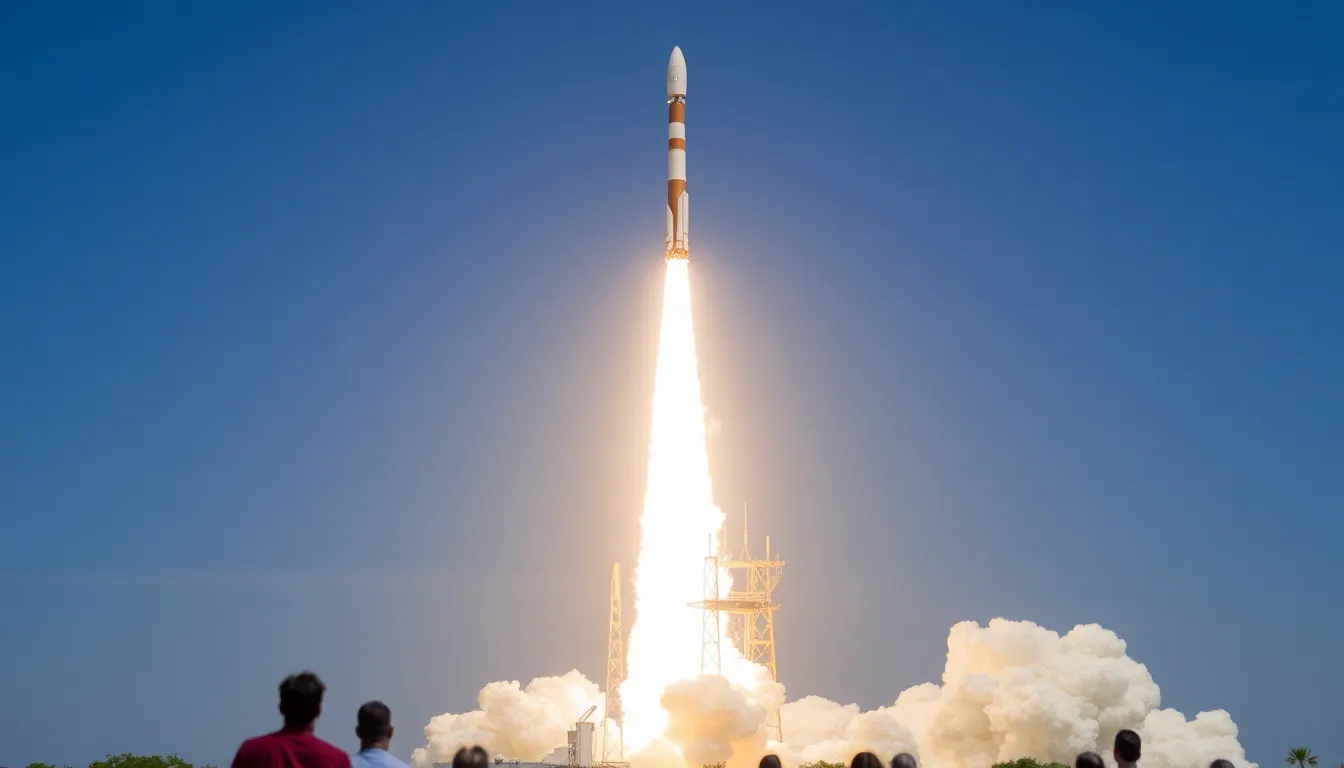
The launch, which took place from the Kennedy Space Center in Florida, is a testament to the advancements in private aerospace technology. SpaceX, founded by Elon Musk, has been pivotal in reducing costs associated with space travel while increasing the frequency of missions to the ISS.
This particular flight marks the 10th operational crewed mission for SpaceX, highlighting its growing role in space exploration. The astronauts aboard are expected to conduct a series of scientific experiments and technology demonstrations, furthering our understanding of life in microgravity.
As nations around the world continue to invest in space exploration, this launch signifies not only a technological achievement but also a commitment to international cooperation in scientific endeavors. The successful delivery of astronauts to the ISS reinforces the importance of partnerships between government space agencies and private companies in achieving ambitious space goals.
Understanding the significance of the International Space Station
The International Space Station (ISS) represents a monumental achievement in international cooperation and scientific advancement. Launched in 1998, the ISS has served as a microgravity laboratory where astronauts from various countries conduct experiments that benefit humanity. It symbolizes a collaborative effort among space agencies, including NASA, Roscosmos, ESA, JAXA, and CSA, to push the boundaries of what is possible in space exploration.
The political backdrop of the ISS is rooted in the post-Cold War era, where former adversaries in the space race shifted their focus from competition to collaboration. The construction of the ISS was a direct response to the need for a unified platform for scientific research and technology development in low Earth orbit. This collaboration has not only advanced scientific knowledge but has also fostered diplomatic relations among nations.
Economically, the ISS has paved the way for the commercialization of space. With the increasing involvement of private companies like SpaceX, the landscape of space travel has transformed dramatically.
Key Milestones in ISS History
Several key milestones mark the history of the ISS. In 2000, the first long-term crew arrived, establishing a continuous human presence in space. The assembly of the station continued over the years, with numerous modules added, including the European Columbus Laboratory and the Japanese Kibo laboratory. In 2011, the retirement of the Space Shuttle program marked a significant transition, leading to the reliance on commercial partners like SpaceX for crew transportation. Each of these milestones highlights the ISS’s evolution and its role as a hub for international scientific collaboration.
Key stakeholders involved in the SpaceX launch
The launch of a SpaceX rocket to the International Space Station (ISS) involves a diverse array of stakeholders, each with distinct interests and concerns. These include government agencies, private companies, international organizations, and the scientific community. Understanding these actors and their motivations is crucial for grasping the complexities of modern space exploration.
One of the primary stakeholders is NASA, the United States government agency responsible for the nation’s civilian space program. NASA’s interest lies in advancing human spaceflight and maintaining a continuous presence on the ISS. This collaboration with SpaceX not only helps to reduce costs but also promotes technological innovation in space travel.
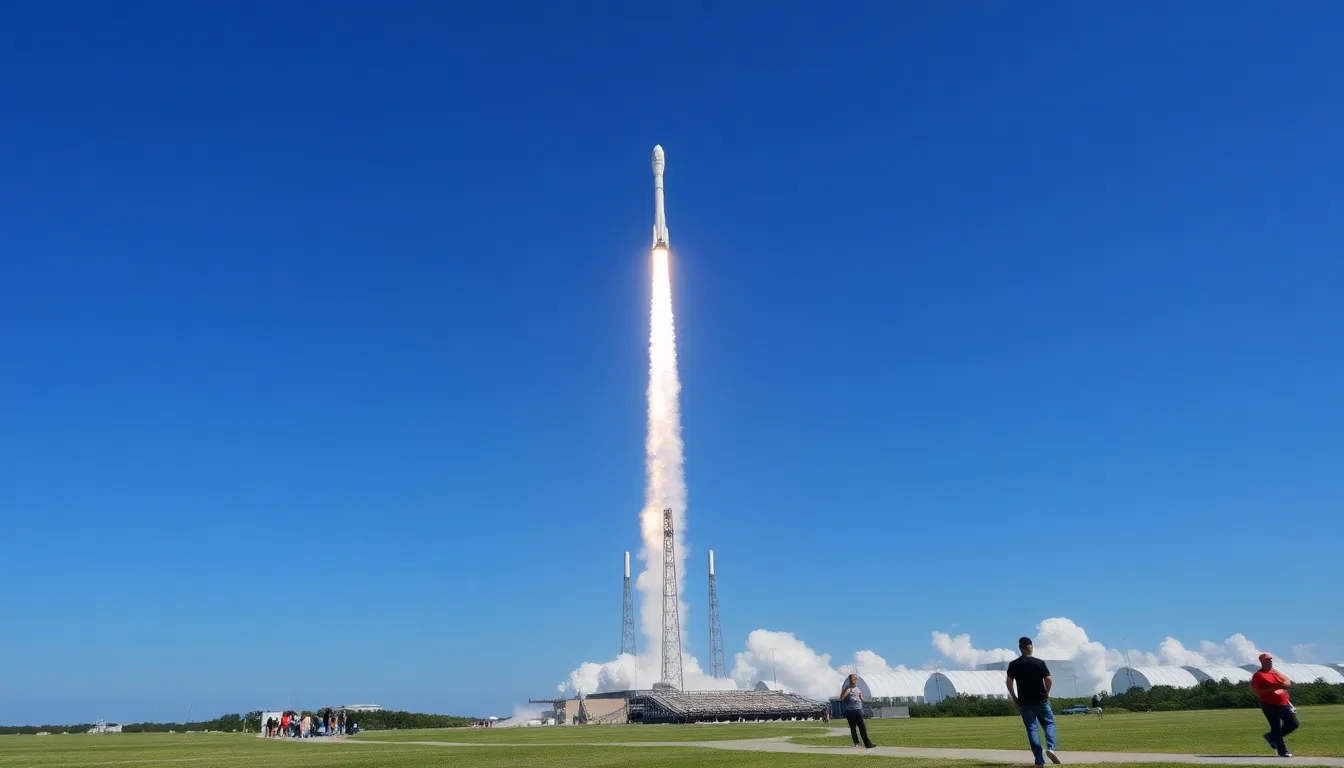
SpaceX, as a private aerospace manufacturer and space transportation company, is another key player. Its interests are to demonstrate the reliability and efficiency of its Falcon 9 rocket and Crew Dragon spacecraft, thereby solidifying its position in the commercial space market. The success of these launches can lead to lucrative contracts with NASA and other international space agencies.
- International partnerships: Countries like Japan and Canada also have stakes in the ISS, contributing to its operations and scientific research.
- Economic implications: The growth of the commercial space industry raises questions about market competition and regulatory frameworks.
- Environmental concerns: The impact of rocket launches on the atmosphere and space debris management are ongoing debates among stakeholders.
- Public interest: The excitement surrounding space exploration can influence funding and support for future missions.
Conflicts may arise between government interests and private sector goals, particularly concerning safety regulations and cost-sharing in space exploration. Additionally, as more private companies enter the space industry, the need for clear legal frameworks becomes increasingly important to address issues such as liability and resource utilization in space.
Impact of the launch on the space industry and research
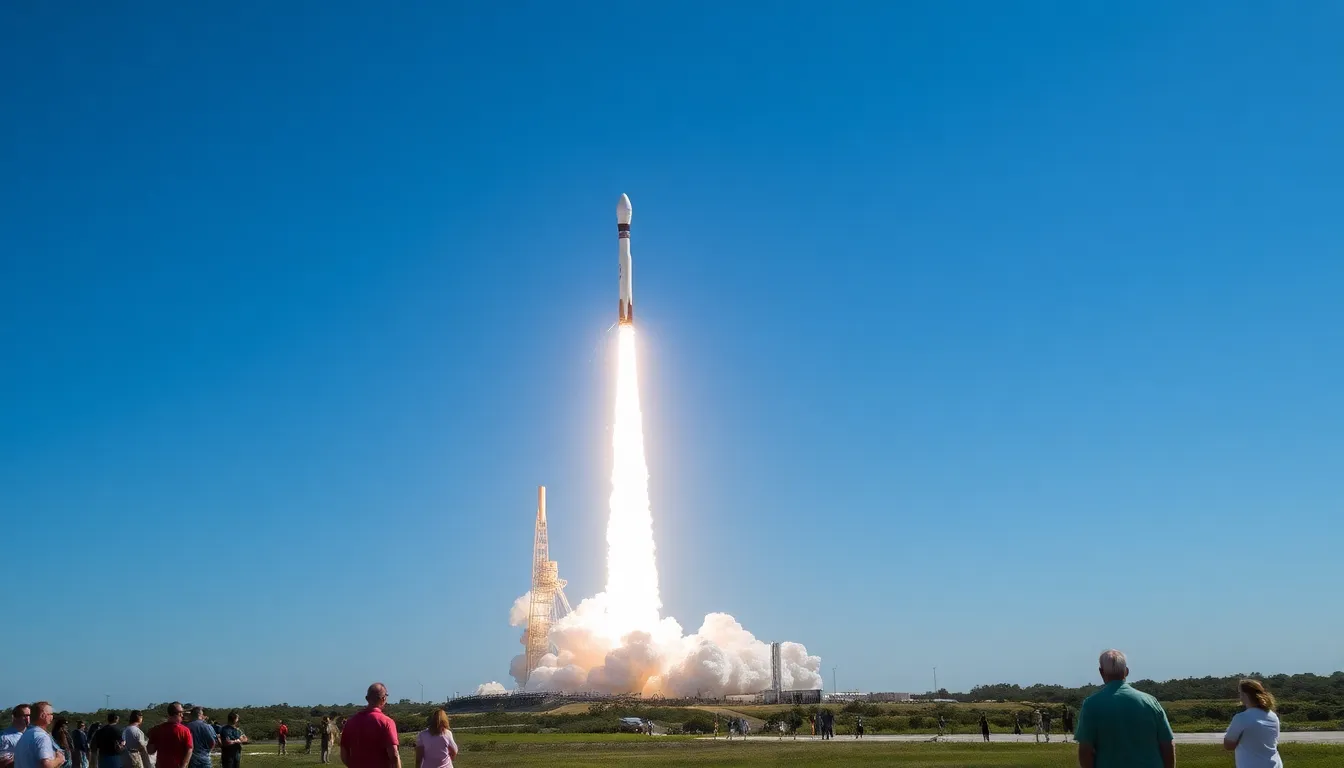
The recent SpaceX rocket launch to the International Space Station (ISS) has far-reaching implications for various groups and industries. Primarily, the aerospace sector stands to gain significantly, as successful missions bolster confidence in commercial spaceflight and encourage further investments. This launch not only showcases the capabilities of private space companies but also highlights the collaborative efforts between NASA and commercial partners.
Regions with established aerospace industries, such as California and Texas, may experience a boost in local economies as companies ramp up production and hiring in response to increased demand for space missions. The educational sector, particularly universities with aerospace engineering programs, may also see growth in enrollment as interest in space exploration surges among students.
Short-term impacts include heightened public interest in space exploration, which can lead to increased tourism and educational outreach initiatives. In the mid-term, businesses related to satellite technology, space tourism, and research may experience growth as new opportunities emerge. The launch could also stimulate policy discussions around space regulation and international cooperation in space exploration.
- Economic Growth: Increased investments in aerospace and related sectors.
- Educational Opportunities: Surge in interest for aerospace programs and STEM fields.
- Policy Development: Potential for new regulations and international agreements regarding space activities.
- Risks: Reliance on commercial entities could lead to vulnerabilities in national security and space safety.
Moreover, while the launch opens doors to new opportunities, it also presents risks, such as the potential for space debris and the environmental impact of rocket launches. As the industry evolves, stakeholders must navigate these challenges while capitalizing on the momentum generated by successful missions like this one.
A: The launch aims to deliver supplies and scientific experiments to the ISS, supporting ongoing research and international collaboration in space. A: SpaceX typically conducts several missions to the ISS each year, depending on the needs of NASA and other international partners. A: SpaceX uses the Falcon 9 rocket, which is designed for reusability and efficiency, significantly reducing costs for space missions. A: The ISS program involves multiple international partners, including NASA, ESA, Roscosmos, JAXA, and CSA, working together on scientific research. A: Commercial space travel promotes innovation, reduces costs, and increases access to space for scientific research and exploration.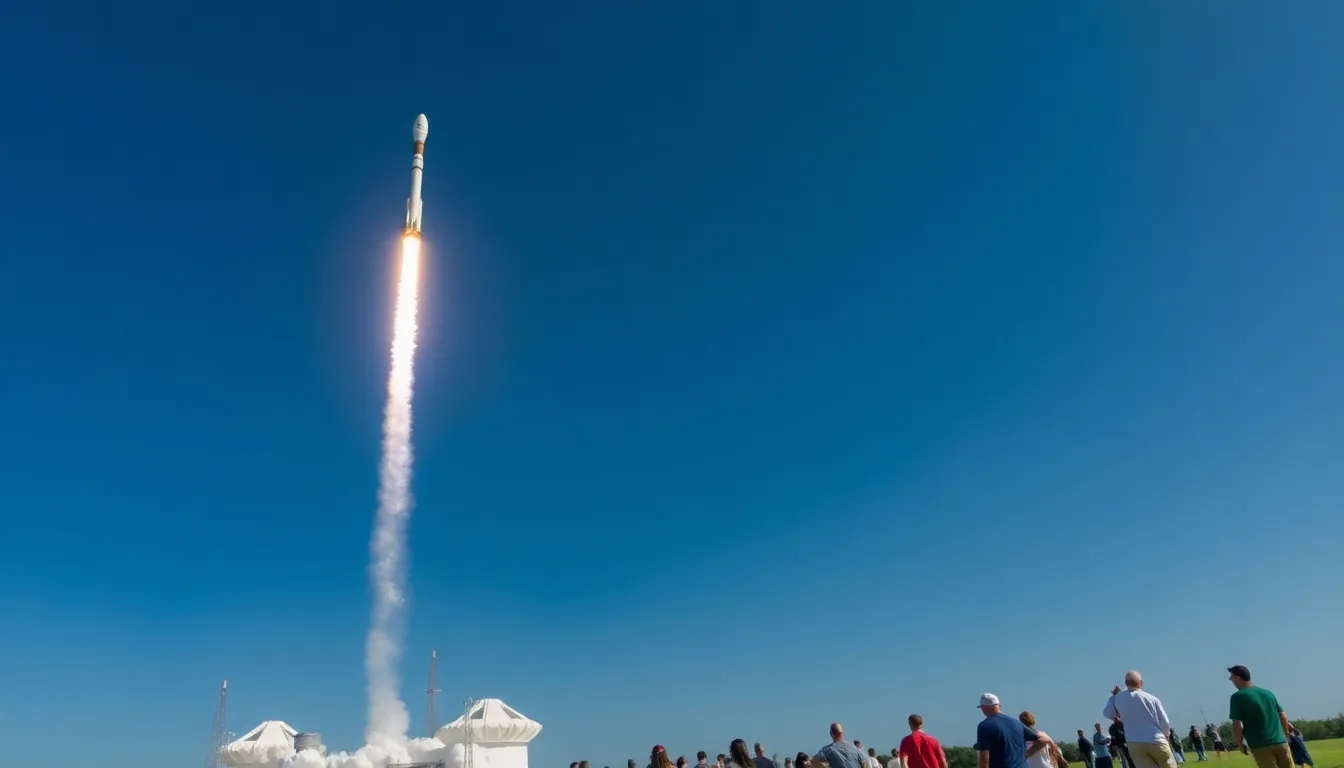
Frequently asked questions about the SpaceX launch
Looking ahead: The future of space travel and exploration
The recent launch of SpaceX’s rocket to the International Space Station marks another significant milestone in the ongoing journey of space exploration. This event not only showcases the advancements in rocket technology but also emphasizes the growing collaboration between private companies and governmental space agencies. As we look to the future, the implications of this launch extend far beyond the immediate success of the mission.
With increasing frequency of space missions and the potential for commercial space travel, several key trends are emerging that will shape the landscape of space exploration. These developments could redefine our understanding of space, science, and international cooperation in the years to come.
- Increased Commercial Participation: The role of private companies like SpaceX will continue to grow, leading to more innovative solutions and cost-effective missions.
- International Collaboration: The success of missions to the ISS highlights the importance of global partnerships in advancing human space exploration.
- Focus on Sustainability: Future missions will likely prioritize sustainable practices to minimize environmental impact both on Earth and in space.
- Emerging Technologies: Advancements in technology will pave the way for new spacecraft designs and improved safety measures for astronauts.
- Public Engagement: As space travel becomes more accessible, public interest and engagement in space missions are expected to rise, fostering a new generation of space enthusiasts.