
In addition to AI, the race for quantum supremacy continues to intensify. Companies like D-Wave and Rigetti Computing are making strides in developing quantum processors that could outperform classical computers in specific tasks. The implications of quantum computing extend beyond computational speed; they promise breakthroughs in fields such as cryptography, drug discovery, and complex system modeling. For a deeper understanding, check out our article on the latest technology trends.
Renewable energy technology also remains a key focus amid growing concerns about climate change. Recent reports indicate that solar and wind energy installations have surged, with global capacity expected to exceed 3,000 gigawatts by the end of 2023. This shift towards sustainable energy sources is crucial for reducing carbon footprints and achieving international climate targets.
The convergence of these technologies highlights the interconnected nature of advancements in the tech industry. As AI, quantum computing, and renewable energy continue to evolve, they not only present opportunities for innovation but also pose ethical and regulatory challenges. Policymakers and industry leaders are now tasked with navigating these complexities to ensure responsible development and deployment of these transformative technologies. More insights can be found in our piece on the impact of science on public understanding.
The historical background of technology evolution
The evolution of technology has been a defining element of human progress, shaping societies and economies throughout history. From the invention of the wheel in ancient times to the rise of the internet in the late 20th century, each technological advancement has contributed to significant shifts in how people live and work. The Industrial Revolution marked a pivotal moment, introducing mechanization that transformed agricultural societies into industrial powerhouses, leading to urbanization and the birth of modern economies.

In the 20th century, the development of computers and the subsequent digital revolution brought about unprecedented changes. The creation of the first programmable computer in the 1940s laid the groundwork for the information age. By the 1980s, personal computers began to infiltrate homes and businesses, democratizing access to technology and information. This shift not only spurred economic growth but also altered social interactions, as communication became instantaneous and global.
As technology continued to evolve, the rise of the internet in the 1990s further transformed the landscape. The dot-com boom exemplified the potential of digital innovation, leading to the emergence of tech giants that dominate the current market. However, this rapid growth was not without challenges, including issues related to privacy, cybersecurity, and the digital divide, which highlighted the disparities in access to technology across different socioeconomic groups.
Key Milestones in Technological Advancement
Several key milestones have shaped the trajectory of technology. The launch of the World Wide Web in 1991 revolutionized access to information and communication. The introduction of smartphones in the late 2000s further integrated technology into daily life, changing how individuals interact with each other and consume information. Today, we stand at the forefront of advancements in artificial intelligence, blockchain, and renewable energy technologies, each promising to redefine the future of work and society.
Key stakeholders and their roles in tech development
The landscape of technology development is shaped by a diverse array of stakeholders, each with their own interests and influence. Key actors include tech companies, government regulators, consumers, and advocacy groups. Understanding the dynamics among these players is crucial for comprehending the broader implications of technological advancements. For more on this topic, consider reading about the gracefulness of robots.
Tech companies, ranging from startups to established giants, are primarily driven by profit motives and market expansion. Their interests often lead to rapid innovation and the introduction of new products. However, this drive can sometimes conflict with public interests, especially regarding data privacy and security. As these companies push boundaries, they may inadvertently overlook ethical considerations, leading to potential backlash from consumers and regulators.

Governments play a pivotal role in shaping the tech landscape through regulation and policy-making. Their interests typically revolve around ensuring public safety, fostering economic growth, and maintaining competitive markets. However, government intervention can lead to tensions with tech companies, particularly when regulations are perceived as stifling innovation or when there is a lack of understanding of the technology involved. The challenge lies in balancing regulation with the need for technological advancement.
Consumers, as end-users of technology, have a significant stake in how products are developed and used. Their interests include user experience, data protection, and ethical considerations. Advocacy groups often represent consumer interests, pushing for transparency and accountability from tech companies. Conflicts can arise when consumer demands clash with corporate strategies, particularly in areas like data monetization and surveillance.
- Tech companies focus on innovation and market share, often prioritizing profit over ethical concerns.
- Government regulations aim to protect consumers but can hinder technological progress.
- Consumers demand transparency and ethical practices, leading to pressure on companies to adapt.
- Advocacy groups strive to ensure that technological advancements align with societal values.
- Conflicts often arise from differing priorities, necessitating ongoing dialogue among stakeholders.
How these trends affect consumers and businesses
The ongoing technological advancements are reshaping various sectors, impacting consumers, businesses, and entire regions. Industries such as retail, healthcare, and finance are particularly susceptible to these changes, as they adapt to new technologies and consumer expectations. For example, the rise of e-commerce has forced traditional brick-and-mortar stores to rethink their strategies to remain competitive.
In the short term, consumers may experience enhanced convenience and personalization in their shopping experiences. Businesses can leverage data analytics and AI to tailor their offerings, resulting in improved customer satisfaction. However, this rapid transformation also poses risks, such as job displacement in sectors that rely heavily on manual labor.
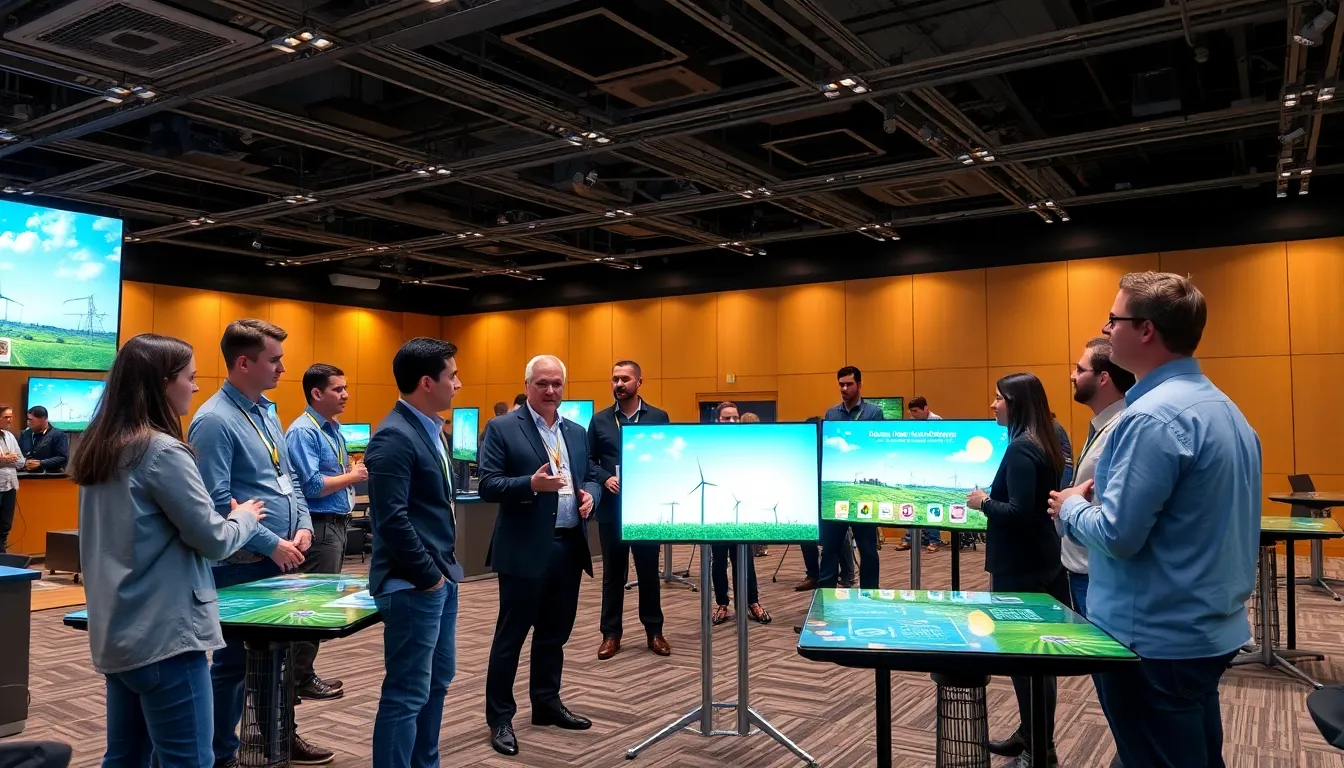
In the mid-term, we may see a shift in policy as governments respond to the implications of these technological trends. Regulations surrounding data privacy and cybersecurity are likely to become more stringent, requiring businesses to invest in compliance measures. Additionally, regions that embrace technology may see economic growth, while those that lag behind could face challenges in attracting investments.
- Opportunities: Enhanced efficiency and productivity for businesses.
- Risks: Job losses in traditional sectors due to automation.
- Consumer Impact: Increased demand for tech-savvy products and services.
As these trends continue to evolve, the interplay between technology and society will create both challenges and opportunities. Businesses that proactively adapt to these changes are likely to thrive, while those that resist may struggle to keep pace with the shifting landscape.
A: Some of the most significant trends include artificial intelligence, blockchain, and the Internet of Things. These technologies are transforming industries and creating new opportunities. A: Artificial intelligence is enhancing efficiency and decision-making in businesses. It allows for data-driven insights, automation of routine tasks, and improved customer experiences. A: Consumer feedback is crucial as it informs companies about user needs and preferences. This feedback helps shape product features and improvements. A: Yes, emerging technologies can pose risks such as data privacy concerns and ethical dilemmas. It’s essential for companies to address these issues proactively. A: Individuals can stay updated by following tech news websites, subscribing to industry newsletters, and participating in tech forums and discussions.
Frequently asked questions about technology trends
Key takeaways and future outlook on technology
The rapid evolution of technology continues to reshape industries and society at large, presenting both opportunities and challenges. As we look ahead, it is essential to recognize the trends that are emerging and their potential impact on various sectors. The interplay between innovation and regulation will play a critical role in determining how technologies are adopted and integrated into everyday life.
Monitoring advancements in artificial intelligence, cybersecurity, and sustainable tech will be crucial for stakeholders across the board. The ability to adapt to these changes will not only influence competitive advantage but also the overall trajectory of technological development.
- Investing in AI-driven solutions can enhance operational efficiency and drive innovation across various sectors.
- As cybersecurity threats evolve, prioritizing robust security measures will be essential for protecting sensitive data.
- Embracing sustainable technology practices will not only meet regulatory demands but also appeal to environmentally conscious consumers.
- Collaboration between tech companies and regulatory bodies will be vital to create frameworks that foster innovation while ensuring public safety.
- Staying informed about emerging trends will empower businesses to make strategic decisions that align with future market demands.