
In recent months, various stakeholders, including government officials, tech companies, and civil society organizations, have voiced their opinions on the need for stringent AI regulations. Key figures in the Indian government have emphasized the importance of establishing a framework that balances innovation with safety. The involvement of Gates, a prominent advocate for responsible technology, adds weight to the ongoing discourse and highlights the significance of discussions around AI safety.
However, the presence of Gates and the political dynamics surrounding the summit have sparked concerns that the focus on AI safety could be overshadowed by broader geopolitical tensions. Critics argue that the intertwining of political interests with technological discussions may dilute the urgency of addressing AI risks. As debates unfold, the challenge remains to prioritize safety while navigating the complex landscape of international relations.
As the summit approaches, experts are urging for a collaborative approach that includes diverse voices in the AI safety conversation. The outcome of these discussions could set a precedent for future regulations not only in India but also globally. Stakeholders are keenly watching to see if the momentum generated will translate into actionable policies that effectively mitigate the risks associated with AI advancements.
Background on Bill Gates’ involvement in technology and politics
Bill Gates, co-founder of Microsoft, has long been a prominent figure in both the technology sector and global philanthropic efforts. His transition from a tech mogul to a political influencer began in earnest in the early 2000s when he established the Bill & Melinda Gates Foundation. This foundation has focused on global health, education, and poverty alleviation, positioning Gates as a key player in international development discussions.
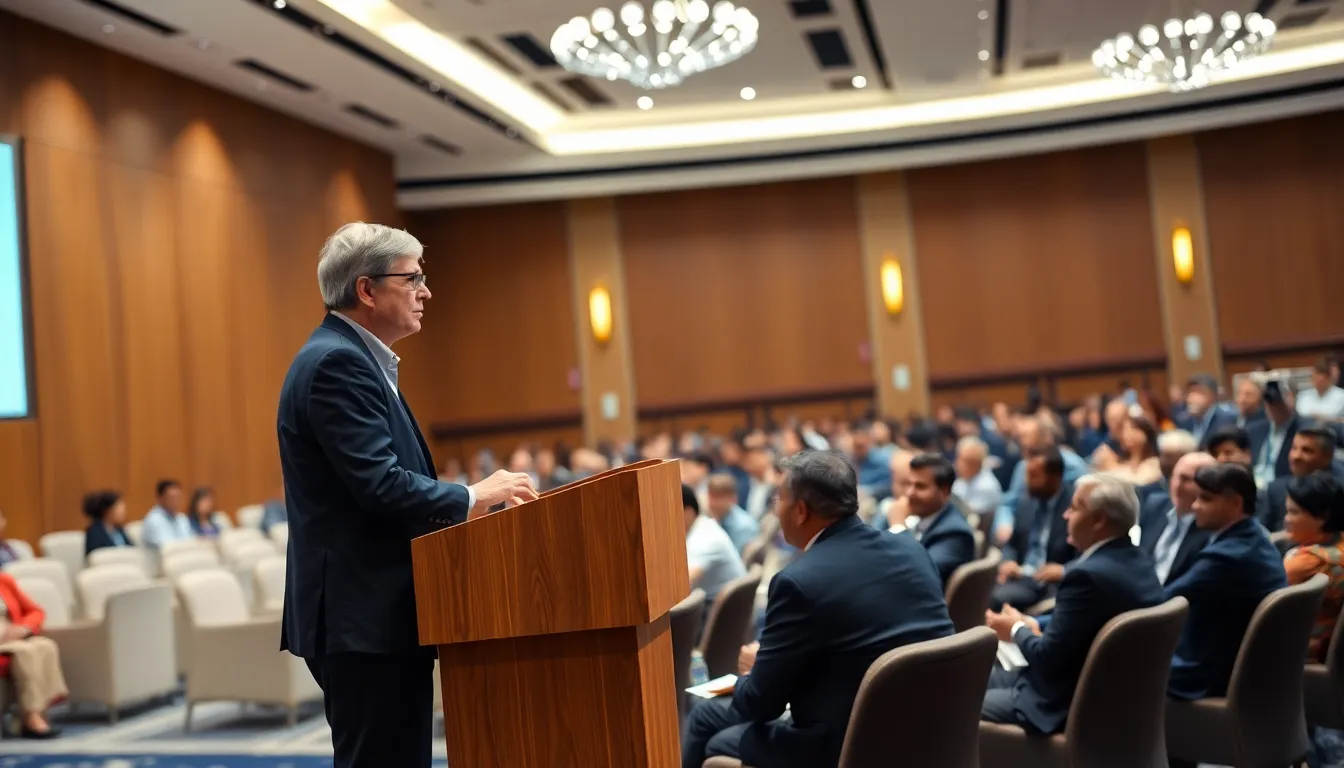
Over the years, Gates has leveraged his wealth and influence to advocate for various causes, including climate change and public health initiatives. His involvement in these issues has often intersected with political agendas, particularly in countries like India, where technology and health policies are deeply intertwined. The Indian government’s push for digital transformation and AI integration in public services aligns with Gates’ interests, creating a complex web of influence and collaboration.
The Rise of AI and Its Implications
As artificial intelligence continues to advance, the debate surrounding its safety and ethical implications has gained momentum. Gates has been vocal about the potential benefits of AI but has also warned against its risks. This duality has sparked discussions in political arenas, particularly in Delhi, where policymakers are grappling with how to regulate emerging technologies while fostering innovation.
Key milestones in this ongoing dialogue include the establishment of various AI research initiatives and regulatory frameworks aimed at ensuring safe AI deployment. However, the political landscape in India is fraught with challenges, as competing interests and agendas often overshadow the critical conversations about AI safety. Gates’ involvement in these discussions adds another layer of complexity, as his opinions may influence policy decisions while also drawing scrutiny from various political factions.
In summary, the intersection of Gates’ philanthropic efforts, technological advancements, and political dynamics in India creates a unique backdrop for the ongoing AI safety debate. As stakeholders navigate these waters, the potential for political tussles to overshadow crucial discussions remains a pressing concern.
Key stakeholders and issues surrounding AI safety
The debate over AI safety in Delhi is shaped by a diverse array of stakeholders, each with distinct interests and motivations. Prominent among them is Bill Gates, whose philanthropic work through the Bill & Melinda Gates Foundation focuses on global health and development. Gates has a vested interest in ensuring that AI technologies are developed responsibly, as they can significantly impact various sectors, including healthcare and education.
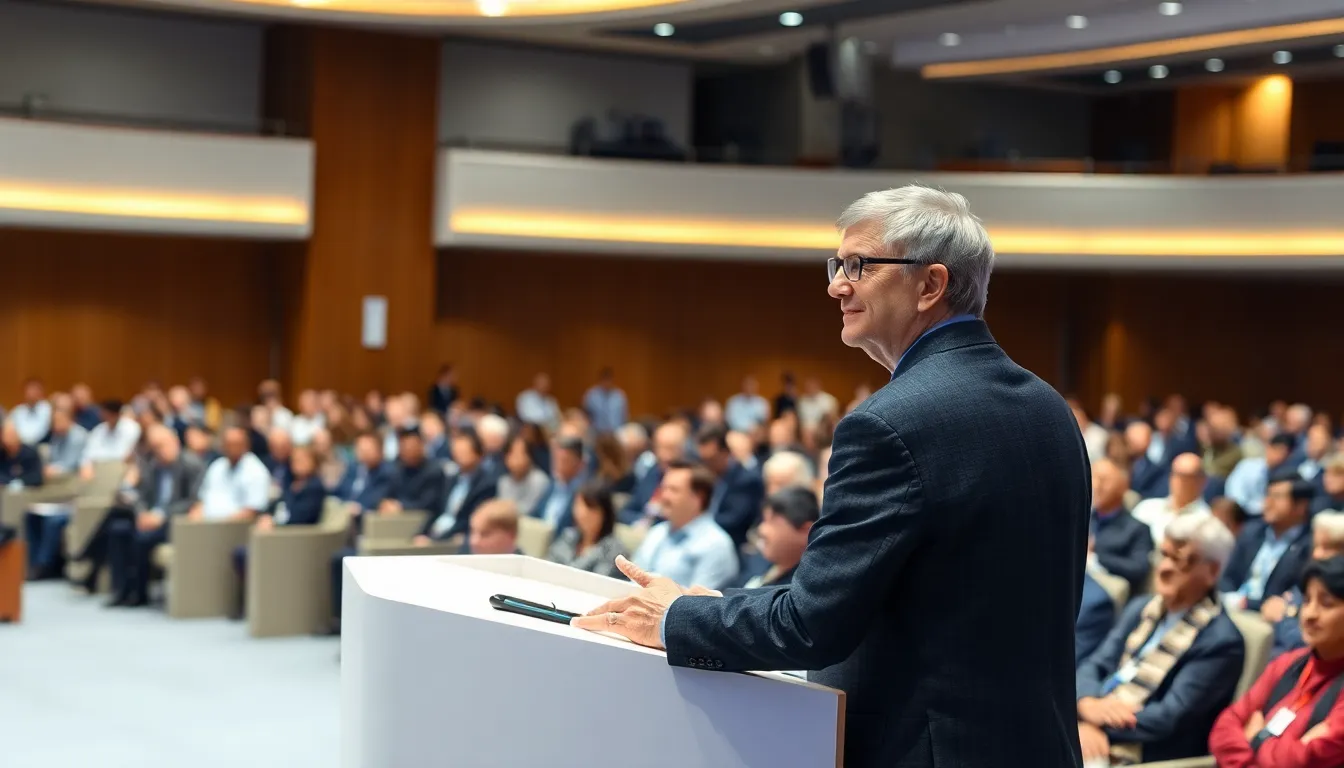
Governments also play a crucial role in this discourse. The Indian government, along with international bodies, is grappling with the challenge of creating regulatory frameworks that ensure AI technologies are safe and beneficial. This is complicated by the need to balance innovation with public safety, as well as the economic implications of AI adoption across industries.
In addition to Gates and government entities, tech companies and AI developers are vital players in this landscape. Their interests often revolve around the rapid advancement of AI technologies, which can lead to economic growth and competitive advantages. However, this push for progress raises ethical concerns and potential risks associated with AI misuse or unintended consequences.
- Conflicts of Interest: The alignment of profit motives in tech companies may conflict with public safety priorities.
- Regulatory Challenges: Governments face the difficulty of implementing effective regulations without stifling innovation.
- Global Coordination: The need for international cooperation on AI standards complicates national policies.
- Public Perception: Misinformation and fear around AI could influence public trust and acceptance.
- Economic Trade-offs: Balancing the economic benefits of AI against potential job displacement remains a key issue.
Who will be affected by the political dynamics in the AI debate
The ongoing political tussles surrounding AI safety in Delhi are poised to impact a diverse range of stakeholders. Key groups include technology companies, policymakers, and civil society organizations. Additionally, the general public and various industries reliant on AI technology will also feel the effects, both directly and indirectly.
In the short term, the uncertainty created by political maneuvering may lead to hesitance among businesses to invest in AI initiatives. Companies in sectors such as healthcare, finance, and transportation, which are increasingly integrating AI solutions, could experience delays in project timelines and innovation. This could stifle growth and limit advancements that benefit consumers.
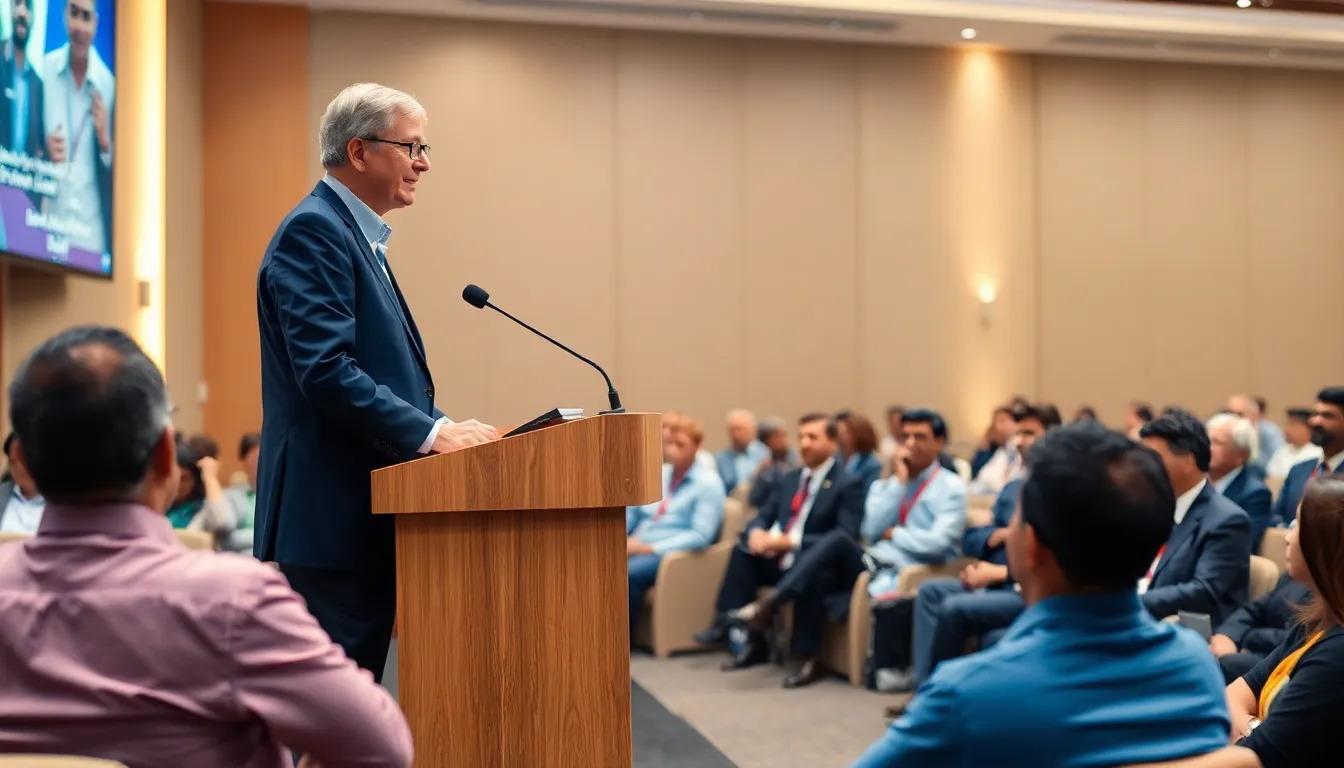
Mid-term impacts may manifest in the form of shifting regulatory landscapes. Businesses may face new compliance challenges, which could lead to increased operational costs. Conversely, there may be opportunities for firms that can navigate these changes effectively, positioning themselves as leaders in AI safety and ethics.
- Risks: Investment delays, increased compliance costs, and potential stifling of innovation.
- Opportunities: Leadership in AI safety, new market niches, and enhanced public trust through ethical practices.
The political dynamics may also influence public perception of AI technologies. If the debate becomes polarized, it could lead to a backlash against AI, impacting consumer adoption rates. However, a constructive dialogue could pave the way for greater awareness and understanding, fostering an environment where AI technologies can flourish responsibly.
A: Bill Gates has been an influential figure in technology and philanthropy, advocating for AI safety. His involvement may shape public perception and policy discussions around AI. A: Political tussles can divert attention from critical AI safety issues, potentially delaying necessary regulations and oversight that ensure technology is used responsibly. A: Key concerns include ethical implications, data privacy, and the potential for misuse of AI technologies, which require careful consideration from policymakers. A: Stakeholders include government officials, tech companies, civil society organizations, and the general public, all of whom have vested interests in the outcomes of AI regulations. A: If AI safety continues to be overshadowed, it could lead to unregulated AI applications, resulting in societal harm and increased public distrust in technology.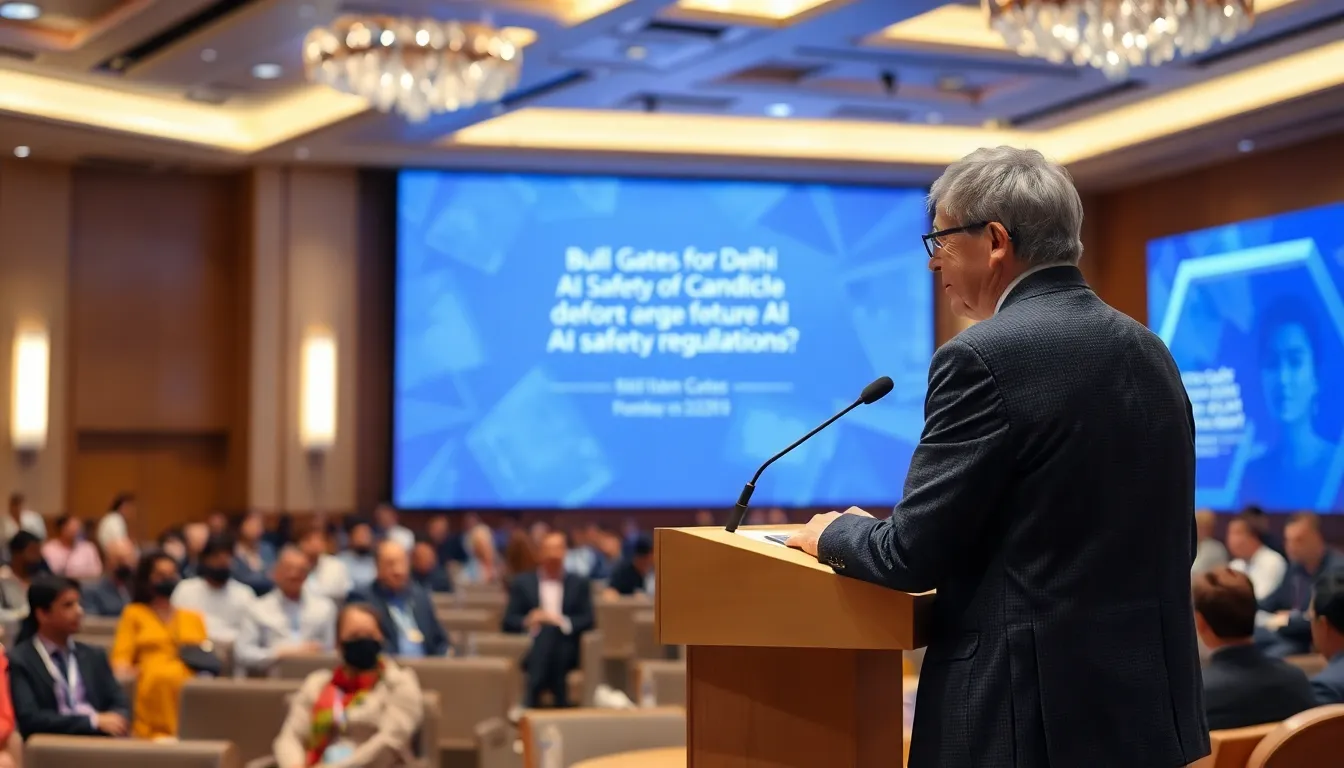
Frequently asked questions about the AI safety debate
Key takeaways and future outlook on AI safety in Delhi
The intersection of high-profile figures like Bill Gates and the political landscape in Delhi presents a complex backdrop for the ongoing discussions surrounding AI safety. As stakeholders navigate this multifaceted environment, it is crucial to monitor how these dynamics influence regulatory frameworks and public perception of AI technologies.
Looking ahead, the implications of this interplay could shape not only policy decisions but also the broader narrative around ethical AI development. The potential overshadowing of the AI safety debate by political interests could lead to both opportunities and challenges for advocates of responsible AI usage.
- Increased scrutiny of AI regulations may emerge as political figures engage with technology leaders.
- Public awareness and concern about AI risks could rise, prompting calls for more transparent discussions.
- Collaborations between tech leaders and policymakers could either enhance or hinder the pace of AI safety initiatives.
- The role of international partnerships in shaping AI standards may gain prominence as local discussions evolve.
- Potential conflicts of interest could complicate the dialogue around ethical AI practices in the region.