
Critics argue that the ban lacks transparency and due process, suggesting that the evidence presented against Heraskevych is insufficient and possibly flawed. Prominent figures in the sports community, including former Olympians and sports analysts, have called for a reevaluation of the case, emphasizing the need for a fair hearing and a clear explanation of the evidence used to justify the ban. This situation is reminiscent of the criticisms faced by the International Olympic Committee’s handling of other controversial cases.
The situation is further complicated by the timing of the ban, which coincides with the lead-up to major international competitions. Many believe that this decision not only impacts Heraskevych’s career but also undermines the credibility of the Olympic movement as a whole. Stakeholders are calling for accountability from the governing bodies to ensure that athletes are treated justly.
As the debate continues, the Olympic chiefs face mounting pressure to address the concerns raised by athletes, fans, and advocacy groups. An apology to Heraskevych may be warranted if it is determined that procedural errors were made, highlighting the ongoing struggle for fairness in competitive sports.
Exploring the background of the Olympic ban
The recent ban imposed on Ukrainian athlete Ivan Heraskevych has sparked significant controversy within the Olympic community. This situation is not merely a singular incident but reflects a broader pattern of governance and decision-making by Olympic authorities that has evolved over decades. Historically, the Olympic Games have been marred by political influences, with athletes often caught in the crossfire of geopolitical tensions, similar to discussions raised in recent controversies such as those in the literary world.
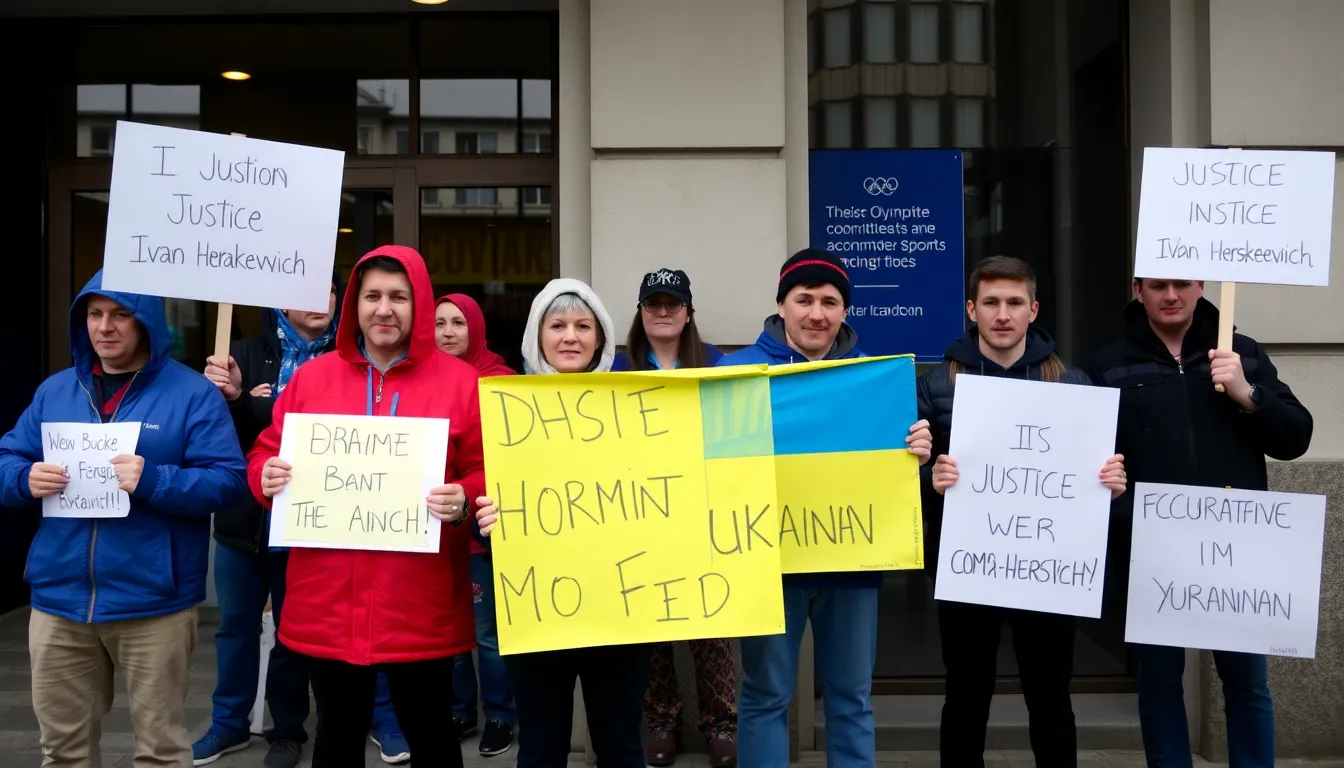
In the past, the International Olympic Committee (IOC) has faced criticism for its handling of athletes’ eligibility and sanctions. One notable case was the ban of athletes from South Africa during the apartheid era, which was a politically motivated decision aimed at promoting social justice. Similarly, the current situation with Heraskevych raises questions about fairness and the criteria used to enforce bans, particularly in light of the ongoing conflict in Ukraine.
Economic factors also play a crucial role in the decisions made by Olympic chiefs. The financial implications of athlete participation or exclusion can be significant, influencing sponsorship deals and broadcasting rights. The pressure to maintain the integrity of the Games while also ensuring profitability has often led to controversial decisions that prioritize economic interests over the well-being of individual athletes.
The Role of Nationalism in Olympic Governance
Nationalism has historically influenced Olympic policies, often resulting in biased treatment of athletes based on their nationality. In Heraskevych’s case, the geopolitical landscape surrounding Ukraine has undoubtedly impacted the IOC’s decision-making process. As nations rally around their athletes, the risk of politicizing sports becomes more pronounced, leading to decisions that may not align with the principles of fair competition and sportsmanship.
Analyzing the implications for stakeholders involved
The recent ban on Ukrainian athlete Yuliya Heraskevych by Olympic officials has sparked significant controversy, highlighting the complex interplay between various stakeholders in the world of sports. At the forefront are the International Olympic Committee (IOC) and the sport’s governing bodies, who are tasked with maintaining the integrity of competition while also ensuring fair treatment of athletes.
Heraskevych, as the affected athlete, represents not only individual interests but also the broader aspirations of Ukrainian sports, particularly in the context of ongoing geopolitical tensions. His case raises questions about the balance between enforcing rules and the potential for overreach by regulatory bodies, which can inadvertently harm athletes’ careers and reputations.
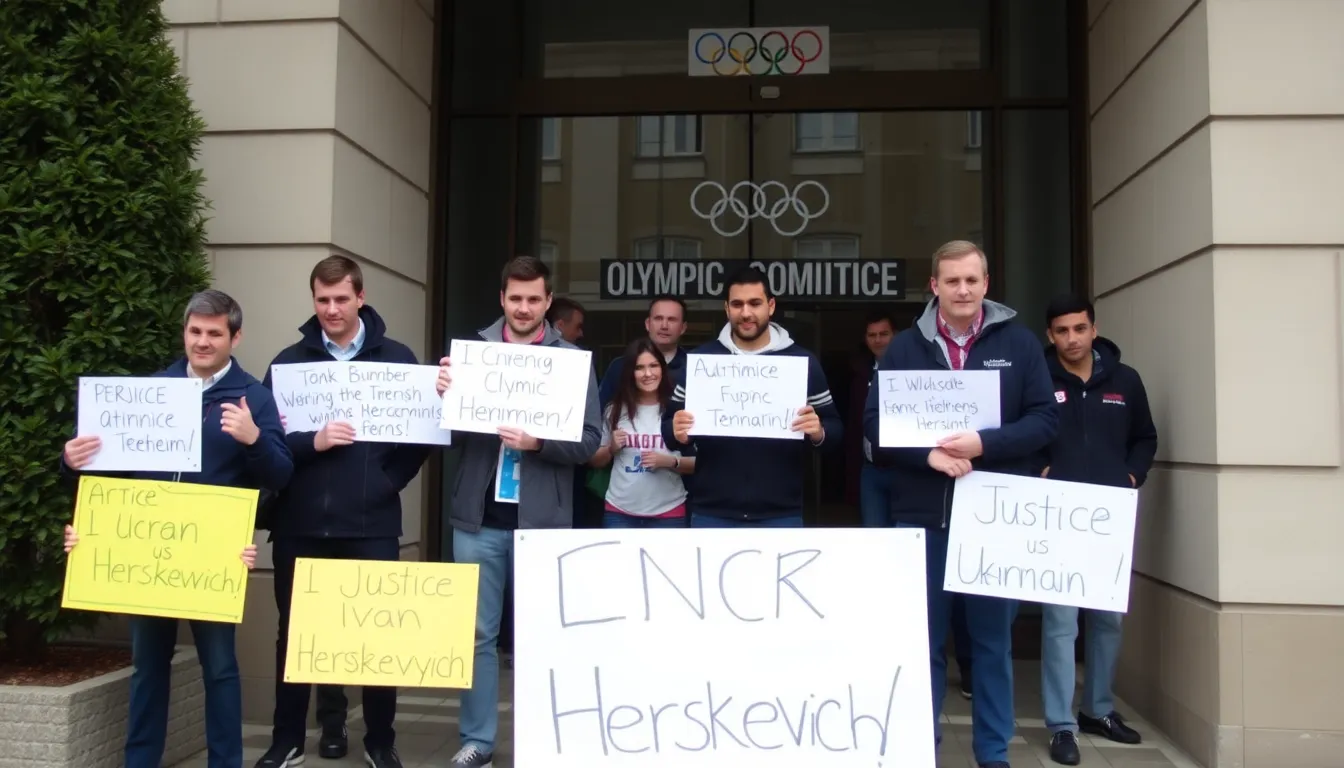
Key stakeholders also include national Olympic committees and sports federations, which have vested interests in the outcomes of such decisions. These organizations must navigate the delicate balance between supporting their athletes and adhering to international regulations, which can often be ambiguous or subject to interpretation.
- IOC’s Responsibility: The IOC must ensure that its rules are applied consistently while also considering the impact of their decisions on athletes’ lives and careers.
- Legal Implications: The ban may lead to legal challenges, raising questions about due process and the rights of athletes under international sports law.
- Public Perception: The IOC’s handling of the situation will influence public trust in their governance and the perceived fairness of the Olympic Games.
- Economic Factors: The fallout from the ban could affect sponsorship deals and funding for Ukrainian sports programs, further complicating the situation.
- Geopolitical Context: The ban occurs against a backdrop of heightened tensions, which may influence international relations and the political landscape surrounding the Olympics.
In summary, the situation surrounding Heraskevych’s ban encapsulates a myriad of interests and conflicts among stakeholders, each with their own stakes in the outcome. The need for a fair and transparent resolution is paramount, not only for the athlete involved but for the integrity of the Olympic movement as a whole. This reflects broader societal discussions, including issues around accountability that extend beyond sports.
Assessing the impact on athletes and the Olympic community
The recent ban on Ukrainian athlete Ivan Heraskevych by Olympic officials has sent shockwaves through the sports community, affecting not only the athlete himself but also various stakeholders within the Olympic ecosystem. This decision raises questions about the integrity of the Olympic movement and the treatment of athletes, particularly those from conflict-affected regions.
Firstly, athletes from Ukraine and similar regions are directly impacted by this ruling. They may feel discouraged or unsupported, leading to a potential decrease in morale and performance. The broader athletic community, including coaches, trainers, and sports organizations, will also feel the repercussions as they navigate the fallout from this controversial decision.
In the short term, the ban could lead to a decline in sponsorship opportunities for athletes associated with the Olympic Games, as brands may hesitate to align themselves with an organization perceived as unjust. Additionally, there may be increased scrutiny on Olympic policies, prompting calls for reform and greater transparency in decision-making processes.
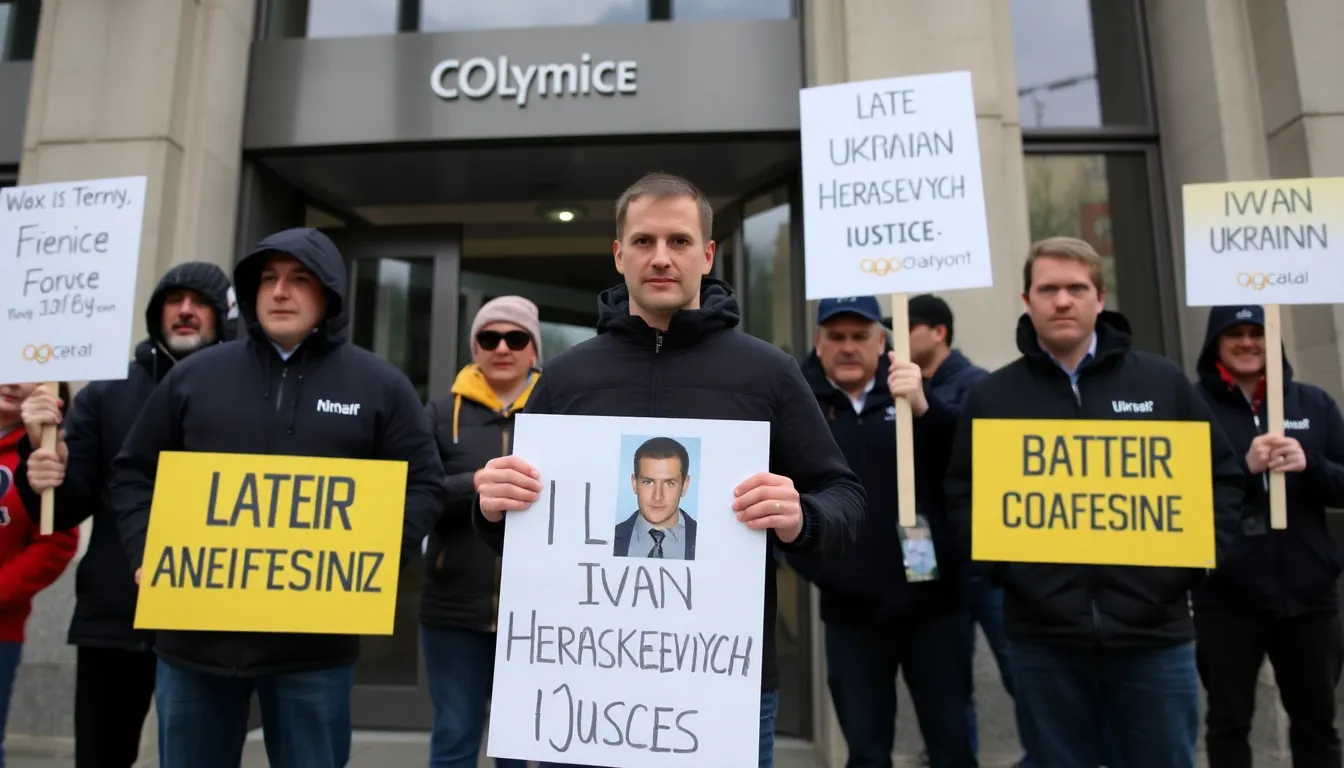
- Risks: Decreased athlete morale, potential loss of sponsorships, and heightened scrutiny of Olympic policies.
- Opportunities: Advocacy for reform within the Olympic Committee, increased support for athletes from conflict zones, and potential partnerships with organizations promoting fairness in sports.
In the mid-term, this incident could catalyze discussions around athlete rights and the need for equitable treatment across the board. It may inspire new policies aimed at safeguarding athletes from unjust penalties, thereby fostering a more supportive environment for all competitors. Furthermore, this situation can lead to increased engagement from fans and the public, who may rally behind affected athletes and advocate for change.
A: The ban was imposed due to allegations of misconduct during competition, which have been met with significant backlash from the sporting community. A: Critics argue that the evidence against Heraskevych is insufficient and that the decision was made without proper consideration of his circumstances. A: The Olympic Committee may face increased scrutiny and calls for reform if they do not address the concerns raised by this incident. A: Public reaction has been largely negative, with many calling for an apology and a reevaluation of the decision to ban Heraskevych. A: The Olympic Committee could consider a review of the case and engage in dialogue with stakeholders to restore trust.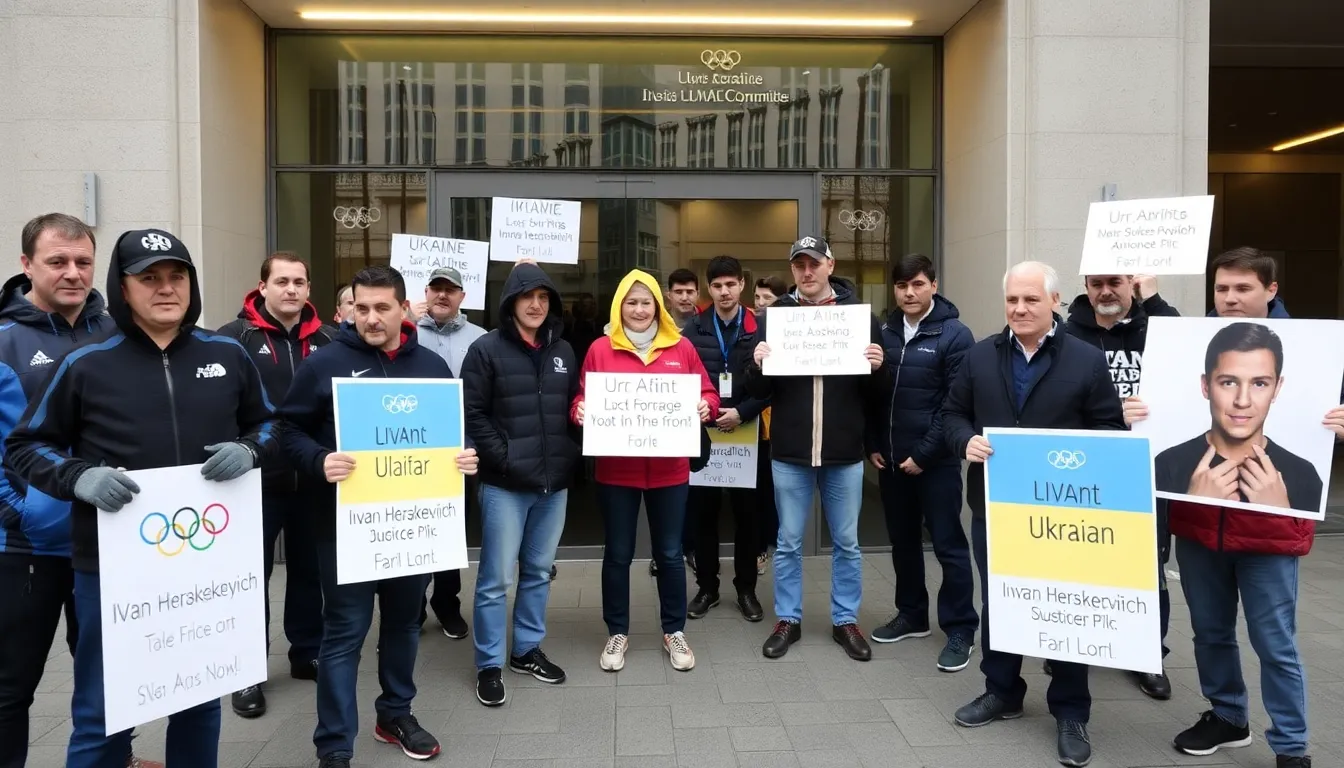
Frequently asked questions about the Heraskevych situation
Key takeaways and future outlook on the issue
The recent ban imposed on Heraskevych has raised significant questions about the decision-making processes within Olympic governing bodies. The implications of this situation extend beyond the individual athlete, highlighting the need for transparency and fairness in the enforcement of rules. As discussions unfold, it is essential to consider how these actions may impact the integrity of the Olympic movement and the athletes involved.
Moving forward, stakeholders must advocate for a more equitable approach to athlete governance, ensuring that similar situations are handled with greater care and consideration. The potential for reform in the Olympic framework could lead to improved communication and a more supportive environment for athletes, ultimately enhancing the credibility of the Games.
- The need for clearer guidelines and communication from Olympic authorities to prevent misunderstandings in athlete eligibility.
- Increased scrutiny on the decision-making processes regarding athlete bans and sanctions.
- The potential for reform in governance structures to better protect athletes’ rights and interests.
- The importance of maintaining public trust in the integrity of the Olympic Games through fair treatment of all participants.
- A call for ongoing dialogue between athletes, officials, and governing bodies to foster a more inclusive Olympic environment.