
In 2023 alone, over 100 inquests have been conducted, revealing the devastating impact these drugs have on individuals and families. Many of the deceased were young adults, indicating a troubling shift in the demographics affected by this crisis. The findings underscore the urgent need for comprehensive strategies to address the growing prevalence of these substances. For more information on the effects of drug exposure, please refer to related articles.
Key actors in this issue include local health departments and law enforcement agencies, which are grappling with the dual challenges of prevention and response. Authorities are calling for increased funding for addiction treatment programs and public awareness campaigns to combat the dangers of synthetic drugs. As the situation evolves, the collaboration between healthcare providers and law enforcement will be critical in curbing this deadly trend.
Moreover, the rise in synthetic drug use is exacerbated by the ongoing opioid crisis, which has already claimed countless lives. Experts warn that without immediate intervention, the current trajectory could lead to even more widespread devastation. As communities mourn their losses, the call for action grows louder, emphasizing the need for a united front against this growing epidemic.
Understanding the background of synthetic drug proliferation
The rise of synthetic drugs can be traced back to the late 20th century when chemists began to create substances that mimic the effects of traditional illicit drugs. Initially, these compounds were developed for legitimate research purposes, but their potential for abuse quickly became apparent. The advent of the internet further accelerated this trend, allowing for the rapid dissemination of information about these substances and their synthesis, leading to an explosion in their availability.

Politically, the response to synthetic drugs has been fragmented and often reactive. Governments worldwide have struggled to keep pace with the evolving nature of these substances, which are frequently altered to circumvent existing drug laws. The establishment of the Controlled Substances Act in the United States was a significant milestone, but as new synthetic drugs emerged, regulatory frameworks often lagged behind, creating a cat-and-mouse game between lawmakers and manufacturers. This highlights the need for a fresh vision to revitalize our approach to drug regulation.
Economically, the synthetic drug trade has proven to be highly lucrative. The relatively low cost of production compared to traditional narcotics has made it appealing for traffickers. This economic incentive has led to a proliferation of these substances in various markets, contributing to an increase in addiction rates and associated healthcare costs. Moreover, the global nature of drug trafficking has complicated efforts to combat this issue, as synthetic drugs are often produced in one country and distributed worldwide.
Social Impact of Synthetic Drugs
The social ramifications of synthetic drug proliferation are profound. Communities have witnessed a surge in overdose deaths, prompting public health crises in many regions. Families are often torn apart as loved ones struggle with addiction, and the stigma surrounding drug use can hinder individuals from seeking help. Furthermore, the impact on law enforcement and the judicial system has been significant, as authorities grapple with the challenges posed by these ever-evolving substances.
Examining the key stakeholders and issues surrounding synthetic drugs
The rise of synthetic drugs has drawn attention from various stakeholders, each with distinct interests and concerns. Among the primary actors are government agencies, healthcare organizations, law enforcement, and communities affected by drug use. Understanding their roles and motivations is crucial for grasping the broader implications of this crisis.
Government agencies, including public health departments and law enforcement, are at the forefront of addressing the synthetic drug epidemic. Their interests lie in reducing drug-related harm, enforcing drug laws, and ensuring public safety. However, they often face challenges such as limited resources and the fast-evolving nature of synthetic substances, which complicates regulation and enforcement efforts.

Healthcare organizations, including hospitals and addiction treatment centers, are also key stakeholders. They are focused on the health implications of synthetic drug use, which can lead to severe physical and mental health issues. The economic burden on the healthcare system is significant, as emergency services and long-term treatment programs are impacted by the increasing prevalence of these substances.
- Conflicts arise between law enforcement’s need for stringent drug policies and the healthcare sector’s emphasis on treatment over criminalization.
- Communities affected by synthetic drug use often experience a decline in safety and quality of life, leading to tensions between residents and local authorities.
- Legal issues surrounding the classification and regulation of new synthetic drugs present ongoing challenges for policymakers.
- Economic trade-offs exist as governments balance funding for law enforcement with investment in public health initiatives.
- The global nature of the synthetic drug market complicates efforts to combat trafficking and distribution, requiring international cooperation.
As these stakeholders navigate the complexities of the synthetic drug crisis, the interplay of their interests shapes the policies and responses that will ultimately define the future landscape of drug use and regulation. Understanding these dynamics is critical, especially as communities face increasing rates of addiction and overdose.
The significant impact on communities and healthcare systems
The rise of synthetic drugs has far-reaching consequences that affect various groups, including users, families, healthcare providers, and law enforcement agencies. Communities are grappling with increased rates of addiction and overdose, leading to a strain on local healthcare systems. Families of affected individuals face emotional and financial burdens, while healthcare professionals are often ill-equipped to manage the complexities of synthetic drug-related cases.
In terms of industries, the healthcare sector is experiencing a surge in demand for addiction treatment services, emergency medical responses, and rehabilitation programs. This demand creates both challenges and opportunities, as healthcare providers must adapt to the evolving landscape of drug use and develop effective interventions. Additionally, law enforcement agencies are tasked with addressing the growing prevalence of these substances, which may require policy changes and increased funding for drug education and prevention programs.
Short-term impacts on daily life include heightened anxiety and fear within communities, as families worry about the safety of their loved ones. Businesses, particularly those in the hospitality and entertainment sectors, may see a decline in patronage as public perception shifts towards the dangers of synthetic drugs. In the mid-term, we may witness shifts in local policies aimed at regulating substances and enhancing community support systems for those affected.

- Increased healthcare costs due to emergency responses and treatment needs.
- Potential for new business opportunities in addiction recovery services.
- Strain on law enforcement resources leading to policy reforms.
- Community initiatives focusing on education and prevention strategies.
While the risks associated with synthetic drugs are significant, there is potential for communities to come together to create supportive networks and resources. By addressing the challenges head-on, there may be opportunities to foster resilience and promote healthier lifestyles among affected populations.
A: Synthetic drugs are man-made substances designed to mimic the effects of natural drugs. They can be significantly more potent and dangerous than their natural counterparts. A: Their popularity is driven by factors such as availability, lower cost, and the perception that they are legal or less harmful than traditional drugs. A: Synthetic drugs can cause severe health issues, including addiction, overdose, and even death, due to their unpredictable potency and effects. A: Authorities are increasing awareness campaigns, enhancing law enforcement efforts, and implementing stricter regulations to combat the spread of synthetic drugs. A: Individuals should educate themselves about the dangers of synthetic drugs, avoid using unknown substances, and seek help if they or someone they know is struggling with substance use.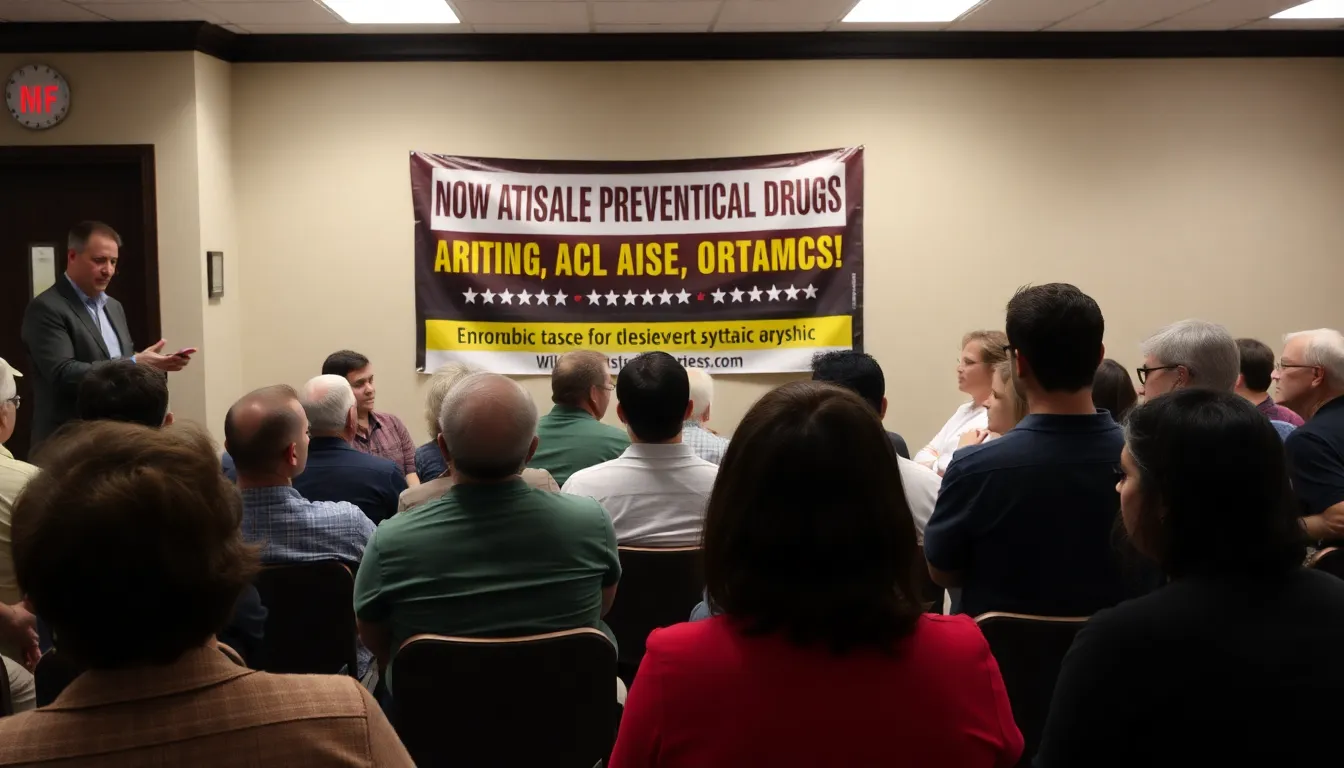
Frequently asked questions about synthetic drugs
Key insights and future outlook on synthetic drug issues
The rise of synthetic drugs presents a complex challenge that extends beyond individual health impacts, affecting communities and public health systems. As the inquests reveal, the widespread availability and potency of these substances pose significant risks, necessitating a multi-faceted response from policymakers, healthcare providers, and law enforcement.
Moving forward, it is crucial to monitor the evolving landscape of synthetic drug use and its implications. The lessons learned from recent tragedies can inform strategies aimed at prevention, education, and treatment, ensuring that communities are better equipped to combat this growing crisis.
- Increased collaboration between law enforcement and health services is essential to address the dual challenges of enforcement and public health.
- Continued education and awareness campaigns can help inform the public about the dangers of synthetic drugs and promote safer choices.
- Investment in research to better understand the effects and trends of synthetic drug use will be vital for developing effective interventions.
- Monitoring emerging trends in drug composition and distribution can aid in timely responses to new threats in the synthetic drug landscape.