
Currently, SpaceX is in discussions with various space agencies and private entities to explore the feasibility of this lunar factory. Key players in the aerospace industry are closely monitoring these developments, as they could redefine satellite production and distribution. The timeline for this project remains uncertain, but Musk has expressed a desire to begin construction within the next decade. For more information on SpaceX’s recent activities, check out this article on their successful rocket launch to the International Space Station.
The significance of this endeavor lies in its potential to reduce the costs and complexities associated with launching satellites from Earth. Utilizing lunar materials could streamline production processes and enable faster deployment of satellite networks, which are crucial for global communication and data services. As countries and companies race to establish a presence on the Moon, Musk’s proposal could position SpaceX at the forefront of lunar industry innovation. Additionally, this initiative ties into broader economic and policy discussions regarding space exploration.
Elon Musk, the CEO of SpaceX and Tesla, is at the forefront of the initiative to establish an A.I. satellite factory on the Moon. His vision aligns with his broader goals of advancing space exploration and developing sustainable technologies. Musk’s interests are primarily driven by the potential for innovation in satellite technology and the economic benefits of being a pioneer in extraterrestrial manufacturing. If you’re curious about building trends in the industry, you may want to read about the government’s impact on space initiatives during economic fluctuations.
The Growing Interest in Lunar Exploration
The concept of lunar exploration has gained significant traction over the past few decades, driven by advancements in technology and a renewed interest in space by both governmental and private entities. The Moon, once a distant dream for humanity, has become a focal point for scientific research, commercial opportunities, and geopolitical competition. In recent years, various countries have announced plans to return to the Moon, signaling a new era of exploration and potential colonization.
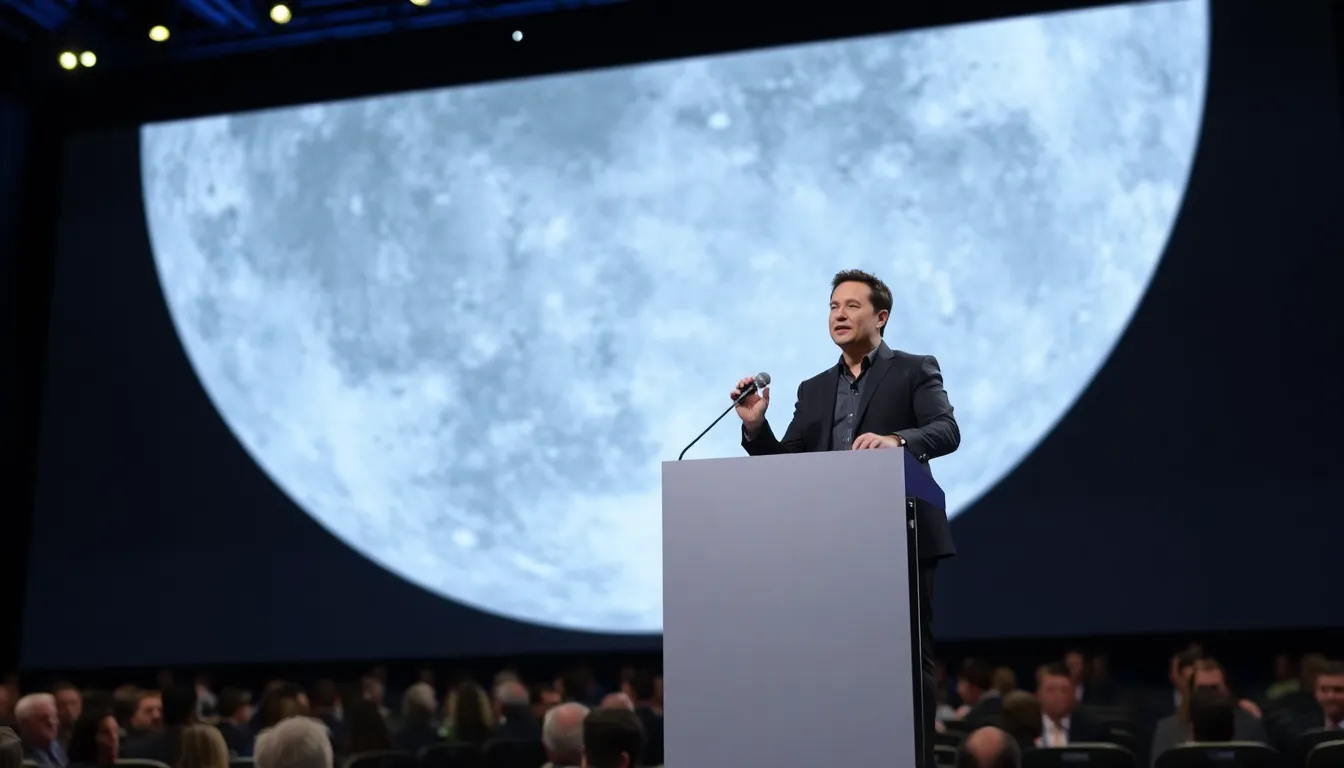
Historically, the Apollo missions of the 1960s and 1970s marked humanity’s first foray into lunar exploration, culminating in the iconic Apollo 11 landing in 1969. However, after the last Apollo mission in 1972, interest waned for decades, leaving the Moon largely untouched. It was not until the late 20th and early 21st centuries that interest began to resurface, fueled by technological advancements and the potential for resource extraction, such as Helium-3, which could be used for nuclear fusion energy.
The Rise of Private Space Companies
The emergence of private space companies has further accelerated lunar exploration efforts. Companies like SpaceX, founded by Elon Musk, have pioneered reusable rocket technology, drastically reducing the cost of access to space. This shift has enabled ambitious projects, including Musk’s vision of building a factory on the Moon for artificial intelligence satellites. The commercialization of space has opened up new avenues for investment and innovation, encouraging both public and private sectors to collaborate on lunar missions.
Moreover, international collaborations have played a significant role in this renewed interest. Initiatives like NASA’s Artemis program aim to return humans to the Moon by the mid-2020s, with plans for sustainable exploration and the establishment of a lunar base. This collaborative approach has not only rekindled interest in lunar exploration but has also fostered a competitive environment among nations and companies, all vying for a stake in the Moon’s resources and strategic advantages.
As the conversation around lunar exploration evolves, it becomes essential to consider the implications of such endeavors. The potential for economic growth, scientific discovery, and geopolitical power plays a significant role in shaping policies and investments in space. Elon Musk’s proposition to build an AI satellite factory on the Moon is a reflection of this complex interplay of historical context, technological advancements, and the growing interest in exploiting lunar resources.
Key Stakeholders and Challenges Ahead
Elon Musk, the CEO of SpaceX and Tesla, is at the forefront of the initiative to establish an A.I. satellite factory on the Moon. His vision aligns with his broader goals of advancing space exploration and developing sustainable technologies. Musk’s interests are primarily driven by the potential for innovation in satellite technology and the economic benefits of being a pioneer in extraterrestrial manufacturing.
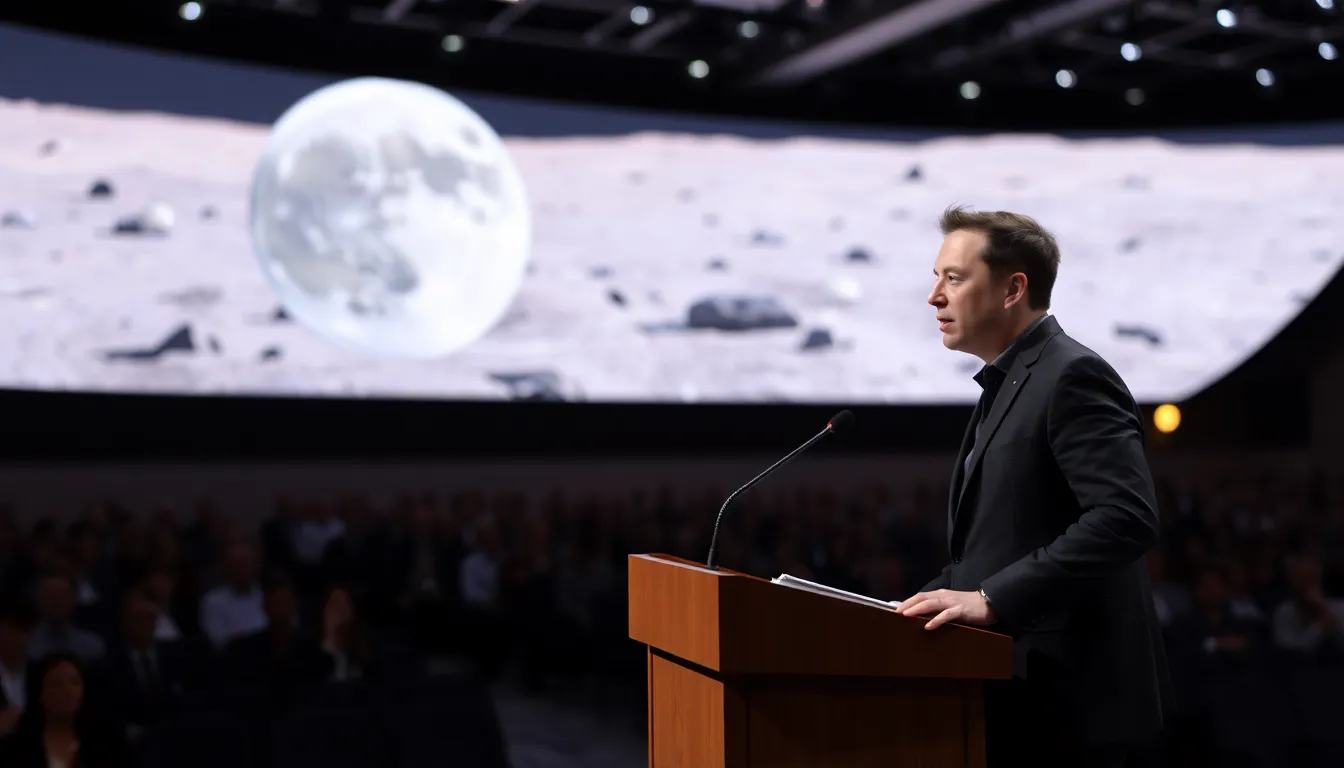
In addition to Musk, several key stakeholders are involved in this ambitious project. These include:
- The U.S. government, which has a vested interest in space exploration and national security.
- NASA, as a potential collaborator, focusing on the scientific and technological advancements that could arise from lunar operations.
- Private investors and technology companies, who may seek partnerships or funding opportunities in the emerging lunar economy.
However, this initiative is not without its challenges. One major concern is the legal framework governing activities on the Moon. The Outer Space Treaty of 1967 prohibits any nation from claiming sovereignty over celestial bodies, which raises questions about property rights and resource utilization. Stakeholders must navigate these legal complexities to ensure compliance and avoid international disputes.
Economic considerations also play a significant role in this analysis. The initial investment required for establishing a lunar factory is substantial, and the return on investment remains uncertain. Stakeholders must weigh the potential benefits of advanced satellite manufacturing against the risks associated with such a groundbreaking venture.
Moreover, there are environmental and ethical implications to consider. The impact of lunar industrialization on the Moon’s ecosystem, as well as the broader implications for space exploration, must be addressed. As discussions progress, it will be crucial for all parties involved to engage in transparent dialogue to mitigate conflicts and align their interests effectively.
Potential Effects on the Space Industry and Economy
The proposal by Elon Musk to establish an A.I. satellite factory on the Moon could have far-reaching implications across various sectors. Key groups affected include aerospace companies, technology firms, and even national governments that are investing in space exploration. The initiative could also impact local economies, particularly those in regions with existing aerospace infrastructure.
In the short term, businesses in the aerospace industry may experience a surge in demand for materials and technology related to lunar operations. Companies specializing in robotics, artificial intelligence, and satellite technology will likely see increased investment and interest. This could lead to job creation in these sectors, particularly in areas focused on innovation and manufacturing.
Mid-term impacts may include shifts in policy as governments reassess their space exploration strategies. Countries may feel pressured to invest in their own lunar missions or collaborate with private entities like Musk’s SpaceX. Additionally, the establishment of a lunar factory could catalyze the development of new regulations regarding space commerce, resource utilization, and environmental protection.
- Job Creation: Increased employment opportunities in aerospace and technology sectors.
- Investment Growth: Potential for significant investment in space-related technologies.
- Policy Changes: New regulations and collaborative efforts among nations.
- Economic Development: Boost to local economies with aerospace capabilities.
However, the initiative also presents risks. The potential for increased space debris and the ethical implications of exploiting lunar resources could lead to public backlash. Moreover, the reliance on advanced A.I. technologies raises concerns about security and operational failures in a harsh lunar environment. Balancing innovation with responsible practices will be crucial as this vision unfolds.
A: The factory aims to produce advanced satellites using A.I. technology, enhancing communication and data collection capabilities in space. A: Funding details are still under discussion, but it is expected to involve a combination of private investment and potential government partnerships. A: Key challenges include the technological feasibility of lunar manufacturing, regulatory hurdles, and the logistics of transporting materials to the Moon. A: While specific timelines are not yet confirmed, Musk has indicated that initial phases could start within the next few years. A: This initiative could significantly boost current efforts by providing new technologies and resources that enhance exploration capabilities.
Frequently Asked Questions about the A.I. Satellite Factory
Future Prospects for Lunar A.I. Manufacturing
The ambitious proposal by Elon Musk to establish an A.I. satellite factory on the Moon signifies a transformative step in space exploration and technology development. This initiative not only highlights the potential for advanced manufacturing in extraterrestrial environments but also raises questions about the future of A.I. integration in space missions and its implications for Earth-based industries.
As this vision unfolds, several practical considerations emerge regarding the technological, economic, and ethical dimensions of lunar manufacturing. Stakeholders must navigate the challenges and opportunities presented by this pioneering endeavor, which could redefine humanity’s relationship with space and technological innovation.
- Technological Innovation: Advancements in A.I. and robotics will be crucial for the success of lunar manufacturing, potentially leading to breakthroughs that could benefit various industries on Earth.
- Economic Viability: The establishment of a lunar factory could create new markets and job opportunities, prompting a reevaluation of investment strategies in space-related ventures.
- International Collaboration: This project may foster partnerships between nations and private entities, encouraging collaborative efforts in space exploration and resource sharing.
- Ethical Considerations: The implications of A.I. and automation in space raise important ethical questions regarding autonomy, decision-making, and the potential impact on human jobs.
- Environmental Impact: The long-term effects of lunar manufacturing on both the Moon’s ecosystem and Earth’s environment will need careful monitoring and management.