
Survivors frequently report feeling marginalized and ostracized, struggling to reintegrate into their communities. Many face discrimination in employment, education, and even in their personal relationships, as societal perceptions often label them as outcasts. This ongoing rejection not only affects their mental health but also hampers their ability to seek justice and rebuild their lives, highlighting the need for advocacy in similar causes.
Activists and organizations are advocating for stronger legal protections and support systems for survivors. Recent campaigns have aimed to raise awareness about the psychological and physical scars left by these attacks, urging society to foster empathy and understanding. In 2022, a landmark case in India led to a conviction that sent a strong message about accountability, yet many survivors continue to seek justice in a system that often fails them, as noted in cases of similar injustices.
Efforts to improve the situation include initiatives to provide vocational training and psychological counseling for survivors. By addressing both the immediate needs of these individuals and the broader societal attitudes towards them, advocates hope to create a more inclusive environment where survivors can reclaim their dignity and rights. The fight for justice and recognition remains ongoing, as many survivors refuse to be silenced by their experiences.
Understanding the prevalence of acid attacks and their societal implications
Acid attacks are a form of violence that has plagued many societies, particularly in South Asia, where cultural norms and gender inequality contribute to their prevalence. These attacks often target women and are rooted in issues such as rejection, jealousy, or disputes, reflecting deep-seated societal attitudes towards women. The historical context of gender-based violence in these regions has created an environment where such acts are not only perpetrated but, in some cases, go unpunished.
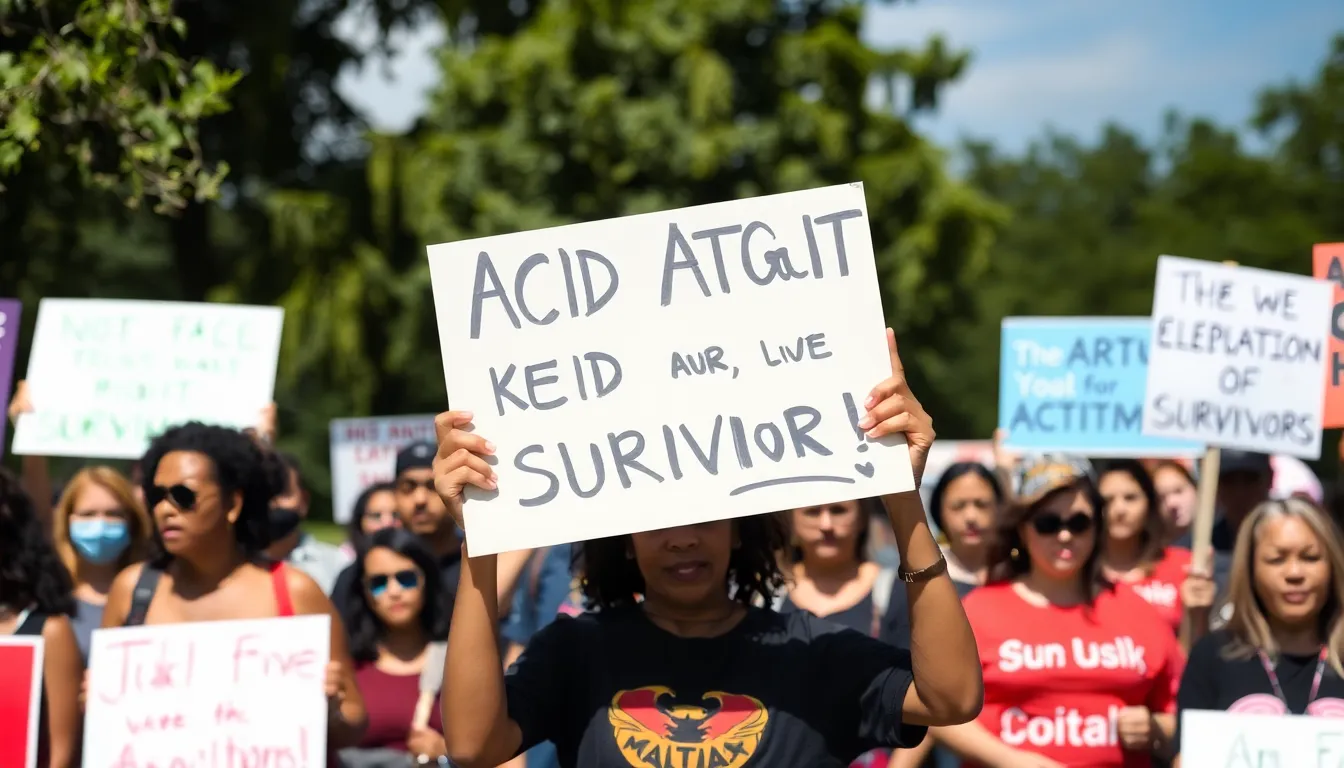
Over the years, various countries have witnessed a rise in acid attacks, prompting public outcry and demands for justice. In countries like Bangladesh and India, the frequency of these attacks has led to increased awareness and advocacy for stricter laws and protections for victims. The legal frameworks in place, however, often lag behind the urgency of the issue, leaving survivors to navigate a complex system that frequently fails to deliver justice.
Key milestones in the fight against acid violence include landmark cases that have garnered national and international attention. For instance, the case of Laxmi Agarwal in India, who became a prominent face of the acid attack survivor movement after she was attacked in 2005, highlighted the need for legal reforms. Her advocacy led to the Supreme Court of India mandating stricter regulations on the sale of acid, marking a significant step towards protecting potential victims and holding perpetrators accountable, similar to advocacy efforts in other regions.
The role of social stigma
Survivors of acid attacks often face severe social stigma, compounding their trauma. Many are ostracized by their communities, treated as outcasts due to their disfigurement. This societal rejection not only affects their mental health but also limits their opportunities for rehabilitation and reintegration into society. Efforts to combat this stigma are critical, as they empower survivors to reclaim their dignity and advocate for their rights.
Key stakeholders involved in the fight for justice and dignity for survivors
The struggle for justice and dignity among acid attack survivors involves a diverse group of stakeholders, each with distinct interests and perspectives. These include survivors themselves, advocacy groups, legal entities, healthcare providers, and government bodies. Understanding the dynamics among these actors is crucial for grasping the complexities of the issue.
Survivors of acid attacks are at the forefront of this fight. Their primary interest lies in obtaining justice for the crimes committed against them, which often includes seeking legal redress and adequate compensation. Additionally, they advocate for societal acceptance and support, aiming to reintegrate into their communities without stigma. Their personal experiences shape the narrative and urgency of the movement.
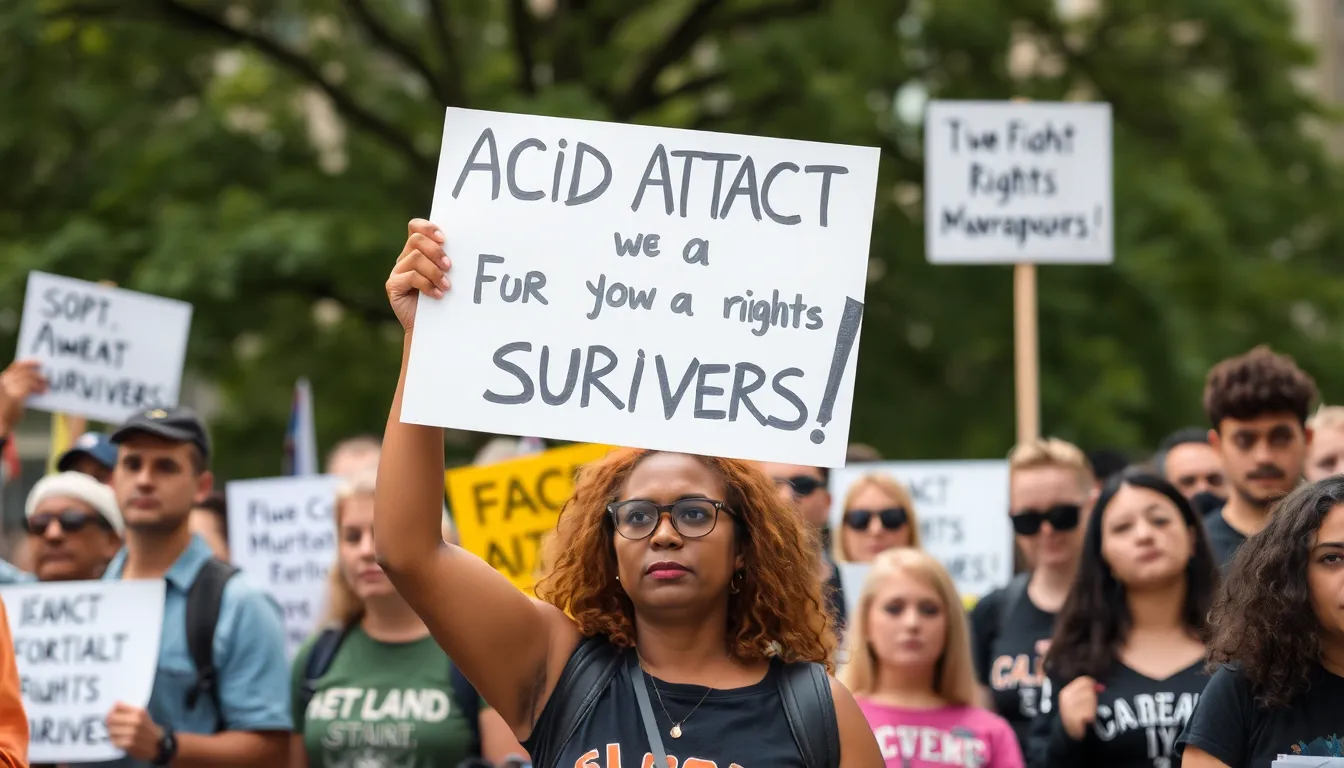
Advocacy organizations play a pivotal role in amplifying the voices of survivors. These groups work to raise awareness, promote legal reforms, and provide resources for survivors. They often face challenges in securing funding and navigating bureaucratic hurdles, which can limit their effectiveness. Their interests align with those of the survivors, but they also seek to influence public policy and societal attitudes towards acid violence.
Legal entities, including law enforcement and the judiciary, are critical in the pursuit of justice. Their interests revolve around enforcing laws, prosecuting offenders, and ensuring that justice is served. However, systemic issues such as corruption, lack of training, and inadequate legal frameworks can hinder their efforts. This often results in survivors facing additional obstacles in their quest for justice.
- Healthcare providers are essential for the physical and psychological rehabilitation of survivors, advocating for improved medical care and support systems.
- Government bodies have a responsibility to create and enforce laws that protect victims and prevent acid attacks, but they may struggle with resource allocation and political will.
- Media plays a crucial role in shaping public perception, but sensationalism can sometimes overshadow the nuanced realities faced by survivors.
The interplay of these stakeholders reveals a complex landscape where conflicts and trade-offs are common. For instance, while advocacy groups push for more stringent laws and societal change, legal entities may be constrained by existing regulations and resources. Moreover, the economic implications of supporting survivorssuch as funding for healthcare and legal assistancepose challenges for governments and organizations alike. Understanding these dynamics is essential for fostering a more supportive environment for acid attack survivors.
The profound effects of acid attacks on survivors and their communities
Acid attacks have devastating effects not only on the survivors but also on their families, communities, and broader society. Survivors often face social stigma, leading to isolation and discrimination. This marginalization impacts their ability to reintegrate into their communities, affecting their mental health and sense of self-worth.
The industries most affected include healthcare, legal services, and social support systems. Survivors require extensive medical treatment, rehabilitation, and psychological support, putting a strain on healthcare resources. Additionally, the legal system faces challenges in prosecuting perpetrators, which can lead to a lack of justice and deter survivors from seeking help.
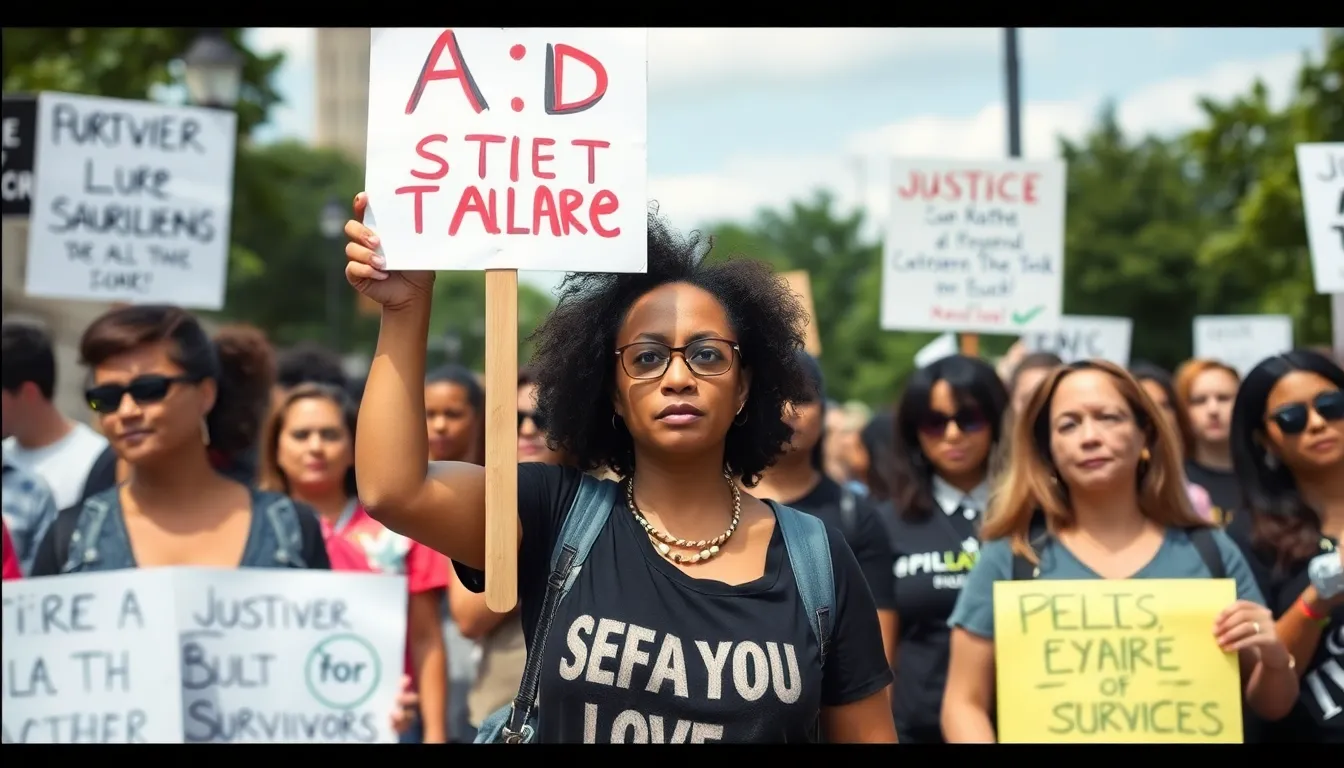
In the short term, survivors may struggle with immediate physical and emotional challenges, including the need for reconstructive surgeries and therapy. This can lead to significant financial burdens on families and communities as they navigate the costs of treatment and loss of income. Mid-term impacts may include changes in local policies regarding violence against women and the need for better support systems for survivors.
- Increased healthcare costs for treatment and rehabilitation.
- Heightened awareness and potential policy changes regarding acid attacks.
- Opportunities for community support programs and advocacy initiatives.
While the risks are significant, there are also opportunities for change. Advocacy for stronger laws against acid attacks can lead to better protection for potential victims. Furthermore, community-based programs can empower survivors, helping them regain their dignity and promote social reintegration.
A: Acid attacks involve the deliberate use of corrosive substances to harm individuals, often stemming from personal disputes or societal issues. They are a form of violence that disproportionately affects women. A: Survivors often face severe physical injuries, psychological trauma, and social stigma, leading to isolation and challenges in reintegrating into society. A: Many countries have laws addressing acid attacks, but enforcement is often weak. Advocacy groups are working to strengthen legal protections and ensure justice for survivors. A: Society can support survivors by raising awareness, providing resources for rehabilitation, and advocating for stronger legal protections and societal acceptance. A: Yes, numerous organizations focus on supporting survivors through legal assistance, medical care, and psychological support to help them rebuild their lives.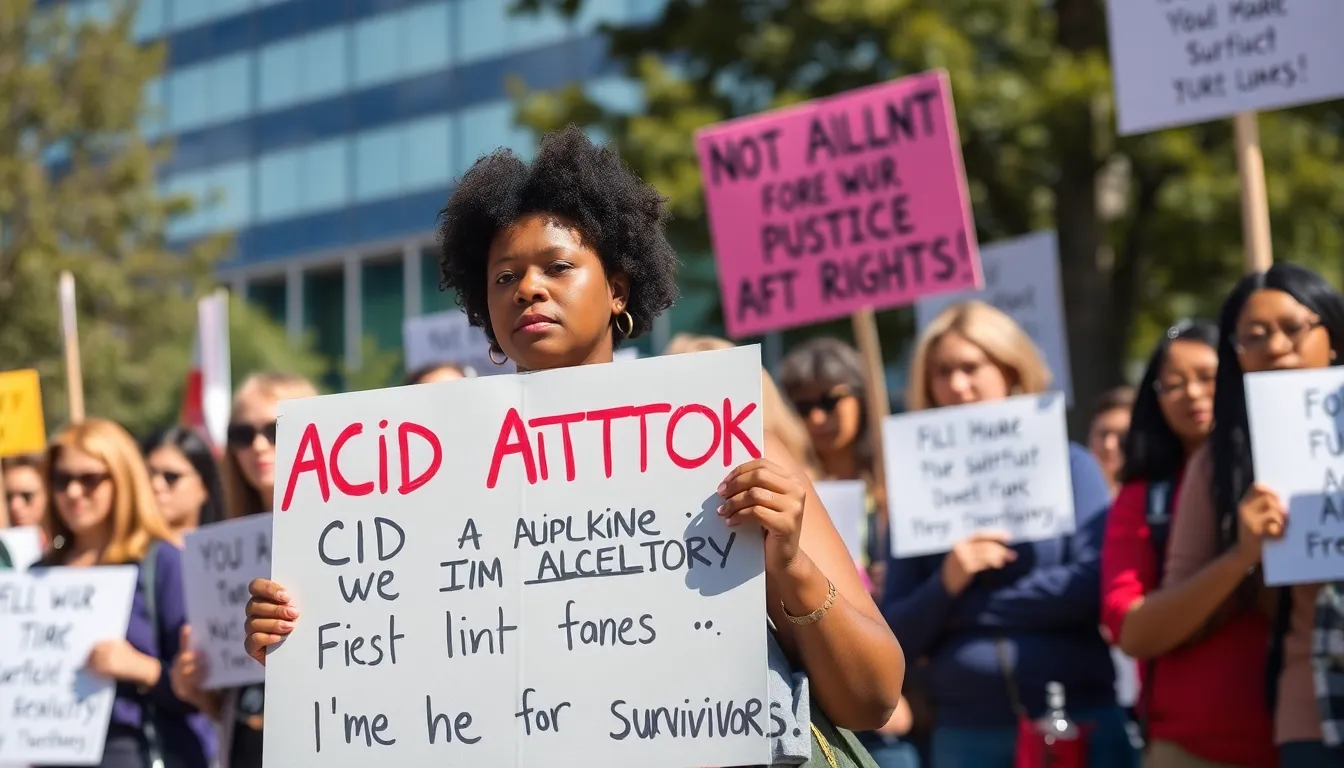
Frequently asked questions about acid attack survivors
Looking ahead: The ongoing fight for justice and societal change
The struggle of acid attack survivors highlights the urgent need for systemic change in both legal frameworks and societal attitudes. As survivors like the featured advocate for their dignity and rights, their stories serve as powerful reminders of the resilience required to confront deep-rooted stigma and discrimination. The intersection of justice, rehabilitation, and public awareness remains critical in addressing the aftermath of such heinous acts.
Moving forward, it is essential to amplify the voices of survivors and ensure that their experiences inform policies aimed at preventing violence and supporting recovery. The collective responsibility of society is to foster an environment where survivors are not treated as outcasts but rather as integral members deserving of respect and support.
- Legal reforms: Advocacy for stricter laws and better enforcement against acid attacks can help deter potential offenders and provide justice for victims.
- Public awareness campaigns: Increasing visibility of survivor stories can challenge societal perceptions and reduce stigma surrounding acid attack victims.
- Support systems: Establishing comprehensive rehabilitation programs is vital for the physical and psychological recovery of survivors.
- Community engagement: Encouraging community involvement in supporting survivors can foster inclusivity and reduce feelings of isolation.
- Collaboration with NGOs: Partnerships with non-governmental organizations can enhance resources and advocacy efforts for survivors’ rights and dignity.