
Several major energy companies, including GreenTech Solar and EcoPower Solutions, successfully secured contracts to develop new solar farms. These projects are expected to contribute to the country’s goal of achieving 50% renewable energy generation by 2030, a target set by the government in its latest energy policy update.
Industry experts note that this surge in solar farm projects not only aligns with environmental objectives but also promises economic benefits. The construction and operation of these facilities are projected to create thousands of jobs and stimulate local economies, particularly in rural areas where many of the farms will be situated.
As the demand for clean energy continues to rise, the outcomes of this auction signify a pivotal moment in the transition towards greener energy solutions. Stakeholders are now closely monitoring the implementation of these projects, which could set a precedent for future auctions and investments in renewable energy infrastructure.
Recommended Articles
Understanding the significance of the renewables auction
The recent record-setting renewables auction marks a pivotal moment in the transition toward sustainable energy sources. Over the past decade, the global push for renewable energy has gained momentum as concerns over climate change and energy security have intensified. Governments worldwide have recognized the need to reduce greenhouse gas emissions, leading to significant investments in solar, wind, and other renewable technologies.
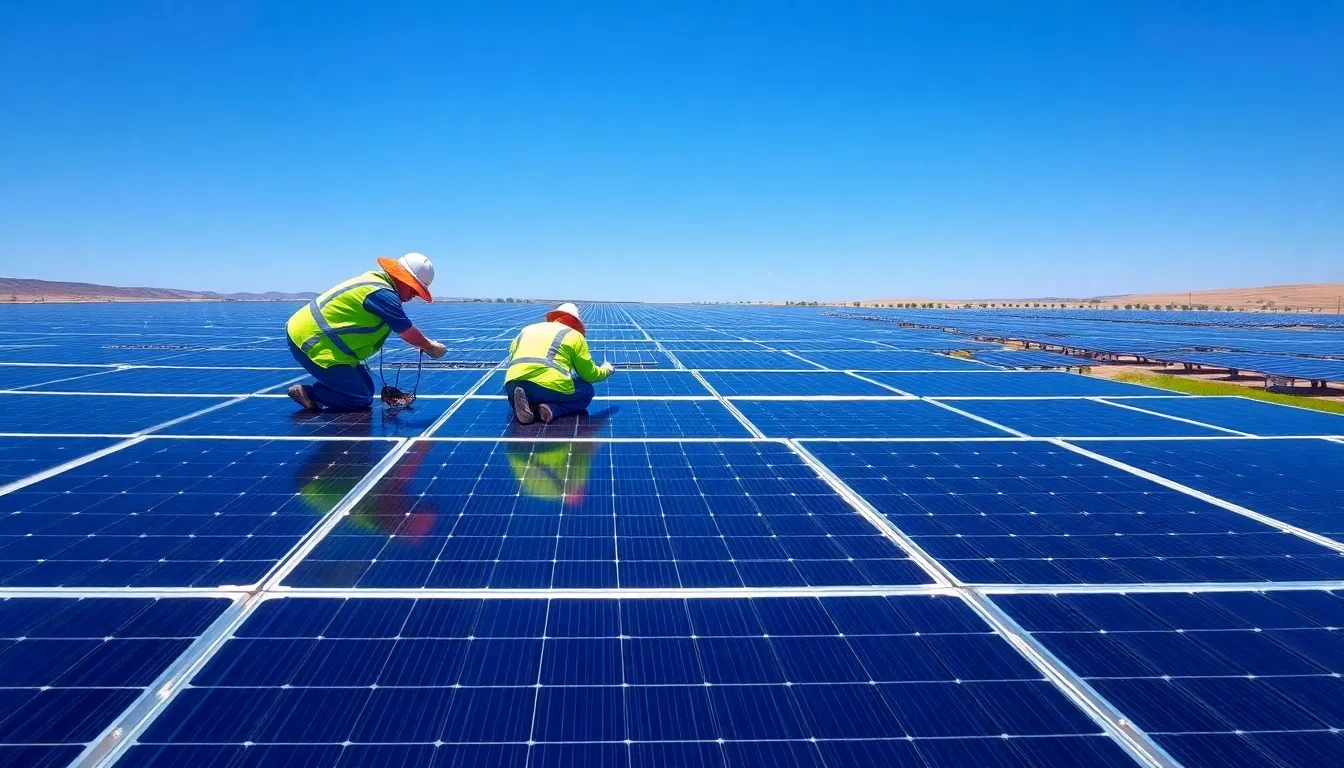
Historically, the adoption of renewable energy has been driven by a combination of technological advancements and policy frameworks. In many countries, feed-in tariffs and renewable portfolio standards have incentivized the development of solar farms and wind projects. The introduction of these policies has not only encouraged private investment but has also fostered competition, driving down costs and making renewable energy more accessible to consumers.
Economically, the transition to renewables has significant implications. The renewable energy sector has become a major source of job creation, with millions employed in various capacities, from manufacturing to installation. As countries aim to meet their climate targets, the demand for clean energy solutions is expected to grow, further solidifying the economic case for solar farms and other renewable projects.
Key milestones in renewable energy development
Several milestones have shaped the current landscape of renewable energy. The 2015 Paris Agreement was a turning point, as nations committed to limiting global warming and enhancing their climate action plans. This international commitment led to increased funding for renewable projects and more ambitious targets for clean energy adoption. Additionally, the technological advancements in solar panel efficiency and energy storage have made solar farms more viable and cost-effective, paving the way for the recent auction’s success.
Key stakeholders and their roles in the solar expansion
The recent record renewables auction has attracted a variety of stakeholders, each with distinct interests and influences in the solar farm expansion. Key players include government bodies, private developers, environmental organizations, and local communities. Understanding their roles and perspectives is crucial for grasping the broader implications of increased solar energy deployment.
Government entities, such as national and local regulatory agencies, are primarily focused on meeting renewable energy targets and reducing carbon emissions. They play a vital role in setting policies that incentivize solar development, including tax credits and subsidies. However, they must also balance these objectives with land use regulations and community interests, often leading to complex negotiations.
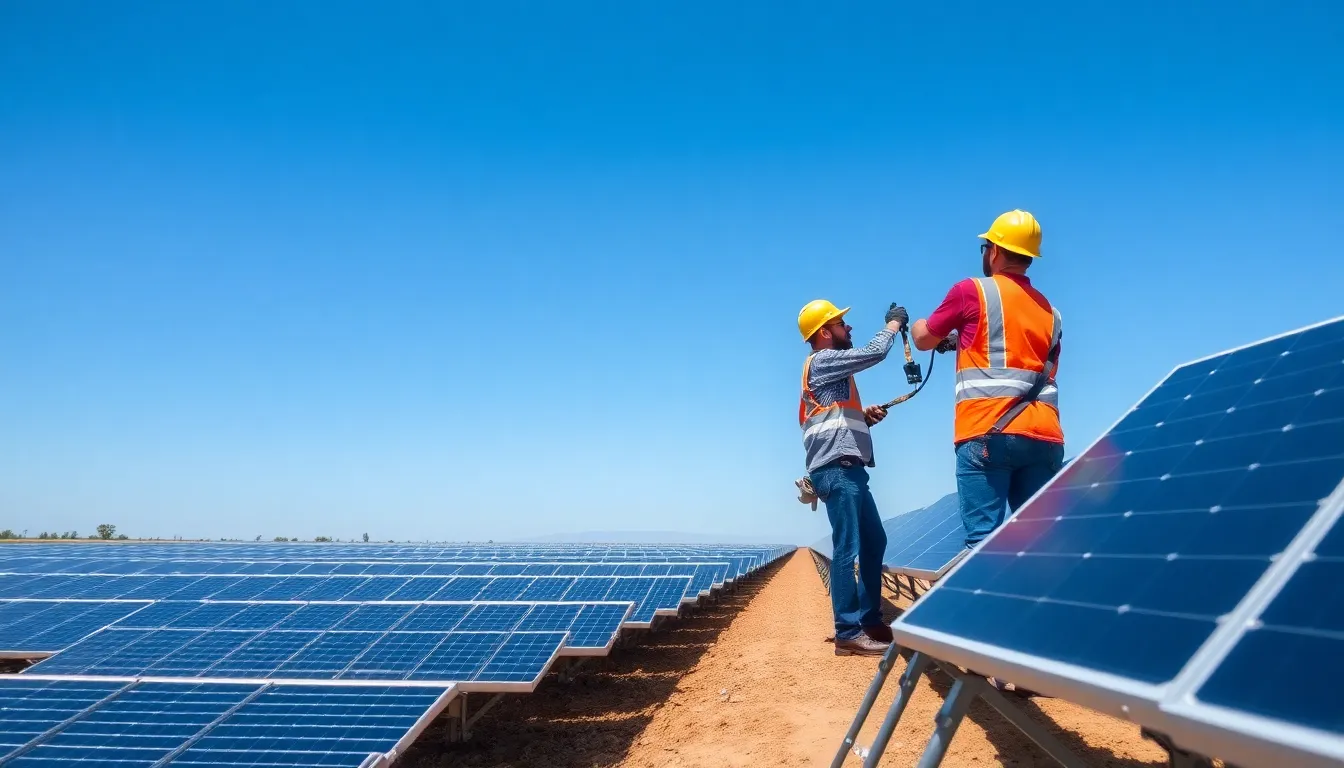
Private developers are driven by profit motives and the growing demand for clean energy solutions. They invest in solar projects, often seeking to secure land leases and financing. Their interests may conflict with local communities, particularly if projects are perceived to disrupt land use or local ecosystems. As such, developers must navigate public relations challenges and engage in community outreach to mitigate opposition.
Environmental organizations advocate for sustainable practices and the protection of biodiversity. They often scrutinize solar projects to ensure they do not harm sensitive habitats or contribute to social inequities. Their involvement can lead to increased regulatory scrutiny and may require developers to adopt more environmentally friendly practices, creating a trade-off between economic viability and ecological responsibility.
- Government policies can drive investment but may face local opposition.
- Private developers must balance profitability with community concerns.
- Environmental groups can influence project designs to enhance sustainability.
- Local communities may seek benefits from solar projects, such as job creation.
- Legal challenges can arise over land use and environmental impacts.
How the new solar farms will affect local communities and the market
The recent record renewables auction has set the stage for a significant increase in solar farm development across various regions. Local communities, particularly in rural areas, will be directly impacted as new solar installations are built. This shift not only affects the landscape but also brings opportunities and challenges to the residents and local businesses.
One of the most immediate effects will be on employment. The construction and maintenance of solar farms will create jobs in engineering, construction, and operations. Local contractors and suppliers may also see a boost in demand, leading to short-term economic growth in these sectors. However, this influx of jobs may not be evenly distributed, potentially leading to disparities between urban and rural areas.
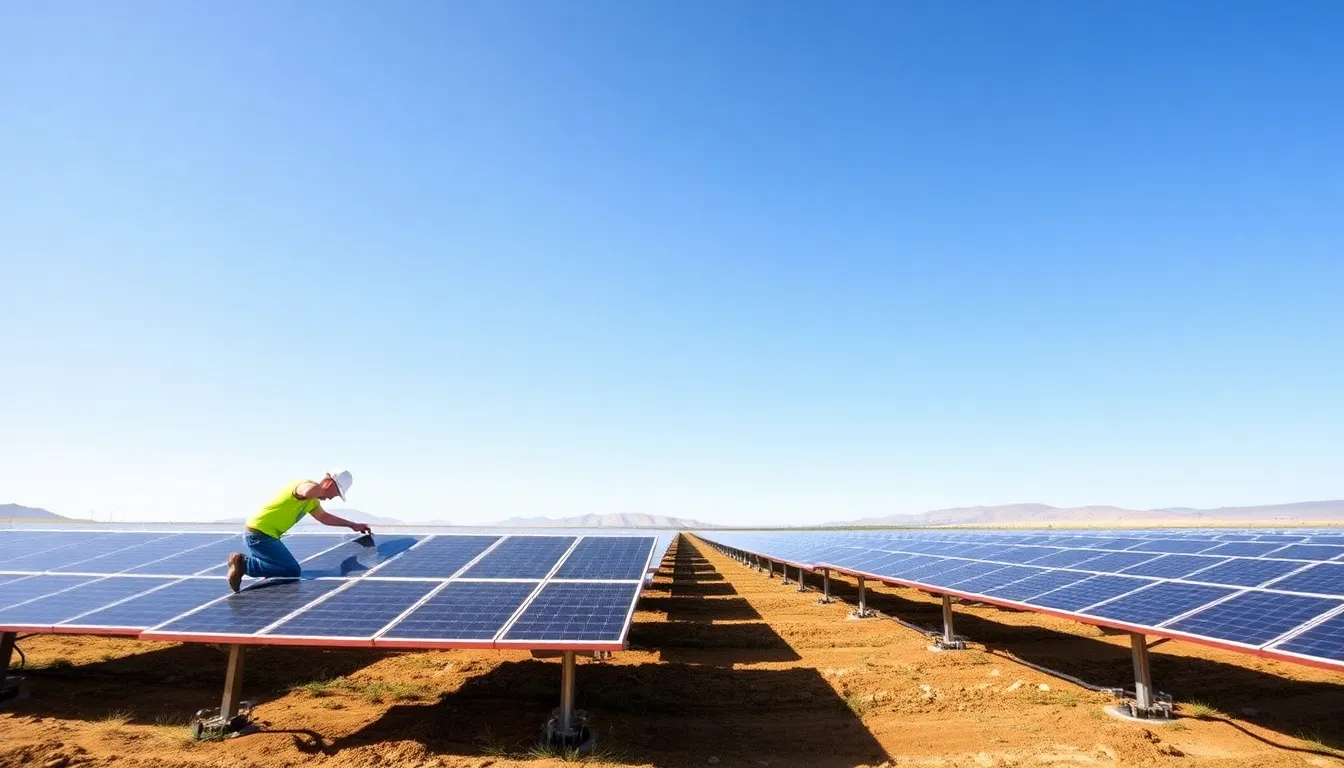
In the mid-term, the increased reliance on solar energy can lead to lower electricity costs for consumers and businesses alike. As more renewable energy sources come online, competition in the energy market may drive prices down, benefiting households and small businesses. However, this shift may also disrupt traditional energy sectors, including fossil fuel industries, leading to job losses and economic challenges for those dependent on these sectors.
- Job Creation: Increased employment opportunities in construction and maintenance.
- Lower Energy Costs: Potential for reduced electricity bills for consumers.
- Economic Disparities: Uneven job distribution may widen the gap between urban and rural economies.
- Industry Disruption: Traditional energy sectors may face decline, impacting local economies.
Moreover, there are environmental considerations to take into account. While solar energy is a cleaner alternative, the land use for solar farms may affect local ecosystems and agriculture. Policymakers will need to balance the benefits of renewable energy with the potential risks to land use and biodiversity. This may lead to new regulations and zoning laws that could impact future development and community planning.
A: The recent renewables auction aims to increase the capacity of renewable energy sources, particularly solar, to meet growing energy demands and reduce carbon emissions. A: The auction results indicate that several new solar farms will be developed, although the exact number will depend on project approvals and funding. A: Key stakeholders include government agencies, private investors, energy companies, and local communities that will host the solar farms. A: The introduction of more solar farms is expected to lower energy prices in the long run by increasing competition and diversifying the energy supply. A: While solar farms provide clean energy, there may be concerns regarding land use and habitat disruption, which need to be addressed through careful planning.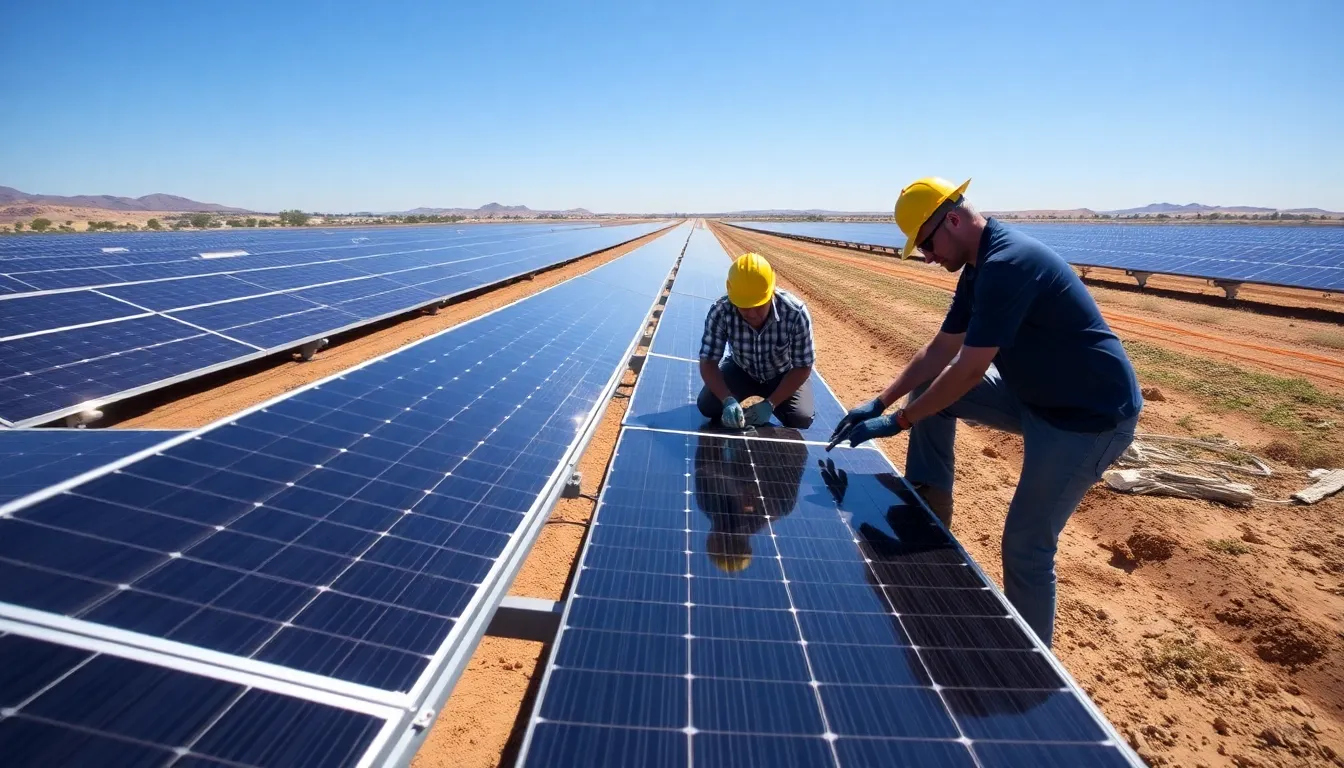
Frequently asked questions about the solar farm developments
Future outlook on solar energy expansion and its implications
The recent record renewables auction signals a pivotal shift in the energy landscape, emphasizing the growing commitment to solar energy. With an increasing number of solar farms on the horizon, stakeholders must consider the broader implications for energy production, environmental sustainability, and economic growth. This expansion is not just about meeting current energy demands; it represents a strategic move towards a more resilient and sustainable energy future.
As solar energy becomes more prevalent, it is essential to monitor the evolving regulatory frameworks, technological advancements, and market dynamics that will shape this sector. The collaboration between government entities and private investors will be crucial in facilitating this transition, ensuring that the benefits of renewable energy are maximized for both consumers and the environment.
- Increased investment in solar technology may lead to cost reductions, making solar energy more accessible for consumers and businesses.
- Watch for potential policy changes that could incentivize further development of solar infrastructure and integration into the grid.
- Local economies may see growth in job opportunities related to solar installation and maintenance, fostering community engagement in renewable energy initiatives.
- As solar farms proliferate, the importance of sustainable land use practices will be critical to mitigate environmental impacts.
- Monitoring advancements in energy storage solutions will be essential, as they will determine the reliability and efficiency of solar energy systems.