
The helmet in question displays the names of Ukrainian soldiers who lost their lives since the invasion began in February 2022. The IOC’s ruling has raised questions about the organization’s policies on political statements and the rights of athletes to honor their country and its heroes. While the IOC aims to maintain neutrality in sports, many argue that this ban undermines the personal expressions of athletes affected by conflict. For more on political expressions in sports, see our article on betting on catastrophic events.
This incident is part of a broader trend where sports organizations grapple with the implications of political statements made by athletes. The IOC has previously faced criticism for its handling of protests and expressions of solidarity, particularly in relation to the ongoing war in Ukraine. As the Olympics approach, the debate surrounding the role of athletes as advocates for social and political causes continues to intensify.
<pSupporters of the Ukrainian athlete have expressed their disappointment over the IOC's decision, viewing it as a dismissal of the sacrifices made by those in the conflict. They argue that recognizing such sacrifices is essential not only for the athletes but also for the broader public consciousness about the ongoing war. With the global spotlight on the Olympics, this situation highlights the complexities of nationalism, identity, and the role of sports in times of crisis.
Understanding the background of the helmet controversy
The recent decision by Olympic officials to ban a Ukrainian athlete’s helmet, which honors fallen soldiers in the ongoing conflict with Russia, has sparked widespread debate. This incident is rooted in the complex historical and political landscape that has characterized Ukraine’s relationship with Russia, particularly since the annexation of Crimea in 2014 and the subsequent conflict in Eastern Ukraine. The helmet, adorned with symbols and messages commemorating war dead, reflects a nation’s struggle for sovereignty and identity amidst ongoing aggression. For further insights into the geopolitical tensions, read about Venezuela’s current political climate.
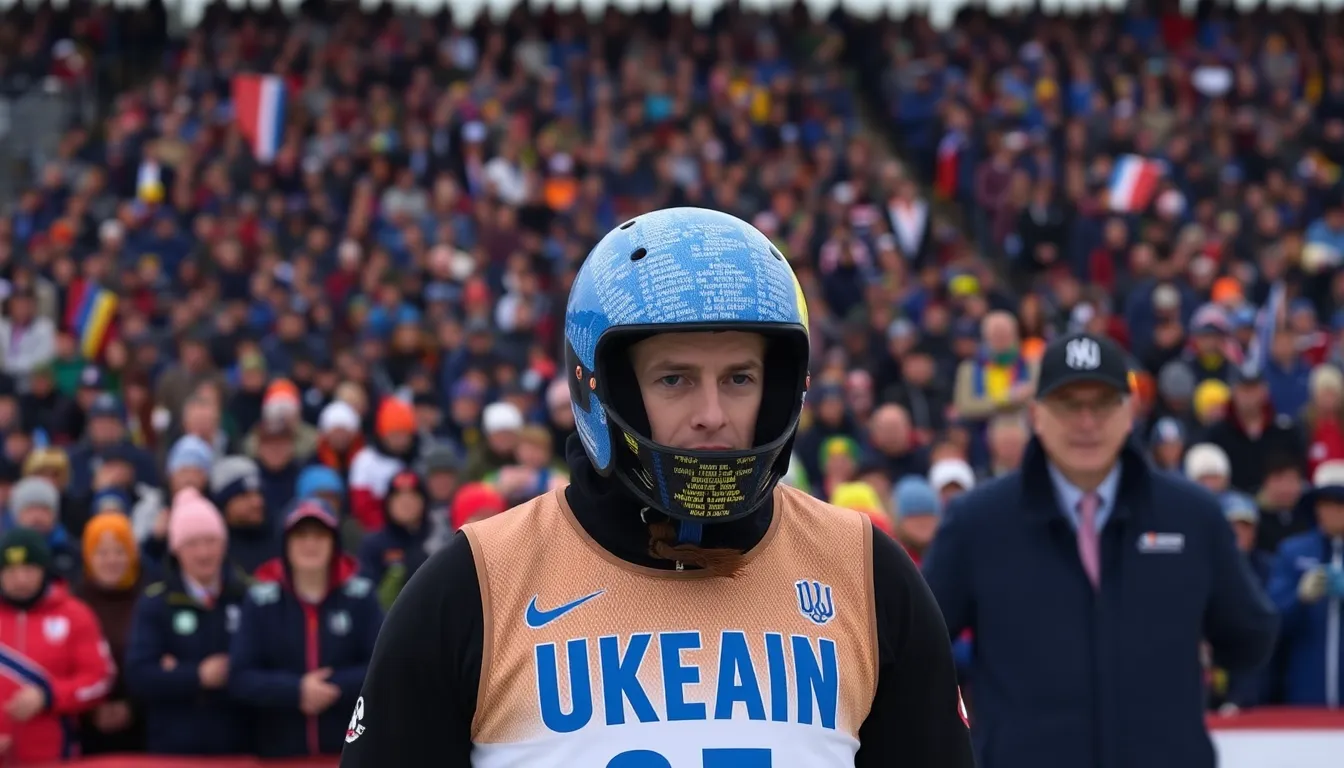
Ukraine has faced significant challenges in its pursuit of independence and territorial integrity. The conflict with Russia has not only resulted in loss of life but has also fostered a strong sense of national pride and resilience among Ukrainians. The government and citizens alike have sought to honor those who have sacrificed their lives in defense of the country. As a result, symbols of remembrance have become an integral part of Ukrainian culture, especially in the context of international events like the Olympics.
The role of international sports in political expression
International sporting events have historically served as platforms for political expression and national representation. Athletes often use their visibility to raise awareness about social and political issues. In this case, the Ukrainian athlete’s helmet can be seen as an extension of that tradition, aiming to shed light on the sacrifices made by their compatriots. However, the Olympic Charter emphasizes neutrality and the avoidance of political statements during competitions, leading to a clash between personal expression and official regulations. For a historical context, check out our coverage on significant financial events that shaped the world.
This incident is not unprecedented; similar controversies have arisen in the past involving athletes and their political statements. For instance, the 1968 Olympics saw American sprinters Tommie Smith and John Carlos raise their fists in a Black Power salute, which led to significant backlash but also ignited discussions on civil rights. The current situation with the Ukrainian helmet reflects ongoing tensions between national pride and the regulations imposed by international sporting bodies.
As the world watches, the implications of this ban extend beyond the realm of sports, touching on themes of nationalism, remembrance, and the intersection of politics with athletic competition. The decision has ignited a conversation about how the Olympic Games can navigate these complex issues while maintaining their foundational ethos of peace and unity.
Examining the stakeholders and key issues surrounding the ban
The recent decision by Olympic officials to ban a Ukrainian athlete’s helmet that honors war dead has sparked significant debate among various stakeholders. Key actors in this situation include the International Olympic Committee (IOC), Ukrainian athletes, national governments, and advocacy groups focused on human rights and sportsmanship.
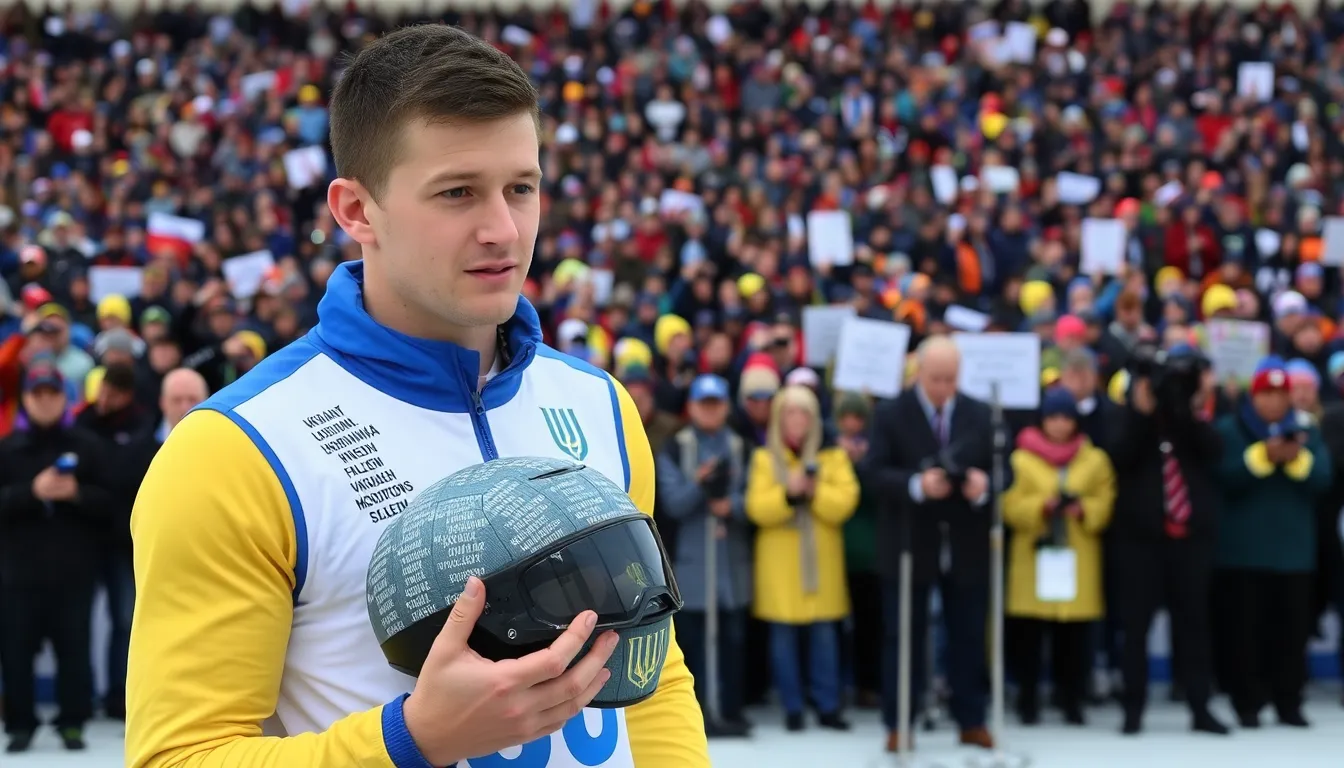
The International Olympic Committee, responsible for overseeing the Olympic Games, aims to uphold the principles of neutrality and inclusivity. Their interest lies in maintaining a politically neutral environment during the Games, which they argue is essential for the spirit of international competition. This ban raises questions about the balance between honoring national sentiments and adhering to IOC regulations.
Ukrainian athletes and their supporters, on the other hand, view the helmet as a poignant symbol of remembrance and national pride amidst ongoing conflict. For them, the ban represents not only a personal affront but also a broader disregard for the sacrifices made by their country. This creates a conflict between individual expression and the IOC’s regulations, highlighting the emotional stakes involved.
- Legal Considerations: The IOC’s rules may conflict with national laws or sentiments, raising questions about the legality of enforcing such bans.
- Economic Implications: The decision could impact sponsorship and funding for Ukrainian athletes, as public backlash may lead to decreased support.
- Public Perception: How the ban is perceived globally could influence the IOC’s reputation and future governance of the Games.
- Human Rights Advocacy: Organizations advocating for human rights may use this incident to highlight the intersection of sports and political expression.
As the situation evolves, it is crucial to consider how these stakeholders interact and the potential consequences of the IOC’s decision. The intersection of sports, politics, and personal expression continues to challenge the traditional boundaries of the Olympic movement.
The impact of the ban on athletes and the broader sports community
The recent decision by Olympic officials to ban a Ukrainian athlete’s helmet, which honors fallen soldiers, has significant implications for various groups and sectors. Primarily, athletes from Ukraine and other nations affected by conflict may feel marginalized, as this ban highlights the ongoing struggles they face beyond the sporting arena. The broader sports community, including fans and organizations advocating for peace and solidarity, may also experience a sense of disillusionment.
In the short term, this ban could lead to heightened tensions among athletes and officials, particularly those from countries experiencing geopolitical conflicts. Athletes may feel pressured to navigate their national identities and the associated political narratives while competing. The ban may also impact sponsorship deals, as brands that support athletes may reconsider their associations based on public response and the political climate.

In the mid-term, the implications could extend to international sports policies and regulations. National Olympic committees may reassess their stances on political expression within sports, potentially leading to new guidelines or protests. Additionally, the incident may spark discussions about the role of sports in political discourse, affecting how future events are organized and perceived.
- Risks: Increased tensions among athletes, potential backlash from fans, and reconsideration of sponsorships.
- Opportunities: A chance for advocacy groups to push for more inclusive policies, and potential collaborations to promote peace through sports.
Regions directly impacted, particularly Eastern Europe, may see a shift in how sports events are conducted and the narratives they promote. The perception of athletes as political representatives could lead to a more profound understanding of the intersection between sports and social issues, encouraging a more supportive environment for athletes from conflict zones.
A: The helmet was banned due to concerns that it could be seen as a political statement, which goes against the Olympic Charter’s rules on political expression. A: The helmet symbolizes honor and remembrance for Ukrainian soldiers who have died in the ongoing conflict, reflecting the athlete’s personal beliefs. A: Reactions have been mixed, with some supporting the ban for maintaining neutrality in sports, while others criticize it as a suppression of personal expression. A: The athlete may face disciplinary actions from the Olympic committee, and the incident could impact their participation in future events. A: Generally, political expression is restricted in the Olympics to maintain a neutral environment, but there are ongoing debates about its relevance in today’s context.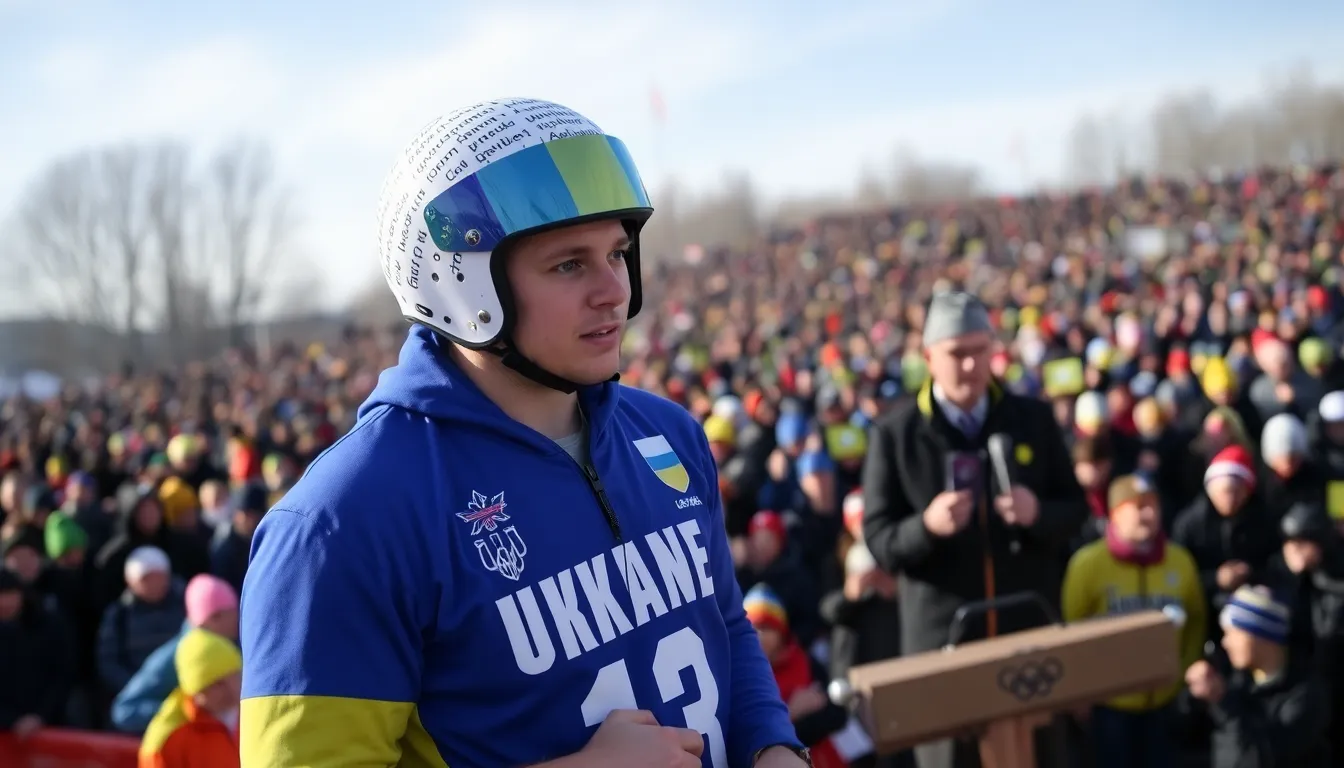
Frequently asked questions about the helmet ban
Key takeaways and future implications of the helmet ban
The recent decision by Olympic officials to ban the Ukrainian athlete’s helmet, which honors war dead, raises significant questions about the intersection of sports, politics, and national identity. This incident not only highlights the ongoing tensions surrounding the conflict in Ukraine but also reflects broader issues regarding the expression of national sentiments in international sporting events. As the Olympic Games continue to evolve, the implications of this ban may influence how athletes choose to express their identities and causes on the global stage.
Looking ahead, it will be crucial to monitor how this decision impacts athlete activism, national representation, and the policies of international sporting bodies. The reactions from other nations and athletes could shape future regulations and the overall atmosphere of the upcoming games.
- The response from Ukrainian officials and athletes may galvanize further discussions on the role of sports in political expression.
- Other nations may take similar stances, leading to a potential ripple effect in how symbols of national identity are treated in international competitions.
- The incident could prompt a reevaluation of existing guidelines concerning political statements in sports, potentially leading to clearer policies.
- Increased scrutiny on Olympic officials’ decisions may affect their credibility and the perceived neutrality of the Games.
- Future events may see athletes finding innovative ways to honor their causes without violating regulations, pushing the boundaries of expression in sports.