
The Pakistani military has launched a series of operations targeting suspected hideouts of the Baloch separatists in response to these unprecedented assaults. As part of these efforts, airstrikes and ground operations have been reported in areas known for separatist activity, particularly around the districts of Kech and Panjgur. The government has emphasized its commitment to restoring order and ensuring the safety of its citizens, while also aiming to dismantle the operational capabilities of these militant groups.
International observers have noted that the recent violence highlights the deep-rooted grievances in Balochistan, where issues such as political marginalization, economic neglect, and human rights abuses have fueled discontent. The situation is further complicated by the involvement of various militant factions, each with differing agendas and levels of support, which complicates the prospects for a unified response from the Pakistani state.
The escalation of violence and the military’s countermeasures have raised alarms among human rights organizations, who warn that heavy-handed tactics could exacerbate tensions and lead to further civilian casualties. As the situation develops, the Pakistani government faces the dual challenge of addressing security concerns while also engaging with the underlying issues that drive the separatist sentiment in Balochistan.
Understanding the historical context of Balochistan separatism
Balochistan, the largest province of Pakistan by land area, has a complex history marked by a struggle for autonomy and recognition. The roots of separatism in the region can be traced back to the post-colonial era when the British Raj ended, leading to the creation of Pakistan in 1947. The Baloch people, who have a distinct ethnic identity and cultural heritage, found themselves in a newly formed state where their aspirations for self-determination were largely overlooked.
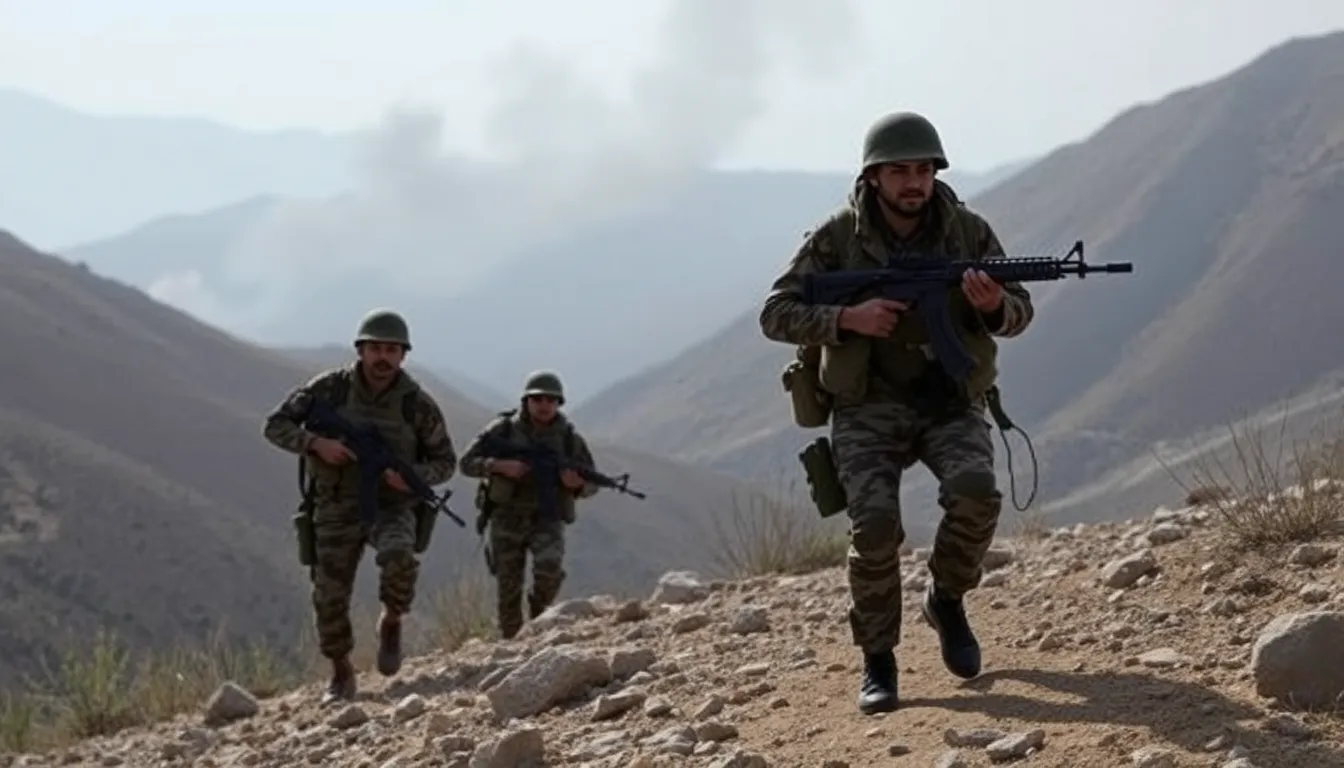
The province is rich in natural resources, including gas and minerals, yet it remains one of the least developed regions in Pakistan. This economic disparity has fueled discontent among Baloch nationalists who argue that the central government exploits Balochistan’s resources without providing adequate benefits or development to the local population. Over the decades, this perceived marginalization has led to a series of uprisings and violent confrontations between Baloch separatists and the Pakistani military, drawing international attention to the ongoing conflict.
Key Milestones in Balochistan’s Struggle
Several key events have shaped the current landscape of Balochistan separatism. The first major insurgency occurred in 1948 when the Khan of Kalat, a prominent Baloch leader, declared independence shortly after Pakistan’s formation. This was swiftly crushed by the Pakistani military. Subsequent uprisings took place in the 1970s, notably under the leadership of nationalist leader Nawab Akbar Bugti, culminating in a brutal military operation that further alienated the Baloch population.
In recent years, the situation has escalated, particularly with the rise of various militant groups advocating for Baloch rights. The killings of prominent Baloch activists and the heavy-handed military responses have led to a cycle of violence that has drawn international attention. The Pakistani government’s recent focus on targeting separatist groups is seen as a response to what officials term ‘unprecedented’ assaults on state security forces, indicating a shift in strategy amid growing domestic and international pressure.
Examining the stakeholders involved in the Balochistan conflict
The Balochistan conflict in Pakistan is a complex issue involving multiple stakeholders, each with their own interests and motivations. The primary actors include the Pakistani government, Baloch nationalist groups, local communities, and international observers. Understanding the dynamics between these groups is crucial for comprehending the ongoing violence and the government’s recent military actions.
The Pakistani government, led by the military and political leadership, aims to maintain territorial integrity and suppress separatist movements. Their interest lies in asserting control over Balochistan, a resource-rich province, which is vital for national development and security. The government views Baloch separatists as a significant threat to stability, particularly in light of recent unprecedented assaults that have prompted a stronger military response.
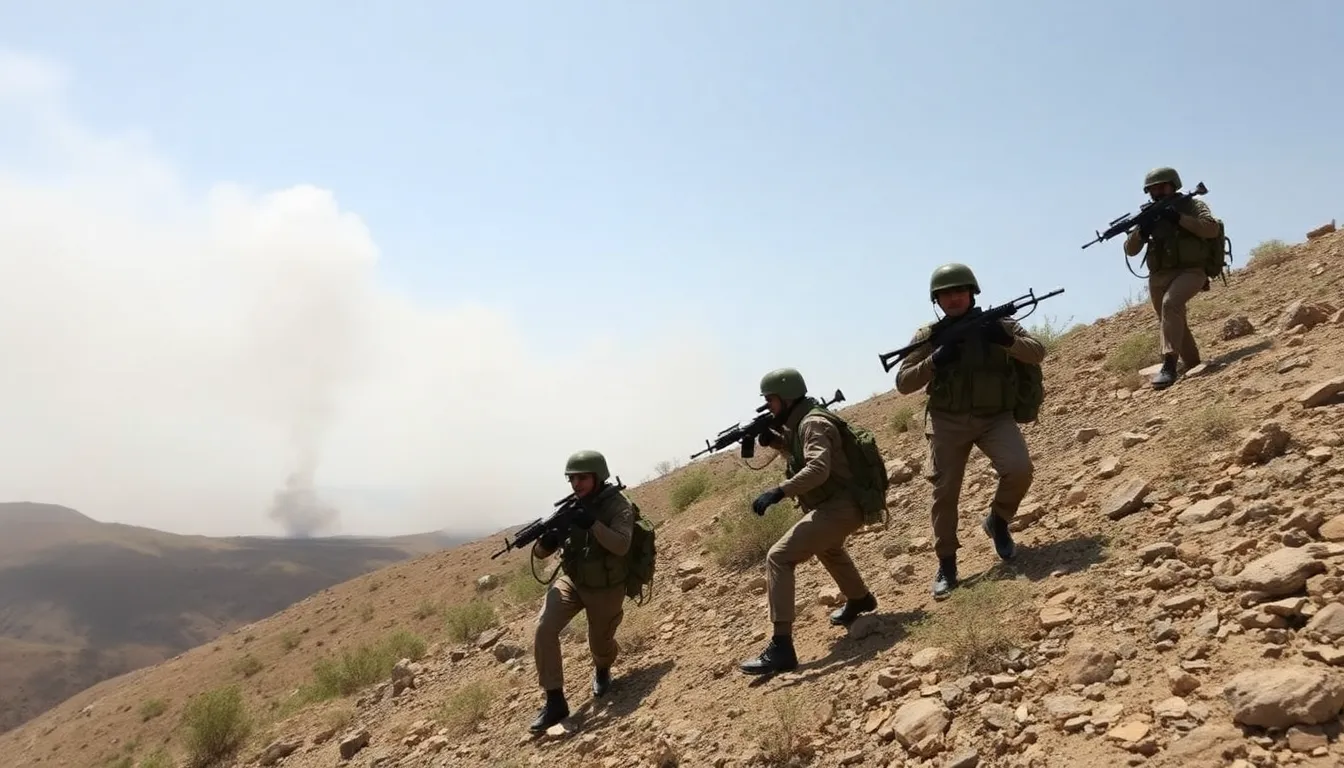
Baloch nationalist groups, on the other hand, seek greater autonomy and recognition of their rights. These groups argue that the central government has historically marginalized the Baloch people, leading to economic deprivation and social injustice. Their key issues include demands for resource control, political representation, and an end to military operations in the region. The tension between these groups and the state often escalates into violence, creating a cycle of conflict.
- Resource Control: Balochistan is rich in natural resources, including gas and minerals, which are often exploited without adequate benefit to local communities.
- Political Representation: Baloch nationalists demand a greater voice in provincial governance and decision-making processes.
- Human Rights Concerns: Allegations of human rights abuses by security forces exacerbate the conflict and fuel resentment among the Baloch population.
- International Attention: The conflict draws interest from international human rights organizations and neighboring countries, complicating the domestic narrative.
Local communities in Balochistan are caught in the crossfire, facing the dual pressures of military operations and separatist violence. Many civilians are affected by the instability, with significant implications for their daily lives, economic opportunities, and security. The lack of development and infrastructure in the region further fuels grievances against the state.
International stakeholders, including human rights organizations and foreign governments, also play a role in the conflict. They often advocate for the rights of the Baloch people and call for peaceful resolutions. However, their involvement can sometimes be perceived as interference by the Pakistani government, leading to heightened tensions and accusations of external meddling in national affairs.
The impact of military actions on local communities and security
The recent military actions targeting Balochistan separatists have profound implications for various groups within the region. Primarily, local communities, including families and businesses, are directly affected by the heightened security measures and the ongoing conflict. The instability may lead to an increase in displacement as residents flee from conflict zones, disrupting their daily lives and livelihoods.
Industries such as agriculture and mining, which are crucial to Balochistan’s economy, face immediate challenges. Short-term disruptions in production and supply chains are likely as security operations may restrict movement and access to resources. Furthermore, businesses may experience a decline in consumer confidence, leading to reduced spending and investment in the region.
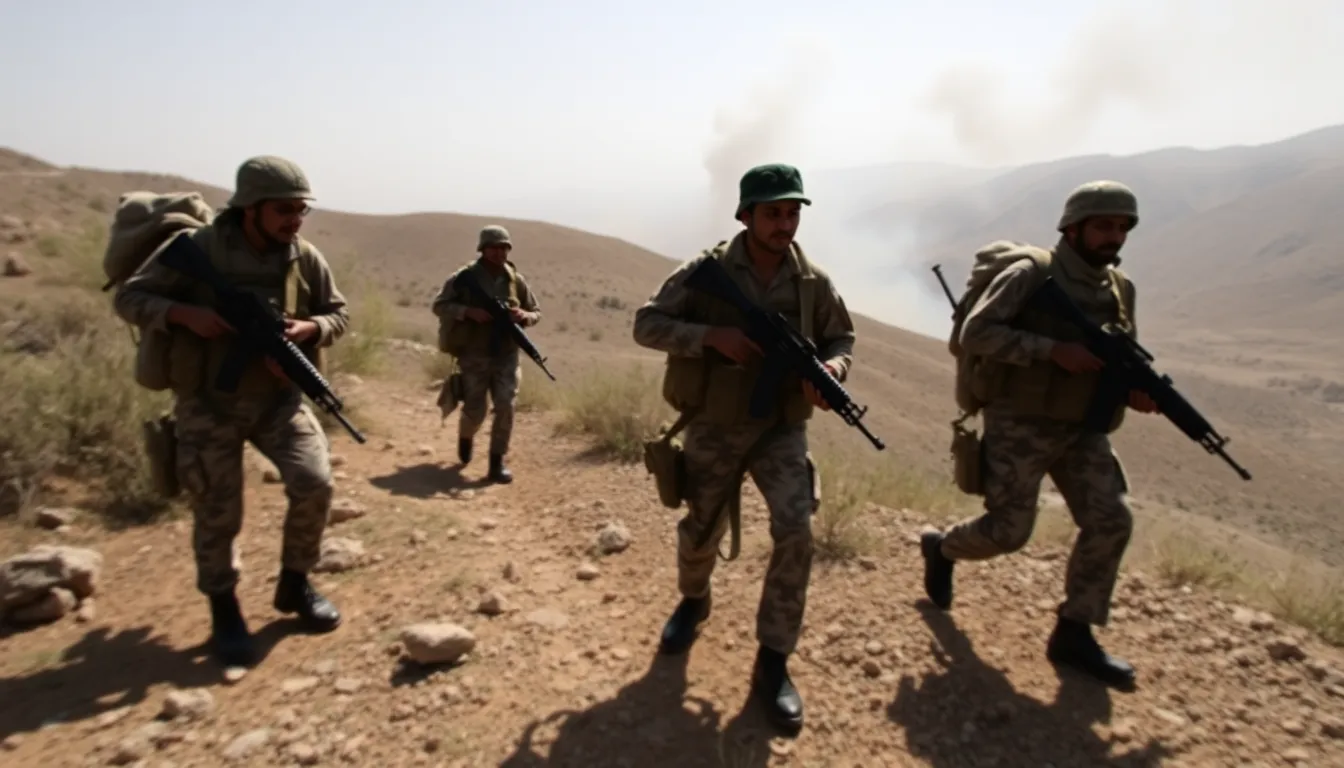
In the mid-term, the ongoing conflict could reshape local policies, with increased military presence potentially leading to a more militarized society. This shift may result in stricter regulations and oversight, impacting daily life and civil liberties for residents. Additionally, the focus on security may divert resources from essential services like education and healthcare, exacerbating existing challenges in these sectors.
- Displacement of local communities due to conflict and military operations.
- Disruption of local industries, particularly agriculture and mining, affecting economic stability.
- Increased military presence leading to changes in local governance and civil liberties.
- Potential opportunities for security and defense sectors as government spending may increase.
While the immediate risks are significant, there may also be opportunities for dialogue and peacebuilding initiatives in the long run. If the government can effectively address the underlying grievances of the Balochistan populace, it could lead to a more stable environment conducive to investment and development, ultimately benefiting the region’s economy.
A: The recent unprecedented assaults by separatists have escalated security concerns, prompting Pakistan to intensify military operations to restore order. A: The separatists primarily seek greater autonomy and control over local resources, driven by historical grievances against the central government. A: The international community has expressed concern over human rights issues and the need for a peaceful resolution to the conflict. A: Increased military action could lead to further unrest, displacement of civilians, and heightened tensions between the government and local populations. A: As of now, there are no significant peace talks reported, as the government focuses on military solutions to the escalating violence.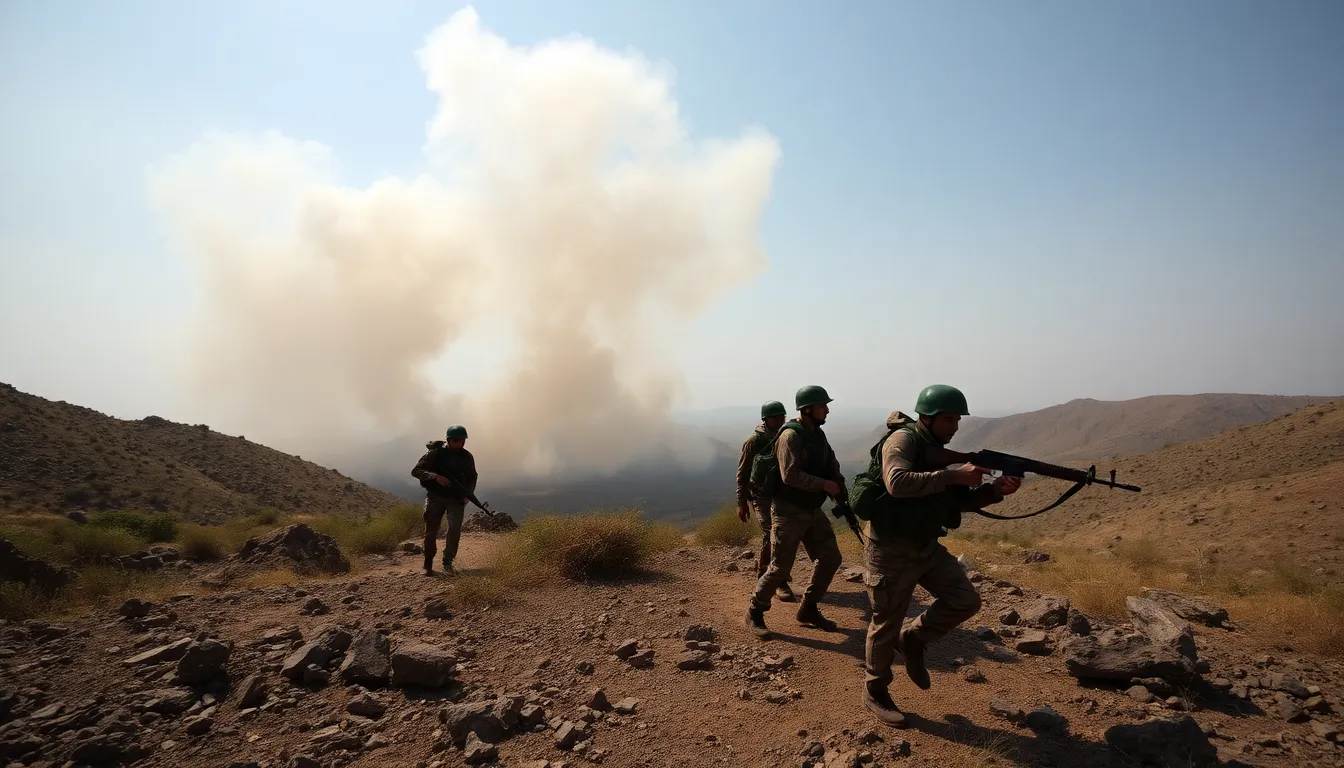
Frequently asked questions about the Balochistan situation
Key takeaways and future outlook on Balochistan tensions
The recent surge in violence attributed to Balochistan separatists marks a significant escalation in the region’s long-standing conflict. The Pakistani government’s intensified military operations signal a shift in strategy, aiming to suppress these separatist movements more aggressively. This situation not only affects local dynamics but also has broader implications for national security and regional stability.
As the government ramps up its efforts to combat separatism, it will be crucial to monitor the responses from various stakeholders, including local communities, political factions, and international observers. The potential for increased unrest or a shift in separatist tactics could reshape the landscape in Balochistan and beyond.
- Increased military presence: Expect a rise in military operations in Balochistan, which may lead to heightened tensions and potential civilian unrest.
- Impact on local governance: The focus on military solutions could overshadow political dialogue, affecting local governance and development initiatives.
- International scrutiny: The situation may attract more attention from international human rights organizations, calling for accountability and urging peaceful resolutions.
- Community responses: Local communities may react variably, with some supporting the government’s actions while others may feel marginalized, potentially fueling further dissent.
- Long-term implications: The outcomes of these military operations could set a precedent for how the government handles separatist movements in the future, influencing policy decisions across Pakistan.