
Central to India’s success was 14-year-old prodigy Suryavanshi, who scored an impressive 175 runs, significantly contributing to the team’s total. His performance not only highlighted his potential as a future star but also solidified India’s reputation as a powerhouse in junior cricket, having won the tournament for the fifth time.
The match was marked by intense competition, with England putting up a strong fight but ultimately falling short. India’s bowlers played a crucial role in restricting England’s scoring, ensuring that their batting efforts were backed by effective defense.
This victory is significant as it reflects the ongoing development of young talent in Indian cricket, which has been a focal point for the country’s cricketing future. The win not only boosts the confidence of the players but also inspires the next generation of cricketers in India.
Recommended Articles
- Crown Princess's Son Testifies Emotionally in Rape Trial
- The Breakdown on the significance of the Six Nations in a pivotal year for rugby union
- Man City secured victory so is the WSL title race concluded
- KPop Demon Hunters Golden makes history at the Grammy Awards
- Teen swims hours to save family stranded off Australian coast
- Crown Princess's Son Testifies Emotionally in Rape Trial
- The Breakdown on the significance of the Six Nations in a pivotal year for rugby union
- Man City secured victory so is the WSL title race concluded
- KPop Demon Hunters Golden makes history at the Grammy Awards
- Teen swims hours to save family stranded off Australian coast
Understanding the significance of the U19 World Cup
The ICC Under-19 Cricket World Cup is one of the most prestigious tournaments in youth cricket, showcasing the talents of young cricketers from around the globe. Established in 1988, the tournament has been a platform for emerging players to demonstrate their skills on an international stage, often serving as a springboard for future cricketing stars. Countries like India, Australia, and Pakistan have historically dominated the tournament, highlighting the competitive nature and high stakes involved.
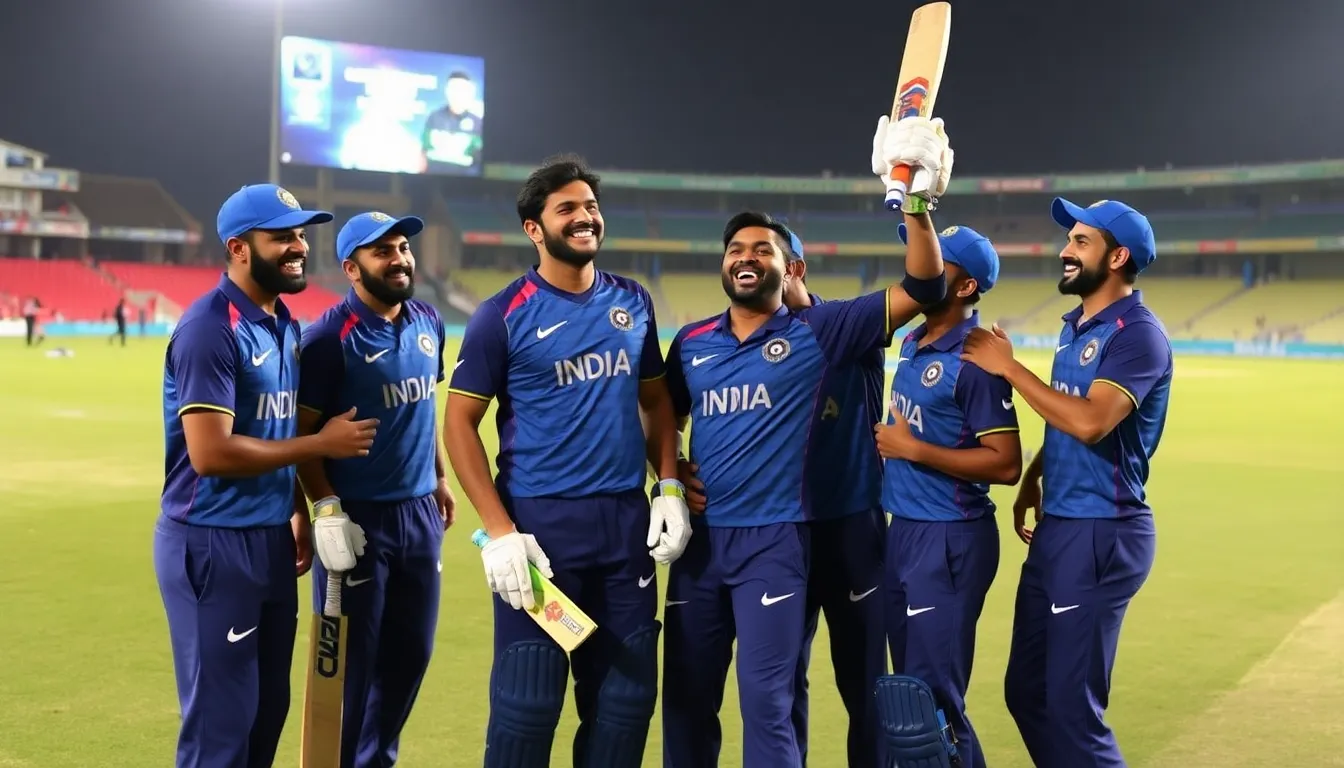
India’s cricketing culture has a rich history, deeply rooted in the nation’s social fabric. The sport transcends mere entertainment; it is a source of national pride and unity. The U19 World Cup has been particularly significant for India, as it has produced numerous players who have gone on to achieve great success in international cricket. This creates a sense of anticipation and excitement among fans, especially when young talents like Suryavanshi emerge as potential future stars.
The 2023 U19 World Cup final against England was a culmination of years of development and investment in youth cricket in India. The Board of Control for Cricket in India (BCCI) has prioritized nurturing young talent through academies and domestic tournaments, which has led to a steady stream of skilled players. Suryavanshi’s remarkable performance, scoring 175 runs, not only highlights his individual talent but also reflects the effectiveness of this developmental framework.
Key Milestones in India’s U19 Cricket Journey
Over the years, India has achieved several milestones in U19 cricket, including winning the tournament in 2000, 2008, and 2012. These victories have not only boosted the morale of young cricketers but have also enhanced the popularity of cricket among the youth in India. The consistent success has created a competitive environment, motivating aspiring cricketers to strive for excellence and aspire to represent their country at the highest level.
Key players and strategies that shaped the final match
The U19 World Cup final between India and England showcased not only the talent of young cricketers but also highlighted the interests of various stakeholders involved in the sport. Among the main actors were the players, coaching staff, national cricket boards, and fans, each with their own vested interests in the outcome of the match.
Shubham Suryavanshi, the standout performer for India, demonstrated exceptional skill and composure, scoring 175 runs. His performance not only brought glory to the Indian team but also raised his profile as a future star in cricket. The Board of Control for Cricket in India (BCCI) has a vested interest in nurturing young talent, as success at the U19 level often translates to future investments in the senior team.
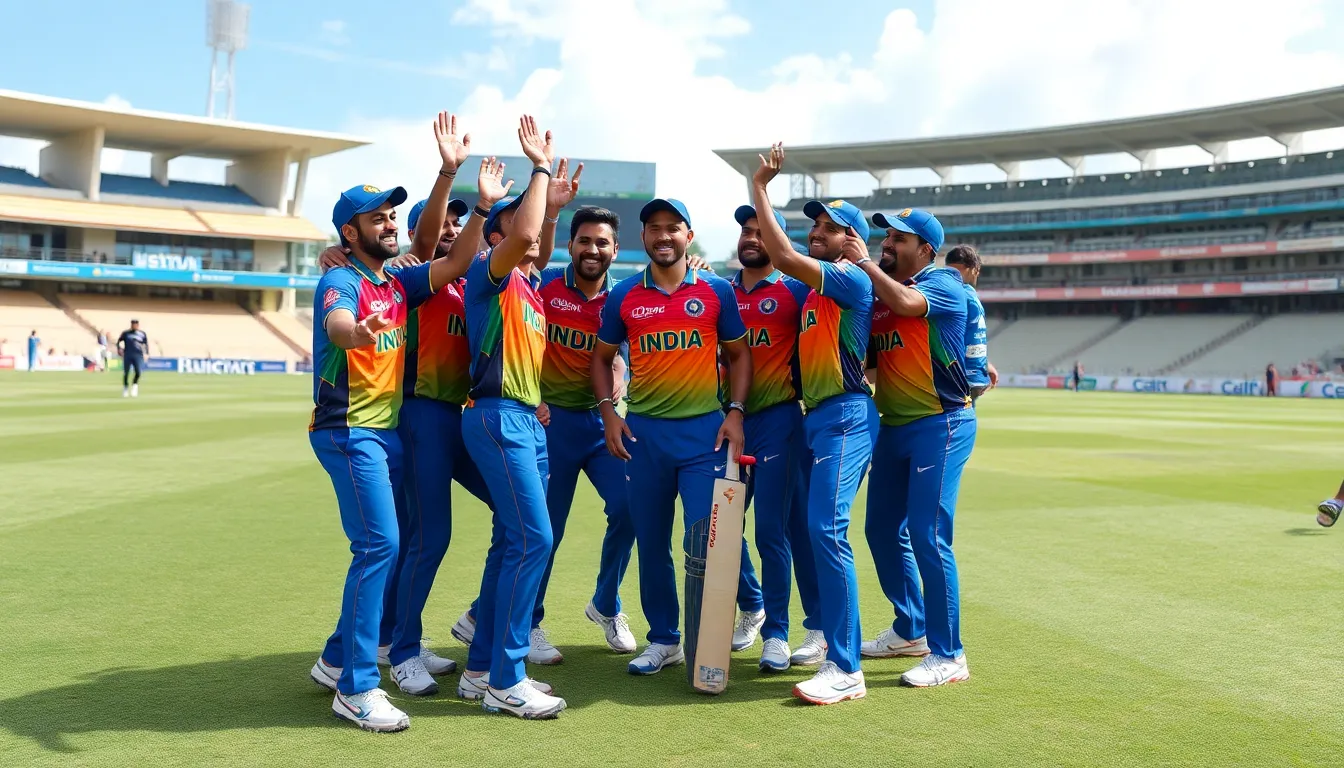
On the other hand, the England team, backed by the England and Wales Cricket Board (ECB), aimed to reclaim their status as a dominant force in youth cricket. The ECB has been focusing on developing a robust pipeline of talent, and a victory in the final would have reinforced their strategy. However, the match also highlighted the ongoing challenges faced by the ECB in competing with cricketing powerhouses like India.
- Performance Pressure: Players faced immense pressure to perform, impacting their mental health and future prospects.
- Investment in Youth Development: Cricket boards are increasingly investing in youth programs, emphasizing the need for sustainable talent development.
- Global Cricket Dynamics: The match illustrated the shifting dynamics in international cricket, with emerging nations seeking to challenge traditional powerhouses.
Furthermore, the economic implications of the match cannot be overlooked. A successful tournament boosts local economies through tourism and merchandise sales, while also enhancing the global profile of cricket in the respective countries. The stakes are high, not just for the players, but also for the organizations that support them, making the U19 World Cup a significant event in the cricketing calendar.
The impact of this victory on Indian cricket’s future
The triumph of Suryavanshi and the Indian U19 cricket team in the World Cup final has significant implications for various groups, including young athletes, cricket academies, and the broader sports industry in India. This victory not only showcases the talent emerging from the grassroots level but also inspires a new generation of cricketers to pursue their dreams. The sense of national pride generated by such achievements can lead to increased participation in sports, particularly cricket, across schools and local communities.
In the short term, cricket academies and training facilities may experience a surge in enrollment as parents seek to nurture their children’s sporting aspirations. This could lead to a boom in local sports businesses, including coaching services, equipment sales, and sportswear manufacturing. Additionally, local and regional cricket tournaments may see increased sponsorship and media attention, further promoting the sport at the grassroots level.
Mid-term impacts could involve policy shifts aimed at enhancing sports infrastructure and funding for youth programs. Government and private sectors may invest more in developing cricket facilities and training programs, recognizing the potential for cricket to serve as a vehicle for social development and national pride. However, there are risks associated with this rapid growth, including the potential for commercialization to overshadow the spirit of the game, leading to issues such as burnout among young athletes.
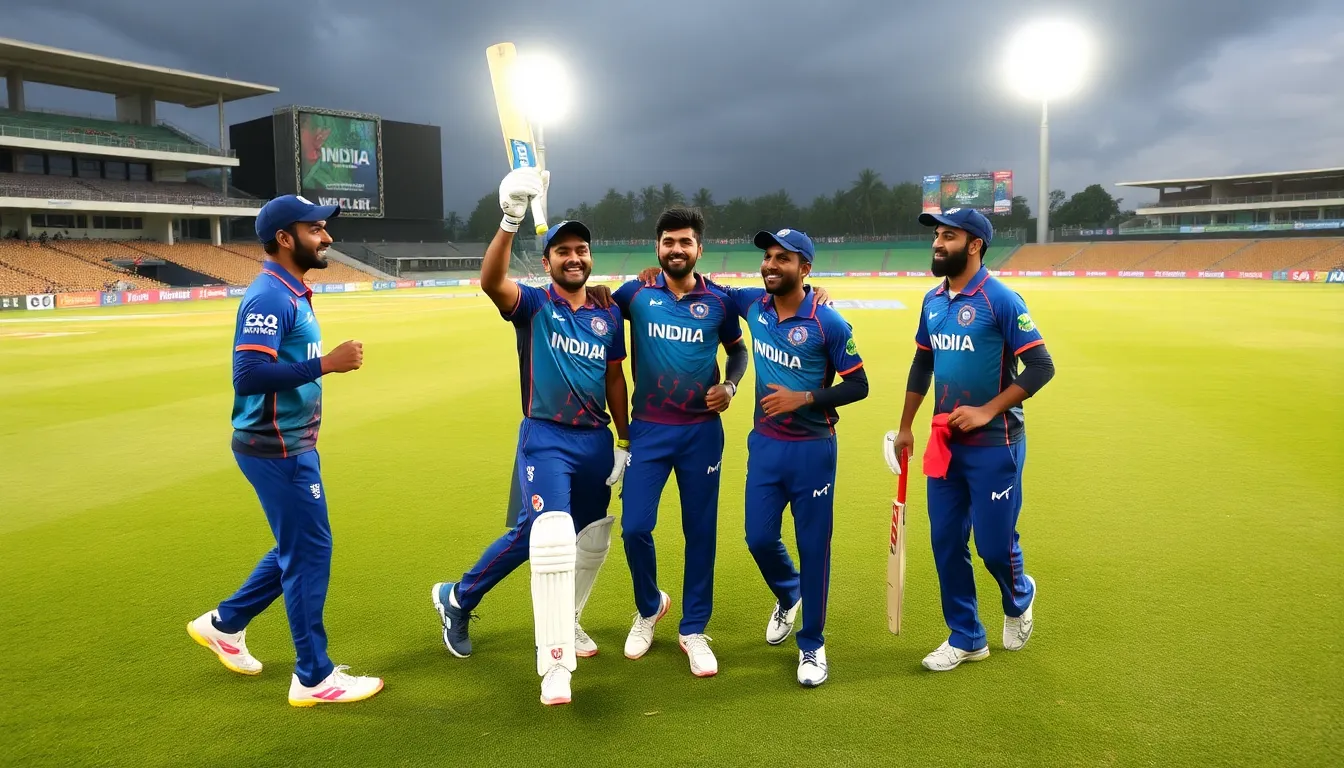
- Increased youth participation: More children may take up cricket, leading to a healthier lifestyle.
- Economic growth: Boost in local businesses related to sports and training.
- Policy development: Potential government investments in sports infrastructure.
- Commercialization risks: Pressure on young athletes and possible burnout.
Overall, while the victory brings immense joy and opportunities, it also calls for a balanced approach to ensure that the integrity of the sport and the well-being of young athletes are prioritized as cricket continues to flourish in India.
A: Suryavanshi is a 14-year-old cricketer who scored an impressive 175 runs in the U19 World Cup final. His performance is significant as it showcases the emerging talent in Indian cricket. A: India had a strong performance throughout the U19 World Cup, demonstrating skill and teamwork that culminated in their victory against England in the final. A: This win boosts the confidence of young players and highlights the depth of talent in Indian cricket, potentially leading to future successes at higher levels. A: The U19 World Cup final took place recently, marking a significant event in the cricket calendar for young athletes. A: India utilized a combination of aggressive batting and disciplined bowling strategies, which were crucial in overcoming England in the final match.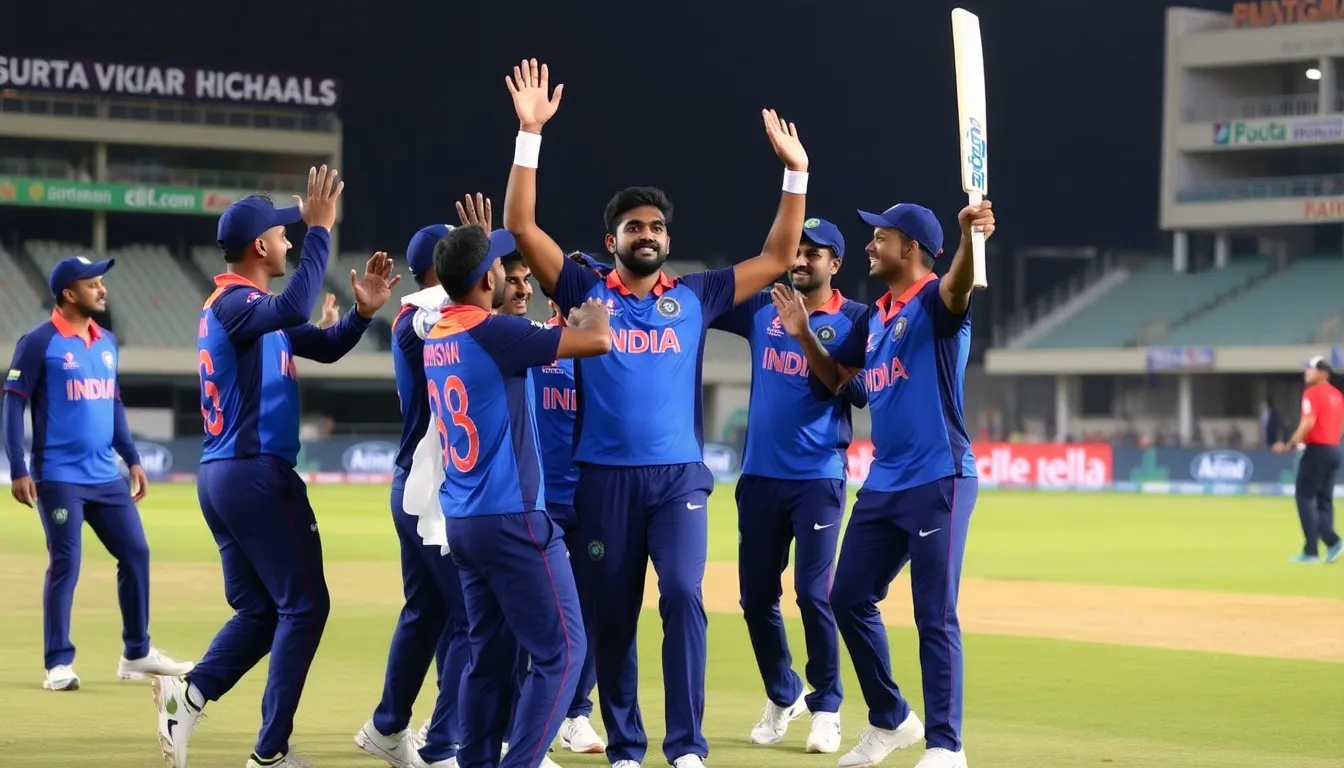
Frequently asked questions about the U19 World Cup final
Key takeaways and future outlook for Indian cricket
The remarkable performance of 14-year-old Suryavanshi, who scored an impressive 175 in the U19 World Cup final against England, highlights the depth of talent emerging in Indian cricket. This victory not only underscores the potential of young players but also sets a precedent for future tournaments, indicating a promising trajectory for the national team. As these young athletes gain international exposure, the focus will shift towards nurturing their skills and integrating them into the senior team structure.
Looking ahead, it will be essential for the Indian cricket board to implement effective training programs and mentorship opportunities for these rising stars. The success of the U19 team can serve as a catalyst for a new generation of cricketers, fostering a competitive spirit that may lead to sustained success on the global stage.
- The emergence of young talent like Suryavanshi indicates a bright future for Indian cricket.
- Continued investment in youth development programs will be crucial for maintaining competitive advantage.
- Monitoring the transition of U19 players to senior levels will provide insights into their long-term potential.
- Success in junior tournaments can enhance the overall cricketing culture and inspire future generations.
- Strategic partnerships with experienced players can aid in the growth and maturity of young cricketers.