
In a remarkable display of bravery and endurance, a 16-year-old member of the family decided to swim to shore to seek help. The teenager, demonstrating exceptional swimming skills, embarked on a grueling journey that lasted several hours. This courageous act not only highlighted the urgency of the situation but also showcased the determination to save loved ones in peril, reminding us of the importance of community readiness in emergency situations.
Local authorities were alerted to the family’s distress after the teenager reached the shore and contacted emergency services. Rescue teams quickly mobilized to locate the stranded family, utilizing boats and helicopters to navigate the challenging waters. The swift response from local authorities underscores the importance of community readiness in emergency situations.
This incident serves as a reminder of the potential dangers faced by those enjoying recreational activities at sea. With the increasing number of families engaging in water sports during the holiday season, it raises awareness about safety measures and the importance of being prepared for unexpected emergencies. The teenager’s heroic actions not only saved lives but also inspired conversations about resilience and family bonds in times of crisis.
Understanding the circumstances leading to the rescue
The Australian coast is known for its stunning beauty and rich marine life, but it can also present significant dangers, particularly for those who venture into its waters without adequate preparation. Over the years, there have been numerous incidents involving boats capsizing or becoming stranded, often due to sudden weather changes or mechanical failures. These situations have underscored the importance of safety protocols and the need for awareness of the unpredictable nature of the ocean.
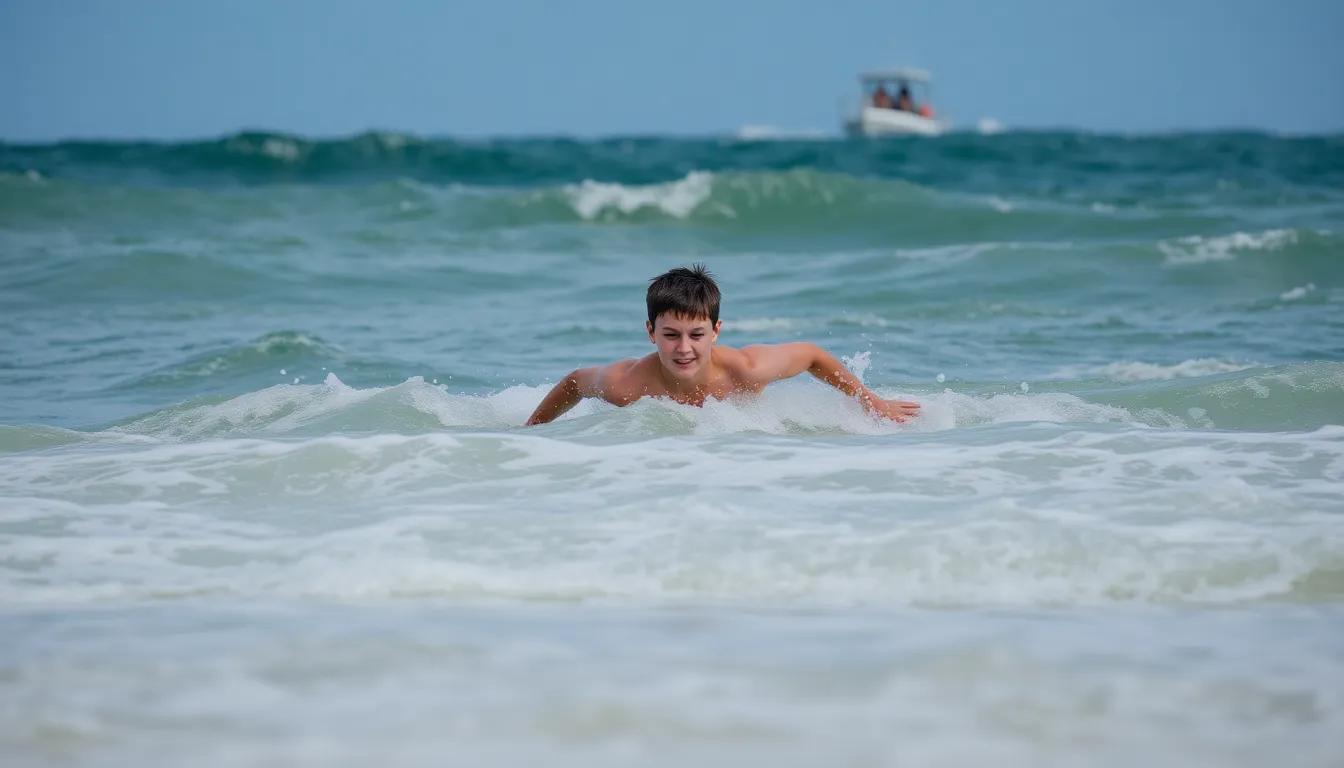
In recent years, the rise of recreational boating has been accompanied by an increase in maritime accidents. With more families choosing to explore Australia’s coastline, the potential for emergencies has escalated. This trend has prompted local authorities to enhance safety measures and promote education about responsible boating practices. However, despite these efforts, accidents still occur, highlighting the need for vigilance and preparedness among boaters.
The Role of Community and Resilience
Communities along the Australian coast have historically rallied together in times of crisis, showcasing resilience and solidarity. Local volunteer rescue organizations play a crucial role in responding to maritime emergencies, often relying on the support of skilled individuals and families who understand the waters. The story of the ‘superhuman’ teen who swam hours to save his family exemplifies this community spirit, as it highlights not only personal bravery but also the collective values of courage and selflessness that are deeply ingrained in Australian culture.
Additionally, this incident serves as a reminder of the importance of equipping individuals, especially young people, with the skills necessary to respond to emergencies. Swimming proficiency and survival skills have become increasingly emphasized in schools and community programs, aiming to prepare future generations for unforeseen challenges in aquatic environments. The teen’s remarkable swim not only saved his family but also reflects the growing emphasis on resilience and resourcefulness in the face of adversity.
Examining the challenges faced during the rescue operation
The recent heroic act of a teenager swimming for hours to save his family stranded off the Australian coast has drawn attention to various stakeholders involved in such rescue operations. This incident highlights the interests of family members, local authorities, rescue organizations, and the broader community, each with their unique perspectives and concerns.
At the center of this event are the family members, whose immediate interest is survival and safety. Their emotional distress during the ordeal underscores the urgency of rescue operations. Local authorities, including the Coast Guard and police, play a critical role in coordinating rescue efforts, balancing public safety with resource allocation. Their interest lies in ensuring that rescue operations are conducted efficiently and effectively.
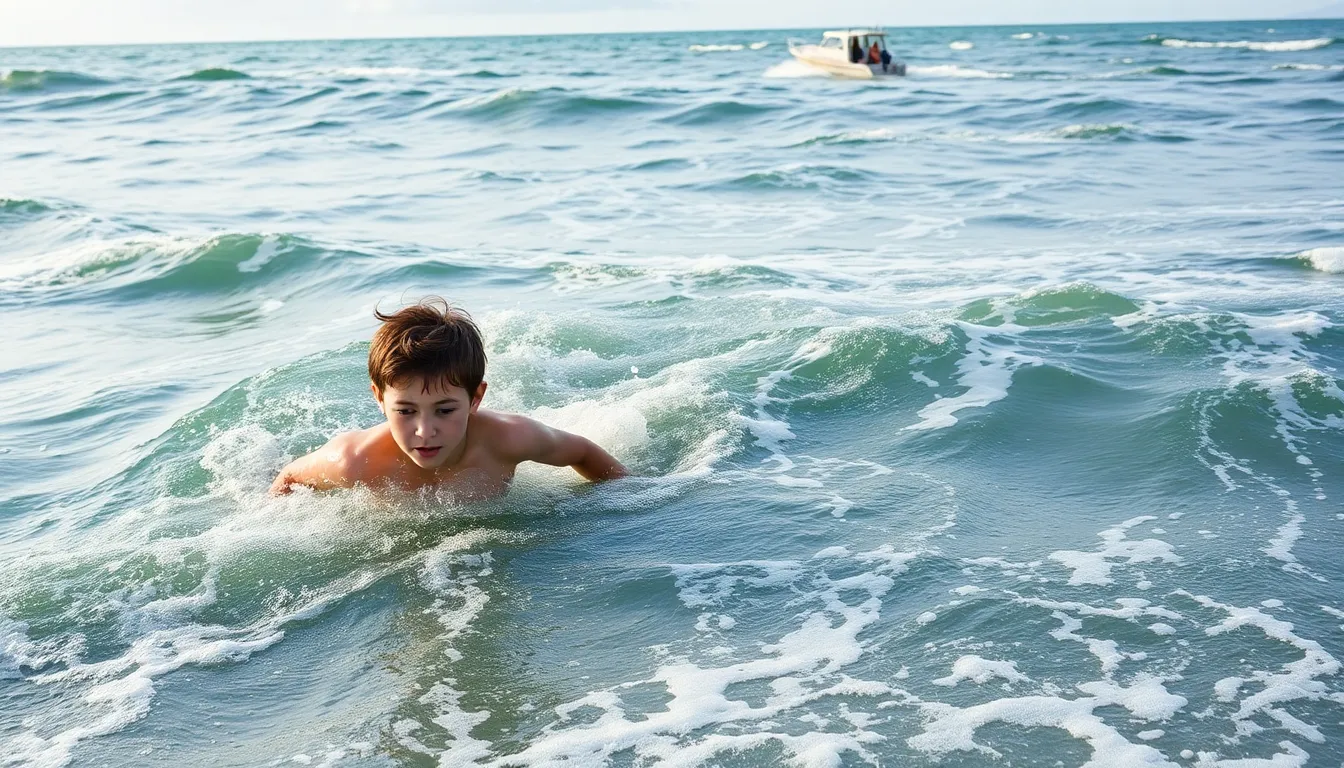
Additionally, rescue organizations, both governmental and non-governmental, have a vested interest in the outcomes of such incidents. They seek to enhance their operational capabilities and improve response times, which can lead to discussions about funding, training, and equipment. The community also plays a role, as public sentiment can influence local policies regarding safety regulations and coastal management.
- Resource Allocation: The need for adequate resources during emergencies often leads to conflicts over funding and prioritization.
- Legal Responsibilities: Questions may arise regarding liability for the family’s situation and the responsibilities of local authorities in preventing such incidents.
- Public Awareness: The incident raises awareness about safety measures and the importance of swimming in designated areas.
- Community Support: Local communities may rally to support families affected by similar incidents, influencing local governance.
- Environmental Concerns: The impact of coastal conditions on safety and rescue operations must be considered in future planning.
In summary, the interplay between these stakeholders reveals a complex landscape of interests, legal responsibilities, and community dynamics that must be navigated to enhance safety and response capabilities in future rescue scenarios.
The implications of the rescue on the local community
The heroic actions of the teen swimmer have far-reaching implications for various groups and industries along the Australian coast. Local families, tourism operators, and emergency services are among those directly affected by this incident. The story has captured national attention, highlighting both the risks associated with ocean activities and the resilience of the community.
In the short term, the immediate impact is felt by local families who may now reconsider their safety measures when engaging in water activities. Increased awareness about the dangers of swimming in remote areas could lead to a surge in demand for safety equipment, such as life jackets and flotation devices. Moreover, local businesses that cater to tourists may experience fluctuations in visitor numbers as people reassess their willingness to engage in water sports.
Mid-term effects could include changes in policy regarding safety regulations along the coast. Local authorities might implement stricter guidelines for water activities, influencing how businesses operate and how families plan their outings. This could potentially lead to increased operational costs for tourism operators but also create opportunities for those who specialize in safety training and equipment.
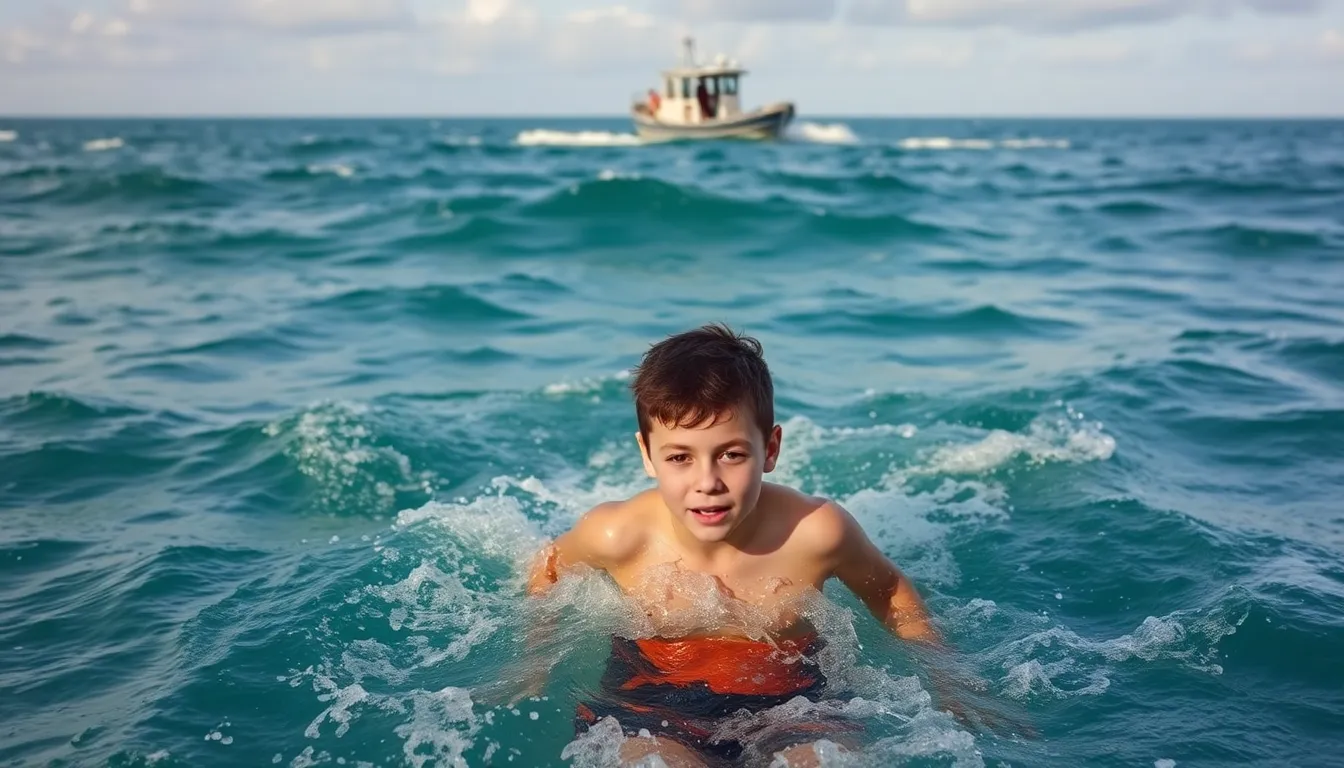
- Increased demand for safety equipment: Local stores may see a rise in sales of safety gear.
- Policy changes: Stricter regulations could be enacted to enhance safety measures.
- Tourism fluctuations: Tourist interest may vary based on perceived safety risks.
- Community resilience: Local residents may foster a stronger sense of community and support systems.
On a broader scale, this incident could also lead to increased media attention on ocean safety, prompting discussions at regional and national levels. The potential for educational campaigns on water safety could emerge, benefiting both local communities and tourists alike by promoting safer practices.
A: The teen demonstrated exceptional physical endurance and mental strength, which allowed him to swim long distances despite challenging conditions. A: The family was stranded due to unexpected rough seas that caused their boat to become disabled, leaving them in a vulnerable situation. A: Yes, local authorities were alerted and dispatched rescue teams, but the teen’s timely actions were crucial in the initial rescue. A: It is important for boaters to check weather conditions, ensure proper safety equipment is on board, and have a reliable communication system in place. A: The teen is being celebrated in the community and is expected to receive awards for his heroic actions in saving his family.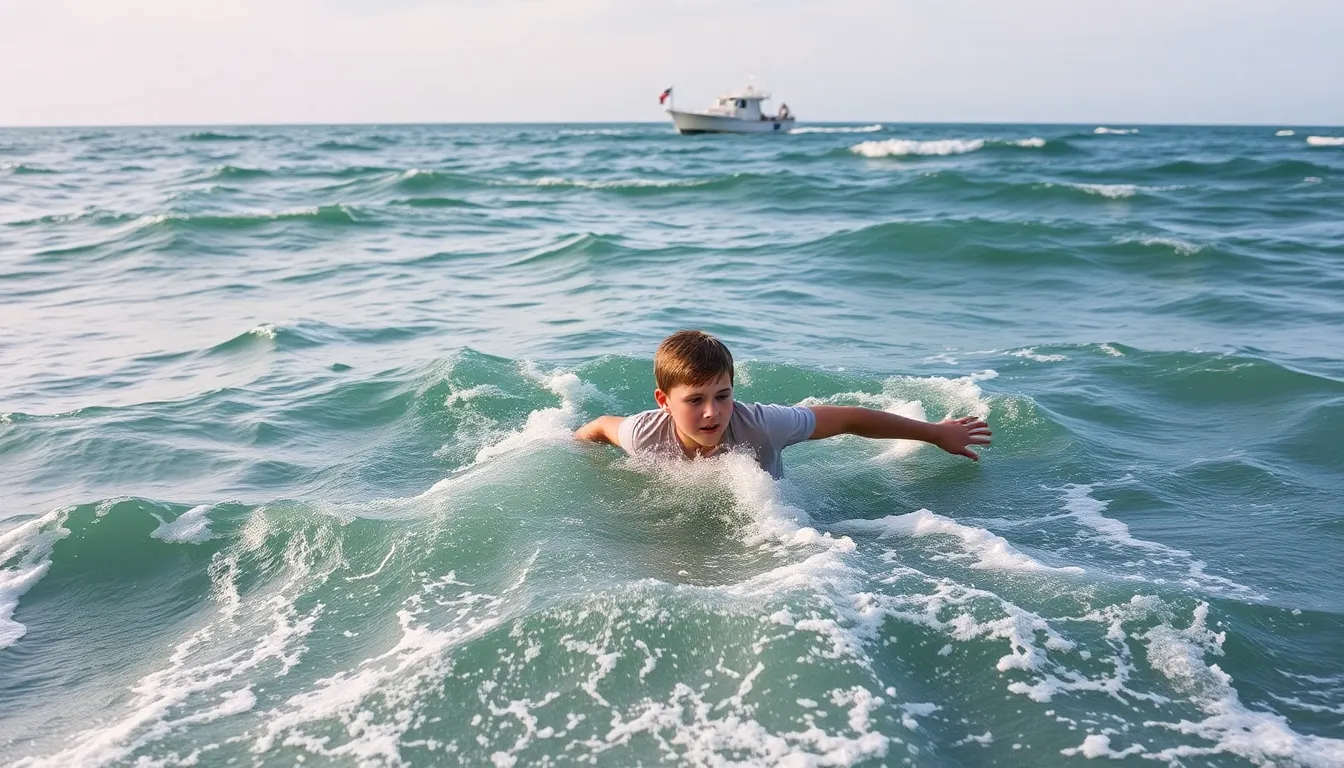
Frequently asked questions about the rescue
Key takeaways and future implications of the incident
The remarkable actions of the teenager who swam hours to rescue his family stranded off the Australian coast highlight the importance of preparedness and resilience in emergency situations. This incident serves as a poignant reminder of the potential for extraordinary human strength in the face of adversity, as well as the critical need for safety measures when engaging in water activities.
As communities reflect on this event, it is essential to consider the broader implications for safety protocols, emergency response strategies, and the promotion of swimming and survival skills among youth. By fostering a culture of preparedness, families can better equip themselves to handle unforeseen circumstances while also inspiring future generations to act courageously.
- Encourage swimming and water safety education in schools to empower youth with essential skills.
- Promote community awareness programs that emphasize the importance of emergency preparedness for water activities.
- Consider implementing improved safety measures and rescue resources along popular coastlines.
- Highlight stories of resilience and courage to inspire others to take action in critical situations.
- Foster discussions around mental and emotional preparedness in youth to handle emergencies effectively.