
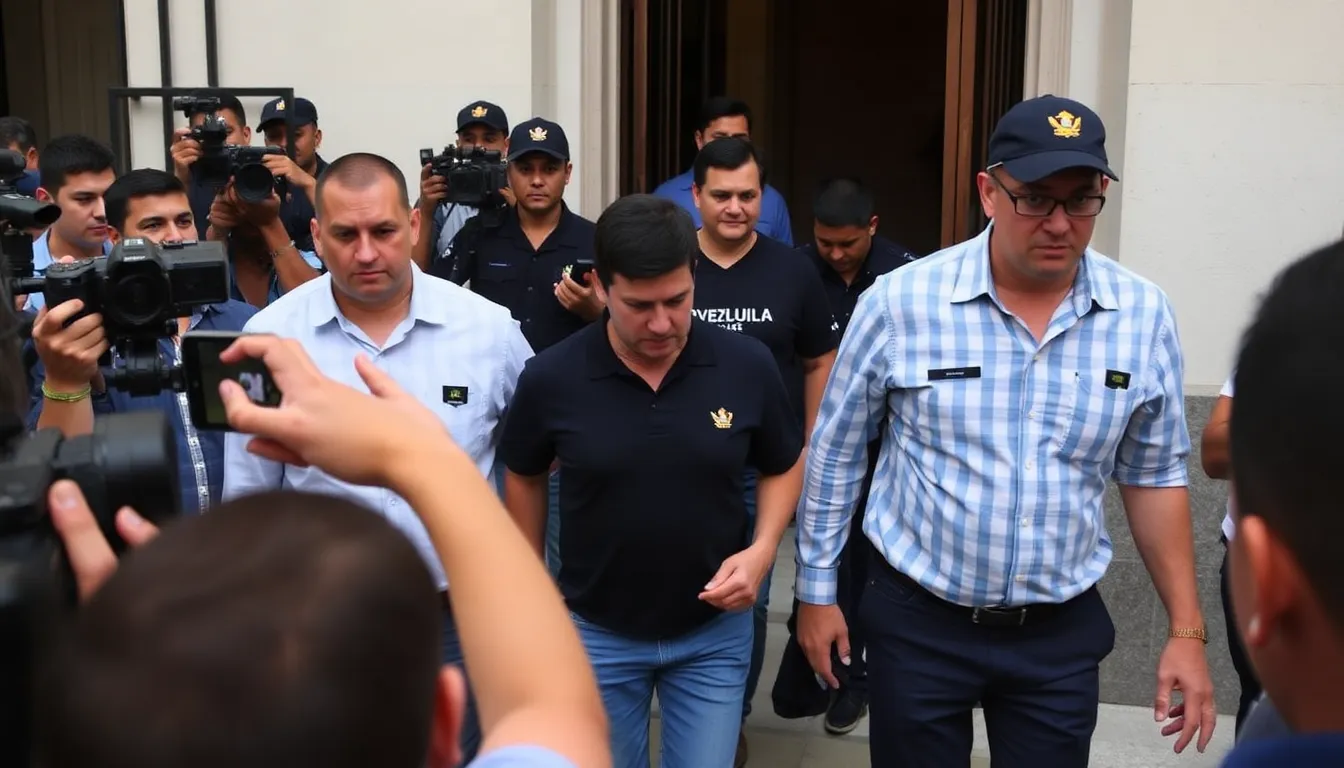
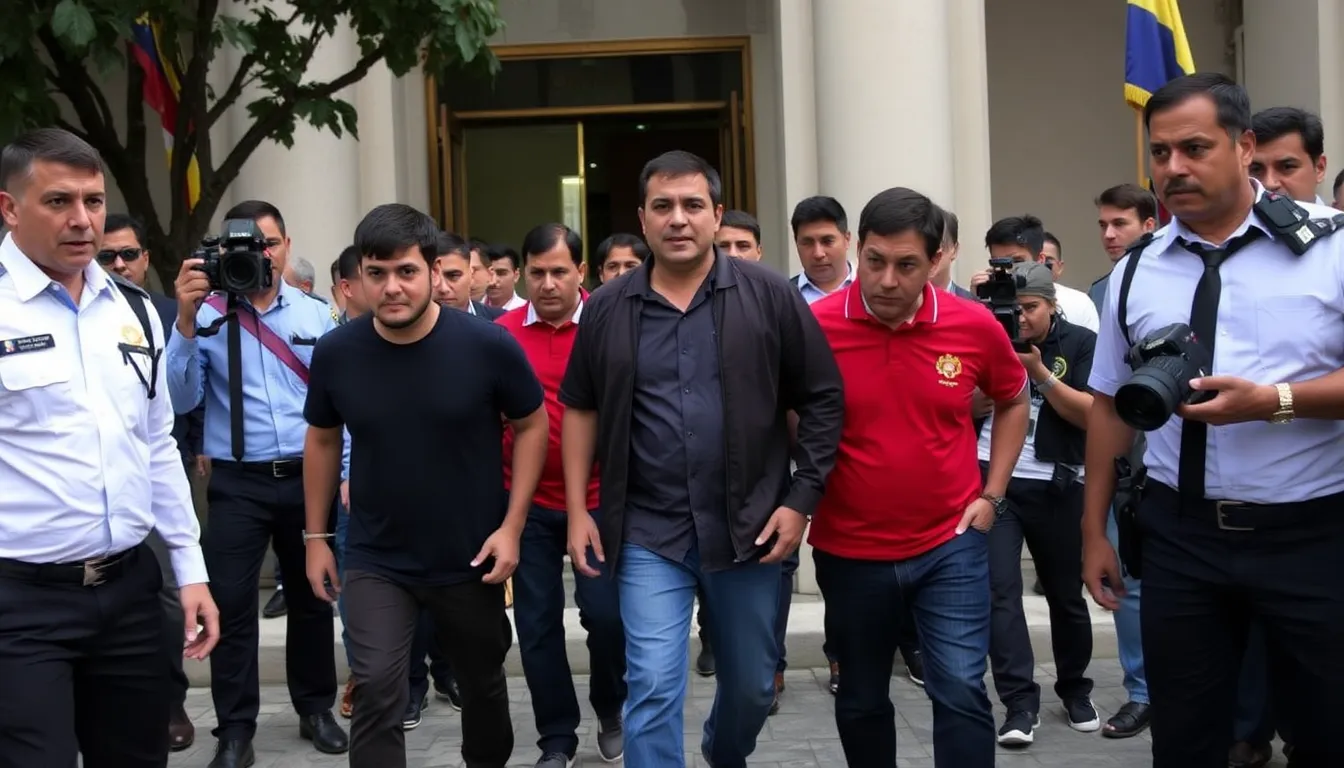
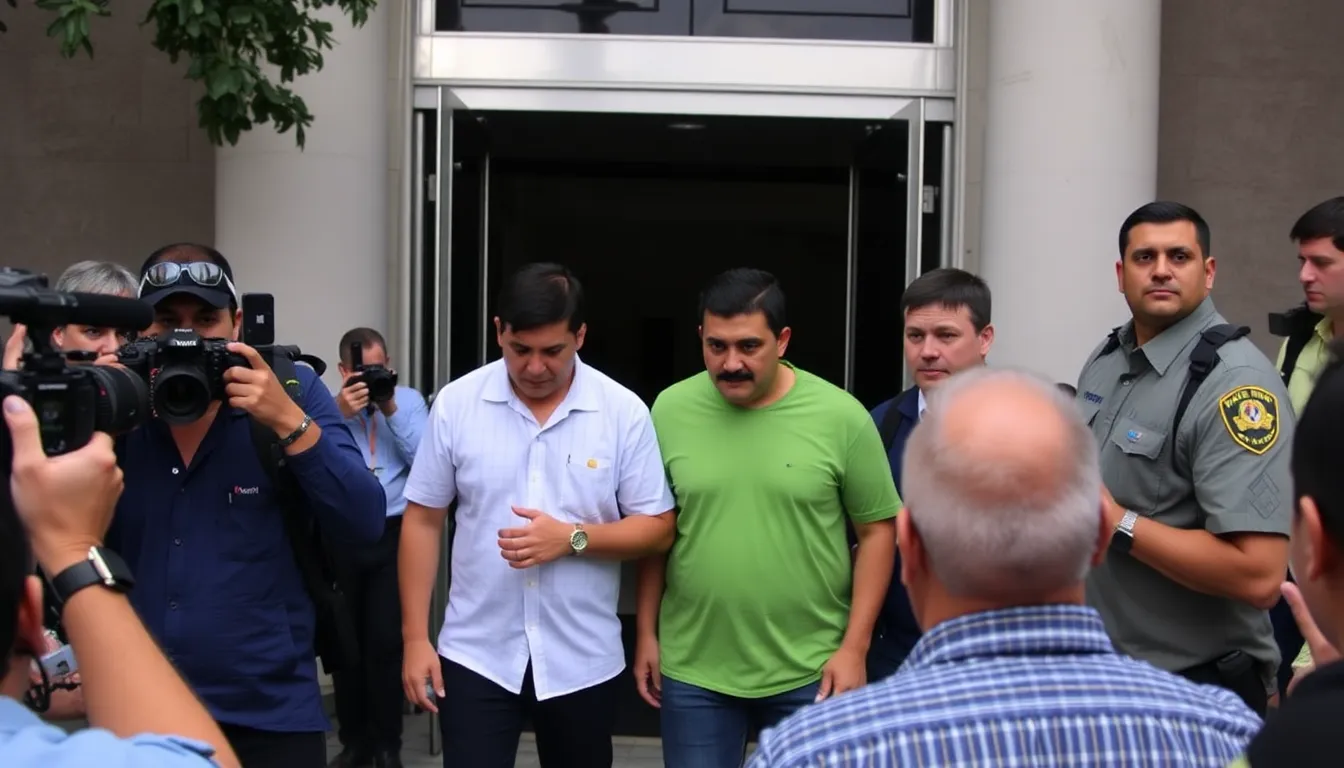
Among those detained are high-ranking officials and former government members who have been identified as key figures in Maduro’s administration. The U.S. has targeted these individuals for their alleged involvement in corruption and human rights abuses, and their arrests could signal a new phase in Venezuela’s political landscape.
The detentions are part of a broader crackdown on dissent and perceived threats to Maduro’s regime. As the political climate in Venezuela remains volatile, these actions may further exacerbate international scrutiny and diplomatic isolation for the Maduro government.
Analysts suggest that the timing of these arrests may also relate to ongoing negotiations between the Venezuelan government and opposition groups, as well as the potential for renewed dialogue facilitated by international actors. For a broader perspective on government actions, you can read about Two Chinese Journalists Detained for Reporting on Corruption.
Understanding the political landscape in Venezuela
Venezuela has been embroiled in a complex political crisis for over a decade, primarily stemming from the deepening divisions between the government led by Nicolás Maduro and opposition forces. The roots of this crisis can be traced back to the presidency of Hugo Chávez, who implemented socialist policies that transformed the nation’s economy and society. Chávez’s death in 2013 left a power vacuum that Maduro, his chosen successor, struggled to fill amid growing discontent and economic turmoil.
The U.S. imposed a series of sanctions targeting Maduro and his allies, aiming to pressure the regime into relinquishing power and restoring democratic governance. This is similar to instances observed in cases like Asda struggles to regain its competitive edge.
Impact of Economic Sanctions
The economic fallout from these sanctions has been severe, exacerbating an already dire humanitarian crisis characterized by hyperinflation, food shortages, and a mass exodus of Venezuelans seeking better opportunities abroad. As the economy crumbled, Maduro’s government became increasingly authoritarian, cracking down on dissent and consolidating power. The detainment of key figures in the regime, particularly those aligned with Maduro, reflects a broader strategy to maintain control amid external pressures and internal dissent.
These developments raise questions about the stability of Maduro’s regime and the future of Venezuela’s political landscape as both domestic and international pressures mount. Ongoing international relations can be complicated, as seen in the article The Technology Tools Used by ICE in Minneapolis.
Examining the implications for U.S.-Venezuela relations
The recent reports of the Venezuelan government detaining allies of President Nicolás Maduro, who are also targeted by U.S. sanctions, have significant implications for the already strained relations between the two nations. The U.S. has long sought to undermine Maduro’s regime, viewing it as a threat to democracy and stability in the region. This development raises questions about the effectiveness of U.S. foreign policy and its impact on Venezuelan politics.
Key actors in this scenario include the Venezuelan government, led by Maduro, and the U.S. government, which has implemented sanctions against Venezuelan officials. The interests of these actors are starkly opposed: the U.S. aims to promote a regime change in Venezuela, while Maduro’s administration seeks to maintain power and legitimacy amidst international pressure. This conflict is compounded by the involvement of international organizations and regional actors who may have differing views on the legitimacy of the Maduro government.
Several key issues emerge from this situation:
- Human Rights Concerns: The detentions raise significant human rights issues, as they may involve arbitrary arrests and suppression of dissent.
- Economic Sanctions: The effectiveness of U.S. sanctions is called into question, as they may inadvertently strengthen Maduro’s grip on power by rallying nationalist sentiments against foreign intervention.
- Regional Stability: The actions of the Venezuelan government could destabilize the region, potentially leading to increased migration and humanitarian crises.
- International Relations: The situation complicates relations with other countries in Latin America, some of which may support Maduro or oppose U.S. interventionist policies.
This complex web of interests and conflicts illustrates the challenges facing both the U.S. and Venezuela as they navigate their contentious relationship. As events unfold, the implications for regional politics and international diplomacy will likely remain significant.
The effects on Venezuelan society and international relations
The recent detention of allies of President Nicolás Maduro, targeted by U.S. sanctions, is likely to have significant repercussions for various groups within Venezuela. Political activists, opposition leaders, and everyday citizens may find themselves in a precarious situation as tensions rise between the Venezuelan government and the U.S. This development could further polarize the already divided political landscape in the country.
Industries such as oil, which is the backbone of Venezuela’s economy, may experience short-term disruptions due to increased instability. The detention of key figures could lead to a slowdown in operations and investment, exacerbating the economic crisis that has plagued the nation for years. Additionally, businesses reliant on imports may face challenges as international relations deteriorate, affecting supply chains and access to essential goods.
In the mid-term, daily life for Venezuelans may worsen as the government responds to perceived threats from the U.S. This could result in heightened government surveillance and repression, further curtailing civil liberties and freedoms. Citizens may also experience increased shortages of food and medicine as the economy contracts and international aid becomes less accessible.
However, there are potential opportunities that could arise from this situation. The international community may rally to support Venezuelan civil society and opposition groups, offering aid and assistance that could empower them. Additionally, businesses that adapt to the changing landscape may find new avenues for investment, particularly in sectors that promote self-sufficiency and local production.
- Increased political repression and civil unrest.
- Disruption in the oil industry and broader economic instability.
- Potential for international support for opposition and civil society.
- Opportunities for businesses focused on local production and self-sufficiency.
A: The detentions are believed to be linked to U.S. sanctions aimed at undermining Maduro’s government. The Venezuelan authorities are likely attempting to showcase their power and loyalty to the regime. A: The detentions may further strain relations between the U.S. and Venezuela, as they could lead to increased sanctions or diplomatic isolation for the Maduro regime. A: Public reaction is mixed, with some supporting the government’s actions while others fear increased repression and a lack of political freedom. A: The detained individuals may face harsh treatment and long-term imprisonment, which could deter others from opposing the government. A: International responses have been critical, with calls for the immediate release of political prisoners and condemnation of human rights violations.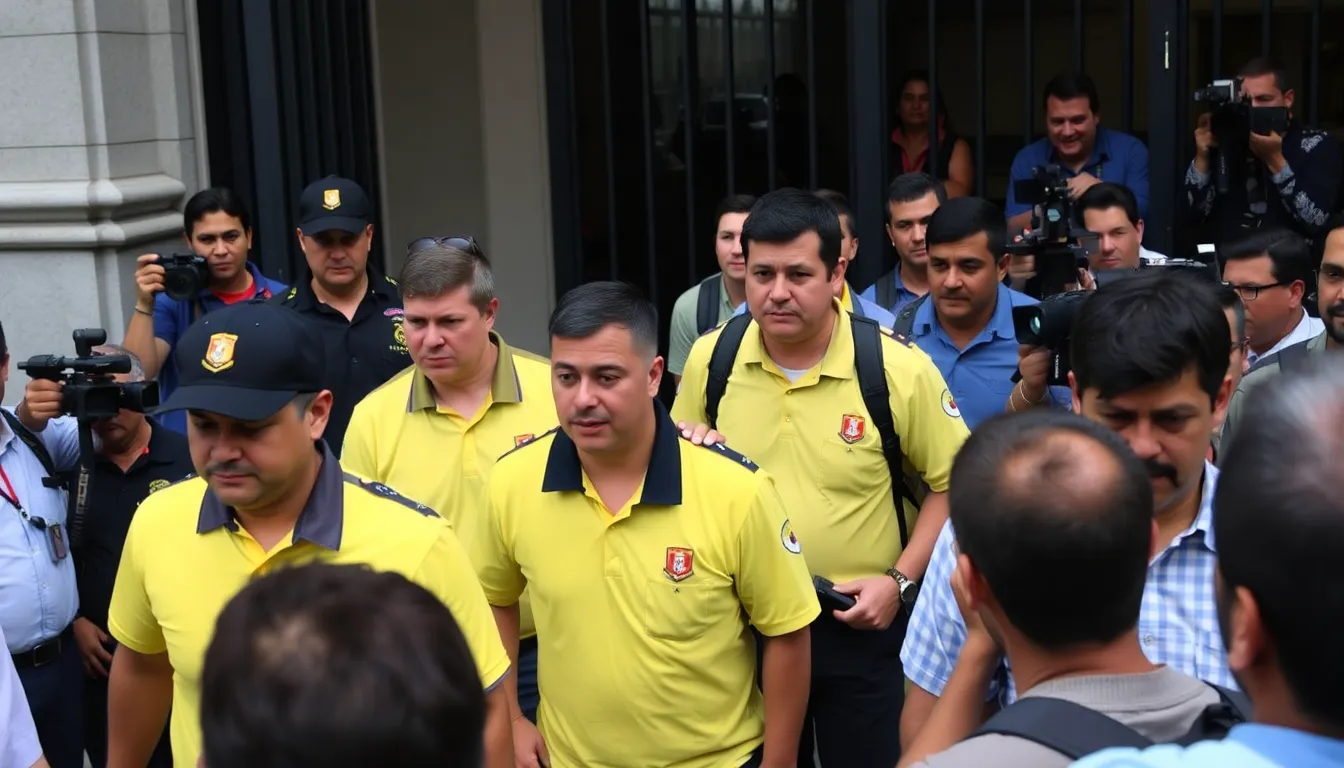
Frequently asked questions about the detentions
Key takeaways and future outlook on the situation
The recent reports of Venezuela detaining allies of President Maduro targeted by U.S. sanctions highlight the ongoing tensions between the Venezuelan government and the United States. This development may signal a shift in the internal dynamics of Maduro’s administration as it faces increasing pressure from both domestic and international fronts. The implications of these detentions could extend beyond immediate political ramifications, potentially affecting Venezuela’s relations with other countries and its internal stability.
As the situation evolves, observers should consider the potential for increased U.S. sanctions, the impact on Venezuela’s political landscape, and the reactions from key international players. The government’s ability to maintain control amid such pressures will be critical in determining the future trajectory of Venezuela’s political environment.
- The detentions may lead to heightened tensions between the U.S. and Venezuela, prompting further sanctions or diplomatic actions.
- Internal dissent within Maduro’s government could increase as allies are targeted, potentially leading to fractures in leadership.
- International responses, particularly from neighboring countries and organizations, will be crucial in shaping the outcome of this situation.
- The economic implications for Venezuela could worsen if international isolation deepens, affecting the already struggling economy.
- Monitoring the reactions of the Venezuelan populace will provide insights into the government’s stability and potential unrest.