
The allegations include misappropriation of funds and deceptive billing practices that reportedly defrauded grieving families. Prosecutors claim that the executives engaged in a scheme to inflate service costs and manipulate insurance payouts, resulting in substantial financial losses for consumers.
This case has raised concerns about ethical standards in the funeral industry, an area often scrutinized for its vulnerability to exploitation. As the trial progresses, it is expected to shed light on the regulatory shortcomings that allowed such practices to persist.
The outcome of this case could have far-reaching implications, not only for the accused executives but also for the broader funeral service sector. Stakeholders are closely monitoring the proceedings, as they may prompt calls for stricter regulations and oversight to protect consumers in their most vulnerable moments.
Recommended Articles
- Energy Bills Have Soared Recently How Can States Bring Costs Down
- Can French Connection revive the FCUK brand appeal
- Tragic death of newborn raises concerns over hospital protocols
- Philippines judges declare Duterte fit to face ICC proceedings
- Crown Princess's Son Testifies Emotionally in Rape Trial
- Energy Bills Have Soared Recently How Can States Bring Costs Down
- Can French Connection revive the FCUK brand appeal
- Tragic death of newborn raises concerns over hospital protocols
- Philippines judges declare Duterte fit to face ICC proceedings
- Crown Princess's Son Testifies Emotionally in Rape Trial
Understanding the background of the funeral industry and its regulations
The funeral industry has long been a vital part of society, providing essential services during times of grief. Historically, funerals have evolved from simple rites to elaborate ceremonies, reflecting cultural and societal changes. In many cultures, the way individuals are memorialized is steeped in tradition, impacting how funeral services are structured and priced. However, with this evolution has come a need for regulation to ensure ethical practices and protect consumers from potential exploitation.
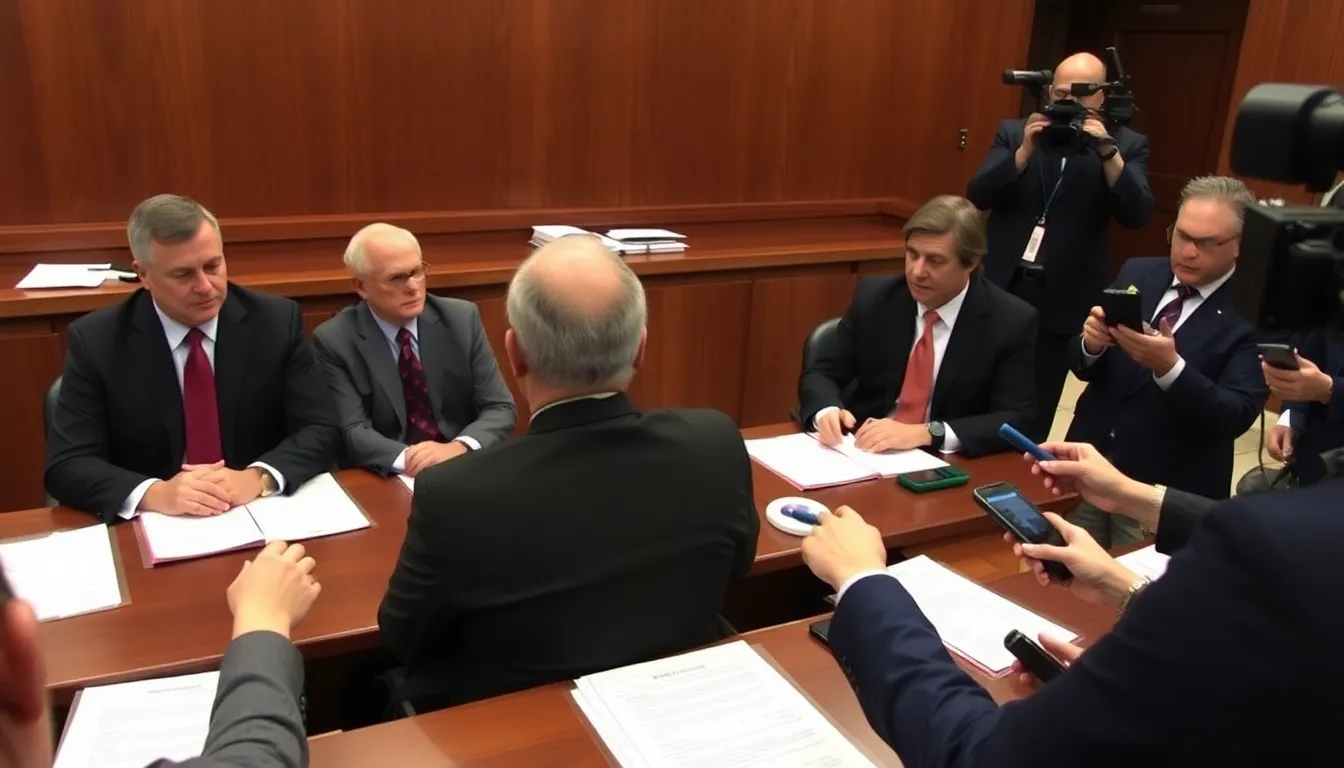
In the United States, the Federal Trade Commission (FTC) established the Funeral Rule in 1984, aimed at promoting transparency and fairness in funeral pricing. This regulation requires funeral homes to provide clear pricing information and prohibits them from engaging in deceptive practices. Despite these regulations, the industry has faced scrutiny over the years, with numerous cases of fraud and unethical behavior surfacing, leading to a growing distrust among consumers.
Key Milestones in Funeral Industry Regulation
Several key milestones have shaped the funeral industry and its oversight. For instance, the 1990s saw increased media attention on funeral home practices, prompting further investigations and legal actions against firms that engaged in fraudulent activities. Landmark cases, such as the 2003 settlement involving a major funeral chain accused of price-gouging and misleading consumers, highlighted systemic issues within the industry. These events underscored the need for stronger enforcement of existing regulations and the introduction of new measures to protect consumers.
As the funeral industry continues to evolve, the intersection of economic pressures and ethical considerations remains a significant concern. With rising costs associated with funerals, some firms may resort to fraudulent practices to maintain profitability, leading to the current court cases against funeral firm executives. This situation reflects a broader issue within the industry, where the balance between profitability and ethical responsibility is increasingly challenged.
Key stakeholders and issues surrounding the fraud allegations
The recent fraud charges against executives of a prominent funeral firm have drawn significant attention from various stakeholders, including the affected families, regulatory bodies, and the broader community. Each of these groups has distinct interests and concerns regarding the implications of the case.
Families who have utilized the services of the funeral firm are at the forefront of this issue. Their primary interest lies in the integrity and trustworthiness of the services provided during a vulnerable time. Allegations of fraud could undermine their confidence in the funeral industry, raising concerns about transparency and ethical practices. Many families may seek restitution or accountability, further complicating the legal landscape.
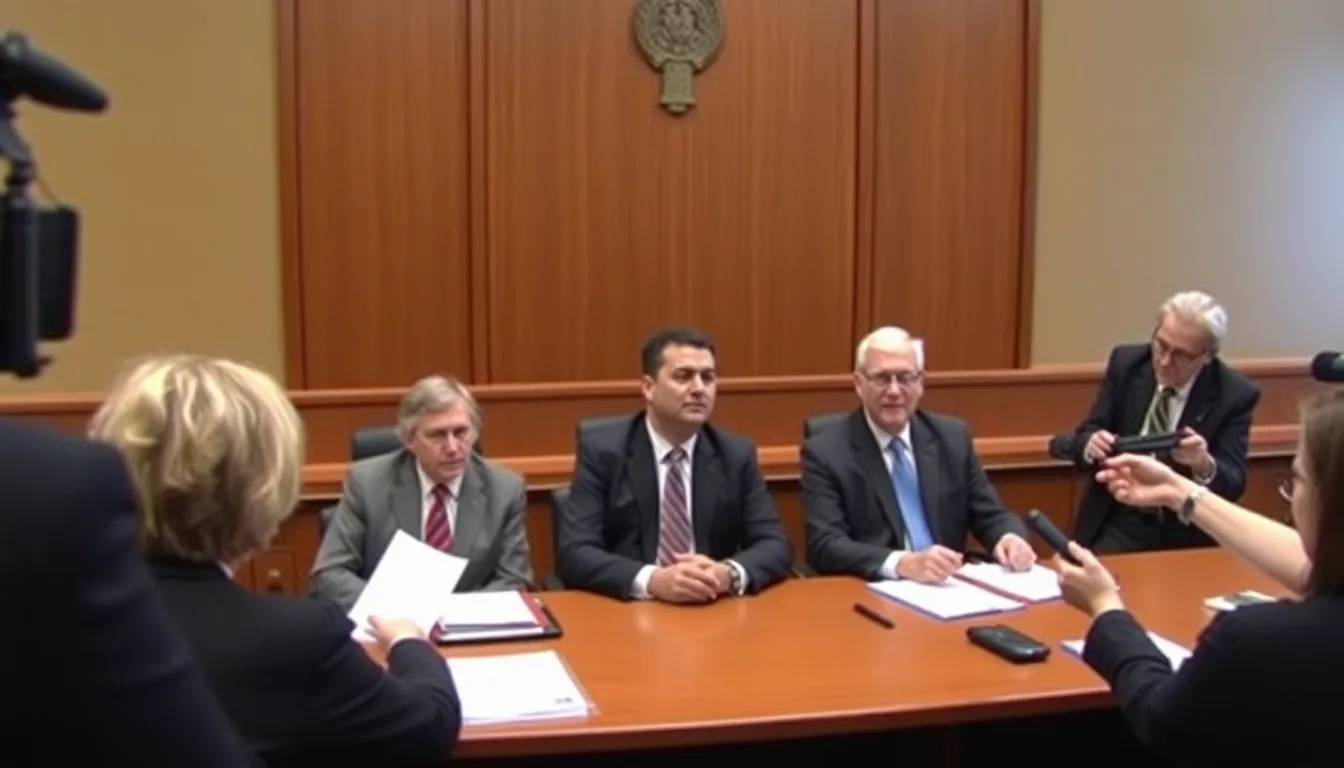
Regulatory bodies, including state licensing boards and consumer protection agencies, are also key stakeholders. Their role is to ensure compliance with industry standards and to protect consumers from fraudulent practices. The outcome of this case may prompt them to reevaluate existing regulations and oversight mechanisms, potentially leading to stricter guidelines for funeral service providers.
Additionally, the funeral firm’s executives and shareholders have a vested interest in the resolution of these charges. The allegations could lead to significant financial repercussions, affecting the firm’s reputation and operational viability. Furthermore, the executives may face legal consequences that could impact their careers and future business opportunities.
- Impact on consumer trust in the funeral industry.
- Potential regulatory reforms in response to the fraud allegations.
- Financial implications for the funeral firm and its stakeholders.
- Legal consequences for the accused executives.
- Long-term effects on industry standards and practices.
Potential impact on families and the funeral market
The recent fraud charges against funeral firm executives are likely to have significant repercussions for various stakeholders in the funeral industry. Families who rely on these services during their time of grief may face increased uncertainty and distress as the reputation of these firms comes into question. The emotional toll on grieving families could be profound, especially if they feel their trust has been violated.
In the short term, there may be a decline in business for the implicated firms as consumers seek alternatives. This could lead to a temporary oversupply of funeral services in certain regions, driving prices down as competition intensifies. Additionally, families may demand greater transparency and accountability from funeral providers, prompting a shift in how services are marketed and delivered.
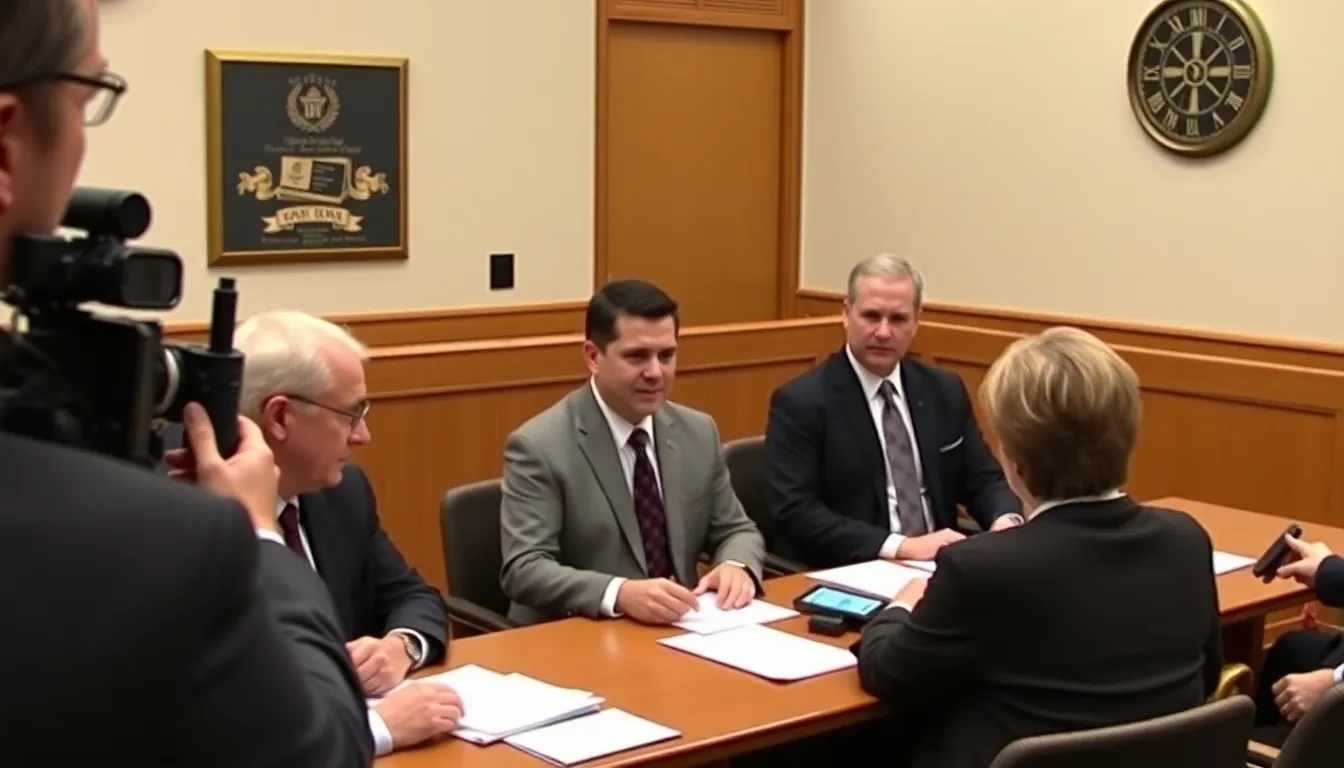
In the mid-term, regulatory bodies may respond to this scandal by implementing stricter regulations and oversight within the funeral industry. This could lead to increased compliance costs for funeral firms, potentially affecting their profitability. However, it could also create opportunities for ethical firms to differentiate themselves by emphasizing transparency and integrity in their operations.
- Increased demand for transparency in funeral services.
- Potential for regulatory changes affecting industry practices.
- Shift in consumer trust towards more reputable providers.
- Possible decline in prices due to increased competition.
Lastly, this situation may prompt advocacy for consumer rights within the funeral industry, leading to stronger protections for families. While the immediate impacts may be negative, there is potential for long-term improvements in how funeral services operate, benefiting consumers in the future.
A: The executives are charged with misappropriating funds intended for funeral services and falsifying records to cover up their actions. A: This case could lead to increased scrutiny and regulation within the funeral industry, potentially impacting consumer trust and business practices. A: Families should seek legal advice and review their contracts with the funeral firm to understand their rights and options. A: The court hearing is scheduled for next month, where the executives will present their defense against the charges. A: If convicted, the executives could face significant fines and imprisonment, depending on the severity of the fraud.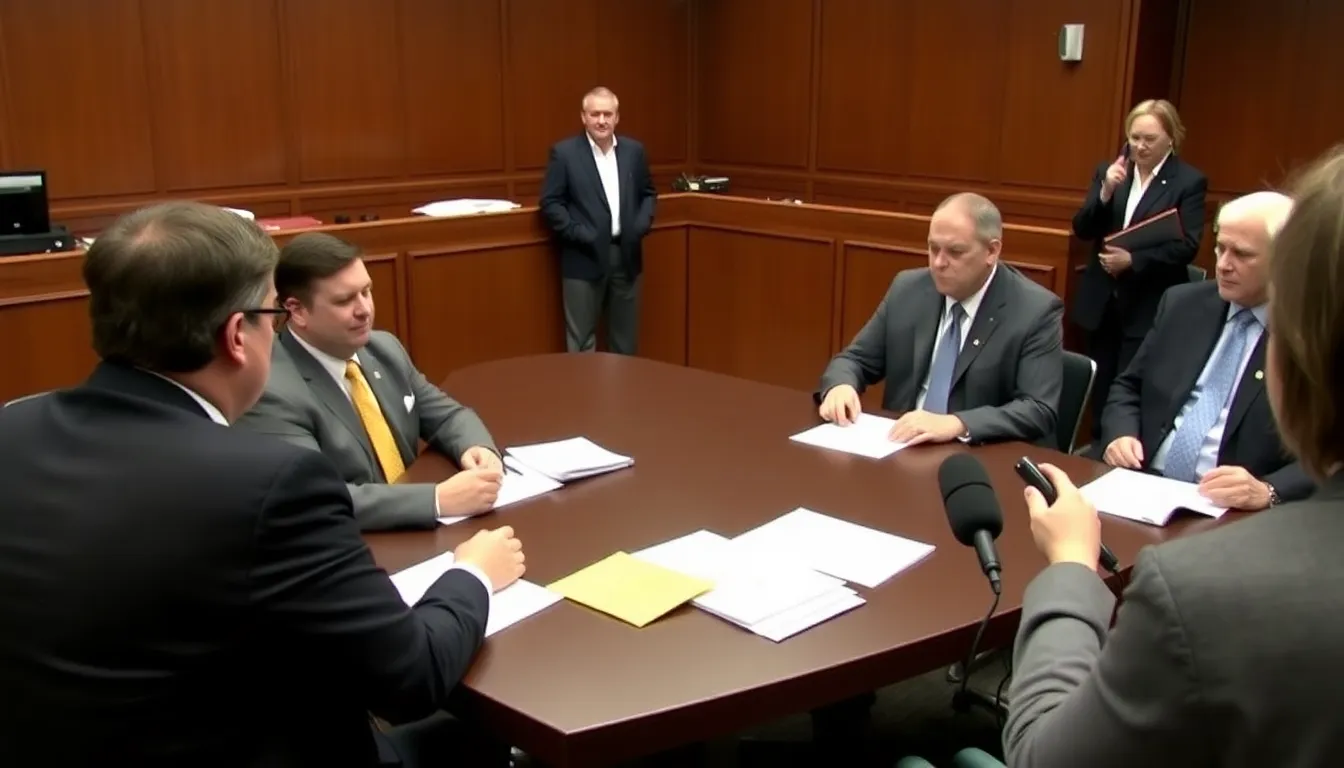
Frequently asked questions about the fraud charges
Insights and future outlook on the case and industry
The ongoing case against the executives of a funeral firm accused of fraud highlights significant vulnerabilities within the funeral services industry. As the legal proceedings unfold, they may prompt a broader examination of ethical practices and regulatory oversight in this sector. Stakeholders, including families and regulatory bodies, will be closely watching the developments, as they could lead to changes in industry standards and consumer protections.
Furthermore, this situation underscores the importance of transparency and accountability in service-oriented businesses. As public awareness grows regarding these charges, consumers may become more cautious and demand greater assurances when choosing funeral services. The outcome of this case could set a precedent, influencing not only the funeral industry but also other service sectors facing similar scrutiny.
- Increased regulatory scrutiny may lead to stricter compliance requirements for funeral service providers.
- Consumers are likely to demand more transparency regarding pricing and services offered by funeral firms.
- The case could catalyze industry-wide discussions on ethical practices and the need for enhanced consumer protections.
- Potential reputational damage for the involved firm may impact its business and the broader market perception of funeral services.
- Future cases could emerge as families seek justice and accountability, shaping the legal landscape within the industry.