
The announcement comes as Blue Origin prepares to collaborate with NASA on the Artemis program, which aims to land the next astronauts on the lunar surface by 2025.
As part of this transition, Blue Origin plans to enhance its capabilities in developing the Blue Moon lander, which is designed to deliver payloads to the Moon’s surface, further supporting NASA’s goals of sustainable lunar exploration.
The decision to pause space tourism also highlights the challenges facing the industry, as companies like SpaceX and Virgin Galactic continue to innovate and attract customers. Blue Origin’s pivot may impact its brand and public perception, as the company had previously positioned itself as a leader in the space tourism market. Nonetheless, the potential benefits of focusing on lunar exploration may ultimately strengthen Blue Origin’s long-term viability in the competitive aerospace landscape.
The background of Blue Origin’s space tourism ambitions
Founded in 2000 by Jeff Bezos, Blue Origin has been at the forefront of private space exploration, driven by the vision of making space travel accessible to everyone. Initially focused on developing reusable rocket technology, the company made significant strides with its New Shepard suborbital vehicle, designed for space tourism. In July 2021, Blue Origin successfully launched its first crewed flight, marking a pivotal moment in the commercial space tourism sector.
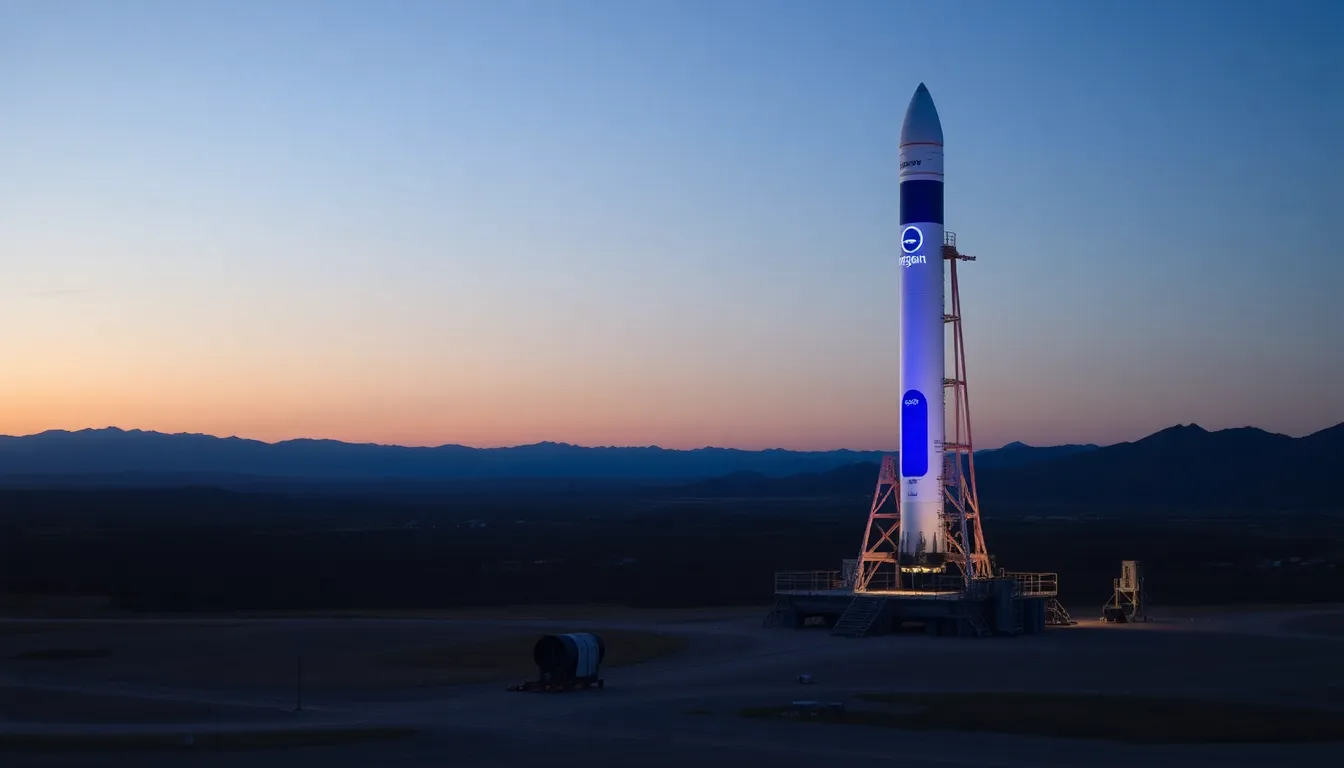
The rise of private space companies like Blue Origin coincided with a broader shift in the aerospace industry, where government-led space missions began to give way to commercial ventures. This shift was fueled by advancements in technology and a growing interest from investors, leading to a surge in funding for private space exploration. The success of SpaceX, which has completed numerous missions to the International Space Station, set a benchmark for what private companies could achieve, further encouraging Blue Origin’s ambitions in space tourism.
Shifts in Focus: From Tourism to Lunar Exploration
However, recent developments have prompted Blue Origin to reconsider its priorities. With an increased emphasis on lunar exploration fueled by NASA’s Artemis program, which aims to return humans to the Moon by the mid-2020s, Blue Origin has decided to pause its space tourism initiatives. This strategic pivot reflects a broader trend in the industry, where companies are aligning their goals with governmental space exploration efforts, particularly in the context of international competition for lunar resources and technology.
By redirecting resources towards lunar missions, Blue Origin aims to leverage its technological capabilities in a more sustainable and potentially lucrative direction, aligning with global efforts to establish a long-term human presence on the Moon, an ambition shared by many in the aerospace industry.
As Blue Origin pauses its space tourism ventures, it highlights a critical moment in the evolution of commercial spaceflight, where the allure of space tourism must compete with the pressing needs of scientific exploration and national interests. This transition underscores the dynamic nature of the aerospace industry, where priorities can shift rapidly in response to new opportunities and challenges.
Key stakeholders and implications of the shift in focus
As Blue Origin shifts its focus from space tourism to lunar exploration, several key stakeholders emerge, each with distinct interests and potential conflicts. The primary actors include Jeff Bezos, the founder of Blue Origin; NASA, the U.S. government agency responsible for the nation’s civilian space program; private investors; and the general public, particularly those interested in space tourism.
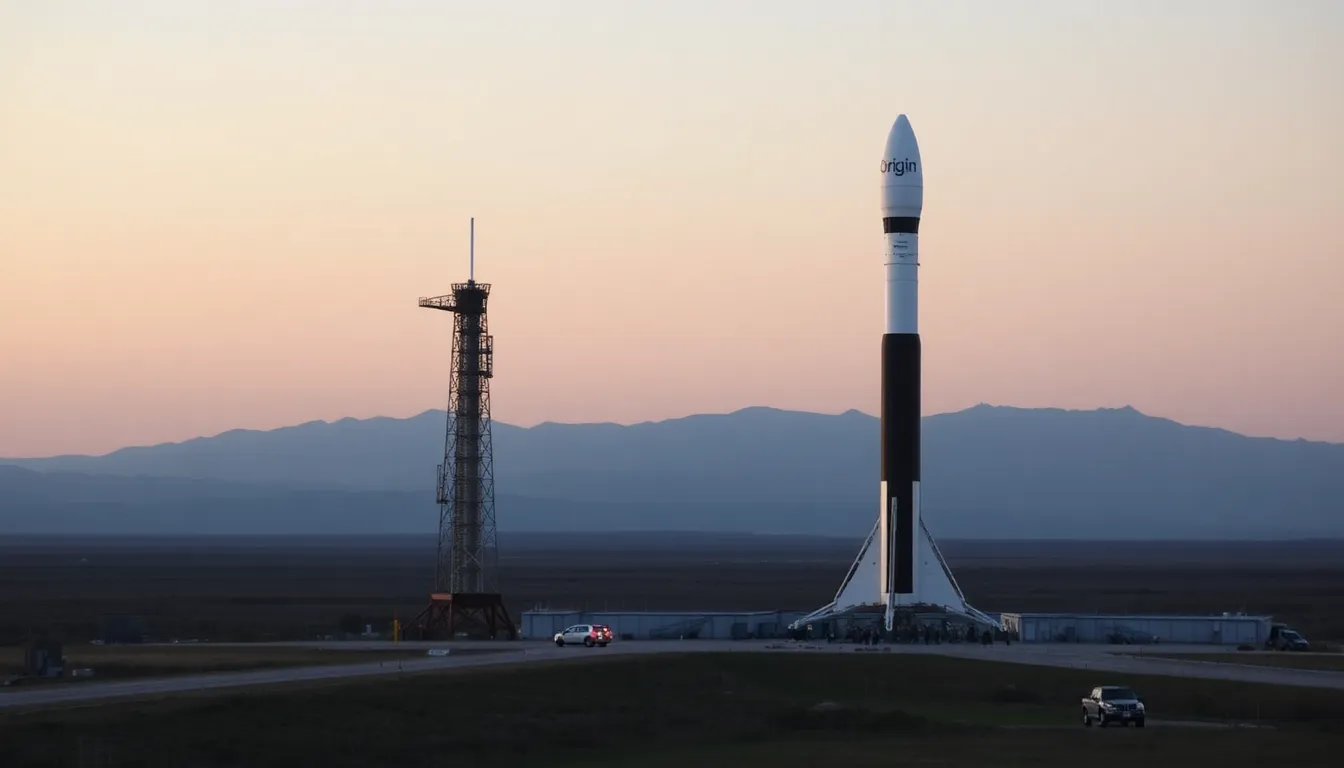
Jeff Bezos, as the driving force behind Blue Origin, has a vested interest in establishing a foothold in lunar exploration. His vision aligns with broader ambitions to enable a sustainable human presence on the Moon and beyond. This shift may enhance Blue Origin’s reputation as a serious player in the aerospace industry, but it also raises questions about the future of its space tourism initiatives.
Nasa’s involvement is crucial, as the agency is looking to foster partnerships with private companies to achieve its Artemis program goals. The shift in Blue Origin’s focus could lead to increased collaboration, but it may also create competition for contracts and funding. This dynamic could lead to tensions between Blue Origin and other aerospace companies vying for similar opportunities.
- Economic implications: The transition could affect Blue Origin’s revenue streams, as investments in lunar missions may divert funds from space tourism.
- Legal considerations: Regulatory hurdles may arise as Blue Origin navigates new contracts and compliance issues related to lunar operations.
- Public perception: The shift may alter public interest and support for Blue Origin, impacting future tourism ventures.
- Investor confidence: Stakeholders may reassess their investment strategies based on the potential risks and rewards associated with lunar exploration.
Ultimately, the implications of Blue Origin’s strategic pivot extend beyond the company itself, influencing the broader landscape of the aerospace industry and shaping the future of human space exploration.
How this decision affects the space tourism market and potential customers
Jeff Bezos’s Blue Origin halting its space tourism operations to concentrate on lunar missions significantly impacts various stakeholders in the space industry. Primarily, potential space tourists who were looking forward to suborbital flights now find their aspirations on hold. This decision may lead to disappointment among early adopters and affluent individuals eager to experience space travel.
Additionally, the broader space tourism market, which includes companies like Virgin Galactic and SpaceX, may experience a ripple effect. Investors and businesses associated with leisure travel and high-end experiences may reassess their strategies, as the shift in focus towards lunar exploration could divert resources and attention from commercial space tourism.
In the short term, this pause may lead to a decline in customer interest and investment in space tourism, as the excitement surrounding the sector could wane. However, in the mid-term, the shift towards lunar missions may open new avenues for partnerships and technological advancements, potentially revitalizing the industry with innovative offerings.
- Short-term risks: Decreased consumer interest in space tourism, potential financial losses for related businesses.
- Mid-term opportunities: New partnerships in lunar exploration, advancements in technology that could benefit future space tourism initiatives.
- Impact on policy: Increased focus on regulatory frameworks for lunar missions may emerge, affecting how space tourism is structured.
Regions that were anticipating economic benefits from space tourism, particularly those near launch facilities, may also feel the effects. Local businesses that cater to tourists, such as hotels and restaurants, could see a downturn in revenue, prompting a reevaluation of their business models. Conversely, areas involved in lunar mission preparations may experience growth and investment, creating a shift in economic focus.
A: Blue Origin aims to allocate resources and focus on lunar missions, which are seen as crucial for future exploration and potential commercial opportunities. A: Existing ticket holders will be informed about their options, including potential refunds or rescheduling once tourism operations resume. A: Competitors in the space tourism sector may see an increase in demand as Blue Origin steps back, potentially reshaping the market dynamics. A: Blue Origin plans to develop technologies and partnerships aimed at supporting NASA’s Artemis program and establishing a sustainable presence on the Moon. A: The timeline for resuming space tourism is uncertain and will depend on the progress of their lunar initiatives and market conditions.
Frequently asked questions about Blue Origin’s new direction
Future outlook for Blue Origin and lunar missions
As Blue Origin shifts its focus from space tourism to lunar exploration, the implications for both the company and the broader aerospace industry are significant. This strategic pivot highlights the increasing importance of lunar missions in the context of global space policy and the race for resources beyond Earth. By prioritizing the development of technologies and infrastructure for the Moon, Blue Origin positions itself as a key player in the next phase of space exploration, potentially opening new avenues for partnerships and funding.
Stakeholders should monitor how this decision impacts Blue Origin’s financial health and market positioning. The emphasis on lunar missions may attract investment from government contracts and private sector collaborations, which could bolster the company’s long-term sustainability. Additionally, as competition intensifies among various aerospace companies, Blue Origin’s advancements in lunar technology will be crucial in determining its success in an evolving landscape.
- Watch for potential partnerships with NASA and other space agencies focused on lunar exploration.
- Observe how Blue Origin’s shift impacts its funding and investment opportunities in the aerospace sector.
- Consider the implications for space tourism as Blue Origin reallocates resources towards lunar missions.
- Monitor advancements in technology and infrastructure that Blue Origin develops for lunar missions.
- Evaluate the competitive landscape as other companies respond to Blue Origin’s strategic changes.