
The storm, which began late last night, has prompted the City of Toronto to declare a snow emergency. Snowplow crews are working around the clock to clear major roadways, but many side streets remain impassable. Public transit services have also been affected, with multiple delays and cancellations reported across the subway and bus networks.
Local authorities are urging residents to stay off the roads unless absolutely necessary, as hazardous driving conditions are expected to persist. Additionally, the extreme cold accompanying the snowfall poses risks of frostbite and hypothermia for those exposed to the elements. Community centers are being opened as warming stations for those in need, highlighting the city’s emergency response efforts.
This winter storm not only disrupts daily life but also raises concerns about the city’s preparedness for extreme weather events. With climate change contributing to more frequent and intense storms, city officials are under pressure to enhance infrastructure and emergency response strategies to better cope with future challenges. Such strategies are vital for maintaining safety and resilience in our rapidly changing climate as demonstrated by recent events in various regions.
Understanding the factors behind the severe winter weather
Winter storms are a common occurrence in Toronto, but the recent event marked a significant shift in the city’s weather patterns. Historically, Toronto has experienced harsh winters, with snowfall averaging around 115 cm per year. However, the intensity and frequency of these storms have escalated in recent years, raising concerns among residents and meteorologists alike.
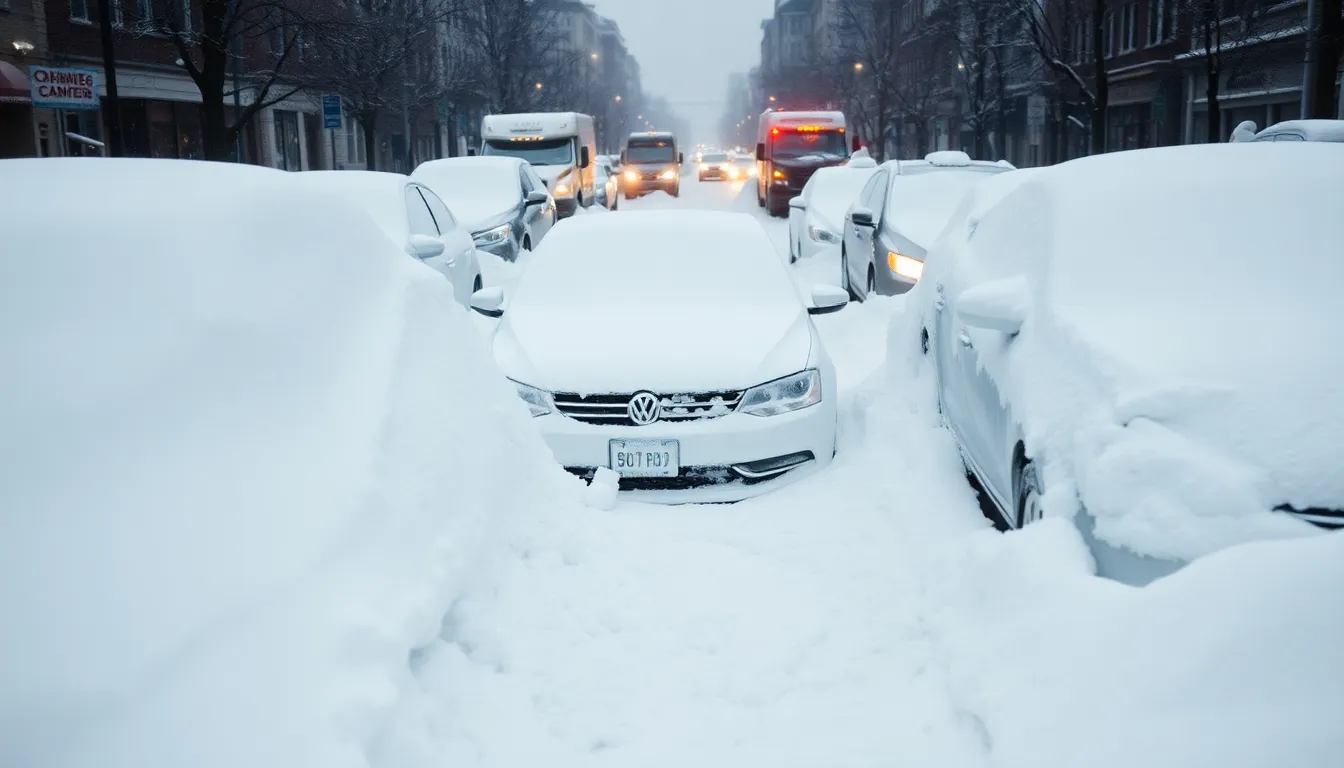
Several factors contribute to the severity of winter storms in the region. Climate change plays a pivotal role, altering traditional weather patterns and leading to more extreme weather events. Warmer temperatures can cause increased moisture in the atmosphere, resulting in heavier snowfall when cold fronts move in. This phenomenon has been observed in many parts of Canada, where the impacts of climate change are becoming increasingly evident.
The Role of Urbanization
Urbanization also exacerbates the effects of winter storms. As Toronto continues to grow, the urban heat island effect becomes more pronounced, where built-up areas retain heat, influencing local weather patterns. This can lead to unpredictable snowfall and melting cycles, further complicating the city’s ability to manage winter weather effectively. Additionally, the infrastructure in place may struggle to cope with the sudden influx of snow, leading to transportation disruptions and safety concerns.
Furthermore, historical precedents set by past winter storms provide context for the current situation. Events such as the blizzard of 1999 and the snowstorm of 2016 serve as reminders of the city’s vulnerability to severe winter weather. These storms prompted city officials to reevaluate snow removal strategies and emergency preparedness plans, yet the increasing unpredictability of storms continues to challenge these efforts.
In summary, the convergence of climate change, urbanization, and historical patterns has created a perfect storm for Toronto, leading to record snowfall and heightened public awareness about the implications of severe winter weather. As the city grapples with these challenges, understanding the underlying factors is crucial for developing effective responses and adapting to future conditions.
Key stakeholders affected by the winter storm
The recent winter storm that struck Toronto has had widespread impacts on various stakeholders, each with their own interests and concerns. These stakeholders include local government agencies, residents, businesses, and emergency services, all of whom are navigating the challenges posed by the record snowfall.
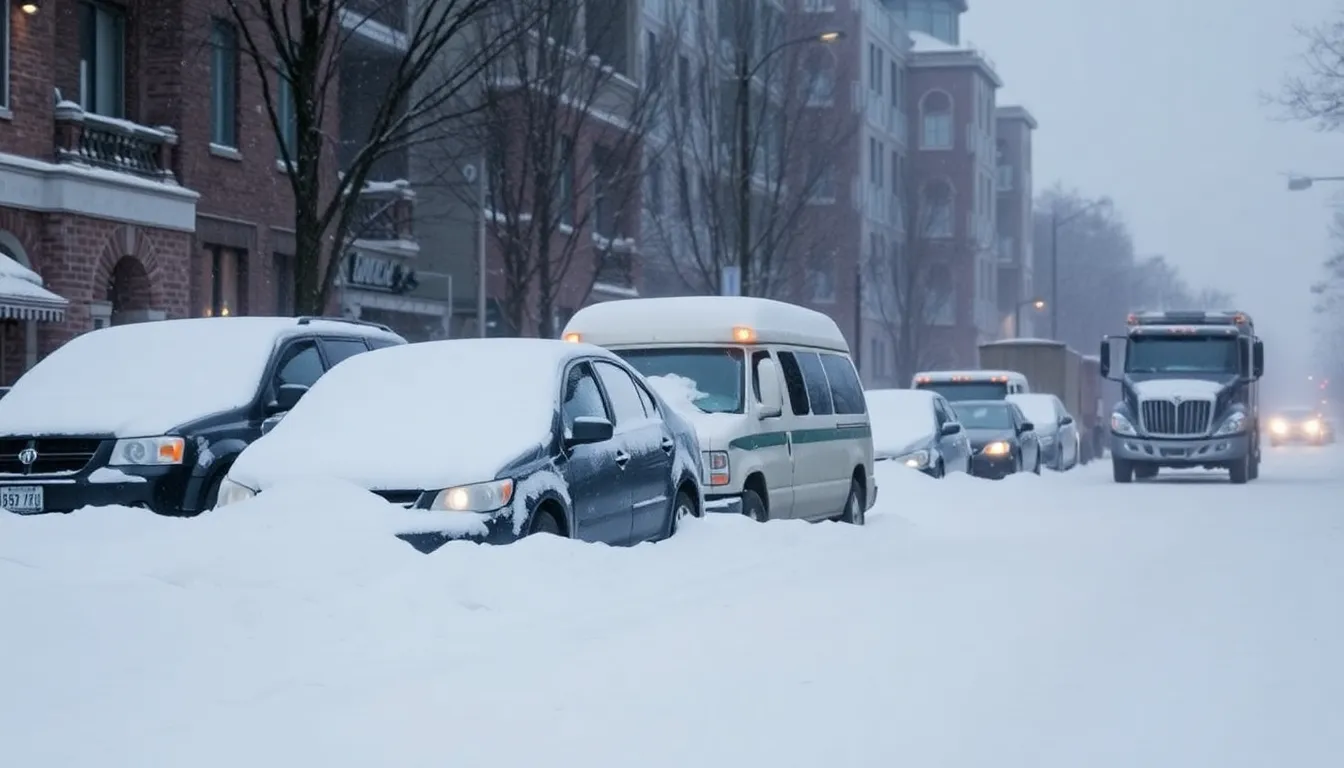
Local government agencies, including the City of Toronto and the provincial government, are primarily focused on ensuring public safety and maintaining infrastructure. Their interests lie in efficiently managing snow removal operations and responding to emergencies. However, the sheer volume of snowfall has strained resources, leading to potential conflicts over budget allocations and prioritization of services.
Residents are another key stakeholder group, facing disruptions to their daily lives. Many are concerned about access to essential services, transportation difficulties, and property damage due to heavy snow accumulation. This situation raises critical issues regarding community preparedness and the effectiveness of local response strategies during extreme weather events.
Businesses, particularly those in the retail and service sectors, are also significantly affected. The storm has led to reduced foot traffic and operational challenges, impacting revenue. Trade-offs arise as businesses weigh the costs of snow removal against potential losses from closures, further complicating the economic landscape.
Emergency services, including police and fire departments, play a crucial role during such crises. Their interests revolve around ensuring public safety and responding to emergencies efficiently. However, they face increased demands on their resources, highlighting the need for coordinated efforts among all stakeholders to address the challenges posed by the storm.
- Local government agencies must balance budget constraints with emergency response needs.
- Residents are concerned about safety and accessibility during and after the storm.
- Businesses face financial pressures due to operational disruptions and reduced customer traffic.
- Emergency services require adequate resources to manage increased demands effectively.
- Community preparedness initiatives may need reevaluation to better address future extreme weather events.
The impact of the storm on residents and city services
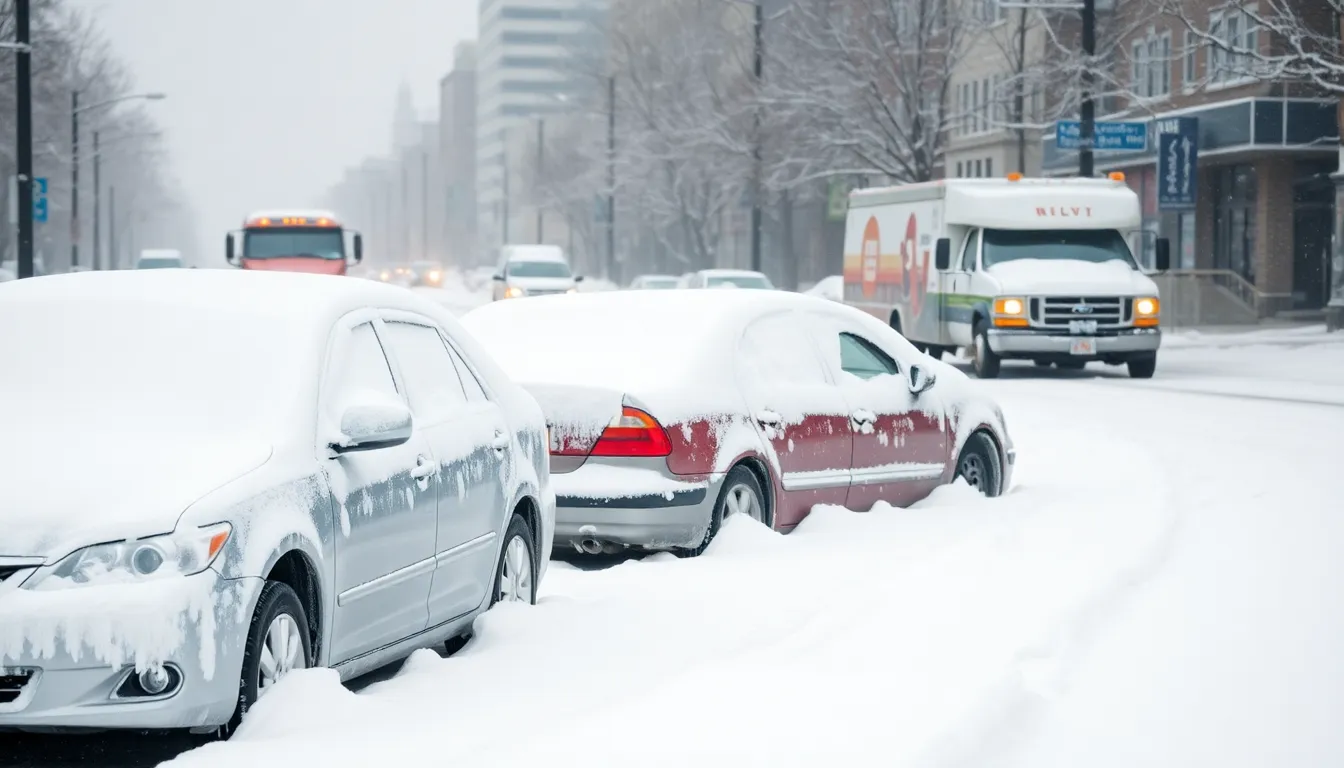
The recent winter storm that blanketed Toronto with record snowfall has significantly affected various groups and industries across the city. Residents, commuters, and local businesses are feeling the brunt of the severe weather, which has disrupted daily life and city operations.
Key groups impacted by the storm include:
- Commuters facing delays and cancellations in public transportation
- Local businesses experiencing reduced foot traffic and supply chain interruptions
- Emergency services stretched thin due to increased calls for assistance
- Schools and educational institutions forced to close or switch to online learning
In the short term, residents are grappling with hazardous road conditions and the challenge of clearing snow from their properties. This has led to increased risks of accidents and injuries, particularly among vulnerable populations such as the elderly. Businesses may see a decline in sales as customers opt to stay home, while delivery services face significant delays.
Mid-term impacts could include a shift in city policy regarding snow removal and emergency preparedness. The city may need to allocate additional resources to improve snow management strategies, which could create job opportunities in the public sector. Additionally, businesses that adapt to remote operations may find new avenues for growth, as the demand for online services and home deliveries increases.
While the storm poses significant risks, it also opens up potential opportunities for innovation in winter resilience strategies. Companies specializing in snow removal, winter apparel, and home heating solutions may see a surge in demand, leading to increased investment and job creation in these sectors.
Frequently asked questions about the winter storm
A: The storm has brought over 30 centimeters of snow in some areas, setting a new record for the city.
A: Residents are advised to stay indoors, avoid unnecessary travel, and prepare for potential power outages.
A: City crews are working around the clock to clear roads and ensure public safety, but delays are expected.
A: Many schools and businesses have opted to close or operate remotely to ensure the safety of students and employees.
A: The storm is anticipated to continue through the night, with gradual improvement expected by the following day.
Looking ahead: What the future holds for Toronto’s winter weather
The recent winter storm that brought record snowfall to Toronto serves as a stark reminder of the city’s vulnerability to extreme weather events. As climate patterns shift, residents and city planners must prepare for the possibility of more frequent and intense winter storms. Understanding the implications of this storm can help inform future strategies for infrastructure, public safety, and community resilience.
Monitoring forecasts and adapting to changing conditions will be crucial in the coming months. With the potential for further severe weather, it is essential for individuals and local authorities to stay informed and proactive in their response strategies. The lessons learned from this storm can guide future preparedness initiatives and enhance the city’s ability to cope with similar challenges.
- Invest in infrastructure improvements to enhance snow removal and drainage systems.
- Encourage residents to stay informed about weather forecasts and emergency preparedness resources.
- Explore community programs that promote resilience and support for vulnerable populations during extreme weather.
- Advocate for policies that address climate change impacts on urban environments.
- Monitor long-term climate trends to anticipate and plan for future winter weather patterns.