
Since then, the state has been working on establishing a framework for training facilitators and licensing therapy centers, which reflects a growing interest in innovative therapies like psilocybin.
Experts argue that without clear guidelines, the efficacy and safety of psilocybin treatments may be compromised, highlighting the ongoing need for standardized protocols.
Many potential patients may be hesitant to seek psilocybin treatments due to misconceptions about its safety, which underscores the importance of addressing public concerns.
As the landscape of psychedelic medicine evolves, ongoing research and open dialogue will be essential to navigate these challenges. Stakeholders, including researchers, policymakers, and mental health professionals, must collaborate to ensure that psilocybin can be safely and effectively utilized in therapeutic settings.
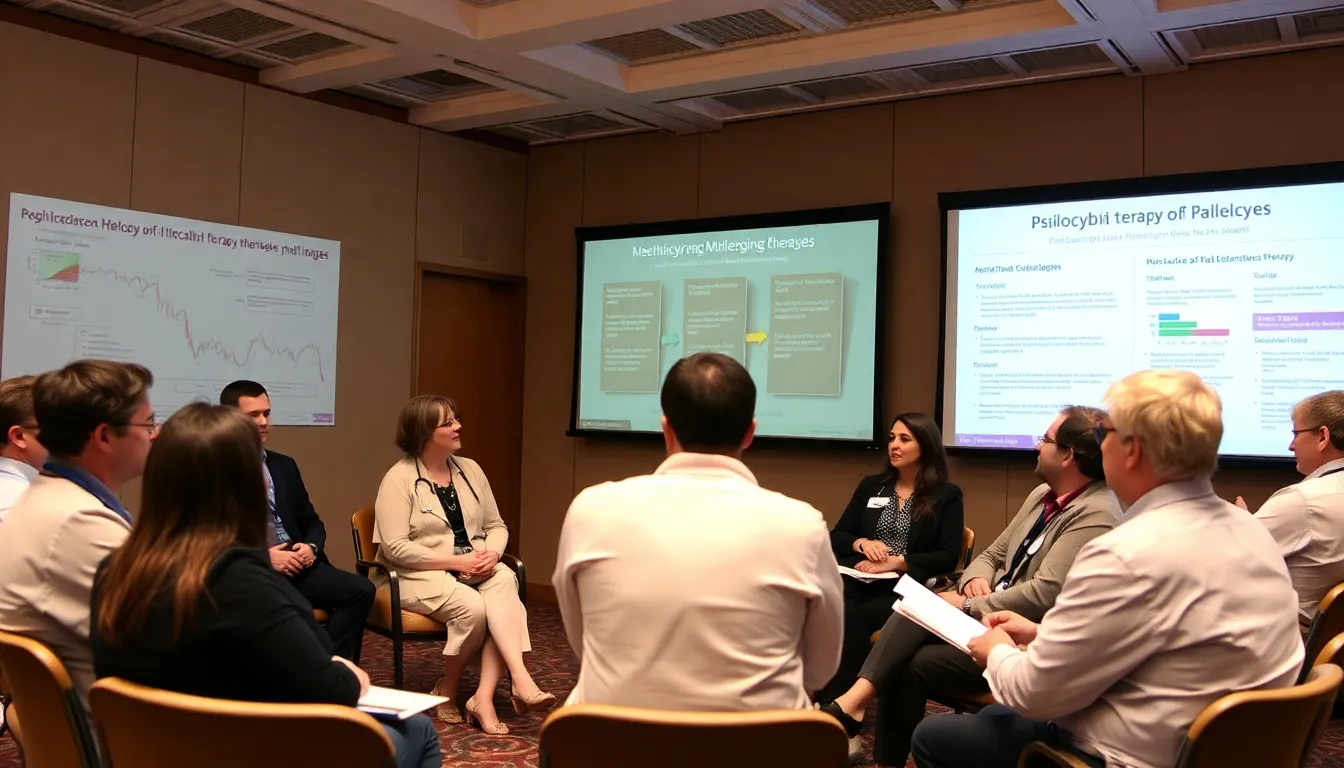
Understanding the historical context of psilocybin research
Psilocybin, a naturally occurring psychedelic compound found in certain species of mushrooms, has a rich history that dates back thousands of years. Indigenous cultures in Mesoamerica have utilized psilocybin mushrooms in religious and healing rituals for centuries, recognizing their potential to alter consciousness and provide profound insights. However, the modern scientific exploration of psilocybin began in the mid-20th century, coinciding with a broader interest in psychedelics during the counterculture movement of the 1960s.
In the 1950s and 60s, researchers began to investigate the therapeutic potential of psilocybin and other psychedelics for treating various mental health conditions, including depression and anxiety. This period saw significant breakthroughs, with studies indicating that psilocybin could facilitate transformative experiences that led to lasting psychological benefits. However, the subsequent backlash against psychedelic substances, fueled by political and social movements, led to a halt in research and the criminalization of psilocybin in many countries.
The resurgence of psilocybin research
In recent years, there has been a resurgence of interest in psilocybin as a potential treatment for mental health disorders. This revival can be attributed to a growing body of evidence supporting its efficacy, alongside a cultural shift towards more open discussions about mental health and alternative therapies. Milestones such as the 2018 approval of psilocybin studies by the FDA for treatment-resistant depression have marked a turning point, signaling a potential re-evaluation of psilocybin’s role in medicine.
Despite the promising developments, the path to widespread acceptance and integration of psilocybin into therapeutic practices has been bumpy. Challenges such as regulatory hurdles, stigma associated with psychedelics, and the need for standardized dosing and treatment protocols complicate the rollout. As researchers and advocates continue to push for evidence-based policies, the future of psilocybin in psychedelic medicine remains uncertain, yet hopeful.
Key stakeholders and their roles in psilocybin’s development
The landscape of psilocybin as a therapeutic agent is shaped by various stakeholders, each with distinct interests and influences. Key players include pharmaceutical companies, research institutions, government regulators, mental health advocates, and patients. Their interactions and conflicts contribute to the complexities surrounding the rollout of psilocybin treatments.

Pharmaceutical companies are at the forefront, investing heavily in the research and development of psilocybin-based therapies. Their interest lies in the potential for significant financial returns as the demand for innovative mental health treatments grows. However, this profit-driven approach can lead to tensions with advocacy groups that prioritize patient access and affordability over corporate profits.
Research institutions play a crucial role in validating the efficacy and safety of psilocybin. They conduct clinical trials and publish findings that inform both public perception and regulatory decisions. However, the pace of research can be hindered by regulatory hurdles and funding limitations, creating a bottleneck in the advancement of psilocybin therapies.
Government regulators are tasked with ensuring the safety and efficacy of psilocybin products before they reach the market. Their decisions can significantly impact the timeline for rollout. Conflicting interests arise when regulators face pressure from both the pharmaceutical industry, eager for quicker approvals, and public health advocates, who call for thorough evaluations to ensure patient safety.
- Pharmaceutical companies seek profit, influencing research priorities and access to treatments.
- Research institutions focus on scientific validation, often challenged by regulatory and funding constraints.
- Government regulators aim to balance safety with the need for timely access to new therapies.
- Mental health advocates push for equitable access and affordability, sometimes clashing with corporate interests.
- Patients are at the center, navigating the complexities of access, cost, and treatment efficacy.
The impact of psilocybin on patients and the healthcare market
Psilocybin, a naturally occurring psychedelic compound, is gaining traction in the field of mental health treatment. Its potential to alleviate conditions such as depression, anxiety, and PTSD has drawn attention from various stakeholders, including patients, healthcare providers, and pharmaceutical companies. As psilocybin therapy becomes more mainstream, several groups are likely to experience significant effects.

Patients suffering from mental health disorders stand to benefit the most from psilocybin therapies, which may offer new avenues for treatment where traditional methods have failed. Additionally, healthcare providers and mental health professionals will need to adapt to these new treatment modalities, requiring training and adjustments in practice. Regions where psilocybin has been legalized or decriminalized, such as parts of Oregon and Canada, are witnessing a burgeoning market for psychedelic-assisted therapy.
While the rollout of psilocybin therapies presents numerous opportunities, it also carries risks. The short-term impacts include increased access to innovative treatments, but there are concerns about the regulation and standardization of psilocybin use. Without proper oversight, there is a risk of misuse or inadequate patient support, which could undermine the credibility of psychedelic medicine.
- Short-term impacts: Increased access to alternative therapies, potential misuse, and regulatory challenges.
- Mid-term impacts: Shifts in mental health treatment paradigms, changes in healthcare policies, and emerging business opportunities.
- Opportunities: Growth in the psychedelic therapy market, new job creation in healthcare and research, and enhanced patient outcomes.
As psilocybin continues to lead in the psychedelic medicine landscape, its influence on policy and business practices will likely shape the future of mental health treatment. Stakeholders must navigate the complexities of this evolving field to maximize benefits while mitigating risks.
A: Psilocybin is a naturally occurring psychedelic compound found in certain mushrooms. It is converted in the body to psilocin, which interacts with serotonin receptors in the brain, leading to altered perceptions and mood. A: The legal status of psilocybin varies by region. Some areas have decriminalized its use, while others are still in the process of conducting research and clinical trials to evaluate its safety and efficacy. A: Psilocybin is being researched for its potential to treat various mental health conditions, including depression, anxiety, PTSD, and substance use disorders, showing promise in clinical trials. A: The rollout is complicated by regulatory hurdles, varying public perceptions, and the need for more comprehensive research to establish safety protocols and treatment guidelines. A: Access to psilocybin treatments is currently limited to clinical trials and specific therapeutic settings where it is legally permitted. Patients interested in these treatments should consult healthcare providers.
Frequently asked questions about psilocybin
Future outlook for psilocybin in psychedelic medicine
As psilocybin continues to gain recognition within the realm of psychedelic medicine, the path to widespread acceptance and integration remains complex. The evolving landscape of research, regulatory frameworks, and public perception will significantly influence its deployment in therapeutic settings. Stakeholders must navigate these challenges while remaining attentive to the growing body of evidence supporting psilocybin’s efficacy in treating various mental health conditions.
Looking ahead, the potential for psilocybin to reshape mental health treatment is substantial, but it will require careful management of clinical practices, education, and policy development. Continued collaboration among researchers, healthcare providers, and regulators will be essential to ensure that the benefits of psilocybin are realized while minimizing risks associated with its use.
- Monitor regulatory developments: Keep an eye on how different regions adapt their laws regarding psilocybin, as this will impact accessibility and research opportunities.
- Evaluate clinical outcomes: Ongoing studies will reveal the long-term effectiveness and safety of psilocybin therapies, informing best practices in treatment protocols.
- Public education initiatives: Increasing awareness and understanding of psilocybin’s potential benefits and risks will be crucial for societal acceptance.
- Integration into existing healthcare systems: Watch for how psilocybin can be incorporated into current mental health treatment frameworks, potentially enhancing patient outcomes.
- Addressing stigma: Efforts to reduce stigma associated with psychedelic use will be vital in fostering an environment conducive to research and therapy.