
Findings indicate that hedgehogs exhibit a range of behaviors at night, including foraging for food, social interactions, and even mating rituals. For more detailed observations, check out Sir David Attenborough explores the surprising wildlife of London. These observations, recorded over several months from spring to autumn 2023, highlight the importance of nighttime environments for hedgehogs, which are often overlooked in traditional wildlife studies.
Moreover, the data collected has raised awareness about the threats hedgehogs face, such as habitat loss and road traffic. With hedgehog populations declining in many areas, understanding their nighttime habits is crucial for conservation efforts and for developing strategies to protect these creatures in urban and rural settings alike.
This research has garnered attention not only from scientists but also from the public, as communities become more engaged in wildlife conservation. The insights gained from hidden cameras underscore the need for informed actions to ensure the survival of hedgehogs, particularly as they navigate increasingly fragmented landscapes, much like how one might stop killing houseplants by understanding their needs.
Understanding the natural habits of hedgehogs
Hedgehogs have long captivated the imagination of people across Europe and beyond, often associated with folklore and charming tales. Historically, these nocturnal creatures have been both revered and misunderstood, leading to a complex relationship with humans. In many cultures, hedgehogs symbolize protection and resourcefulness, but their natural behaviors have often gone unnoticed, hidden beneath the veil of night.
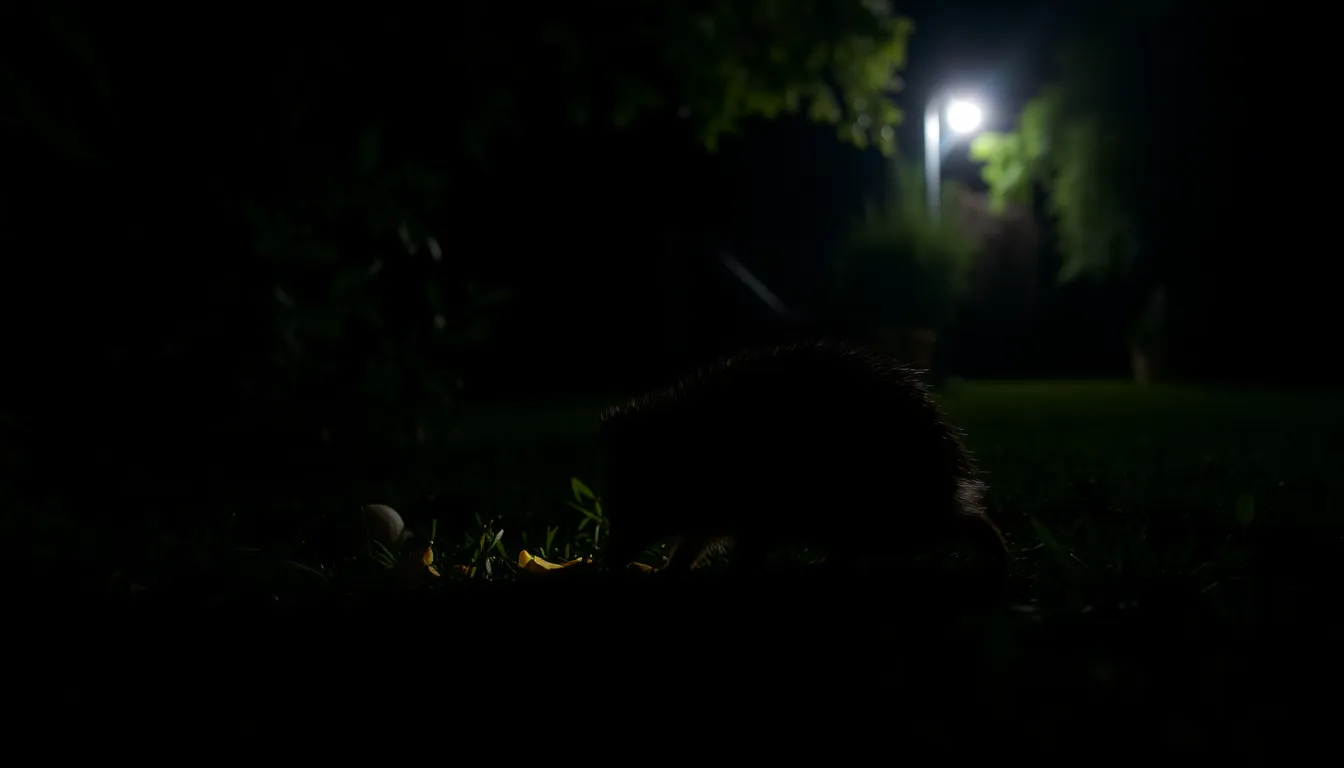
As urbanization has increased over the past century, the habitats of hedgehogs have been significantly altered. The expansion of cities and agricultural land has led to habitat fragmentation, making it increasingly difficult for these animals to thrive in their natural environments. This change has sparked a growing interest in understanding their behaviors, particularly during the night when they are most active. With the advent of technology, including hidden cameras, researchers have begun to unveil the secret lives of hedgehogs, shedding light on their foraging habits and social interactions.
The Role of Conservation Efforts
In recent years, conservation groups have recognized the importance of studying hedgehogs to ensure their survival. Initiatives aimed at monitoring hedgehog populations and educating the public about their ecological role have gained momentum. Key milestones in these efforts include the establishment of wildlife corridors that facilitate safe passage for hedgehogs and the promotion of wildlife-friendly gardening practices. These actions are crucial in reversing the decline of hedgehog numbers and fostering a better understanding of their nighttime activities, including insights that benefit from advanced techniques, such as the use of hidden cameras.
The use of hidden cameras has become a pivotal tool in wildlife research, allowing scientists to observe hedgehogs without human interference. This non-invasive method has provided invaluable insights into their behaviors, such as their feeding patterns and interactions with other species. As more footage is captured, the narrative surrounding hedgehogs is evolving, highlighting their adaptability and the challenges they face in a rapidly changing world.
Key issues surrounding hedgehog conservation and behavior
The growing interest in hedgehogs, particularly through the use of hidden cameras, has brought various stakeholders into the spotlight. These actors include wildlife conservation organizations, local governments, researchers, and the general public. Each group has its own interests, influencing how hedgehog behavior and conservation are perceived and addressed.
Wildlife conservation organizations are primarily focused on protecting hedgehog populations, which have been declining due to habitat loss and urbanization. Their interest lies in promoting awareness and implementing conservation strategies that could mitigate these threats. In contrast, local governments may prioritize urban development and infrastructure projects, which can conflict with conservation efforts. This tension creates a need for dialogue and collaboration between these entities.

Researchers play a crucial role in understanding hedgehog behavior, particularly through the insights gained from hidden cameras. Their findings can lead to more effective conservation strategies but may also raise ethical concerns regarding animal welfare and privacy. The use of technology in wildlife observation must balance scientific inquiry with respect for the animals being studied.
- Habitat Loss: Urbanization and agricultural expansion threaten hedgehog habitats, leading to population declines.
- Public Awareness: Increased interest in hedgehog behavior can foster greater public support for conservation efforts.
- Research Ethics: The use of hidden cameras raises questions about the ethical implications of observing wildlife without interference.
- Policy Conflicts: Local government policies may prioritize development over conservation, leading to potential conflicts of interest.
- Community Engagement: Involving local communities in conservation efforts can enhance the effectiveness of initiatives and foster a sense of stewardship.
Understanding these dynamics is essential for developing effective strategies to support hedgehog conservation. As various stakeholders navigate their interests, the broader implications for biodiversity and ecosystem health must remain a priority in discussions surrounding hedgehog behavior and conservation efforts.
The implications of nocturnal behaviors on hedgehog populations
The revelation of hedgehogs’ nighttime activities through hidden cameras affects various groups, including wildlife conservationists, local communities, and researchers. Understanding these behaviors can lead to more informed conservation strategies, benefiting hedgehog populations and their habitats.
In the short term, local wildlife organizations may see an increase in funding and volunteer interest as the public becomes more aware of hedgehogs’ unique behaviors. This heightened awareness can also spark community initiatives aimed at creating hedgehog-friendly environments, such as wildlife corridors and safe nesting sites.
Mid-term impacts may involve changes in local policies regarding land use and urban development. As communities recognize the importance of hedgehogs in maintaining biodiversity, there may be pushes for stricter regulations on habitat destruction and increased support for sustainable practices.
- Risks: Increased human-wildlife conflict if hedgehogs venture into urban areas in search of food.
- Opportunities: Potential for ecotourism initiatives that focus on nocturnal wildlife experiences.
- Risks: Misinterpretation of hedgehog behaviors leading to misguided conservation efforts.
- Opportunities: Enhanced educational programs that promote wildlife conservation and engagement.
Overall, the insights gained from observing hedgehogs at night can lead to a greater understanding of their ecological role and the actions needed to protect them, ultimately benefiting both wildlife and the communities that coexist with them.
A: Hedgehogs are primarily nocturnal creatures, engaging in foraging for food, exploring their territory, and social interactions during the night. A: Hidden cameras provide unobtrusive insights into hedgehog behavior, allowing researchers to observe their activities without human interference. A: Hedgehogs are generally solitary, but they can exhibit social behaviors during mating season or in areas with abundant resources. A: Hedgehogs are omnivorous and often eat insects, snails, fruits, and occasionally small vertebrates during their nighttime foraging. A: You can help by creating a hedgehog-friendly garden, avoiding pesticides, and ensuring safe passage across roads.
Frequently asked questions about hedgehogs and their nighttime activities
Key takeaways about hedgehogs’ secret lives
The recent revelations from hidden camera footage have shed light on the nocturnal behaviors of hedgehogs, offering a fascinating glimpse into their world after dark. These insights not only enhance our understanding of hedgehog ecology but also highlight the importance of preserving their natural habitats to ensure their survival and well-being.
As we reflect on these findings, it becomes clear that observing hedgehogs in their natural environment can lead to more effective conservation strategies. Additionally, the behaviors captured on camera suggest potential areas for further research, particularly regarding their interactions with other wildlife and the impact of urbanization on their nightly activities.
- Understanding hedgehog behavior can inform better conservation practices and habitat management.
- Further research may reveal how hedgehogs interact with urban environments and other species.
- Encouraging wildlife-friendly practices in gardens can support hedgehog populations.
- Raising awareness about the challenges hedgehogs face can foster community engagement in conservation efforts.
- Continued monitoring through technology can provide deeper insights into the lives of these elusive creatures.