
One of the key changes is the introduction of a combination vaccine that reduces the number of individual injections a child receives. This move is intended to improve vaccination rates and make the process less daunting for both children and their caregivers. However, it has also raised concerns among some groups about the long-term efficacy and safety of combining multiple vaccines into one. For more insights on public health challenges, check out our article on Clash of Wills Behind Taliban’s Internet Shutdown.
Additionally, prominent figures in the public health arena, including Robert F. Kennedy Jr., have voiced their opinions on the new schedule. Kennedy, known for his controversial stance on vaccines, has indicated that this change could be just the beginning of a broader reevaluation of vaccination policies. His influence in the discussion surrounding vaccine safety and public health may lead to further changes in the future.
The implications of this new schedule extend beyond immediate health concerns; they also touch on broader societal issues, such as parental choice and public trust in health authorities. As the debate continues, stakeholders from various sectors, including education, healthcare, and government, will need to engage in constructive dialogue to navigate the complexities of vaccination policies.
Background on RFK Jr.’s influence in public health policy
Robert F. Kennedy Jr., a prominent environmental attorney and activist, has long been a controversial figure in the realm of public health. His advocacy against vaccines, particularly during the early 2000s, has positioned him at the forefront of the anti-vaccine movement. Kennedy’s claims, often rooted in a distrust of pharmaceutical companies and government regulatory bodies, have resonated with a segment of the population that is increasingly skeptical of conventional medical practices.
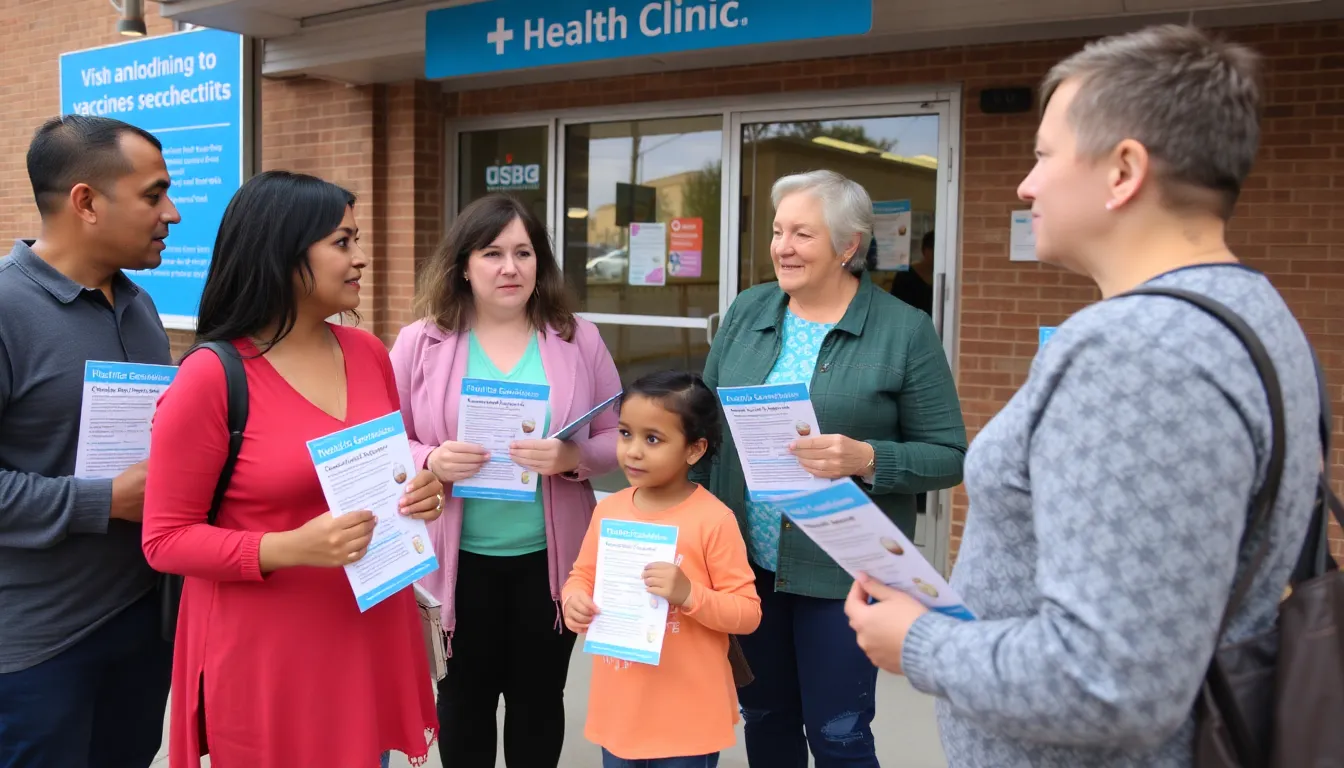
The historical context of vaccine skepticism in the United States can be traced back to various events, including the 1976 swine flu vaccination campaign, which led to widespread reports of adverse effects. This campaign, coupled with ongoing debates about vaccine safety, has fueled a narrative that questions the efficacy and necessity of childhood vaccinations. Kennedy’s rise as a leading voice in this narrative has been marked by his ability to leverage social media and public appearances to spread his message. For further reading on individual freedoms and public discourse, see our article Honey I shrunk the data centres: Is small the new big.
The Political Landscape
The political environment surrounding public health has also evolved, with figures like Kennedy gaining traction during times of political polarization. His alignment with certain political ideologies has allowed him to tap into broader concerns about government overreach and individual freedoms. This has led to a growing movement advocating for changes in vaccine schedules, as seen in recent proposals that seek to reduce the number of mandated vaccinations for children.
In recent years, as public health policies have come under scrutiny, the dialogue around vaccine schedules has intensified. The introduction of new vaccines and modifications to existing schedules have sparked debates not only among health professionals but also among parents and policymakers. Kennedy’s influence in these discussions has the potential to reshape the future landscape of public health, as he continues to advocate for more personalized vaccine approaches. To understand more about the implications of technology and disruption, explore our coverage on Backlash against Musk’s Grok AI explained.
As we look at the evolution of vaccine policy, it is essential to consider the role of key milestones, such as the establishment of the National Childhood Vaccine Injury Act in 1986, which aimed to provide compensation for vaccine-related injuries. This act, while intended to protect vaccine manufacturers, also contributed to the growing public concern over vaccine safety. With Kennedy’s push for reform and his ongoing engagement in public discourse, the conversation surrounding vaccine schedules is likely to remain a contentious issue in the years to come.
Key stakeholders and issues surrounding the vaccine schedule changes
The recent proposal for a new children’s vaccine schedule has sparked significant debate among various stakeholders, each with distinct interests and concerns. Key actors include public health organizations, government agencies, pharmaceutical companies, and advocacy groups, all of which play crucial roles in shaping vaccine policies and public perception.

Public health organizations, such as the Centers for Disease Control and Prevention (CDC) and the World Health Organization (WHO), are primarily focused on ensuring the safety and efficacy of vaccines. Their interest lies in maintaining high vaccination rates to prevent outbreaks of vaccine-preventable diseases. However, any changes to the vaccine schedule may lead to public skepticism, particularly if the rationale behind these changes is not effectively communicated.
Pharmaceutical companies, responsible for developing and producing vaccines, have a vested interest in the vaccine schedule as it directly impacts their market and profitability. Changes in the schedule could affect demand for certain vaccines, leading to potential financial implications. Additionally, these companies face scrutiny regarding the transparency of their research and the safety of their products, which can influence public trust.
Advocacy groups, including those led by figures like Robert F. Kennedy Jr., often challenge existing vaccine policies and advocate for parental choice and vaccine safety. Their involvement raises questions about the balance between individual rights and public health needs. This can create a conflict between the desire for comprehensive vaccination coverage and the push for more personalized vaccine schedules.
- Public Health Concerns: Ensuring community immunity while addressing vaccine hesitancy.
- Economic Implications: Financial impacts on pharmaceutical companies and healthcare systems.
- Legal Challenges: Potential for lawsuits related to vaccine mandates and parental rights.
- Public Perception: The role of misinformation in shaping attitudes towards vaccines.
- Future Policy Changes: Ongoing debates about the potential for further changes to vaccine guidelines.
Who will be affected by these changes and how
The introduction of a new children’s vaccine schedule is poised to impact various groups, including parents, healthcare providers, and educational institutions. Parents will need to navigate the updated requirements, which may necessitate changes in their approach to their children’s healthcare. Healthcare providers will face the task of adapting their practices to align with the new guidelines, while schools may need to implement new policies regarding vaccination compliance.

In the short term, parents may experience increased anxiety as they seek to understand the implications of the new schedule. This could lead to a rise in consultations with pediatricians and healthcare professionals. Additionally, there may be a temporary disruption in vaccination appointments as clinics adjust to accommodate the new schedule, potentially delaying immunization for some children.
Mid-term impacts could include shifts in public health policy as state and local governments respond to the new vaccine guidelines. Schools may need to enhance their vaccination tracking systems, which could result in increased administrative costs. However, this also presents an opportunity for educational institutions to strengthen their health programs and promote awareness about the importance of vaccinations.
- Increased healthcare consultations for parents.
- Temporary disruptions in vaccination schedules.
- Enhanced vaccination tracking in schools.
- Potential for improved public health initiatives.
Industries related to healthcare, such as pharmaceutical companies and vaccine manufacturers, may see a shift in demand based on the new schedule. While there are risks associated with public resistance to vaccination, there is also an opportunity for these companies to innovate and develop new products that align with the updated guidelines, potentially leading to increased market growth.
A: The new schedule outlines updated vaccination timelines and recommendations for children, aimed at improving public health outcomes. A: RFK Jr. has been a vocal advocate for changes in vaccine policies, often challenging existing guidelines and promoting alternative views. A: The changes may affect vaccination rates, public health initiatives, and the overall perception of vaccine safety among parents. A: Yes, there are debates over vaccine safety and efficacy, with some groups opposing the new recommendations. A: Parents should stay informed about the schedule and consult healthcare providers to understand the implications for their children.
Frequently asked questions about the vaccine schedule changes
Key takeaways and future outlook on vaccine policies
The recent changes to the children’s vaccine schedule, influenced by the advocacy of figures like RFK Jr., signal a potential shift in public health policy that could resonate beyond immediate adjustments. As vaccine hesitancy continues to be a topic of discussion, the implications of these changes may extend to how health recommendations are formulated and communicated to the public.
Monitoring the response from both healthcare providers and the public will be crucial. This evolving landscape may foster new conversations around vaccine safety, efficacy, and the role of advocacy in shaping health policy, ultimately impacting future vaccination strategies.
- Increased Public Discourse: Expect heightened discussions around vaccine safety and efficacy, potentially leading to more personalized healthcare approaches.
- Shifts in Policy Making: Watch for potential changes in how health policies are developed, possibly incorporating more public input and advocacy perspectives.
- Healthcare Provider Adaptation: Healthcare providers may need to adapt their communication strategies to address growing concerns and questions from parents.
- Long-term Impact on Immunization Rates: The long-term effects on immunization rates will be critical to assess, as public trust can significantly influence health outcomes.
- Emergence of New Advocacy Groups: The landscape may see the rise of new advocacy groups focused on vaccine policy, reflecting diverse viewpoints and influencing future legislation.