
Key stakeholders, including tech experts and civil rights organizations, have voiced their apprehensions over the implications of Grok AI’s technology. Critics argue that the AI’s training data may not adequately represent diverse populations, leading to skewed results that could reinforce existing societal biases. This backlash has intensified as more users report unsatisfactory experiences and questionable content generated by the platform, as seen in related discussions about Musk’s xAI.
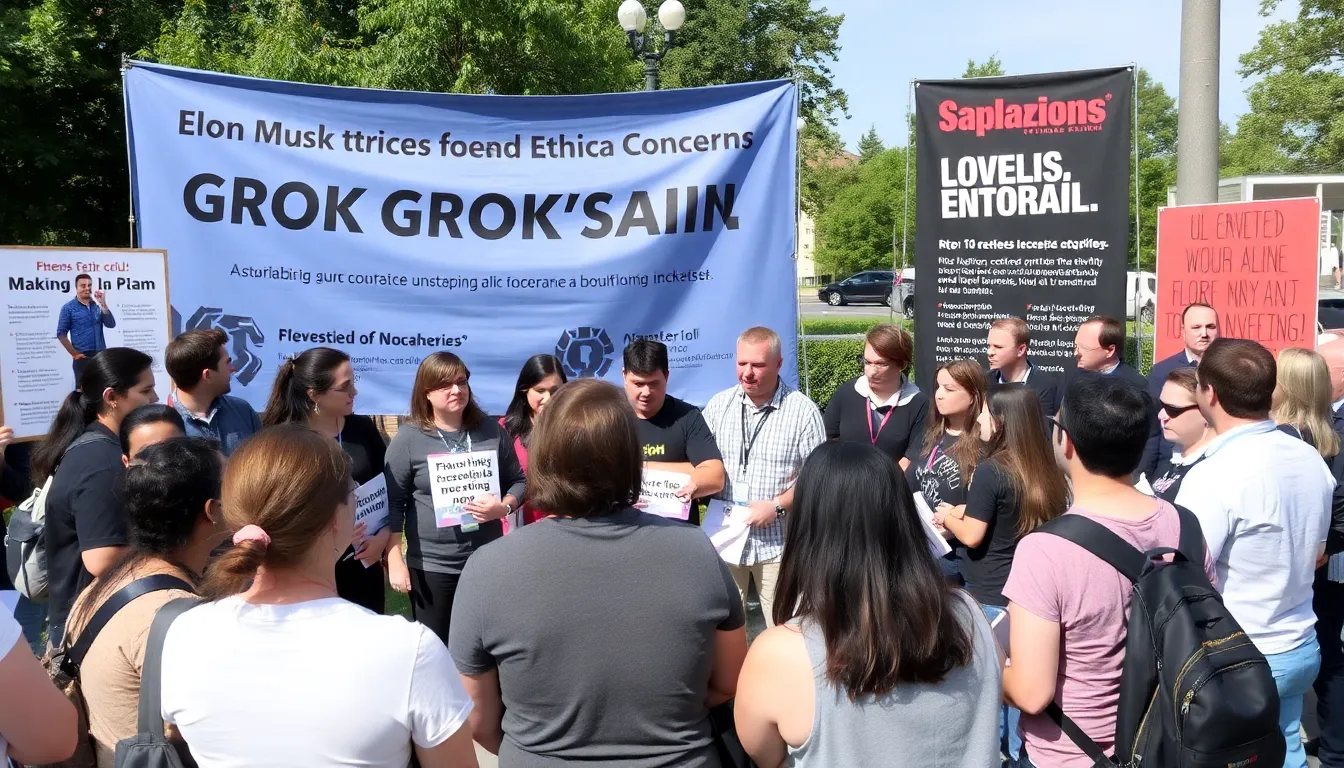
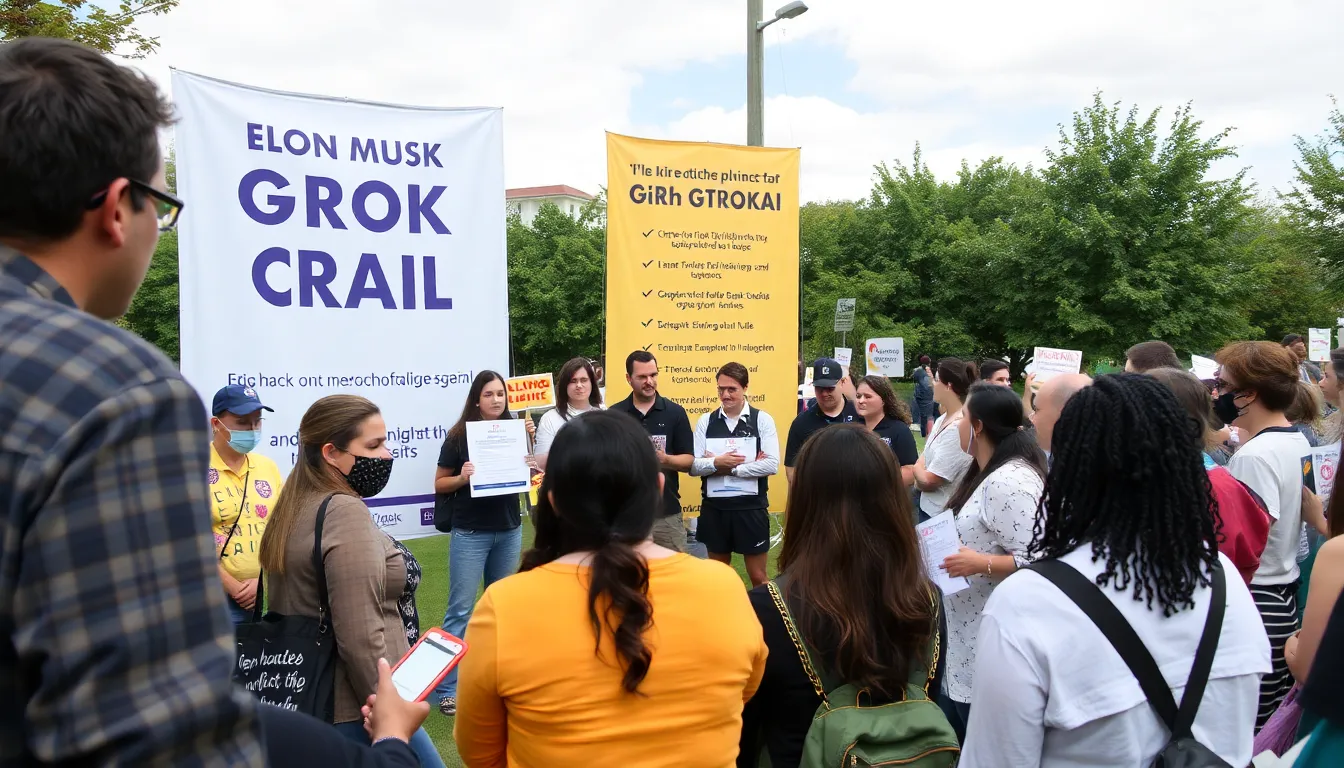
On October 15, 2023, a coalition of advocacy groups organized a public forum to address these issues, demanding greater accountability from Musk and his team. The event highlighted the need for clearer guidelines on AI ethics and user data protection, emphasizing that swift action is necessary to mitigate the risks associated with AI technologies like Grok.
Furthermore, the backlash is compounded by Musk’s controversial reputation, which has drawn skepticism towards his ventures in AI. As Grok AI continues to evolve, the scrutiny it faces may shape future regulations and standards for artificial intelligence, making its current situation a pivotal moment in the tech industry.
Background on Musk’s Grok AI and its introduction
The emergence of Grok AI is a significant chapter in the ongoing evolution of artificial intelligence, particularly in the context of its controversial figure, Elon Musk. Musk, known for his ambitious ventures in technology and space, has consistently pushed the boundaries of innovation. Grok AI, introduced in the wake of escalating competition in the AI sector, aims to offer a unique approach to machine learning and data processing, distinguishing itself from existing models developed by tech giants like Google and OpenAI.
The introduction of Grok AI can be traced back to Musk’s long-standing concerns about the potential dangers of unchecked AI development. In 2015, he co-founded OpenAI with the mission to ensure that artificial general intelligence (AGI) benefits humanity. However, his departure from OpenAI in 2018 marked a turning point, as Musk began to pursue his vision of AI through his own channels, leading to the creation of Grok AI, which is frequently mentioned in articles like California Tech Executives Mobilize Against Wealth Tax Support.
As Grok AI began to gain traction, it was met with a mixture of excitement and skepticism. The rapid advancements in AI technology have prompted widespread discussions about ethical implications, regulatory frameworks, and the economic impact on various industries. Musk’s outspoken views against AI regulation have further fueled the debate, raising questions about the responsibility of AI developers in ensuring safety and ethical standards.
Key Milestones in AI Development
To understand the backdrop of Grok AI, it is essential to consider key milestones in AI development. The launch of ChatGPT in 2020 marked a significant breakthrough in natural language processing, which set a high standard for conversational AI. Following this, numerous companies, including Musk’s own ventures, began to explore the potential of generative AI, leading to a competitive landscape that has only intensified over the years.
Moreover, the increasing integration of AI into various sectors, from healthcare to finance, has underscored the urgency for robust AI governance. As Grok AI enters the fray, it becomes part of a larger narrative about the balance between innovation and ethical responsibility, prompting stakeholders to reevaluate their positions in this rapidly changing environment.
Key stakeholders and issues surrounding Grok AI
The development of Grok AI, spearheaded by Elon Musk, has attracted a diverse group of stakeholders, each with distinct interests and concerns. Among the primary actors are technology companies, regulatory bodies, civil rights organizations, and the general public. Their varying perspectives on AI’s implications shape the ongoing discourse surrounding Grok AI.

Technology companies, including competitors and collaborators, are particularly invested in the outcomes of Grok AI. They seek to understand how Musk’s approach to AI might influence market dynamics, innovation, and consumer trust. Additionally, these companies are concerned about the potential for Grok AI to set new standards in AI development, which could either benefit or hinder their own operations.
Regulatory bodies across different regions are also key stakeholders. As AI technologies evolve rapidly, governments are faced with the challenge of creating frameworks that ensure ethical usage while fostering innovation. The conflict arises from the need to balance regulation with the desire for technological advancement, as overly stringent regulations might stifle creativity and growth in the sector.
- Data Privacy: Concerns about how Grok AI handles user data and privacy issues are paramount, especially in light of increasing scrutiny on tech companies.
- Ethical Implications: The ethical considerations surrounding AI decision-making processes are a significant point of contention among stakeholders.
- Market Competition: Grok AI’s entry into the market could disrupt existing players, raising questions about fair competition and market monopolization.
- Public Perception: The general public’s trust in AI technologies is crucial, and backlash against Grok AI could influence future adoption rates.
Moreover, civil rights organizations are voicing concerns over potential biases in AI algorithms, which could perpetuate discrimination. Their advocacy highlights the need for transparency and accountability in AI systems, underscoring the complexity of the issues surrounding Grok AI and its broader implications for society, especially as seen in the ongoing debates about the impact of technology on industries.
Impact of Grok AI on users and the tech market
The introduction of Grok AI, spearheaded by Elon Musk, has sparked significant backlash across various sectors. Users, particularly those reliant on social media and digital communication, are likely to feel the immediate effects of this new technology. As Grok AI integrates with existing platforms, users may experience shifts in content moderation, privacy concerns, and changes in user engagement.
Industries such as advertising, content creation, and customer service are poised to be directly impacted. Companies that rely on AI for targeted marketing or chatbots may need to reassess their strategies and adapt to the evolving landscape. The tech market could see a ripple effect, influencing investment patterns and driving competition among AI developers.
In the short term, businesses may face operational challenges as they navigate the implications of Grok AI. This could lead to a temporary slowdown in productivity as companies adjust to new tools and policies. However, in the mid-term, there are potential opportunities for innovation, particularly for those willing to embrace and adapt to AI advancements.
- Risks: Privacy violations and misinformation could rise, leading to user distrust.
- Opportunities: Enhanced efficiency in operations and new market niches for AI-driven solutions.
- Policy Implications: Increased scrutiny and potential regulation of AI technologies may emerge.
Regions with a strong tech presence, such as Silicon Valley, are likely to see a heightened focus on the ethical implications of AI deployment. As public sentiment shifts, companies may be pressured to prioritize transparency and user safety, reshaping the future of AI integration in daily life.
A: Grok AI is an artificial intelligence platform developed by Elon Musk that aims to enhance user interaction and data processing. It has garnered attention for its innovative features and potential applications. A: The backlash stems from concerns over privacy, ethical implications, and the potential misuse of AI technology. Critics argue that it may lead to unintended consequences in various sectors. A: Critics include tech experts, ethicists, and privacy advocates who emphasize the need for responsible AI development. They are particularly vocal about the risks associated with Musk’s approach. A: Grok AI is unique in its integration of advanced algorithms and user-centric design, but it faces competition from established AI platforms that prioritize ethical standards and user safety. A: Potential benefits include improved efficiency in data handling, enhanced user experiences, and innovative applications across various industries. However, these benefits must be weighed against the risks.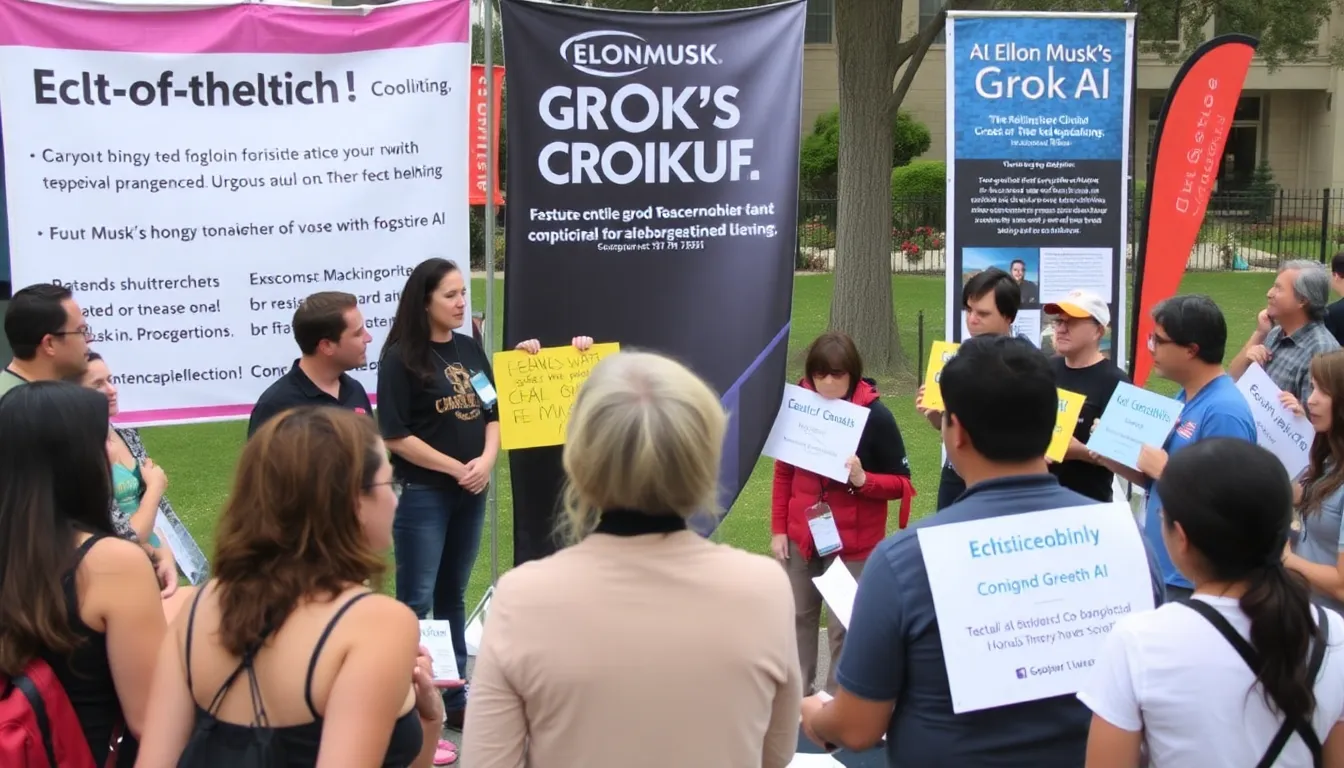
Frequently asked questions about Grok AI
Key points and future outlook on Grok AI
The launch of Musk’s Grok AI has sparked significant debate regarding its implications for privacy, ethics, and the future of AI technology. As users and experts voice their concerns, it becomes essential to consider how these issues will shape public perception and regulatory responses moving forward. The backlash highlights a growing unease about the unchecked development of AI systems and their potential impact on society.
Looking ahead, the evolution of Grok AI will likely be influenced by both user feedback and regulatory frameworks. Stakeholders will need to navigate the balance between innovation and ethical responsibility, ensuring that AI technologies serve the public good while addressing legitimate concerns about data security and algorithmic bias.
- Watch for increased regulatory scrutiny as governments respond to public concerns over AI ethics and privacy.
- Monitor user adoption trends, as backlash may affect Grok AI’s market penetration and overall acceptance.
- Expect ongoing discussions in the tech community about best practices for responsible AI development.
- Consider the potential for competitor innovations that may arise in response to Grok AI’s challenges.
- Be aware of the evolving landscape of public sentiment towards AI, which could influence future technological advancements.