
This approach not only broadens the narrative possibilities but also appeals to a younger, tech-savvy audience, which is described in more detail in related articles.
The collaboration involves a team of skilled professionals from various fields, including directors, digital artists, and sound designers, illustrating a trend that has been reflecting in various projects within the arts.
Moreover, this initiative highlights the importance of adapting to modern technological advancements in the arts. With the ongoing challenges faced by live performances, especially in the wake of the COVID-19 pandemic, exploring mixed reality offers a new avenue for creative expression. Ian McKellen’s venture is not just a personal milestone but also a pivotal moment for the future of theater as it embraces innovation.
The evolution of mixed reality in entertainment and its significance
Mixed reality (MR) has emerged as a transformative force in the entertainment industry, blending the physical and digital worlds to create immersive experiences. This evolution can be traced back to the early days of virtual reality (VR) and augmented reality (AR), which laid the groundwork for MR technologies. As advancements in computing power and graphics capabilities have accelerated, creators have been able to develop increasingly sophisticated applications that engage audiences in novel ways.
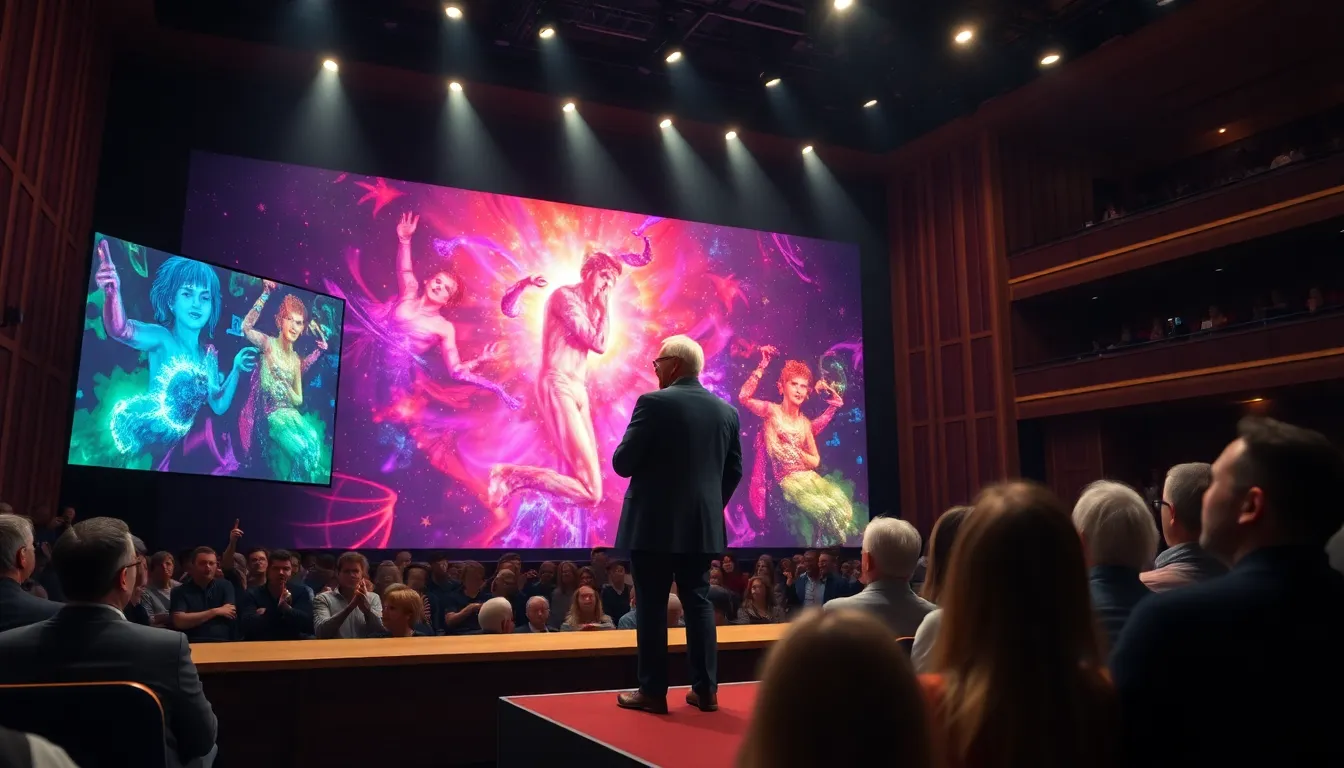
The significance of mixed reality extends beyond mere entertainment; it reflects broader technological trends and societal shifts. The rise of smartphones and mobile devices has facilitated the widespread adoption of AR applications, while the gaming industry has embraced VR to enhance user experiences. As a result, mixed reality has become a key player in the convergence of technology and storytelling, reshaping how narratives are conveyed and experienced.
Key milestones in mixed reality development
Several key milestones have marked the journey of mixed reality in entertainment. The introduction of the Microsoft HoloLens in 2016 showcased the potential of AR to overlay digital content onto the real world, paving the way for creative applications in gaming, education, and beyond. Similarly, the launch of platforms like Oculus Rift and HTC Vive revolutionized VR gaming, allowing users to immerse themselves in richly detailed virtual environments.
This synergy between technology and artistry signals a new era in entertainment, similar to movements discussed in the current trends of media innovation.
As mixed reality continues to evolve, it raises important questions about the future of entertainment and its impact on society. The integration of MR into mainstream media suggests a shift in how stories are told and consumed, prompting discussions about accessibility, inclusivity, and the ethical implications of immersive technologies. Understanding this context is crucial for appreciating the significance of projects like “An Ark” and their role in shaping the future of entertainment.
Key stakeholders and the challenges of integrating mixed reality in performances
The emergence of mixed reality (MR) in the performing arts, exemplified by Ian McKellen’s latest project ‘An Ark’, involves a diverse array of stakeholders, each with distinct interests. These include artists, technology developers, production companies, audiences, and regulatory bodies. Each group plays a crucial role in shaping how MR is integrated into theatrical experiences.
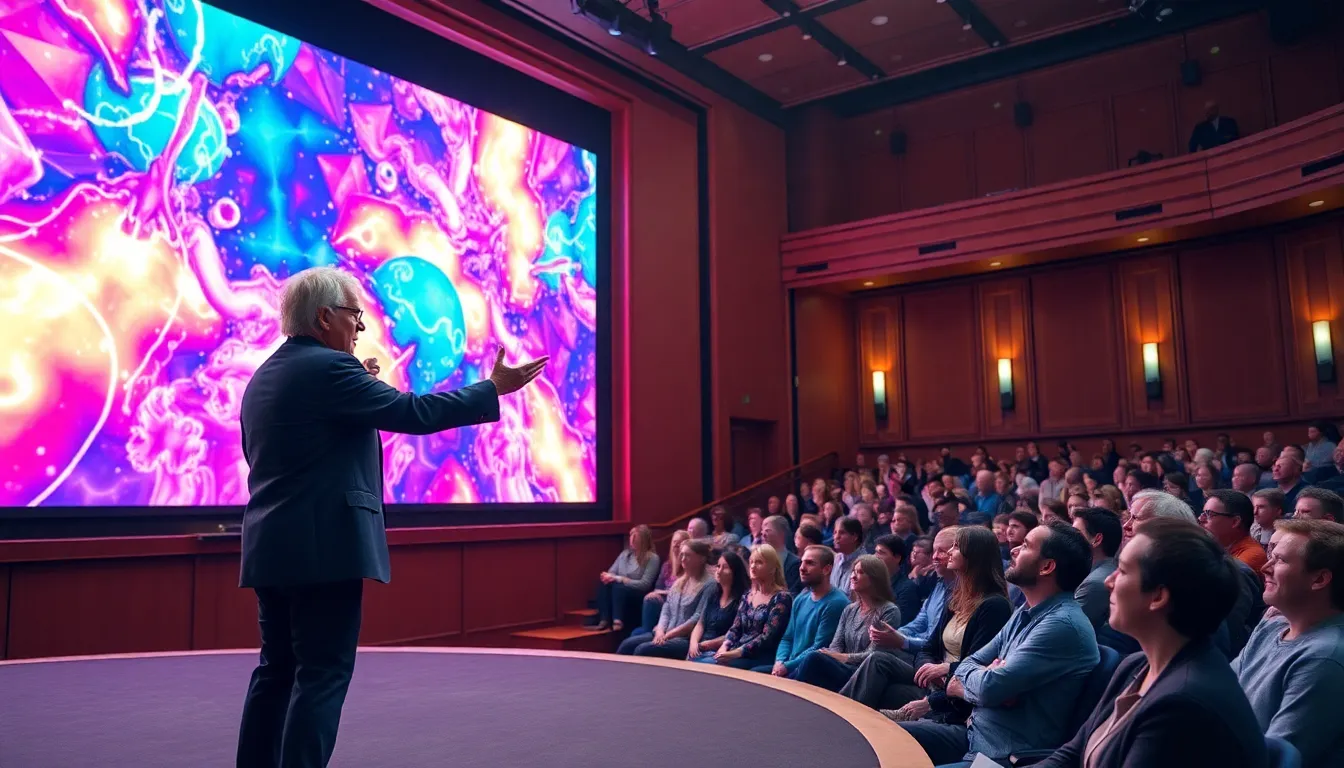
Artists, including actors and directors, are primarily interested in exploring new creative avenues that MR technology offers. For them, the ability to blend the physical stage with digital elements can enhance storytelling and audience engagement. However, there is a concern about how these technologies might overshadow traditional acting methods or alter the nature of live performance.
Technology developers are another key player, driven by the potential for innovation and commercial success. Their goal is to create user-friendly MR tools that can be seamlessly integrated into live performances. Yet, they face challenges related to the reliability of technology and the need for significant investment in research and development.
Production companies must balance the cost of implementing MR technologies with the expected return on investment. This involves navigating financial risks and the potential for audience alienation if the technology is not well-received. Additionally, they must consider the legal implications surrounding intellectual property rights and the use of digital content in performances.
- Economic considerations: High costs of MR technology may limit accessibility for smaller productions.
- Audience reception: Diverse audience preferences could lead to mixed reactions to MR-enhanced performances.
- Legal issues: Copyright and intellectual property challenges arise with the use of digital assets.
- Artistic integrity: Concerns about preserving traditional performance art amidst technological advancements.
- Collaboration opportunities: Potential for partnerships between artists and tech companies to innovate.
Governments and cultural organizations may also play a role in supporting the integration of MR in the arts through funding and policy-making. Their interest lies in promoting cultural innovation and ensuring that the arts remain accessible and relevant in a rapidly changing technological landscape. However, they must also address the regulatory challenges that come with new technologies, such as data privacy and safety standards.
The impact of An Ark on audiences and the future of theatrical experiences
The launch of ‘An Ark,’ featuring Ian McKellen, is set to create ripples across various sectors, particularly in the entertainment and technology industries. Audiences, ranging from theatre enthusiasts to tech-savvy individuals, will experience a blend of live performance and mixed reality, redefining how stories are told and consumed. This innovative approach is likely to attract a diverse demographic, including younger audiences who are increasingly drawn to immersive experiences.
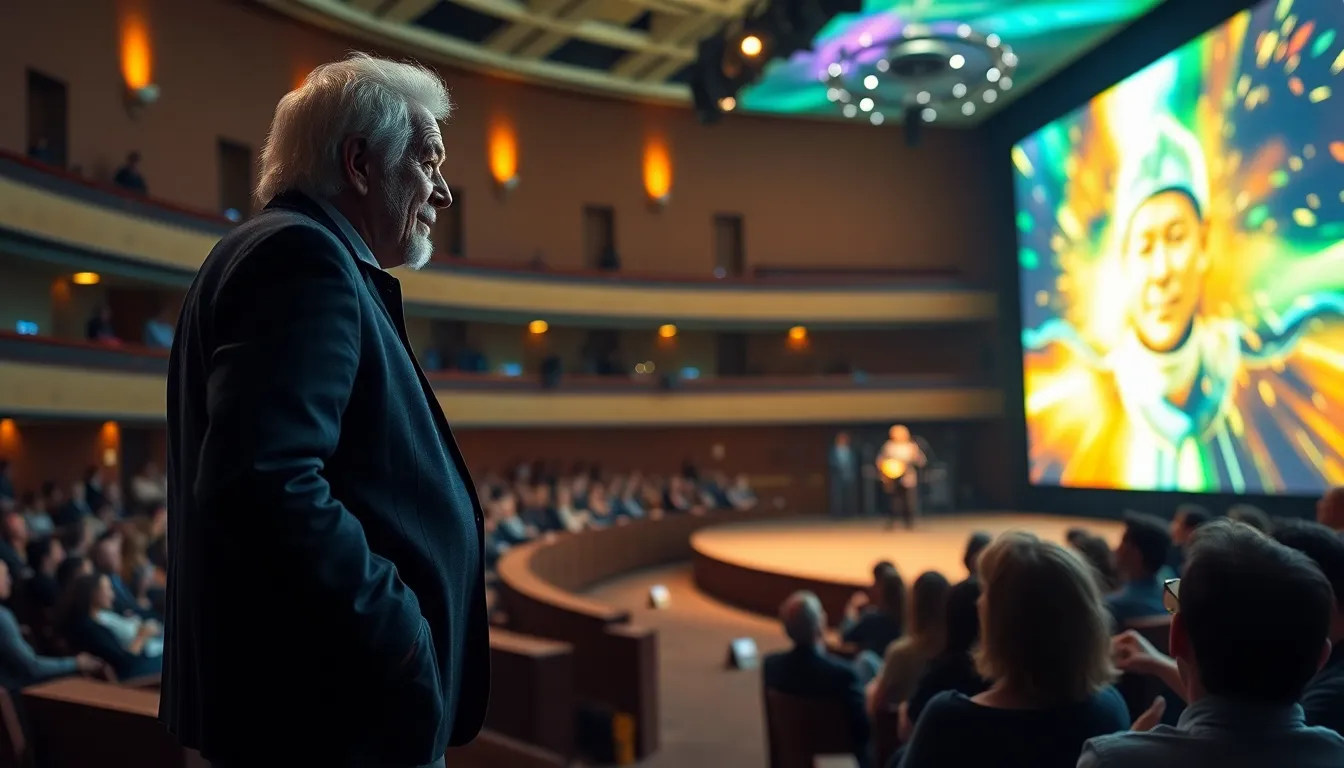
In the short term, the immediate effect on daily life may include a shift in how people engage with theatrical productions. Traditional theatre-goers may find themselves exploring new avenues of storytelling, while tech companies could see a surge in demand for mixed reality applications. Theatres may need to adapt their business models to incorporate technology, leading to potential collaborations between artists and tech developers.
Mid-term impacts could manifest in policy changes within the arts sector, as funding bodies and cultural institutions recognize the importance of integrating technology into the arts. This could lead to increased investment in mixed reality projects and training programs for artists. However, there are risks associated with this shift; traditional theatre may struggle to retain its audience if it does not evolve alongside these technological advancements.
- Opportunities: New revenue streams for theatres through ticket sales and merchandise linked to mixed reality experiences.
- Risks: Potential alienation of traditional audiences who prefer classic theatre formats.
- Impact on jobs: Creation of new roles in tech integration within the arts sector.
As ‘An Ark’ paves the way for future productions, the interplay between technology and theatre will likely shape not only audience experiences but also the broader landscape of live performances, making it essential for stakeholders to adapt and innovate in this evolving environment.
A: An Ark is a mixed reality performance featuring Ian McKellen, exploring themes of storytelling and technology in a unique format. A: Mixed reality combines live performance with digital elements, creating an immersive experience that engages audiences in new ways. A: An Ark is available through select platforms and theaters that support mixed reality performances. A: The production utilizes advanced VR and AR technologies to create a seamless blend of live action and digital environments. A: Alongside Ian McKellen, various artists and technologists contribute to the creative and technical aspects of the production.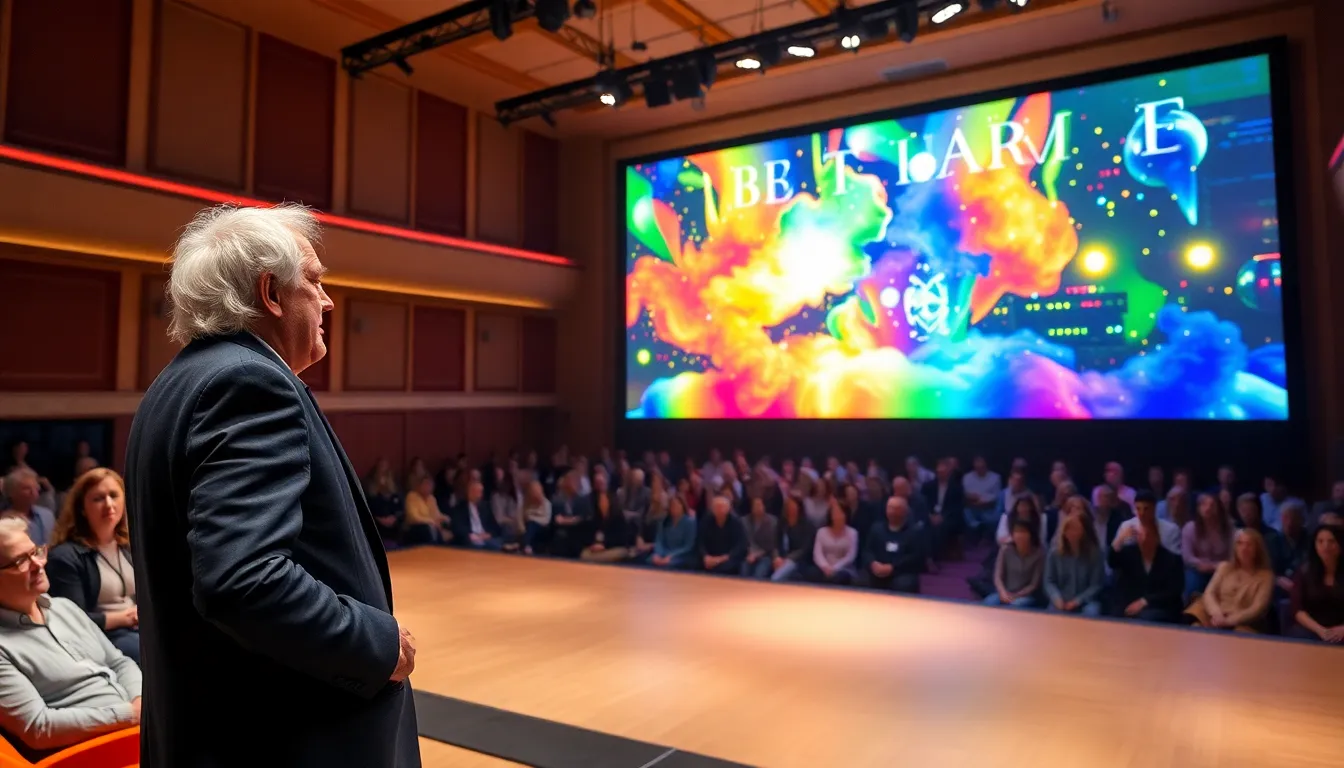
Frequently Asked Questions about An Ark
Insights on the future of mixed reality in theater
The integration of mixed reality in theater, as demonstrated in ‘An Ark’, presents a transformative opportunity for storytelling and audience engagement. Ian McKellen’s involvement highlights not only the artistic potential but also the technological advancements that can redefine the theatrical experience. As the boundaries between the physical and digital worlds continue to blur, the implications for production design, audience interaction, and narrative delivery become increasingly significant.
Looking ahead, the evolution of mixed reality in theater will likely pave the way for new forms of artistic expression, challenging traditional conventions and inviting audiences to participate in immersive experiences. This shift could also influence how theaters operate, requiring a reevaluation of resources, training, and collaboration between artists and technologists.
- Expect increased collaboration between theater practitioners and technology developers to create innovative mixed reality experiences.
- Watch for the emergence of hybrid performances that blend live action with digital elements, enhancing narrative depth.
- Consider the potential for audience participation in mixed reality environments, which could redefine the role of spectators in theatrical productions.
- Monitor trends in audience engagement and feedback, as mixed reality may provide new avenues for interaction and connection.
- Keep an eye on the accessibility of mixed reality technologies, as their affordability and usability will play a critical role in widespread adoption within the theater community.