
This decrease in snowfall is attributed to shifting weather patterns, likely influenced by climate change. The Intergovernmental Panel on Climate Change (IPCC) has noted that rising global temperatures are altering precipitation patterns, leading to less snowfall and more rain during winter months in mountainous regions. For more insights on global impacts, read about US frackers facing challenges.
The impact of reduced snowfall is profound, as it affects not only the local ecosystems but also the water supply for millions of people in South Asia. Snowmelt from the Himalayas serves as a critical water source for major rivers, including the Ganges and the Indus, which sustain agriculture and drinking water for densely populated areas.
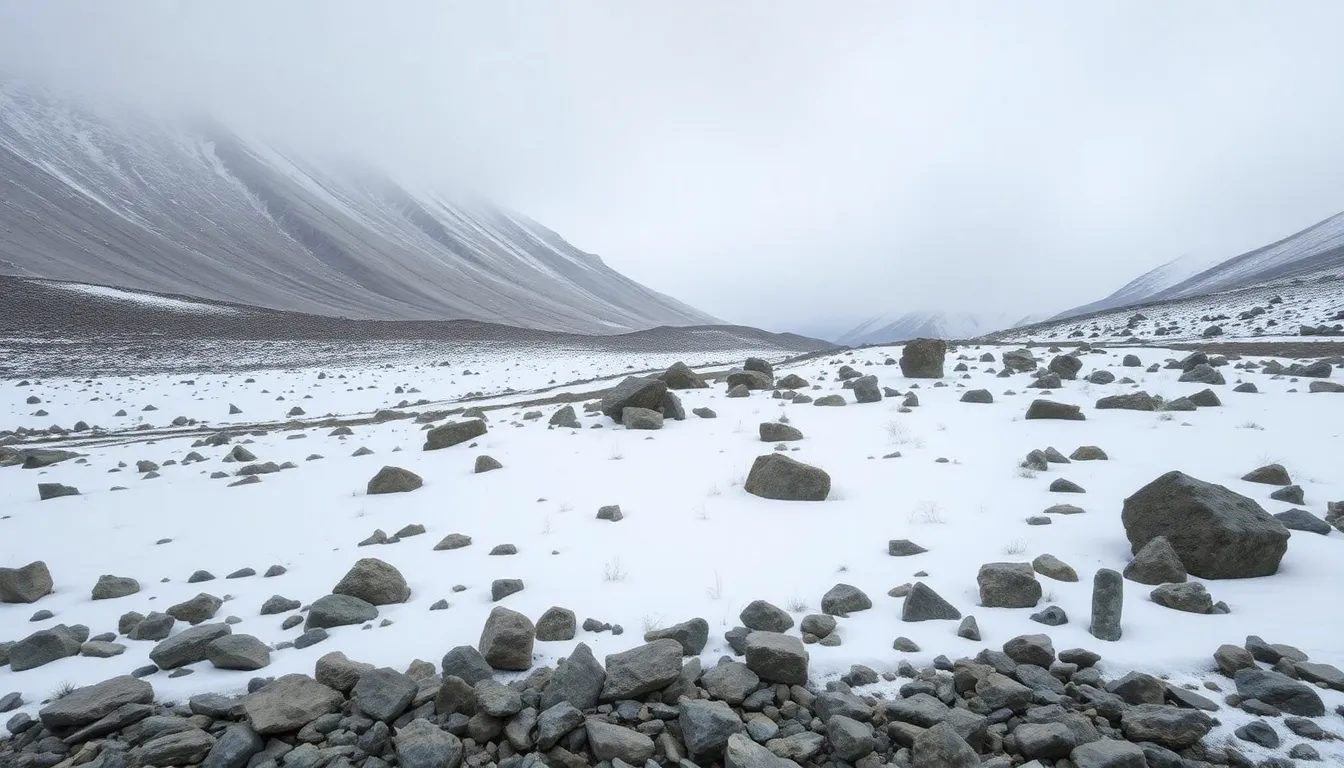
Moreover, scientists warn that the bare and rocky landscape of the Himalayas may lead to increased soil erosion and destabilization of glacial regions. This could result in more frequent landslides and flooding, posing risks to communities living in the foothills and beyond.
As researchers continue to monitor these changes, the urgency to address climate change and its effects on the Himalayas has never been more critical. Immediate action is needed to mitigate these impacts and safeguard the region’s environmental and social fabric, as discussed in global security strategies.
Understanding the historical snowfall patterns in the Himalayas
The Himalayas, often referred to as the “Third Pole,” have historically been a critical source of water for millions of people in South Asia. The region’s snowfall patterns have been influenced by various climatic factors, including monsoon dynamics and global temperature variations. Over the decades, researchers have documented significant fluctuations in snowfall, which have been tied to both natural cycles and anthropogenic climate change.
In the past, the Himalayas experienced consistent winter snowfall, which replenished glaciers and sustained river systems during the dry months. However, since the late 20th century, scientists have noted a troubling trend: a marked decrease in winter precipitation. This reduction has been linked to rising global temperatures and shifting weather patterns, leading to concerns about water security in the region.
The impact of climate change on snowfall
Climate change has emerged as a pivotal factor affecting snowfall in the Himalayas. Studies indicate that as global temperatures rise, the ability of the atmosphere to hold moisture increases, potentially leading to more intense but less frequent snowfall events. This phenomenon disrupts the natural balance of the region, resulting in drier winters and altered hydrological cycles.
Additionally, the socio-economic implications of reduced snowfall are profound. Communities that rely on glacial meltwater for agriculture and drinking supplies face increasing uncertainty regarding water availability. The economic repercussions extend beyond local communities, affecting agriculture, energy production, and tourism industries across the region.
Key milestones in this ongoing issue include the establishment of various climate monitoring initiatives in the early 2000s, which have provided crucial data for understanding the changing dynamics of snowfall. International collaborations, such as the Paris Agreement, aim to address climate change impacts globally, yet the unique challenges faced by the Himalayan region require targeted strategies and local engagement to mitigate the effects of diminishing snowfall, similar to themes explored in BBC Inside Science.
Key stakeholders and issues surrounding the changing climate
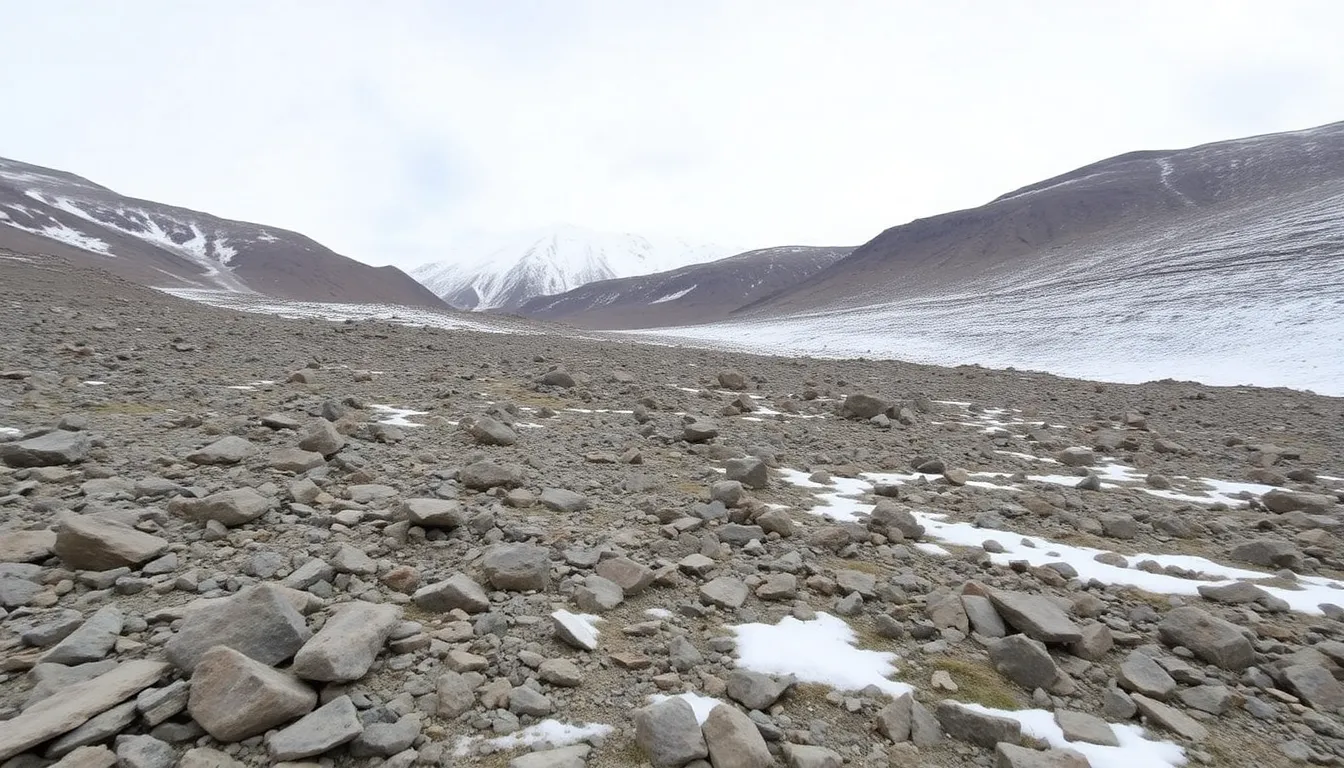
The changing climate in the Himalayas has drawn attention from various stakeholders, including local communities, environmental organizations, governments, and scientists. Each of these groups has distinct interests and concerns regarding the implications of reduced winter snowfall and the resulting environmental changes.
Local communities, particularly those dependent on agriculture and tourism, are significantly affected by the diminishing snow cover. Their livelihoods rely on predictable weather patterns, and the alteration in snowfall can lead to water scarcity, impacting crop yields and tourism activities. This creates a conflict between the need for sustainable development and the immediate economic pressures faced by these communities.
Environmental organizations are advocating for urgent action to combat climate change and mitigate its effects on fragile ecosystems. They emphasize the importance of preserving biodiversity in the Himalayas, which is threatened by changing weather patterns. However, there can be tensions between conservation efforts and the economic interests of local populations, leading to trade-offs that need to be carefully managed.
Governments in the region are tasked with balancing economic growth, environmental protection, and social welfare. They face legal and economic challenges in implementing policies that address climate change while also promoting development. This includes navigating international agreements on climate action and securing funding for adaptation strategies. The lack of cohesive policies can exacerbate existing issues and hinder effective responses to the changing climate.
- Local communities: Concerned about water availability and agricultural sustainability.
- Environmental organizations: Focused on conservation and combating climate change effects.
- Governments: Need to balance development, environmental protection, and social equity.
- Scientists: Conduct research to understand climate impacts and inform policy decisions.
- Tourism industry: Affected by changing landscapes and environmental conditions.
The effects on local communities and ecosystems in the region
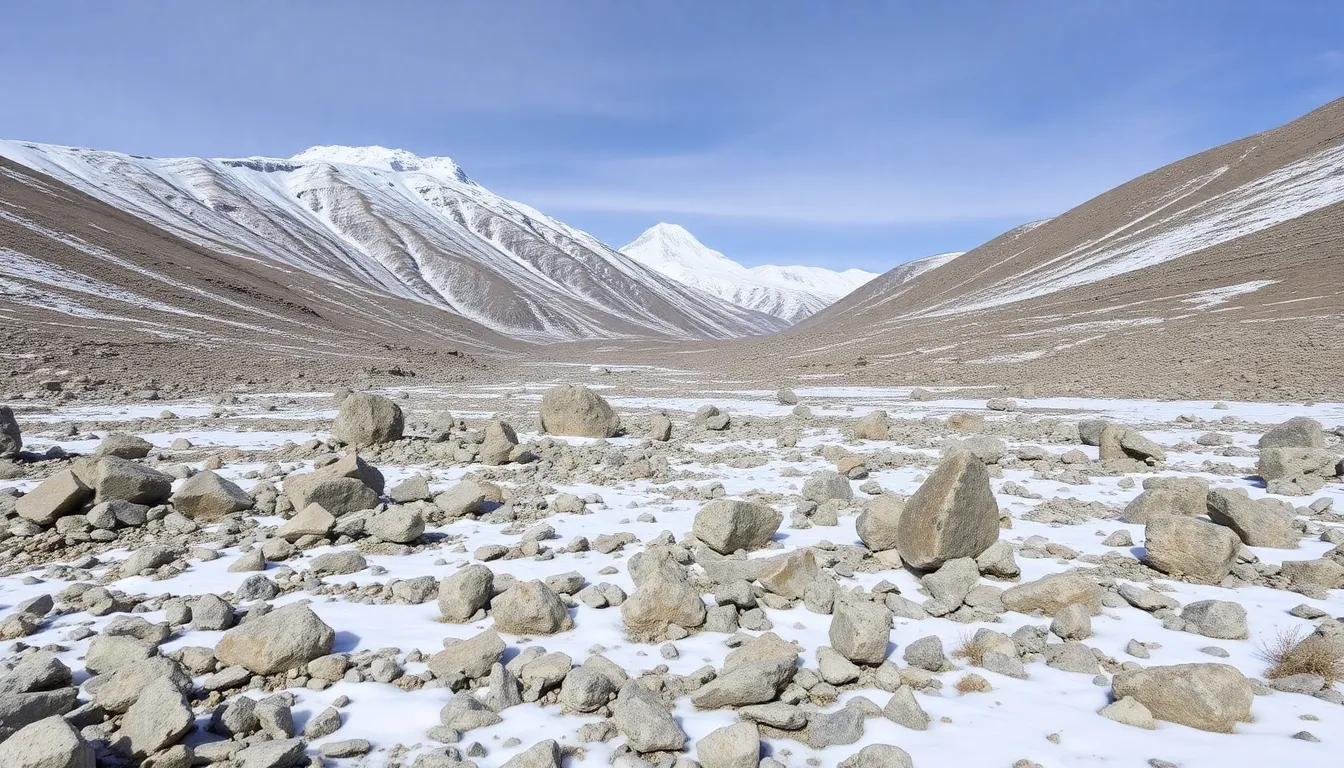
The reduced winter snowfall in the Himalayas has significant implications for various groups, particularly local communities, farmers, and the tourism industry. With the snow cover diminishing, many mountain villages that rely on snowmelt for their water supply face immediate challenges in accessing clean water, which is essential for both drinking and irrigation.
Farmers in the region are particularly vulnerable as the lack of snow affects the timing and quantity of water available for crops. This can lead to decreased agricultural yields, threatening food security for local populations. Additionally, the tourism sector, which is heavily dependent on winter sports and trekking, may experience a downturn as the landscape becomes less appealing and activities become limited.
- Water scarcity impacting agriculture and daily life.
- Economic losses in tourism and related businesses.
- Altered ecosystems affecting biodiversity.
- Increased risk of landslides and natural disasters.
In the short term, communities may need to adapt by seeking alternative water sources or changing agricultural practices. This could lead to increased competition for resources and tensions among local populations. Additionally, businesses reliant on winter tourism may need to diversify their offerings to attract visitors year-round, potentially leading to innovation in outdoor recreation and eco-tourism.
In the mid-term, policymakers may be prompted to implement new strategies for water management and environmental conservation. This could result in opportunities for investment in sustainable practices and infrastructure development, which may help mitigate some of the adverse effects of climate change in the region. However, without proactive measures, the risks of ecological degradation and economic instability remain high.
A: The reduced snowfall is primarily attributed to climate change, which alters weather patterns and decreases precipitation in the region. A: Reduced snowfall can lead to a decline in water sources for rivers, affecting both wildlife and human populations that depend on these resources. A: Yes, long-term consequences may include increased glacial melt, altered habitats, and greater vulnerability to natural disasters. A: Mitigation efforts include promoting sustainable practices, reducing carbon emissions, and enhancing conservation efforts in the region.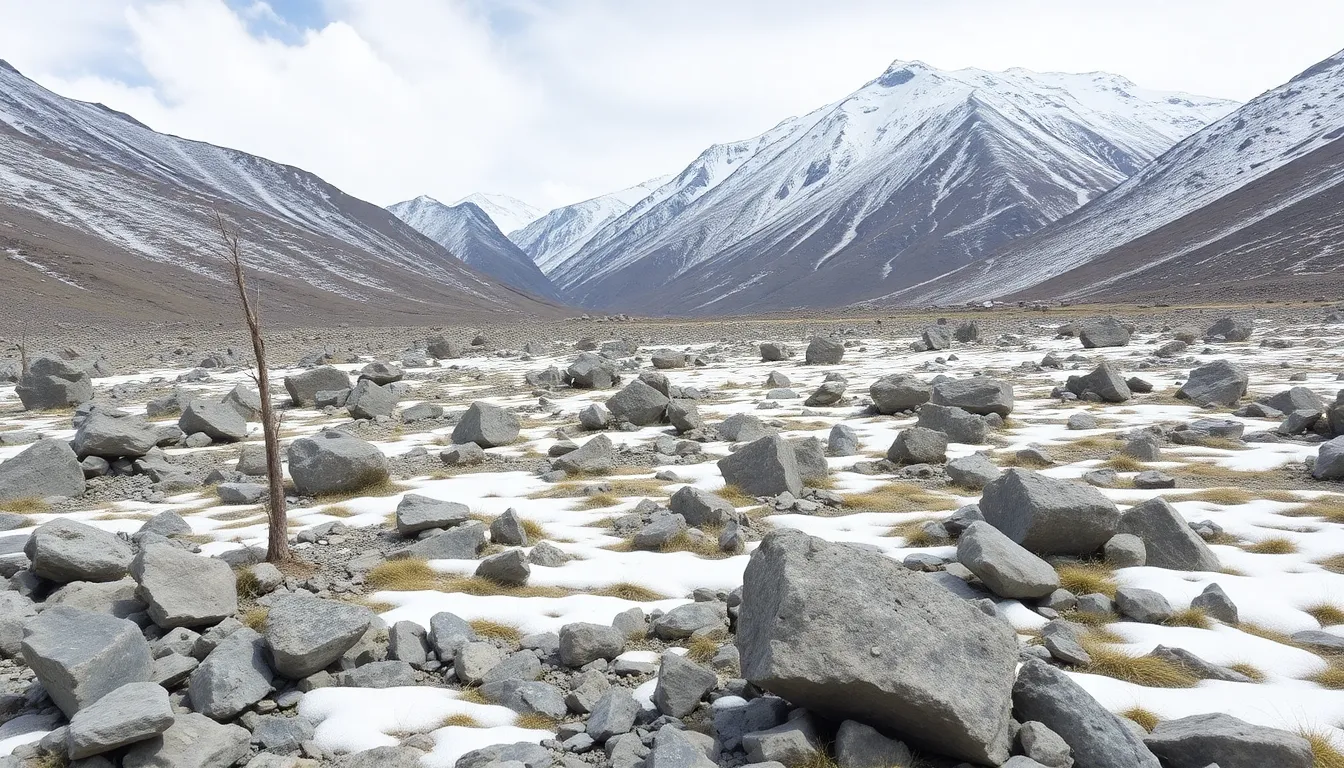
Frequently asked questions about the snowfall decline
Future outlook on the Himalayan environment and climate
The recent observations of the Himalayas revealing bare and rocky landscapes due to significantly reduced winter snowfall highlight a concerning trend in climate patterns. This shift not only threatens the delicate ecosystems that depend on seasonal snow cover but also raises alarms regarding water availability for millions of people in surrounding regions. As the climate continues to change, scientists emphasize the need for proactive measures to address these environmental challenges.
Monitoring the ongoing effects of reduced snowfall will be crucial in understanding the broader implications for agriculture, water resources, and biodiversity. The potential for increased glacial melt could lead to short-term water surpluses, but the long-term consequences may include severe water scarcity and heightened risks of natural disasters such as landslides and flash floods.
- Water Resources: Stakeholders should prepare for potential fluctuations in water availability, with a focus on sustainable management practices.
- Biodiversity Conservation: Protecting vulnerable species and habitats will be essential as ecosystems adjust to changing conditions.
- Infrastructure Resilience: Investment in resilient infrastructure is necessary to mitigate the risks associated with increased natural disasters.
- Climate Adaptation Strategies: Developing and implementing adaptive strategies will be vital for communities reliant on glacial meltwater.