
Rescue operations are currently underway, with local authorities and emergency responders working tirelessly to locate and free those still trapped. As of now, reports indicate that around 50 people were working at the landfill when the incident occurred, highlighting the hazardous conditions often faced by workers in such environments.
This incident underscores the ongoing issues related to waste management and safety regulations in the Philippines, as detailed in a previous article about waste disposal practices. Landfill collapses are not uncommon in the region, and this tragedy may prompt renewed discussions about the need for improved infrastructure and oversight in waste disposal practices.
Local government officials have promised to investigate the circumstances surrounding the collapse, including the potential impact of recent weather conditions. The community is anxiously awaiting updates on the rescue efforts, as families of the trapped individuals gather at the site, hoping for positive news.
Understanding the circumstances leading to the landfill collapse
The Philippines has long struggled with waste management issues, exacerbated by rapid urbanization and population growth. Over the decades, the country has seen a significant increase in waste generation, with cities like Manila producing thousands of tons of garbage daily. This situation has led to the establishment of numerous landfills, many of which have been criticized for their inadequate safety measures and poor regulatory oversight.
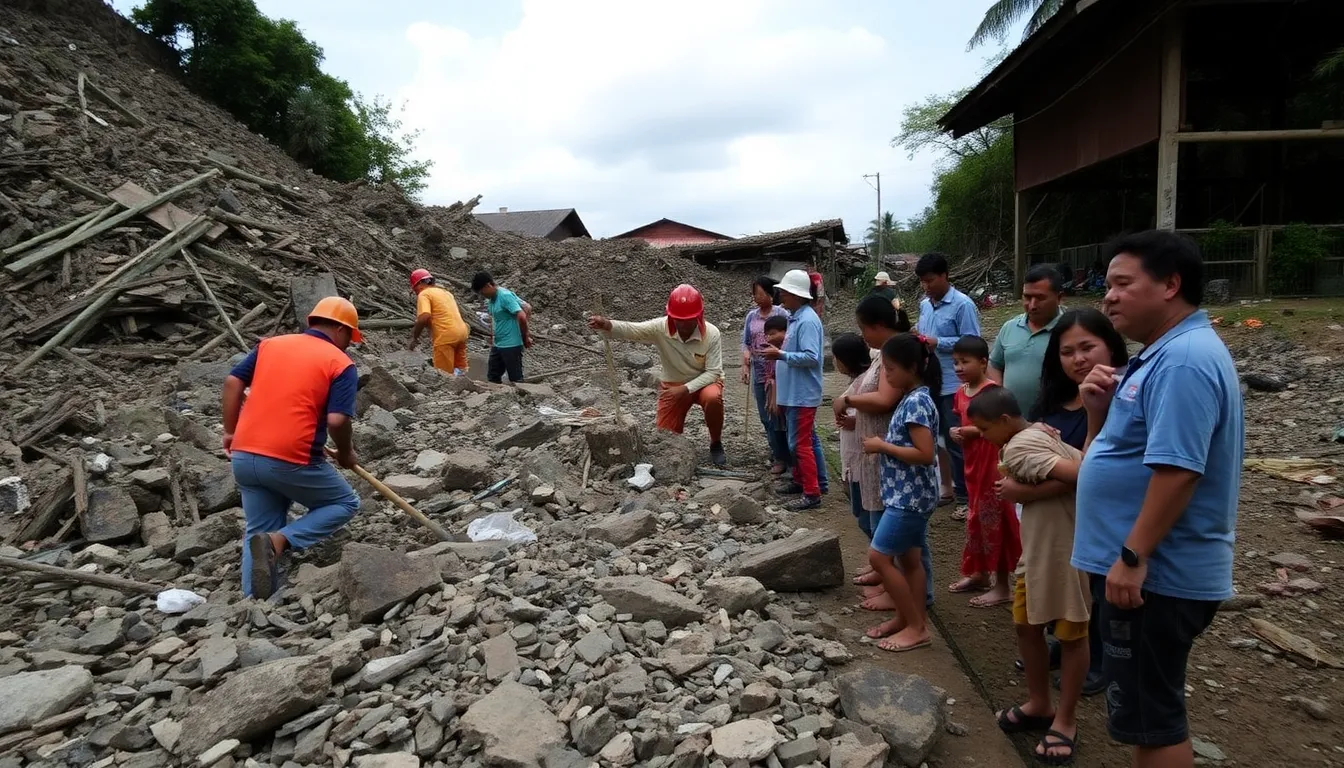
Historically, landfills in the Philippines have often been located in vulnerable areas, such as near bodies of water or on unstable terrain. The collapse of the landfill is not an isolated incident; it reflects a broader pattern of neglect in environmental governance, similar to the Payatas landfill disaster in 2000, which resulted in the deaths of over 200 people.
Political and Economic Factors
The political landscape in the Philippines has also played a crucial role in the management of waste disposal. Corruption, lack of funding for infrastructure, and inadequate enforcement of environmental laws have hindered efforts to improve landfill safety. Economic pressures often lead local governments to prioritize short-term solutions over sustainable waste management practices, resulting in a reliance on poorly managed landfills.
Moreover, the economic impact of the COVID-19 pandemic has strained resources, further complicating waste management efforts. As municipalities grapple with budget constraints, the maintenance and upgrading of landfill facilities have often been deprioritized, increasing the risk of catastrophic failures. This collapse serves as a stark reminder of the urgent need for comprehensive waste management reform in the Philippines.
Key stakeholders and issues surrounding landfill safety
The recent tragedy in the Philippines, where a giant landfill collapse resulted in one death and left dozens trapped, highlights the critical stakeholders involved in waste management and environmental safety. Key actors include local government authorities, environmental organizations, affected communities, and waste management companies. Each of these stakeholders has distinct interests and responsibilities that influence the broader context of landfill safety.
Local government authorities are primarily responsible for regulatory oversight and ensuring that waste management practices adhere to safety standards. Their interest lies in maintaining public safety and upholding their reputation. However, budget constraints and political challenges often hinder their ability to enforce regulations effectively. This can lead to conflicts between the need for economic development through waste management and the imperative to protect public health.
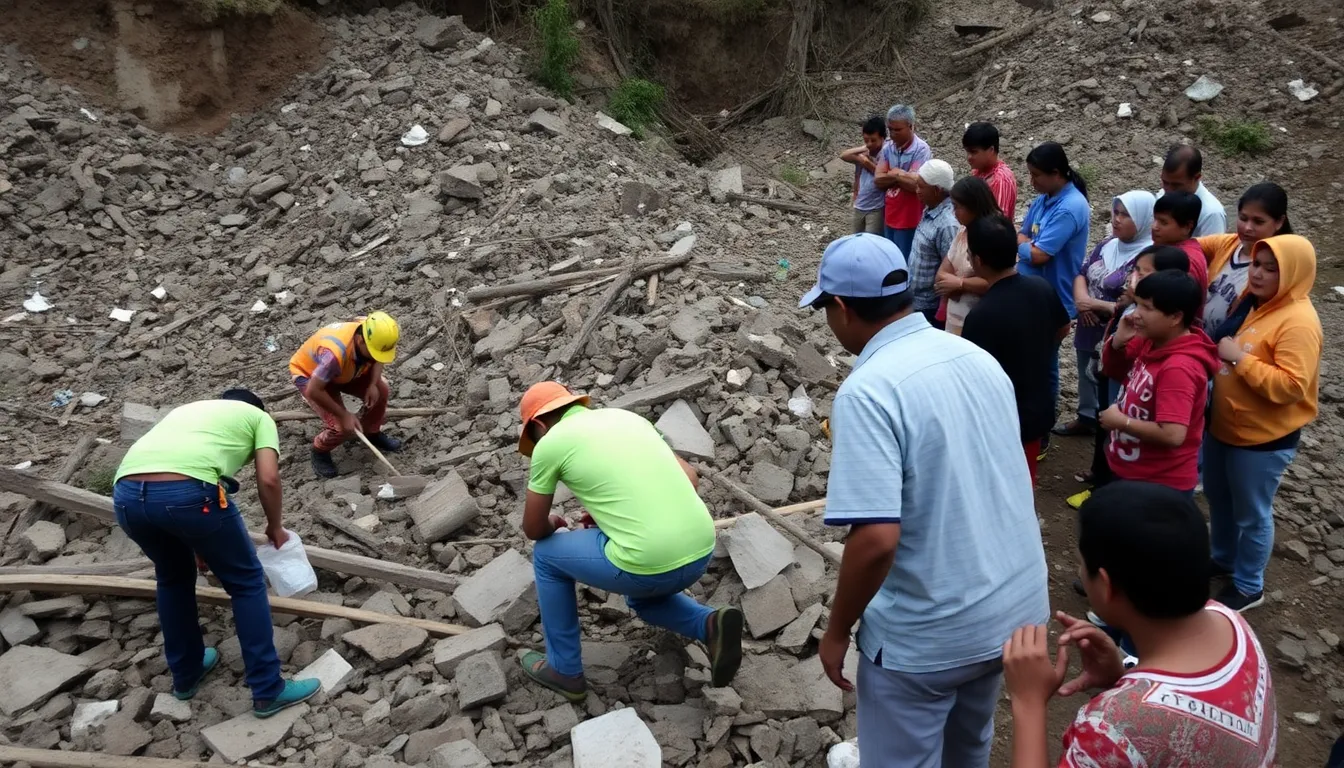
Environmental organizations advocate for sustainable waste management practices and often criticize local governments and waste management companies for inadequate safety measures. Their focus is on promoting environmental health and preventing future disasters. The tension between these organizations and governmental bodies can escalate, especially when regulatory compliance is perceived as lacking. Additionally, communities living near landfills are directly affected by these issues, as they face health risks and property devaluation.
- Regulatory challenges: Local governments may struggle to enforce safety regulations due to limited resources.
- Economic interests: Waste management companies may prioritize profit over safety, leading to potential neglect of necessary precautions.
- Community impact: Residents near landfills often bear the brunt of environmental hazards, raising questions about equity and justice.
- Advocacy efforts: Environmental organizations play a crucial role in holding stakeholders accountable and pushing for policy changes.
- Legal ramifications: The aftermath of the collapse may lead to lawsuits and increased scrutiny of landfill operations.
In summary, the interplay between these stakeholders reveals a complex landscape of interests and conflicts. Addressing the safety of landfills requires a multifaceted approach that considers regulatory frameworks, community needs, and the economic realities faced by waste management companies, as emphasized in discussions about the urgent need for improved safety measures and accountability across all sectors involved in waste management.
Impact on local communities and environmental concerns
The recent landfill collapse in the Philippines has had a devastating effect on local communities, particularly those residing near the site of the incident. Families have been directly impacted, with loss of life and numerous individuals trapped under debris. The psychological toll on survivors and witnesses is profound, as they grapple with trauma and uncertainty about their future.
Industries reliant on the landfill for waste management are also facing immediate challenges. Local waste collection services may be disrupted, leading to increased litter and sanitation issues in surrounding areas. The collapse may prompt local governments to reconsider their waste management policies, potentially leading to stricter regulations on landfill operations.
- Displacement of residents due to unsafe living conditions.
- Increased pressure on local health services to address injuries and mental health issues.
- Potential job losses in waste management and related sectors.
In the mid-term, the incident could catalyze a shift towards more sustainable waste management practices. There may be opportunities for businesses specializing in recycling and waste reduction to emerge, as communities seek alternatives to traditional landfills. Additionally, government initiatives aimed at improving infrastructure and safety standards in waste management could create jobs and stimulate local economies.
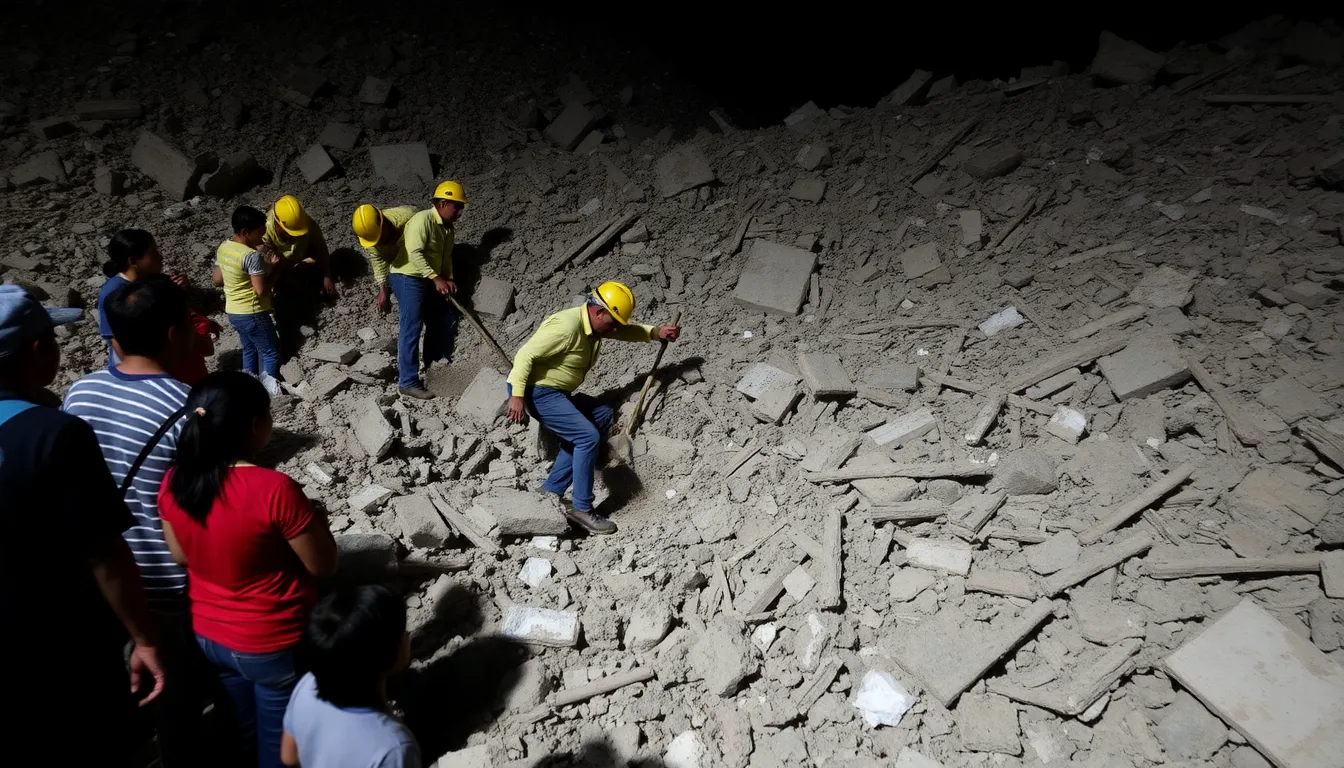
However, the risks associated with the landfill collapse extend beyond immediate physical impacts. Environmental degradation may occur as toxic materials from the landfill seep into local waterways, affecting agriculture and fishing industries. This could lead to long-term health risks for the population and further economic strain on communities dependent on these resources.
A: The exact cause is still under investigation, but heavy rainfall and poor structural integrity are believed to be contributing factors. A: Reports indicate that dozens of individuals are trapped under the debris, with rescue operations currently underway. A: Emergency services are on-site, using heavy machinery to carefully remove debris and search for survivors. A: The collapse poses significant environmental risks, including contamination of nearby water sources and disruption of local ecosystems. A: Improved regulations, regular inspections, and better waste management practices are essential to prevent similar incidents.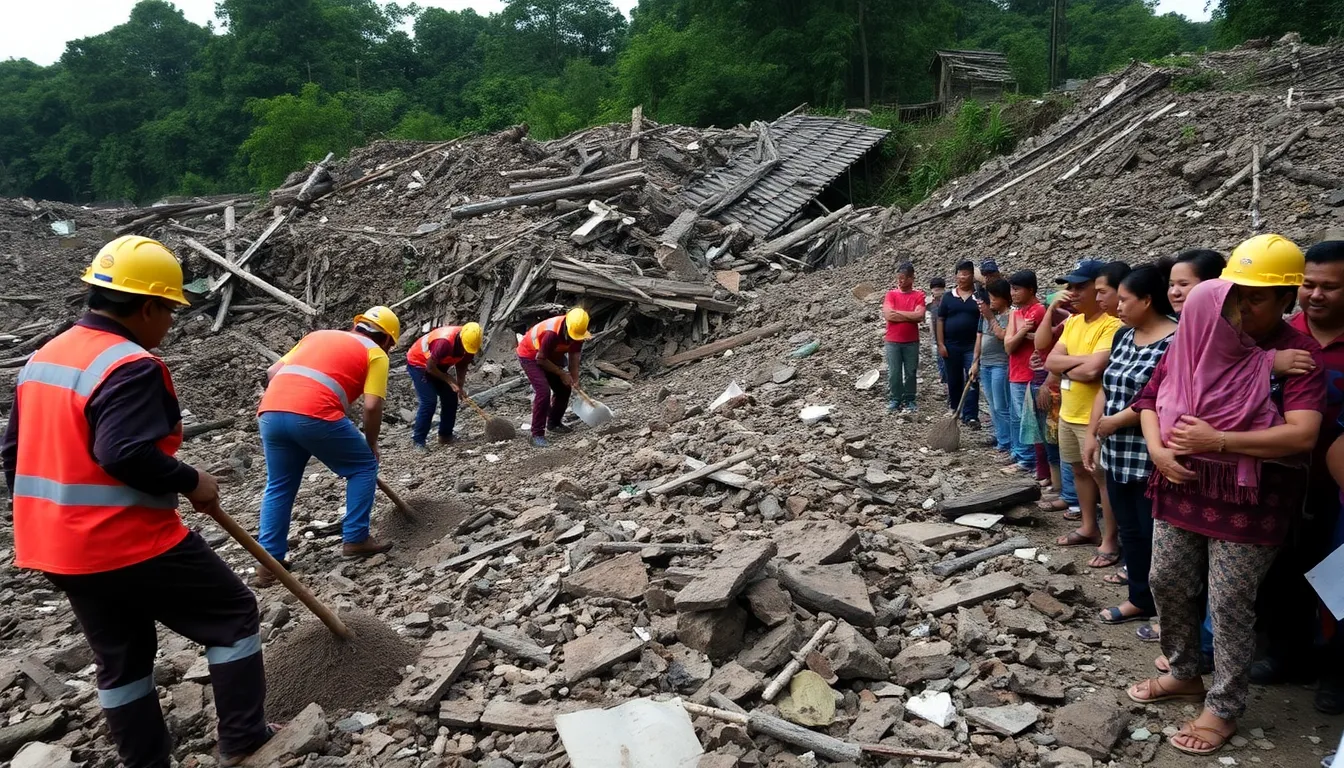
Frequently asked questions about the landfill collapse
Key insights and future outlook on landfill safety
The tragic incident in the Philippines highlights the urgent need for improved safety measures in landfill management. As urban populations grow, so does the pressure on waste disposal facilities, making it critical to assess and reinforce the structural integrity of these sites to prevent similar disasters in the future. The loss of life and the plight of those trapped underscore the human cost of inadequate safety protocols.
Moving forward, authorities must prioritize regulatory reforms and invest in technology that enhances monitoring and maintenance of landfills. The community’s resilience will also be tested as they navigate the aftermath of this disaster, emphasizing the importance of emergency preparedness and response strategies in mitigating risks associated with landfill operations.
- Regulatory reforms are necessary to enforce stricter safety standards for landfill construction and maintenance.
- Investment in technology can improve monitoring systems, allowing for early detection of potential hazards at landfill sites.
- Community engagement is essential in creating awareness and preparedness plans to respond effectively to similar emergencies.
- Collaboration between government and private sectors can foster innovative solutions for waste management and landfill safety.
- Ongoing training for landfill operators and emergency responders can enhance safety protocols and response capabilities.