
Major companies, including tech giants and creative agencies, have begun to embrace this shift, offering flexible work arrangements that allow employees to work from various locations. In July 2023, a prominent UK-based software firm announced a new policy enabling its staff to work from any location for up to four weeks each year, reflecting a growing recognition of the benefits of this lifestyle. For more insights, check out the article on Britain embracing the workation trend.
The rise of workations is also linked to a broader cultural shift towards prioritizing mental health and well-being. Research from the Mental Health Foundation indicates that employees who take regular breaks and change their work environment report higher levels of job satisfaction and productivity. This trend is particularly significant in the post-pandemic landscape, where many are seeking ways to rejuvenate their work experience.
Travel agencies have reported a surge in bookings for accommodations that cater specifically to remote workers, with many offering amenities such as high-speed internet and dedicated workspaces. This surge is not only beneficial for employees but also revitalizes local economies in tourist areas, providing a much-needed boost to the hospitality sector. This connection mirrors the themes discussed in The Score by C Thi Nguyen, where the intersection of lifestyle and productivity is explored.
Understanding the concept of workations and their origins
The concept of a workationa blend of work and vacationhas gained significant traction in recent years, particularly in the wake of the COVID-19 pandemic. As remote work became a necessity for many, employees began to seek ways to integrate leisure with their professional responsibilities. This shift has not only transformed the way people view work but has also influenced their choice of work environments, leading to the rise of workations as a viable option.
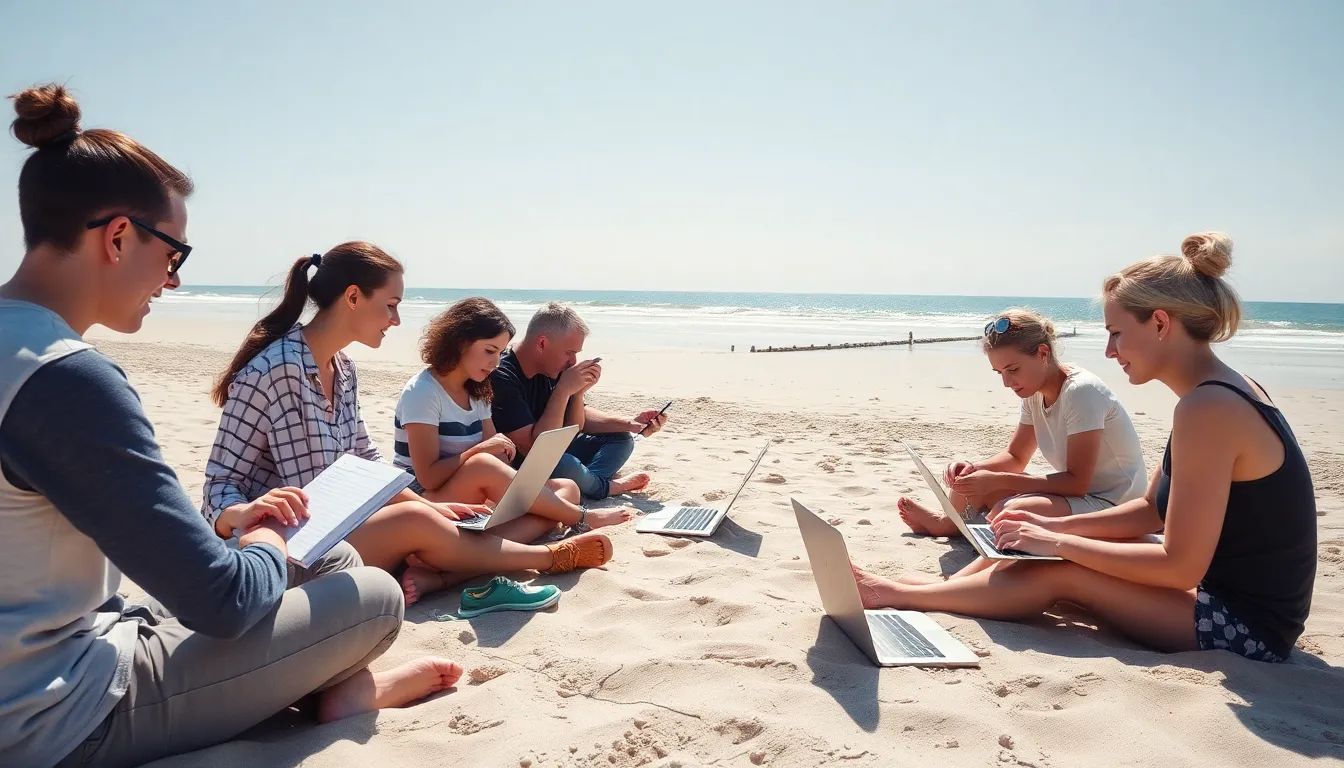
Historically, the idea of combining work with leisure is not entirely new. In the early 20th century, the concept of ‘working holidays’ emerged, particularly in Europe, where workers would take time off to travel while still engaging in some form of work. However, it wasn’t until the digital revolution and the advent of high-speed internet that the notion of workations truly began to flourish, allowing individuals to work from virtually anywhere in the world. This evolution has parallels with the shifting work dynamics in other regions such as California, highlighted in the discussion about local tech executives and policies opposing wealth tax support.
The Impact of the Pandemic
The global pandemic acted as a catalyst for the workation trend, forcing companies to adopt remote work policies. With traditional office environments disrupted, many employees found themselves with the flexibility to choose their work locations. This newfound freedom led to an increase in the popularity of workations, as individuals sought out destinations that offered a balance of productivity and relaxation.
Economically, the workation trend has also benefited local tourism industries. Destinations that promote workation packages have seen a surge in visitors looking to escape their home environments while still fulfilling their job obligations. This has created a symbiotic relationship between the workforce and local economies, driving innovation in hospitality and travel services.
As the workation phenomenon continues to evolve, it reflects broader social changes regarding work-life balance. The desire for a more flexible lifestyle has prompted discussions about the future of work, leading to a reevaluation of traditional workplace norms. As more companies embrace remote work, it is likely that workations will become a staple for professionals seeking to enhance their productivity while enjoying the benefits of travel.
Key stakeholders and the implications of the workation trend
The rise of the ‘workation’ trend in Britain has introduced a variety of stakeholders, each with distinct interests and concerns. The primary actors include employees, employers, local governments, and the hospitality sector. Each group plays a significant role in shaping the future of workation policies and practices.
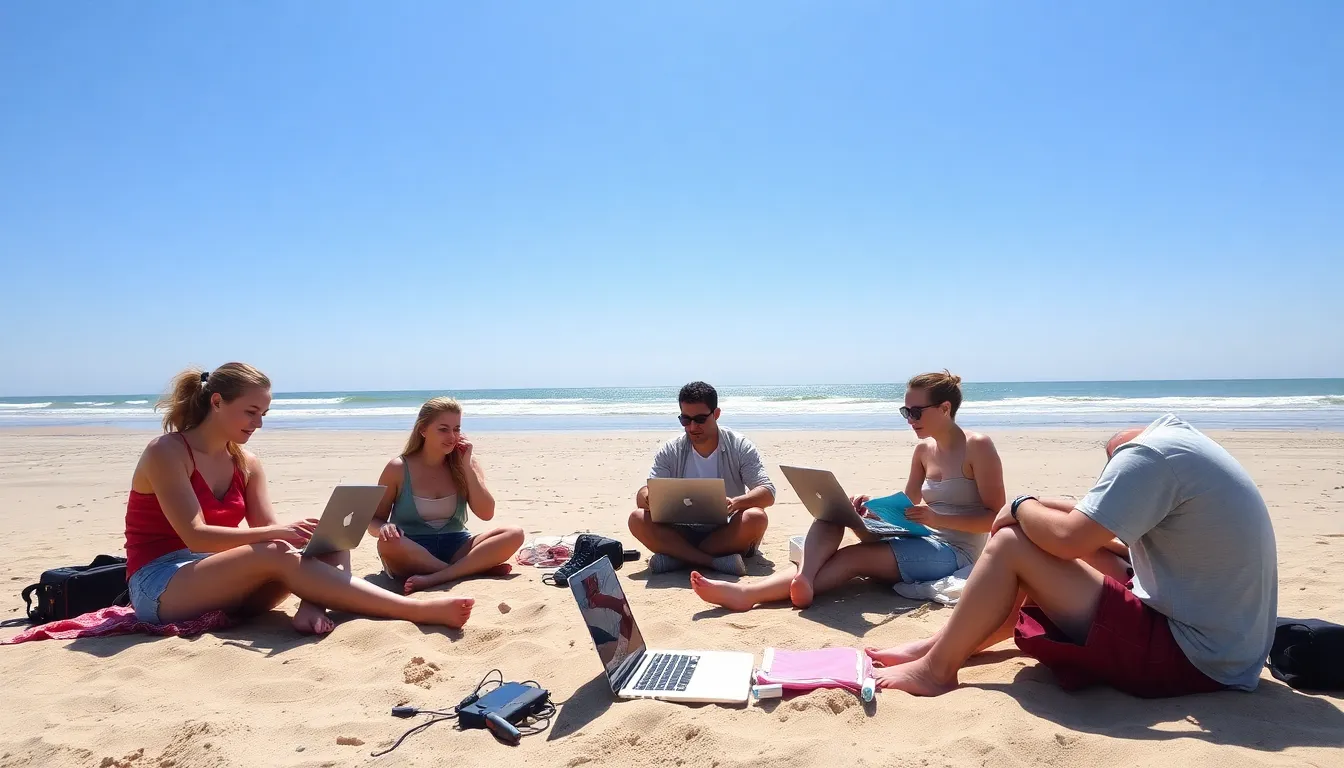
Employees are increasingly drawn to the flexibility of workations, seeking a better work-life balance. They are motivated by the opportunity to combine leisure with professional responsibilities, which can enhance productivity and overall job satisfaction. However, this shift raises questions about the boundaries between work and personal time, as well as potential overwork in picturesque settings.
Employers, on the other hand, have mixed feelings about the workation trend. While some view it as a way to attract and retain talent, others express concerns regarding productivity and accountability. The challenge lies in establishing clear guidelines that ensure employees remain effective while enjoying the benefits of a flexible work environment. This may involve rethinking performance metrics and communication strategies.
Local governments and communities also have a stake in the workation trend. They stand to benefit economically from increased tourism and the associated spending in hospitality and local services. However, there are potential conflicts regarding infrastructure strain and the sustainability of such influxes. Balancing economic growth with community needs and environmental considerations is crucial.
- Employees seek flexibility but may face challenges in maintaining work-life boundaries.
- Employers must navigate the balance between productivity and employee satisfaction.
- Local governments can benefit economically but must address infrastructure and sustainability issues.
- The hospitality sector sees opportunities for growth but may need to adapt services for remote workers.
- Legal considerations around taxation and labor laws may arise as workations become more mainstream.
How workations are affecting employees and businesses
The rise of workations is predominantly impacting employees in sectors that prioritize flexibility, such as technology, creative industries, and consultancy. These groups are finding that the ability to blend work and leisure not only enhances their productivity but also contributes positively to their overall well-being. Regions that are popular for workations, such as coastal towns and rural areas, are also seeing an influx of professionals seeking a change of scenery.
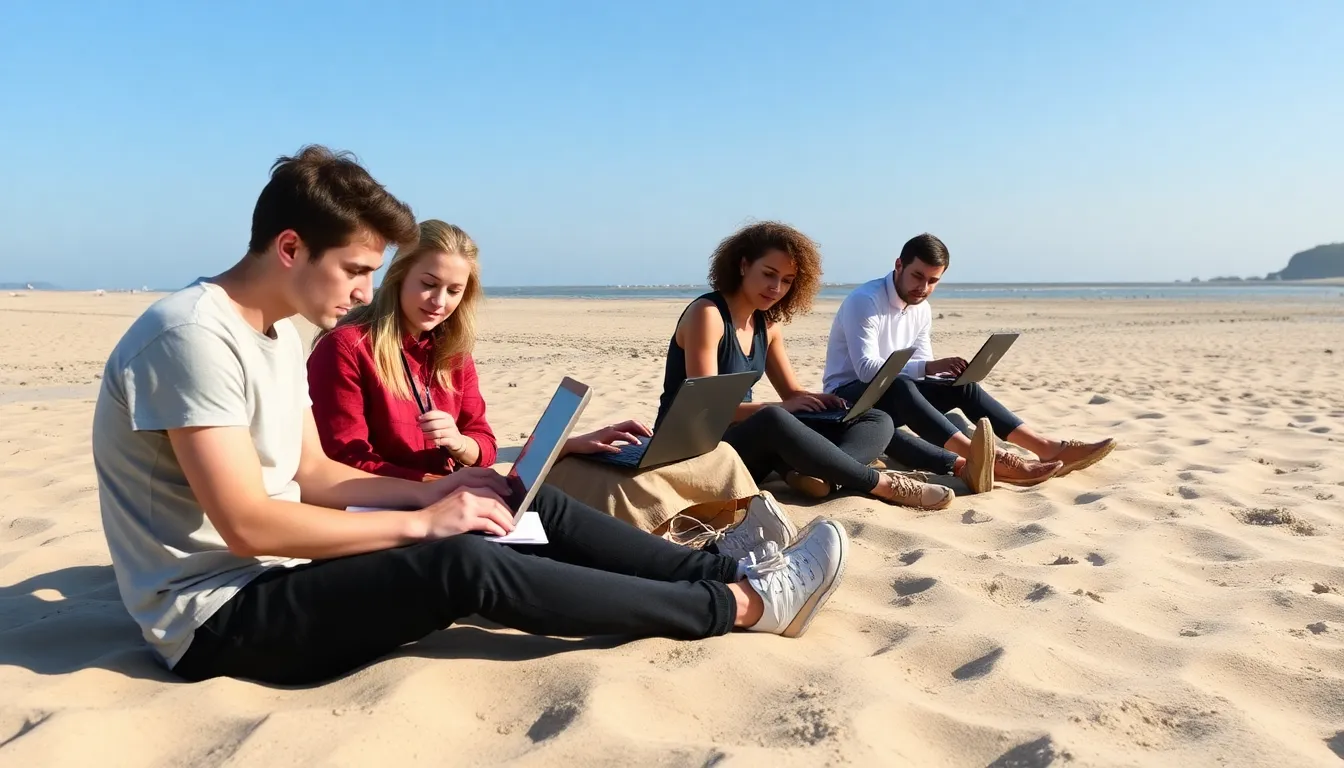
In the short term, businesses may experience a shift in employee morale and engagement. Companies that embrace workation policies could see a boost in productivity as employees enjoy a more balanced lifestyle. However, this trend also poses challenges, such as ensuring that teams remain cohesive and communication remains effective across different locations.
Mid-term impacts may include a reevaluation of workplace policies and infrastructure. Companies might invest in technology to support remote work, leading to changes in how office spaces are designed and utilized. Additionally, there could be a shift in local economies, especially in tourist areas, as they adapt to cater to the needs of remote workers.
- Opportunities: Increased employee satisfaction and retention.
- Risks: Potential isolation and disconnect among team members.
- Economic shifts: Boosting local businesses in popular workation destinations.
As workations continue to gain traction, policymakers may need to consider regulations that address the evolving nature of work. This includes labor laws that accommodate flexible work arrangements and support for infrastructure improvements in areas that are becoming popular for remote work.
A: A workation is a blend of work and vacation, allowing individuals to work remotely from a different location. This trend is becoming popular as it offers a change of scenery while maintaining productivity. A: Workations can benefit remote workers, freelancers, and even employees of companies that offer flexible work arrangements. It allows them to explore new environments while fulfilling their work responsibilities. A: Many individuals report increased productivity during workations due to reduced stress and a more inspiring setting. However, effectiveness can vary based on personal work habits and the chosen location. A: Companies can support workations by offering flexible work policies, providing resources for remote work, and encouraging employees to take advantage of these opportunities for better work-life balance. A: Potential downsides include difficulties in separating work from leisure, potential distractions in unfamiliar environments, and the challenge of maintaining communication with teams.
Frequently asked questions about workations
Future outlook on workations and their potential benefits
The concept of workations is rapidly gaining traction in Britain, reflecting a significant shift in how professionals view the integration of work and leisure. As remote work becomes more entrenched, the flexibility to work from different locations not only enhances productivity but also contributes to improved mental well-being. This trend signals a broader acceptance of non-traditional work environments, encouraging a more balanced lifestyle that many employees are seeking.
Looking ahead, organizations that embrace this model may find themselves more attractive to talent, particularly among younger generations who prioritize work-life balance. As the workation culture continues to evolve, it will be essential for both employers and employees to navigate the challenges and opportunities that arise from this new way of working.
- Increased Adoption: More companies are likely to implement policies that support workations, recognizing the benefits of a flexible work environment.
- Employee Well-being: As workations become mainstream, organizations should focus on mental health and employee satisfaction to retain top talent.
- Infrastructure Development: There may be a rise in facilities and accommodations tailored for remote workers, enhancing the workation experience.
- Policy Evolution: Expect to see changes in labor laws and regulations that accommodate the needs of remote workers on workations.