
The proposed legislation comes in response to several high-profile cases, including inflammatory speeches made during public rallies and the spread of hate-filled messages on social media platforms. In 2022 alone, Maharashtra recorded over 200 complaints related to hate speech, highlighting the urgent need for effective measures to address this growing issue, as seen in this article.
Key political figures in Maharashtra, including Chief Minister Eknath Shinde, have emphasized the importance of maintaining communal peace and preventing violence that can arise from hate speech. The government is collaborating with legal experts and civil society organizations to ensure that the new law not only penalizes offenders but also safeguards free speech rights.
Critics, however, remain skeptical about the effectiveness of such legislation. They argue that without proper enforcement mechanisms and public awareness campaigns, the law may not achieve its intended goals. As the state prepares to unveil the details of the proposed law, the ongoing debate over its potential impact continues to unfold.
Historical context of hate speech laws in India
Hate speech has been a contentious issue in India, particularly in the context of its diverse and multi-religious society. The roots of legal provisions against hate speech can be traced back to the Indian Constitution, which guarantees freedom of speech under Article 19. However, this freedom is not absolute and is subject to reasonable restrictions, including laws that prohibit hate speech aimed at inciting violence or promoting enmity between different groups, as detailed in related discussions.
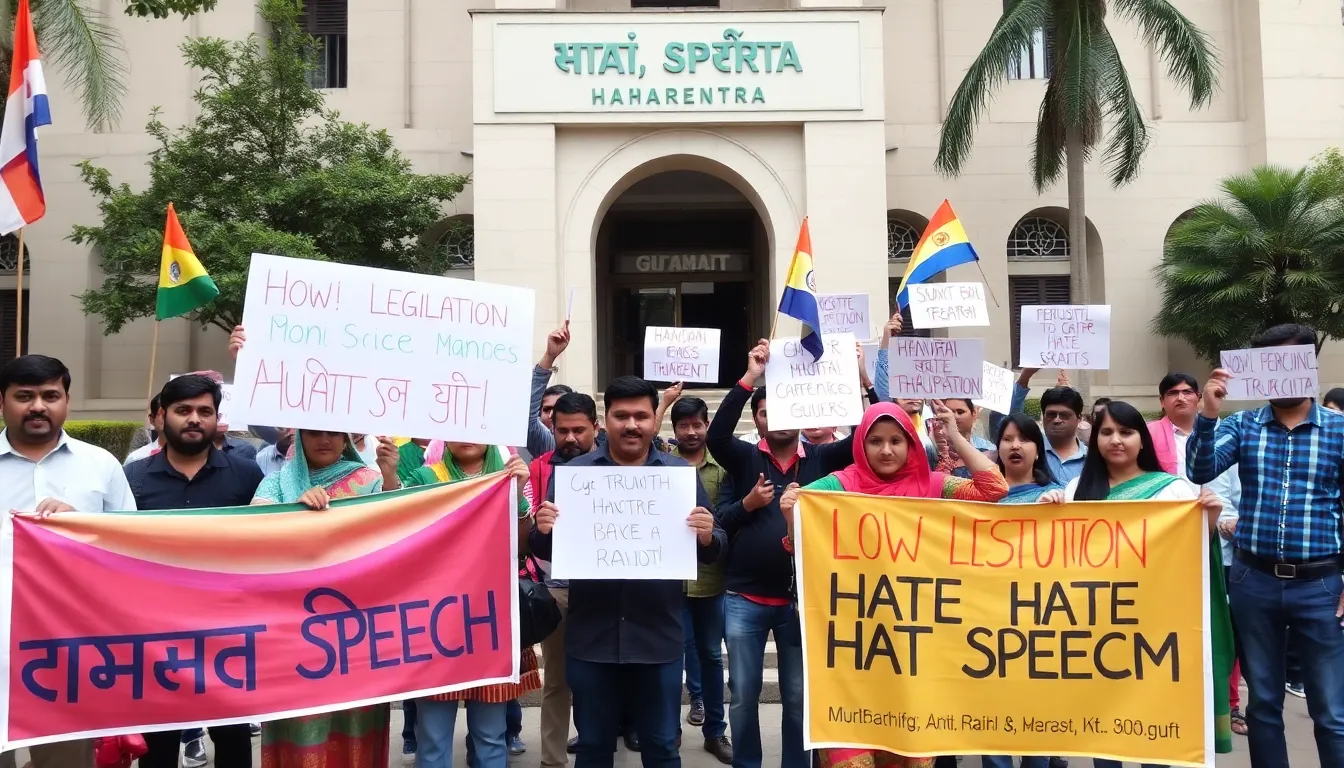
One of the earliest significant legal frameworks addressing hate speech in India was the Indian Penal Code (IPC) of 1860, which includes provisions such as Section 153A, prohibiting speech that promotes enmity between different groups. Over the years, various amendments and legal interpretations have shaped the application of these laws, often reflecting the prevailing political climate and societal tensions.
Key milestones in hate speech legislation
In the late 1980s and early 1990s, India witnessed a surge in communal violence, which prompted a more stringent approach to regulating hate speech. The rise of identity politics and religious nationalism during this period led to the introduction of laws aimed at curbing inflammatory speech. The 2008 amendment to the IPC further expanded the definition of hate speech, emphasizing the need for a balanced approach that protects both individual rights and societal harmony.
Despite these legal frameworks, the enforcement of hate speech laws has often been inconsistent, influenced by political affiliations and societal pressures. High-profile cases, such as the 2002 Gujarat riots, highlighted the challenges in prosecuting hate speech effectively, raising questions about the impartiality of law enforcement and the judiciary.
As societal divisions continue to deepen, the recent proposal by an Indian state to introduce new legislation targeting hate speech reflects a growing recognition of the need for comprehensive measures. However, the effectiveness of such laws remains to be seen, given the complexities of India’s socio-political landscape and the potential for misuse of legal provisions against dissent.
Key stakeholders and their perspectives on the proposed law
The proposed law to tackle hate speech in an Indian state has garnered attention from various stakeholders, each with distinct interests and concerns. These stakeholders include government officials, civil society organizations, legal experts, and the general public. Understanding their perspectives is crucial to analyzing the potential effectiveness and implications of the law.
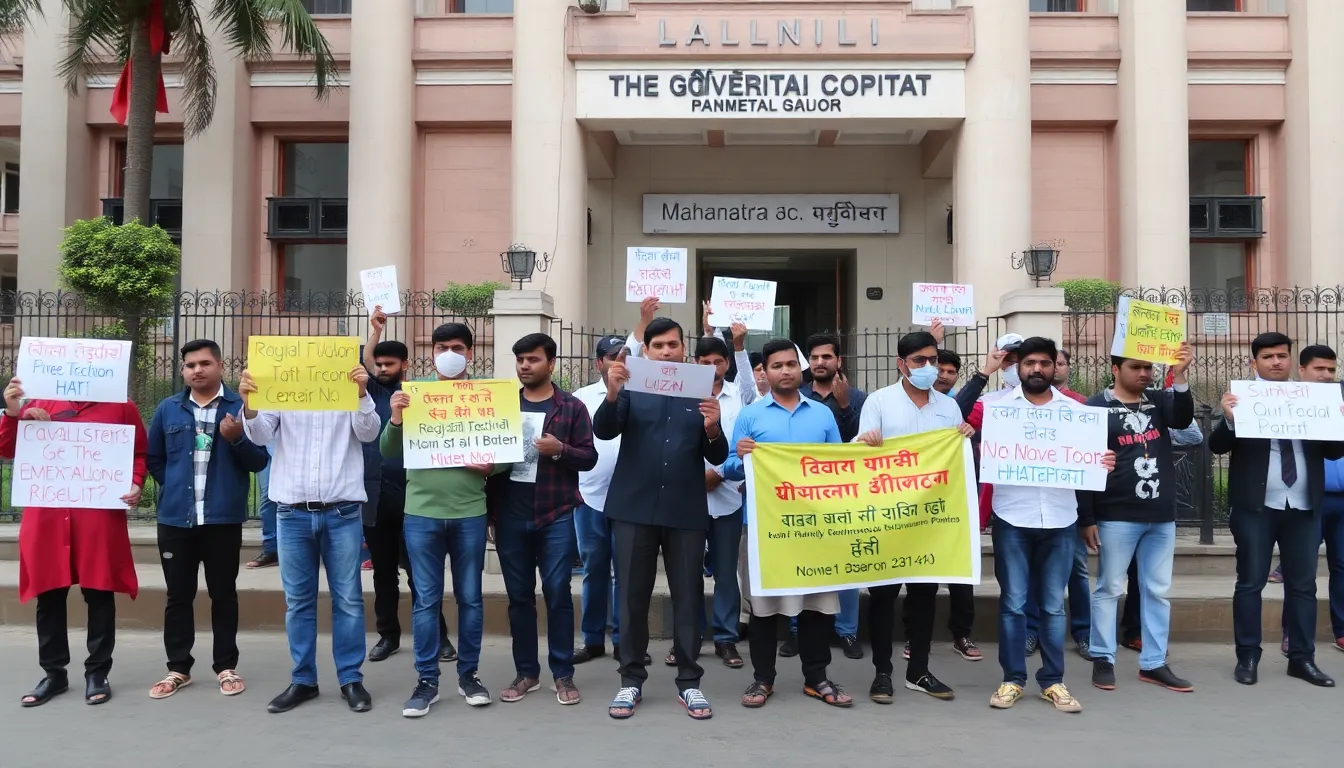
Government officials advocate for the law as a necessary measure to maintain social harmony and protect marginalized communities from hate speech. They argue that unchecked hate speech can lead to violence and societal division, thus justifying the need for legal intervention. However, there are concerns about the law being misused to suppress legitimate dissent and free expression.
Civil society organizations, particularly those focused on human rights, have a mixed stance. On one hand, they support the intention behind the law to protect vulnerable groups; on the other hand, they caution against vague definitions of hate speech that could lead to arbitrary enforcement. They emphasize the importance of ensuring that any legal framework respects constitutional rights and freedoms.
- Legal experts warn about the challenges of defining hate speech in a way that is both clear and enforceable, highlighting the risk of overreach.
- Media organizations express concern about potential censorship, fearing that the law could stifle journalistic freedom and critical reporting.
- Political parties may leverage the law for electoral gains, using it to position themselves as protectors of social harmony while potentially polarizing public opinion.
- Community leaders may have varying views, with some supporting the law as a means of protection, while others fear it could exacerbate tensions if perceived as biased.
In addition to these perspectives, the proposed law raises key legal and economic issues. Legal challenges may arise regarding its compatibility with existing free speech protections under the Indian Constitution. Economically, the law could impact businesses and social media platforms, which may face increased scrutiny and regulation in managing content on their platforms, as explored in another recent article.
Potential effects of the law on society and free speech
The proposed hate speech law in the Indian state has the potential to impact various groups, industries, and regions significantly. Primarily, it targets individuals and organizations that engage in or propagate hate speech, which can include social media platforms, news outlets, and community organizations. As the law aims to curb harmful rhetoric, it may affect political groups and activists who often express controversial views.
In the short term, the law may lead to increased scrutiny of public discourse, affecting how individuals communicate both online and offline. Businesses, particularly in the media and technology sectors, may need to invest in compliance measures to avoid penalties. This could lead to a chilling effect on free speech, as people may self-censor their opinions for fear of legal repercussions.
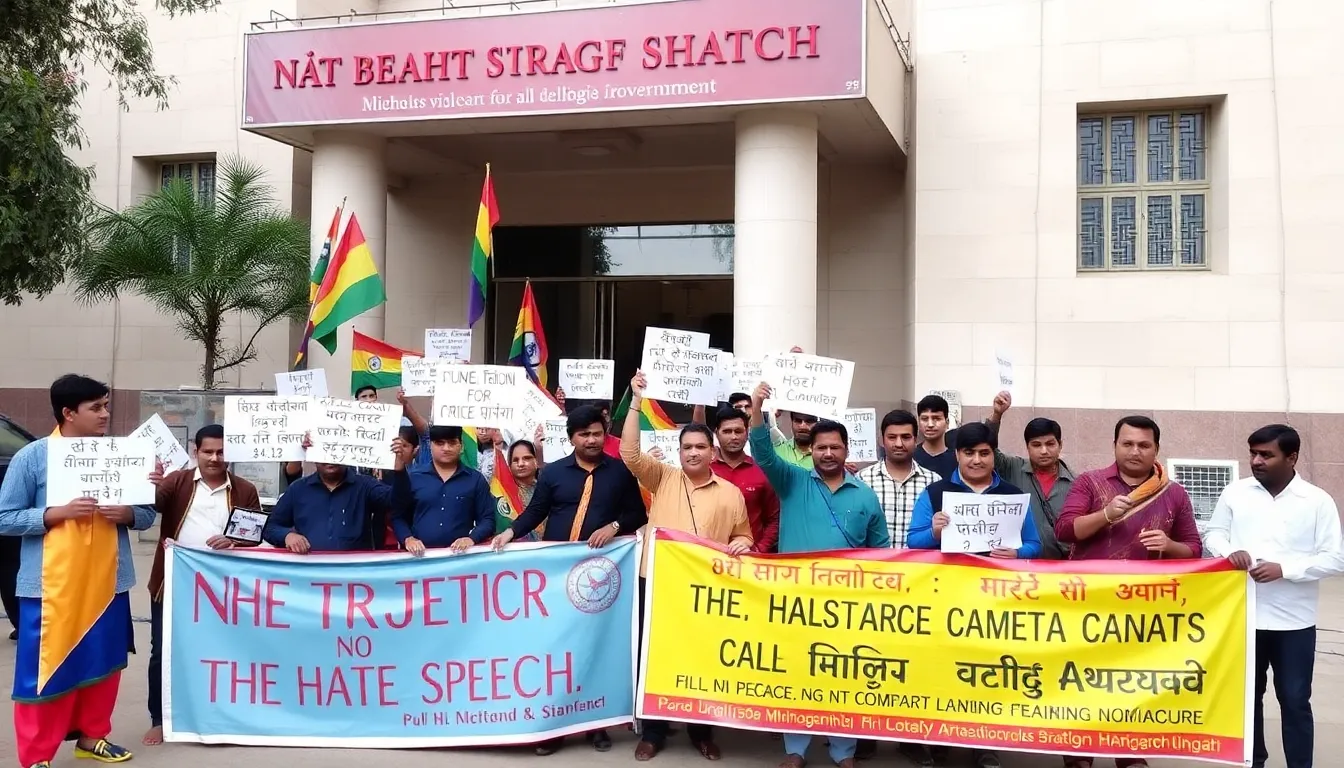
Mid-term impacts could include a shift in the political landscape, as parties may adjust their messaging to align with the new legal framework. Additionally, there may be an increase in legal challenges as individuals and organizations test the boundaries of the law. This could create a complex environment for policy enforcement, where the interpretation of hate speech becomes contentious.
- Risk of overreach: There is a concern that the law could be misused to silence dissenting voices.
- Business adaptation: Companies may need to develop new protocols for monitoring and regulating content.
- Public awareness: The law could foster greater awareness about the impact of hate speech on society.
- Activism and advocacy: Increased mobilization among civil rights groups to protect free speech.
While the law aims to create a safer public discourse, it also opens up opportunities for dialogue about the balance between free speech and the need for a respectful society. Stakeholders will need to navigate these challenges carefully to ensure that the law achieves its intended goals without infringing on fundamental rights.
A: The main objective of the proposed law is to curb hate speech and promote social harmony by establishing clear legal consequences for those who engage in such speech. A: While the law aims to protect individuals from hate speech, there are concerns that it may infringe on freedom of expression, leading to potential misuse. A: The proposed law outlines specific penalties, which may include fines and imprisonment, depending on the severity of the hate speech. A: The enforcement of the law will likely fall under local law enforcement agencies, which will be tasked with investigating and prosecuting hate speech cases. A: Yes, several other states in India have attempted to implement similar laws, with varying degrees of success and public acceptance.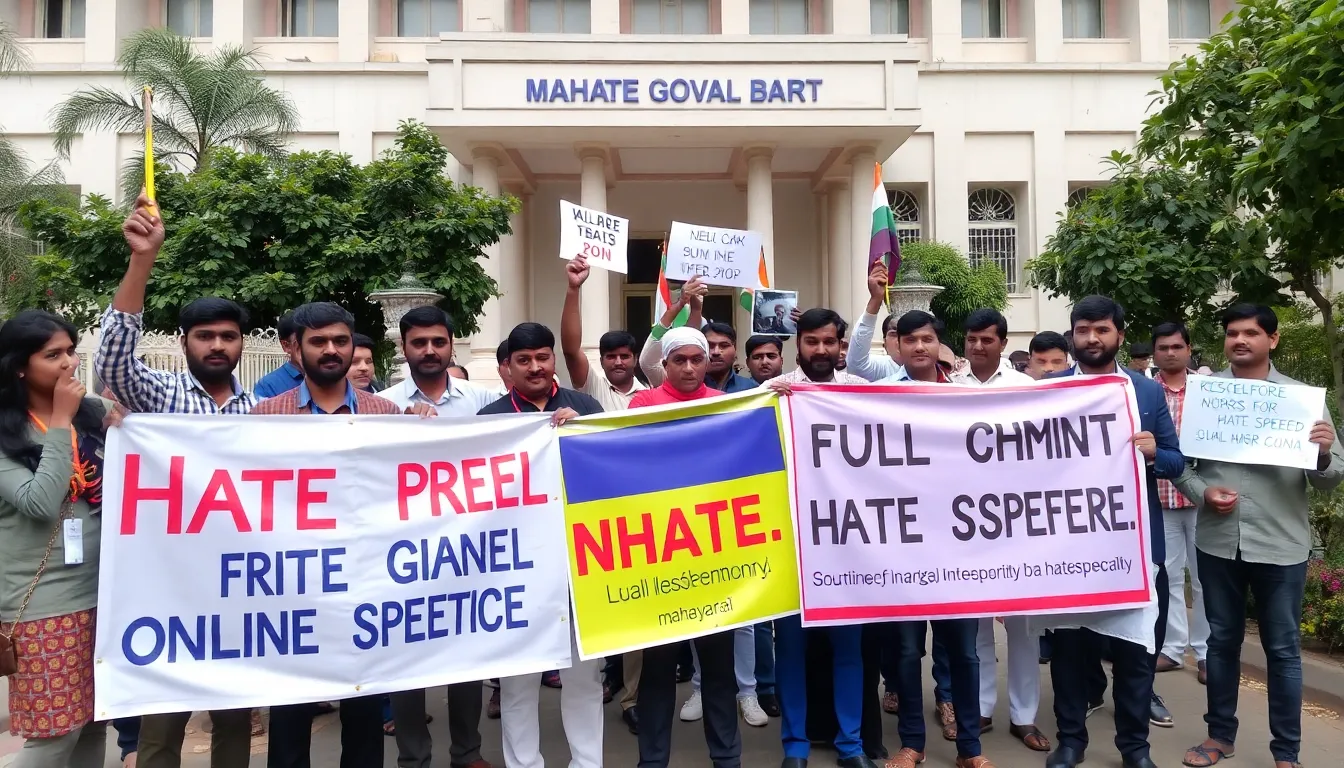
Frequently asked questions about the new hate speech law
Looking ahead: implications and future considerations
The proposed law in the Indian state aims to address the growing concern over hate speech, a challenge that has implications not only for social harmony but also for the legal framework surrounding free expression. As this initiative unfolds, it will be crucial to observe how it balances the need for protecting communities against discrimination while safeguarding individual rights to free speech. The effectiveness of such legislation will likely depend on its implementation and the public’s perception of its fairness and necessity.
<p Stakeholders, including civil society, legal experts, and government officials, will need to engage in ongoing dialogue to ensure that the law is applied judiciously and does not lead to misuse. The outcomes of this initiative could set a precedent for similar measures in other regions, making it essential to monitor its progress and impact closely.
- Legal Framework: Watch for how the law is integrated into existing legal structures and its compatibility with constitutional rights.
- Public Response: The reaction from various community groups and civil society organizations will be critical in shaping the law’s effectiveness.
- Enforcement Challenges: Consider the potential difficulties in enforcing the law without infringing on free speech or leading to arbitrary actions.
- Precedent Setting: This initiative could influence other states in India and beyond, potentially sparking a broader movement for hate speech legislation.
- Impact on Social Cohesion: Assess the law’s impact on community relations and whether it fosters a more inclusive environment or exacerbates divisions.