
Analyzing the Historical Context of the Conflict
The roots of the conflict in Ukraine date back several years and involve a complex interplay of political, ethnic, and historical factors. By examining these roots, a clearer understanding of the current situation can be attained, as evident from similar geopolitical conflicts.
Key Events Leading to the Crisis
The Euromaidan protests, the annexation of Crimea, and subsequent military actions by Russia have all contributed to tensions. These events have significantly altered the geopolitical landscape of Eastern Europe.
Impact on Ukraine’s Sovereignty
Ukraine’s sovereignty has been a central theme throughout the conflict, with many advocating for international support to uphold their territorial integrity.
Comparative Analysis of Peace Initiatives
Comparing various global peace initiatives can provide insights into effective strategies that could apply to the current negotiations. Various approaches have been taken by different countries and organizations.
Successful Case Studies in Other Conflicts
- The Good Friday Agreement in Northern Ireland serves as a notable example of diplomatic success, bringing together conflicting parties to foster lasting peace.
- The Dayton Accords effectively addressed the Bosnian conflict, demonstrating the importance of inclusive dialogue.
Lessons Learned from Failed Negotiations
Previous attempts at peace talks in Ukraine and other regions illustrate the obstacles negotiators face. Understanding these failures is crucial for future success, particularly as seen in historical peace efforts.

Strategies for Effective Negotiation
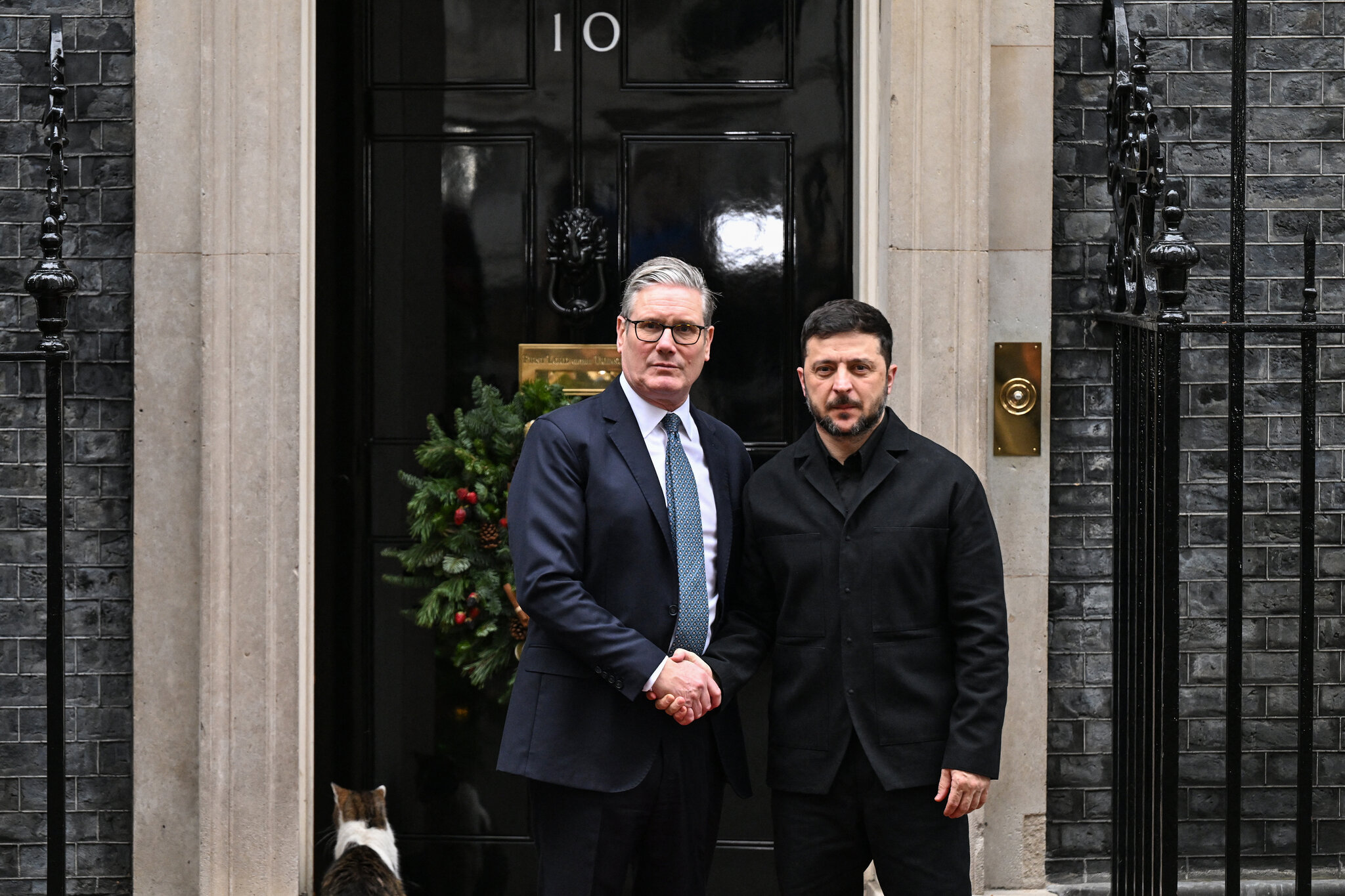
As leaders convene to address the Ukraine crisis, effective negotiation strategies will be vital. These strategies can play a key role in the pursuit of sustainable peace.
The Importance of Inclusivity
Engaging all relevant stakeholders, including military representatives and civilian groups, is essential to establish comprehensive agreements.
Building Trust Among Parties
Trust-building measures are fundamental for creating an environment conducive to positive discussions. These can include ceasefires or prisoner exchanges.

Challenges and Precautions to Consider
While efforts are underway to broker peace, numerous challenges remain. Awareness of these challenges is necessary to navigate the complex landscape.
Geopolitical Tensions
Ongoing geopolitical tensions can hinder negotiations, especially if external parties with vested interests intervene.
Domestic Political Pressures
Both sides face internal pressures that may complicate their willingness to agree to concessions or compromises.

Frequently Asked Questions Regarding the Peace Process
Answering Common Questions About Ukraine Peace Talks
A: The primary goal is to establish a ceasefire and create a framework for long-term peace that respects Ukraine’s sovereignty.
A: The key players include Ukrainian officials, representatives from Russia, and various European leaders committed to mediating the talks.
A: International support can provide leverage for Ukraine, encouraging a more favorable negotiating position and deterring further aggression.
Future Directions for Peace in Ukraine
As Ukraine’s peace talks progress, the path forward remains fraught with challenges. The need for a united front among European leaders and continued dialogue may pave the way for a more stable and peaceful future in the region.