
The introduction of new aerodynamic features and power units has led to faster lap times and altered handling characteristics. Teams have been working relentlessly since the start of the season, with the British Grand Prix set to take place on July 9, 2023, highlighting the urgency for drivers to master their vehicles in time for the race. For more insights on upcoming regulations, you can read our article on New Rules Will Slow Down the British Grand Prix According to Norris and Hamilton.
Hamilton noted that the changes have not only affected the speed and agility of the cars but have also impacted the strategies teams employ during races. The increased downforce and grip enable drivers to take corners at higher speeds, which could lead to more aggressive overtaking maneuvers and a more thrilling spectator experience.
These developments matter for both the teams and the fans, as they redefine the competitive landscape of Formula 1. With teams like Mercedes, Ferrari, and Red Bull Racing continuously pushing the limits of engineering, Silverstone will serve as a crucial testing ground for the effectiveness of these innovations in a high-pressure race environment. Insights into the effects of competition can be found in our coverage of how new regulations are shaping the sport.
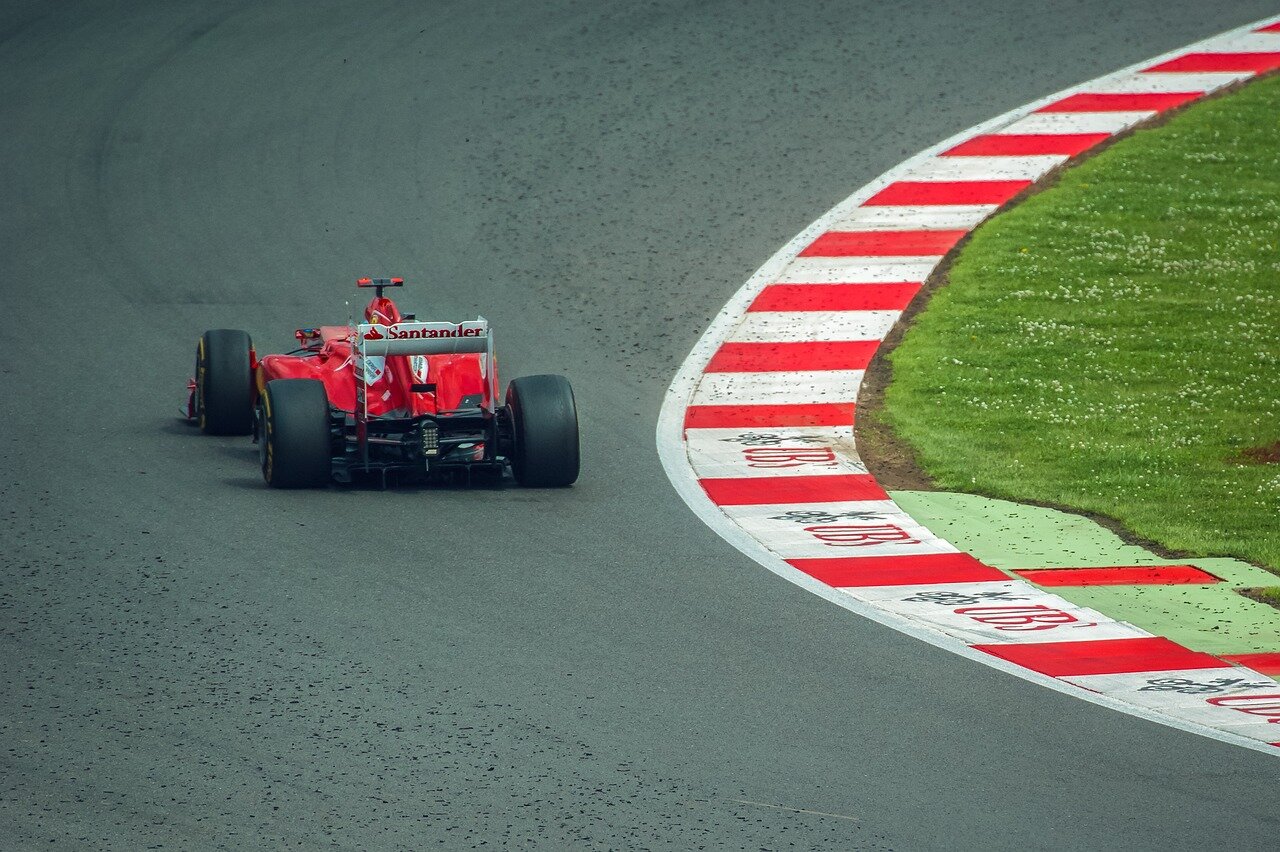
Understanding the evolution of Formula 1 cars and their impact on racing
Formula 1 has undergone significant transformations since its inception in 1950, with technological advancements playing a crucial role in shaping the sport. The evolution of cars has not only influenced the performance on the track but also altered the very essence of racing itself. The introduction of hybrid engines, advanced aerodynamics, and improved safety features has changed how drivers approach each circuit, including the iconic Silverstone.
Historically, Silverstone has been a venue where the raw power and engineering of F1 cars were put to the ultimate test. In the past, cars were simpler, relying heavily on mechanical grip and driver skill. However, with the introduction of modern technologies, the dynamics of racing have shifted dramatically. Drivers like Lewis Hamilton have noted that the new generation of cars requires a different racing strategy, emphasizing the importance of tire management and energy recovery systems, which are now underpinning many race strategies.
The shift in racing dynamics
The transition to hybrid power units in 2014 marked a pivotal moment for Formula 1, introducing a new layer of complexity to the sport. This change not only affected the speed and efficiency of the cars but also how teams approached race strategies. At Silverstone, this has manifested in the need for drivers to adapt their driving styles to maximize the performance of their cars while managing fuel and energy consumption. Hamilton’s comments reflect a broader sentiment among drivers regarding the challenges posed by these new machines.
Additionally, the financial implications of these advancements cannot be overlooked. Teams have had to invest heavily in research and development to keep pace with the evolving regulations and technologies. This has created a divide between well-funded teams and those with fewer resources, affecting competition and the overall landscape of the sport. Silverstone, as a historic track, has become a stage for these shifting dynamics, showcasing both the triumphs and challenges faced by teams in this new era.

Key stakeholders and their perspectives on the new car designs
The recent changes in car designs at Silverstone have sparked varied reactions from key stakeholders within the motorsport community. The main actors include drivers, teams, governing bodies, and fans, each with distinct interests and concerns regarding the new regulations and their impact on racing dynamics.
Drivers like Lewis Hamilton have expressed their views on how the new cars perform differently on the track. Hamilton noted that the changes have led to a significantly altered racing experience, influencing not only the drivers’ strategies but also the overall excitement of the race. His perspective highlights the importance of driver feedback in shaping future regulations and car designs.
Teams, such as Mercedes and Red Bull Racing, are also crucial stakeholders. They have invested considerable resources in adapting to the new designs, which raises economic concerns about the return on investment. The teams must balance competitive performance with the financial implications of ongoing development and compliance with the new rules.
- Driver Performance: New car designs may favor certain driving styles, impacting race outcomes.
- Team Budgets: Adapting to new technologies can strain team finances, especially for smaller teams.
- Fan Engagement: Changes in racing dynamics can influence fan interest and attendance at events.
- Regulatory Compliance: Teams must navigate complex regulations to remain competitive while adhering to new standards.
- Safety Concerns: New designs must prioritize driver safety, which remains a top priority for governing bodies.
Governing bodies, such as the FIA, play a pivotal role in overseeing these changes. Their interests lie in ensuring fair competition while also promoting safety and sustainability within the sport. The balance between innovation and regulation is a constant challenge, as they must adapt to evolving technologies and the demands of stakeholders.
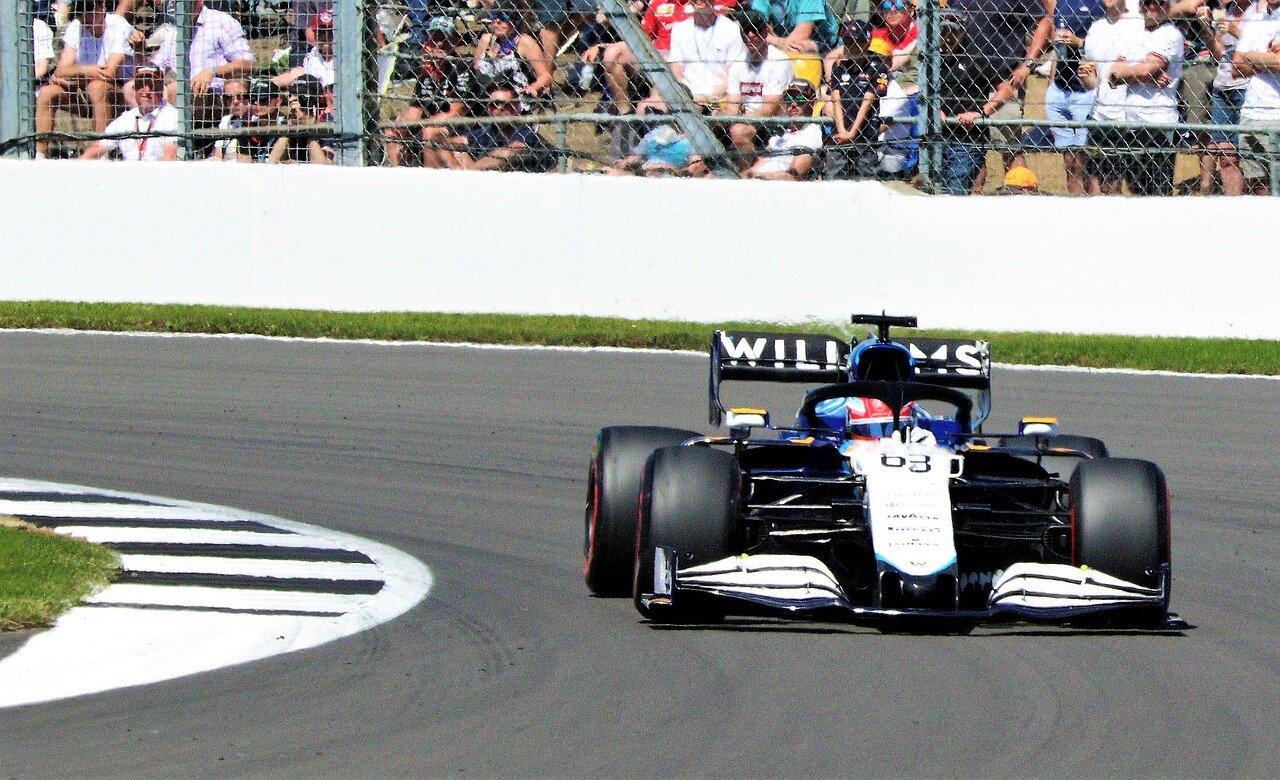
How the new cars affect drivers and fan experiences at Silverstone
The introduction of new car designs in Formula 1 has significant implications for various stakeholders at Silverstone. Primarily, drivers, teams, and fans will experience a notable shift in the dynamics of the race, which could redefine their engagement with the sport. Additionally, local businesses and the broader automotive industry are likely to feel the impact of these changes.
For drivers, the new cars promise enhanced performance and safety features, which may improve their overall racing experience. However, this also introduces a learning curve as they adapt to different handling characteristics. Fans, on the other hand, may find the racing more exhilarating, with the potential for increased overtaking opportunities and closer competition. This evolution in the sport can lead to a more thrilling atmosphere at Silverstone, attracting larger crowds.
In terms of business impact, local vendors and hospitality services may benefit from an uptick in attendance, as the excitement surrounding the new cars could draw more spectators. Conversely, teams may face increased costs related to the development and maintenance of these advanced vehicles. The automotive industry could also see opportunities for innovation and collaboration, as manufacturers look to leverage the latest technology showcased in Formula 1.
- Short-term impacts: Increased fan engagement, potential revenue growth for local businesses.
- Mid-term impacts: Adjustments in team budgets, ongoing technology development.
- Risks: Financial strain on teams, potential for reduced competitiveness among smaller teams.
- Opportunities: Enhanced brand visibility for sponsors, innovation in automotive technology.
Overall, the changes brought by the new cars at Silverstone present a complex landscape of challenges and opportunities for all involved. Stakeholders must navigate these shifts carefully to maximize benefits while mitigating risks associated with the evolving nature of the sport.

A: The new cars feature advanced aerodynamics, improved handling, and enhanced power units, making them faster and more responsive on the track. A: Drivers like Hamilton have noted that the new cars require different driving techniques, which can lead to new challenges and excitement during races. A: Fans have expressed enthusiasm about the increased speeds and the dynamic nature of the races, although some miss the traditional characteristics of older cars. A: Safety is always a priority in Formula 1, and the new designs have undergone rigorous testing to ensure they meet high safety standards. A: Teams must adapt their strategies to the new performance characteristics, which can influence pit stop timing and tire management.
Frequently asked questions about the new cars at Silverstone
Looking ahead: The future of racing at Silverstone with new technologies
The recent comments from Lewis Hamilton regarding the evolving dynamics of Silverstone highlight a significant shift in how racing is experienced. With the introduction of new car technologies, the iconic track is set to undergo transformations that could redefine competitive strategies and fan engagement. As teams adapt to these changes, the implications for both performance and spectator experience will be profound.
As we move forward, it will be essential to monitor how these advancements impact not only the race outcomes but also the overall atmosphere at Silverstone. The integration of cutting-edge technologies promises to enhance the excitement of the sport, but it also raises questions about the traditional aspects of racing that fans cherish.
- Watch for changes in car performance metrics that could influence team strategies during races.
- Observe how fan engagement evolves with new technologies, potentially altering the viewing experience at the track.
- Consider the impact of these advancements on driver training and preparation, as adapting to new car dynamics becomes crucial.
- Keep an eye on the regulatory responses from racing authorities as they seek to balance innovation with competition fairness.