
However, an AI system utilized during the diagnostic process flagged potential signs of a serious heart condition, which prompted further investigation. This intervention occurred in early October 2023, underscoring the AI’s capability to analyze complex data patterns that may be overlooked by human practitioners. For more on how A.I. can enhance diagnostic methods, read about effective AI technologies.
The patient’s subsequent tests revealed significant cardiac issues that required immediate attention, demonstrating the potential consequences of relying solely on traditional diagnostic methods. This incident has sparked discussions among healthcare professionals about the importance of integrating AI technology into clinical settings to enhance diagnostic accuracy.
As AI continues to advance, its role in identifying critical health issues is becoming increasingly significant. This case serves as a reminder of the need for collaboration between technology and human expertise to ensure patient safety and effective treatment outcomes.
The role of A.I. in modern medical diagnostics
In recent years, artificial intelligence (A.I.) has emerged as a transformative force in various sectors, with healthcare being one of the most impacted. The integration of A.I. into medical diagnostics has the potential to enhance the accuracy of diagnoses, streamline processes, and ultimately improve patient outcomes. As highlighted in another article, the journey of A.I. in different fields shows its growing significance.
Historically, the reliance on human expertise in diagnosing medical conditions has been both a strength and a limitation. Physicians have traditionally depended on their training, experience, and intuition to interpret symptoms and reach conclusions. However, this method is not infallible, as evidenced by cases where conditions are misdiagnosed. The recent case of doctors attributing a patient’s symptoms to asthma, only for A.I. to reveal a serious heart problem, underscores the limitations of human judgment and the potential for A.I. to serve as a critical safety net.

Key milestones in A.I. diagnostics
The journey towards integrating A.I. into medical diagnostics has been marked by several key milestones. In the early 2000s, the development of algorithms capable of analyzing medical images began to show promise, with A.I. systems trained to detect abnormalities in X-rays and MRIs. As these technologies evolved, so did their applications, with A.I. systems being utilized for predictive analytics in patient care.
Furthermore, the COVID-19 pandemic accelerated the adoption of A.I. in healthcare, as the urgent need for rapid diagnostics and effective treatment pathways prompted healthcare providers to explore innovative solutions. The success of A.I. in identifying patterns in large datasets has paved the way for its broader acceptance and integration into routine medical practice, highlighting the need for collaboration between technology and healthcare professionals. For more insights on healthcare advancements, check out this article on the origins of diseases.
As A.I. continues to evolve, it is crucial for the medical community to address the ethical implications and ensure that these technologies are used responsibly. The case of misdiagnosed asthma serves as a reminder of the importance of ongoing education, training, and collaboration between A.I. systems and healthcare providers to maximize the benefits of these innovations while minimizing risks to patient safety.
Challenges faced by healthcare professionals in accurate diagnosis
In the evolving landscape of healthcare, the accuracy of diagnoses remains a critical concern. Doctors often rely on established protocols and their clinical experience, but the complexity of symptoms can lead to misdiagnoses. In the case of a serious heart problem being mistaken for asthma, several stakeholders are involved, each with distinct interests.
Healthcare professionals, including doctors and nurses, are at the forefront of patient care. Their primary interest lies in providing accurate diagnoses and effective treatments. However, they face pressures such as time constraints, high patient volumes, and the need to stay updated with the latest medical advancements. These factors can contribute to diagnostic errors, as seen in cases where artificial intelligence (A.I.) tools have flagged conditions that were initially overlooked.
Patients are another key stakeholder group. They seek timely and accurate diagnoses to ensure appropriate treatment. Misdiagnosis can lead to unnecessary treatments or delayed interventions, which can exacerbate health issues. The emotional and financial toll on patients can be significant, highlighting the importance of accurate diagnostic processes.
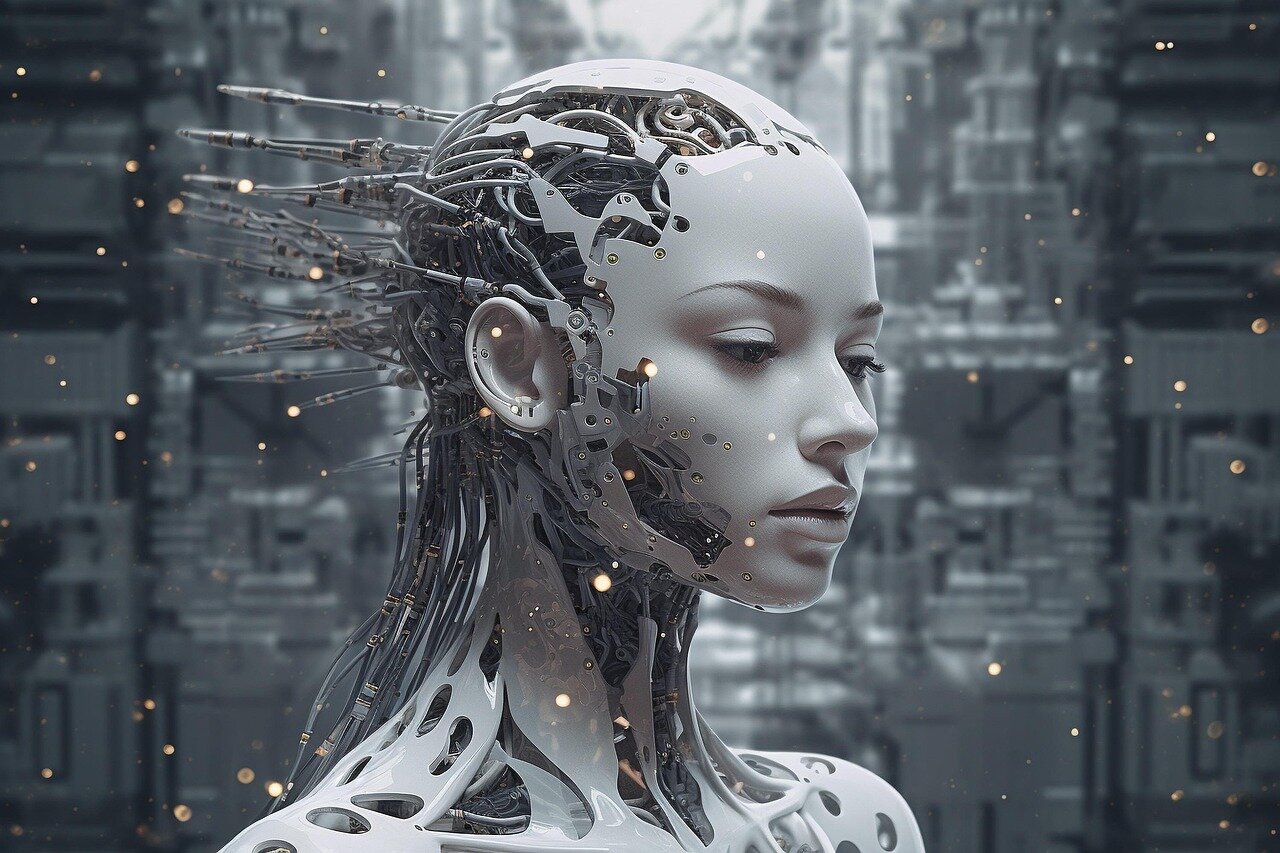
Technology companies developing A.I. diagnostic tools have a vested interest in demonstrating the efficacy of their products. Their innovations aim to augment clinical decision-making, but they also face challenges regarding integration into existing healthcare systems and gaining trust from medical professionals. The balance between leveraging technology and maintaining the human element in healthcare is a critical issue.
- Conflicts of Interest: The reliance on A.I. may create tensions between traditional medical practices and emerging technologies.
- Legal Implications: Misdiagnoses can lead to malpractice claims, raising questions about accountability between healthcare providers and technology developers.
- Economic Factors: The cost of implementing A.I. solutions can be a barrier for healthcare facilities, particularly in underfunded systems.
- Patient Trust: Building trust in A.I. tools is essential for their acceptance, requiring transparency and proven reliability.
- Training Needs: Ongoing education for healthcare providers on how to effectively use A.I. tools is necessary to maximize their benefits.
How misdiagnosis affects patient outcomes and healthcare systems
The recent case highlighting the role of artificial intelligence in diagnosing heart problems reveals significant implications for various groups, particularly patients, healthcare providers, and technology developers. Patients suffering from misdiagnosed conditions, such as asthma, face severe health risks that can lead to worsening symptoms or even life-threatening situations. This misdiagnosis not only affects individual health outcomes but also places a strain on healthcare systems that are already dealing with resource limitations.
Healthcare providers, including doctors and hospitals, may experience increased pressure to adopt advanced diagnostic technologies. The misdiagnosis can lead to higher rates of patient readmission, increased treatment costs, and potential legal liabilities. Moreover, it raises questions about the effectiveness of current training and diagnostic protocols within the medical community.
In the short term, the impact on daily life for patients includes heightened anxiety and uncertainty regarding their health. Businesses in the healthcare sector may see a shift towards investing in AI technologies to improve diagnostic accuracy, potentially leading to a more competitive market landscape. In the mid-term, healthcare policies may evolve to incorporate AI as a standard tool in diagnostics, influencing regulatory frameworks and insurance coverage.
- Risks: Increased patient harm due to misdiagnosis, higher healthcare costs, and potential legal repercussions for providers.
- Opportunities: Growth in the AI healthcare sector, improved diagnostic accuracy, and enhanced patient outcomes through technology integration.
Regions with advanced healthcare systems may benefit more rapidly from AI integration, while those with fewer resources might struggle to keep pace. This disparity could widen the gap in healthcare quality and accessibility, making it essential for policymakers to address these challenges proactively.
Frequently Asked Questions about A.I. in healthcare
A: A.I. can analyze vast amounts of data quickly, identifying patterns that may be overlooked by human doctors. This leads to more accurate and timely diagnoses.
A: While A.I. is powerful, it still requires human oversight and can struggle with ambiguous cases. It is not a replacement for medical professionals but a tool to assist them.
A: It is unlikely that A.I. will fully replace doctors, as human judgment and empathy are crucial in patient care. A.I. serves to enhance the capabilities of healthcare providers.
A: Patients should be aware that A.I. can aid in diagnosis but should always consult with healthcare professionals for comprehensive care and treatment plans.
The future of A.I. in improving diagnostic accuracy
The integration of artificial intelligence into medical diagnostics has the potential to significantly enhance patient outcomes by providing a second layer of scrutiny that may catch conditions overlooked by traditional methods. The case where doctors misdiagnosed a serious heart issue as asthma underscores the critical need for advanced diagnostic tools that can analyze complex data more effectively than human practitioners alone.
As A.I. continues to evolve, healthcare providers must remain vigilant in their adoption of these technologies, ensuring that they complement rather than replace clinical judgment. The collaboration between A.I. systems and medical professionals could pave the way for earlier interventions and better treatment plans, ultimately leading to improved patient care and safety.
- Enhanced Diagnostic Accuracy: A.I. tools can help identify conditions that may be misdiagnosed, leading to timely and appropriate treatments.
- Training and Adaptation: Ongoing education for healthcare professionals on A.I. capabilities will be essential to maximize its benefits.
- Integration into Clinical Workflow: Seamless incorporation of A.I. into existing medical practices can support decision-making without overwhelming providers.
- Patient Awareness: Educating patients about the role of A.I. in diagnostics can foster trust and encourage proactive health management.