
The spacecraft, Orion, completed its journey by orbiting the Moon and returning to Earth, culminating in a safe splashdown in the Pacific Ocean on December 11, 2022. This mission involved extensive testing of new technologies and systems that will be critical for future crewed missions. The successful execution of these operations is crucial for building confidence in the Artemis program.
Key figures in this mission include Nasa Administrator Bill Nelson and the Artemis team, who have emphasized the importance of this endeavor for scientific research and technological advancement. The mission also saw participation from various international partners, showcasing a united front in the exploration of outer space. The collaboration highlights the growing importance of global partnerships in addressing the challenges of space exploration. For further insights, refer to the article on lost ant species reintroduced to woodland.
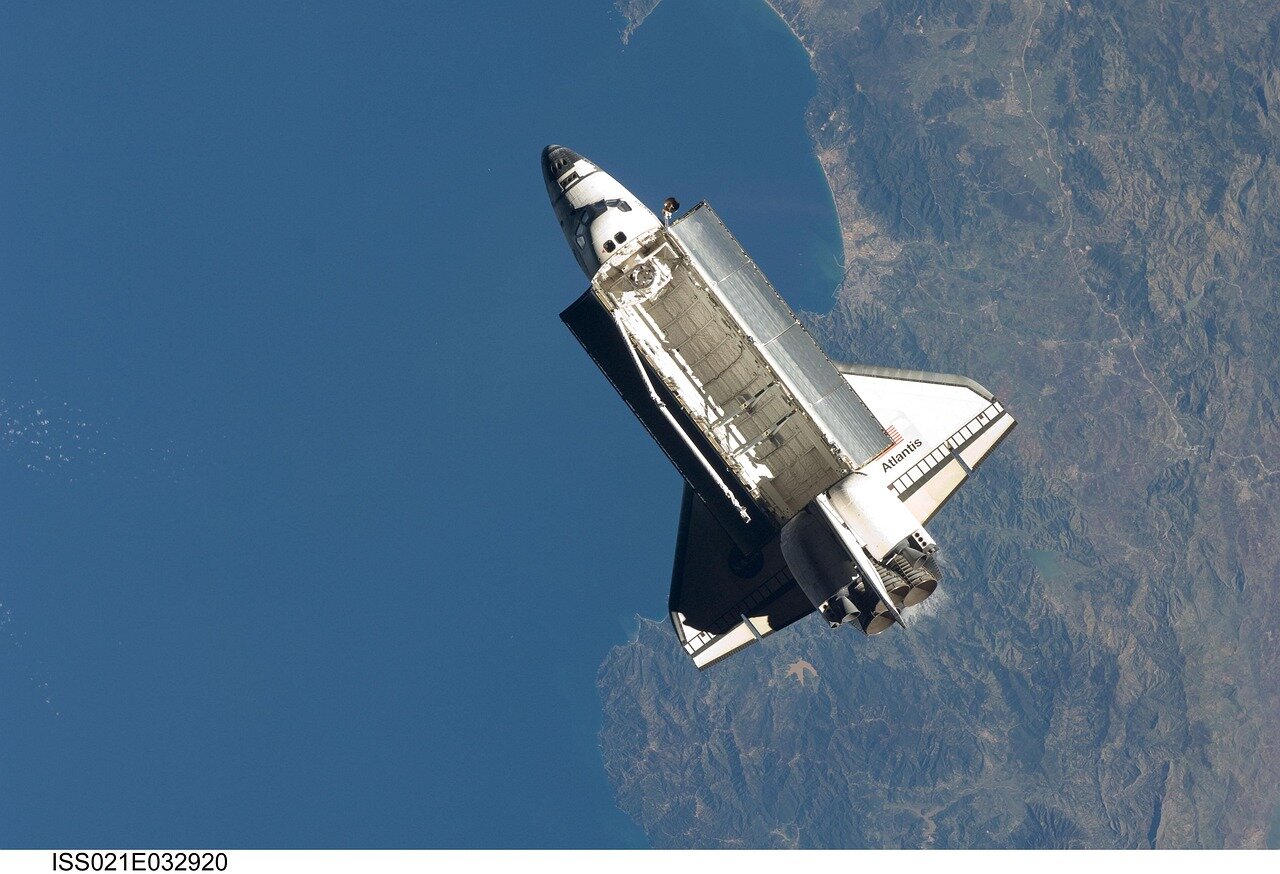
As Nasa prepares for subsequent phases of the Artemis program, the lessons learned from this mission will inform future missions, including Artemis II, which aims to carry astronauts around the Moon. The successful outcomes of these missions are expected to inspire a new generation of scientists and engineers, reinforcing the significance of human spaceflight in expanding our understanding of the universe. The implications of these developments can be compared to innovations such as immune systems for buildings.
The historical background of lunar exploration by Nasa
The journey to the Moon has been a pivotal chapter in the narrative of human exploration and scientific achievement. NASA’s lunar exploration efforts began earnestly in the late 1950s, during a time marked by the Cold War and the Space Race between the United States and the Soviet Union. The launch of Sputnik by the USSR in 1957 ignited a fierce competition, pushing the U.S. to accelerate its space ambitions and assert its technological prowess on the global stage.
In 1961, President John F. Kennedy famously set the ambitious goal of landing a man on the Moon before the decade’s end. This declaration galvanized NASA and led to the establishment of the Apollo program, which would become synonymous with lunar exploration. The first successful manned mission, Apollo 11, culminated in Neil Armstrong and Buzz Aldrin’s historic moonwalk on July 20, 1969, marking a monumental achievement not only for NASA but for humanity as a whole.
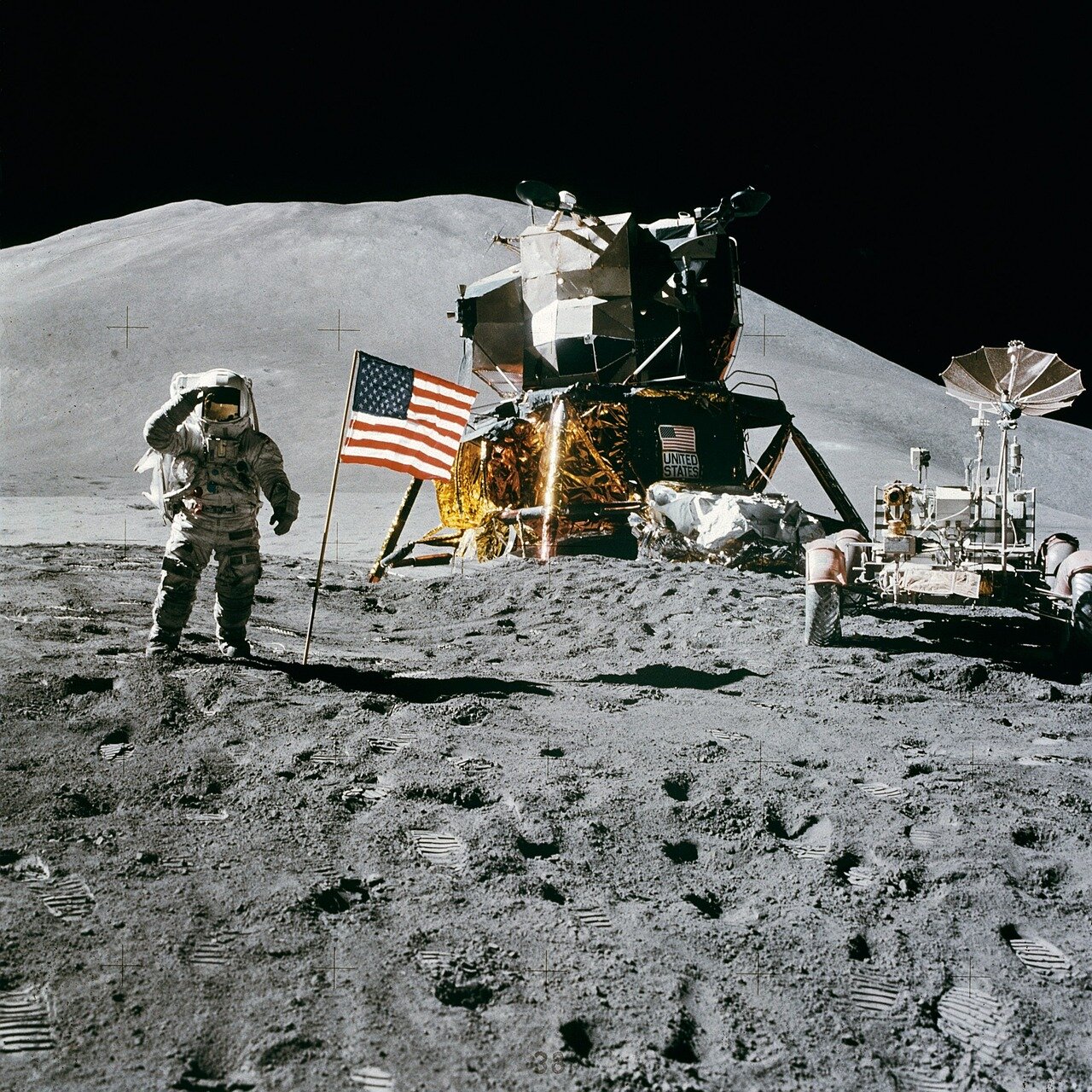
The Apollo Program and Its Legacy
The Apollo program consisted of a series of missions, with Apollo 11 being the most celebrated. However, it was preceded by several critical missions that laid the groundwork for success. Apollo 1, tragically, ended in disaster during a pre-launch test in 1967, leading to significant safety overhauls. Subsequent missions, such as Apollo 8, which orbited the Moon, and Apollo 10, which tested lunar landing procedures, were crucial in refining the technology and strategies needed for a successful lunar landing.
The success of the Apollo program had far-reaching implications, not only for space exploration but also for advancements in technology and international cooperation in science. The program concluded with Apollo 17 in 1972, leaving a lasting legacy that inspired generations of scientists, engineers, and explorers. The lessons learned and the technologies developed during these missions continue to influence current and future space endeavors, including NASA’s Artemis program, which aims to return humans to the Moon and establish a sustainable presence there.
As we reflect on NASA’s historic mission to the Moon, it is essential to understand the socio-political context that shaped these explorations. The achievements of the Apollo program not only represented technological triumphs but also served as symbols of national pride and human ingenuity during a tumultuous era in history.

Key stakeholders and challenges faced during the mission
The historic mission to the Moon involved a diverse range of stakeholders, each with their own interests and objectives. Key actors included NASA, private aerospace companies, international space agencies, and government entities. NASA, as the primary agency leading the mission, aimed to advance scientific knowledge, foster international collaboration, and inspire future generations. Private companies, such as SpaceX and Boeing, sought to establish themselves as leaders in the emerging space economy.
International partnerships played a significant role, with agencies like the European Space Agency (ESA) and the Japan Aerospace Exploration Agency (JAXA) contributing expertise and resources. These collaborations were essential for sharing costs and technology, but they also raised concerns about equitable distribution of benefits and intellectual property rights.
Several challenges emerged throughout the mission, including budgetary constraints, technological hurdles, and regulatory issues. The following points highlight some of the key conflicts and trade-offs faced:
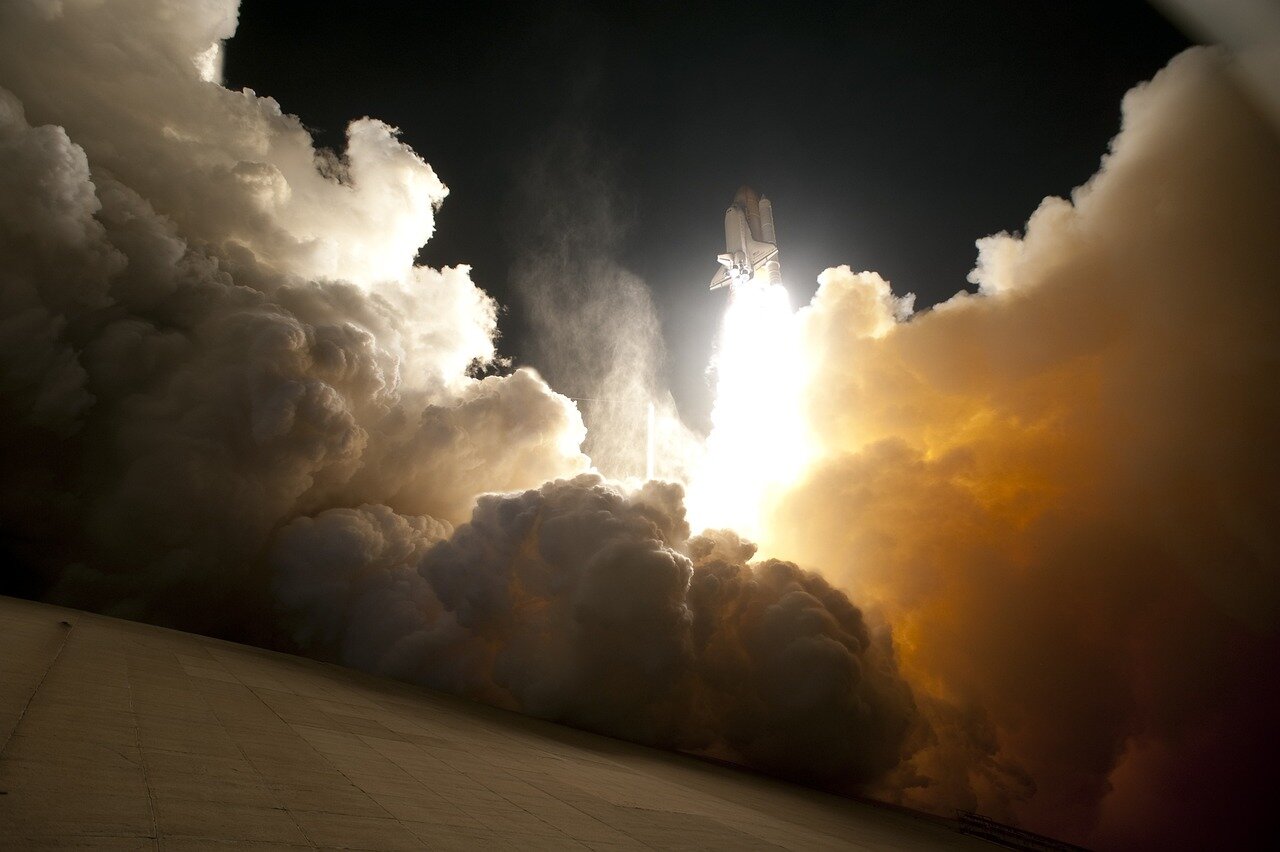
- Funding Allocation: Balancing public funding for NASA with the need to support private sector innovation created tensions over resource distribution.
- Technological Reliability: Ensuring that new technologies developed by private companies met NASA’s rigorous safety and performance standards posed significant challenges.
- International Collaboration: Navigating the complexities of international agreements and ensuring mutual benefit among partner countries was critical to mission success.
- Environmental Considerations: Addressing concerns about the environmental impact of rocket launches and lunar exploration became a focal point for advocacy groups.
- Public Engagement: Maintaining public interest and support for the mission amid competing priorities and budget debates was essential for long-term viability.
These stakeholders and their respective interests highlight the intricate web of relationships and challenges that characterized the mission. Understanding these dynamics is crucial for appreciating the broader implications of lunar exploration and the future of space endeavors.
The impact of the mission on science and public perception
The recent NASA mission to the Moon has far-reaching implications for various groups, industries, and regions. Scientists and researchers in the fields of astronomy and planetary science stand to benefit significantly from the data collected during this historic mission. The mission not only enhances our understanding of lunar geology but also informs future exploration endeavors, including potential manned missions to Mars.
In the short term, public enthusiasm for space exploration is likely to surge, inspiring a new generation of scientists and engineers. Educational institutions may see an uptick in enrollments in STEM (Science, Technology, Engineering, and Mathematics) programs as students look to engage with the exciting possibilities of space science. Additionally, this renewed interest could lead to increased funding for research and development in aerospace technologies.

In the mid-term, industries related to aerospace, technology, and even tourism could experience significant growth. Companies involved in satellite technology, space travel, and lunar resource exploration may find new opportunities for investment and innovation. Furthermore, regions with a strong aerospace presence, such as Florida and California, are poised to see economic benefits as they attract more businesses and talent to support ongoing missions.
- Increased investment in STEM education: Schools and universities may receive more funding and support for science programs.
- Growth in aerospace industries: Companies may expand their operations and workforce in response to new opportunities.
- Enhanced public interest: The mission could lead to a cultural shift, with more people advocating for space exploration and science funding.
However, there are also risks associated with this mission. The potential for budget cuts in other areas of science and social programs could arise as governments prioritize funding for space exploration. Additionally, public interest may wane if subsequent missions do not meet expectations or if significant challenges arise during future endeavors. Balancing excitement with realistic expectations will be crucial in maintaining public support for ongoing space exploration initiatives.
A: The primary goal was to explore the lunar surface and gather data to prepare for future human missions to Mars. A: The mission lasted several weeks, including time spent in orbit and on the lunar surface. A: Advanced spacecraft technology, including autonomous navigation systems and robotic landers, were utilized. A: The mission garnered significant public interest and excitement, reigniting enthusiasm for space exploration. A: Nasa plans to analyze the data collected and continue developing technologies for future missions to Mars.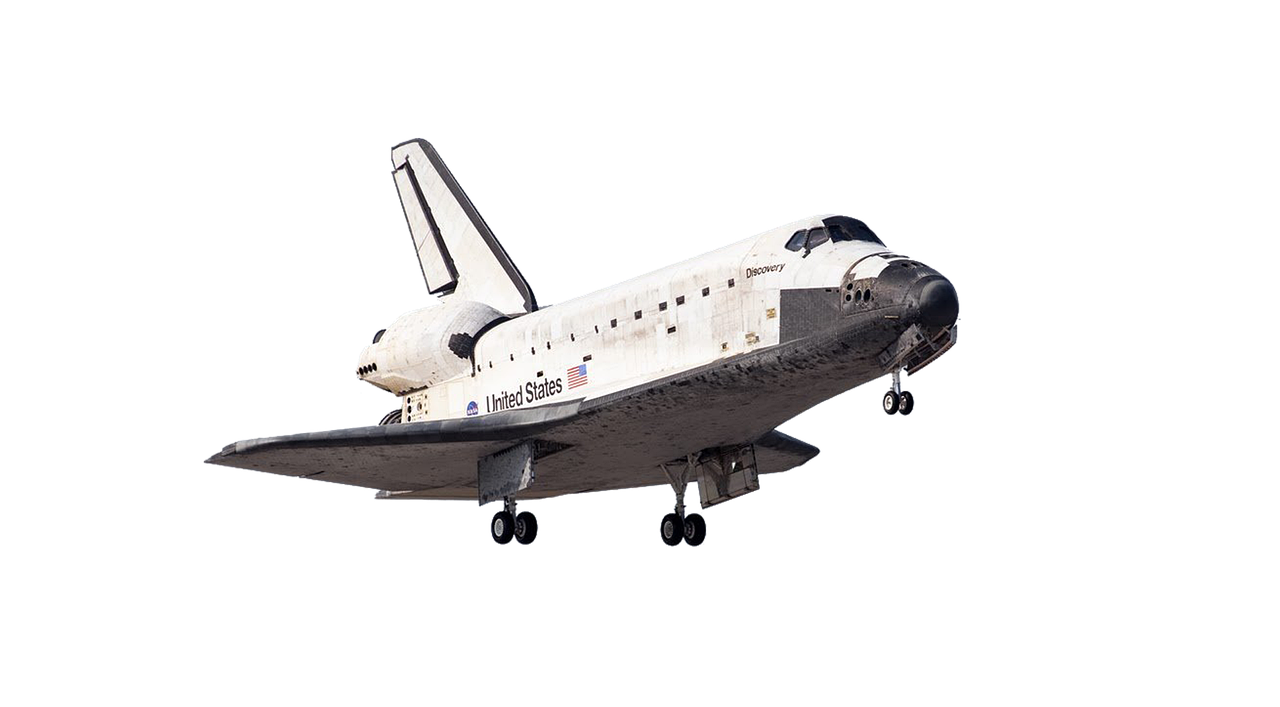
Frequently Asked Questions about the Moon mission
Key takeaways and future prospects for lunar exploration
The recent mission to the Moon marks a significant milestone in space exploration, demonstrating advancements in technology and international collaboration. As we reflect on the achievements and challenges of this historic endeavor, it is essential to consider the implications for future lunar missions and the broader implications for humanity’s presence in space.
Looking ahead, the lessons learned from this mission will pave the way for more ambitious projects, including potential manned missions to Mars and the establishment of sustainable lunar bases. The data collected and the experiences gained will be invaluable as we continue to explore the final frontier.
- Technological advancements: Innovations developed during the mission will likely influence various sectors, including telecommunications and materials science.
- International collaboration: The success of this mission highlights the importance of global partnerships in achieving complex scientific goals.
- Public interest and investment: Increased public engagement in space exploration may lead to greater funding and support for future missions.
- Sustainability focus: Future missions will need to prioritize sustainable practices to ensure long-term habitation and exploration of the Moon.
- Scientific research opportunities: The mission opens avenues for extensive research on lunar geology, potential resources, and the effects of low-gravity environments on human health.