
On October 15, 2023, IBM showcased its latest development during a technology conference in San Francisco, which is part of a larger trend in chip technology. The company revealed that this new design could potentially lead to chips that are not only smaller but also more powerful than their predecessors. This advancement comes at a crucial time as the semiconductor industry faces challenges related to miniaturization and energy consumption.
Industry experts believe that IBM’s innovation could have far-reaching implications for the tech sector. By enabling higher density chip designs, the new technology could support the next generation of computing solutions, paving the way for faster and more efficient devices. The ability to integrate more functionalities into a smaller footprint is particularly important as consumer electronics continue to evolve, making it essential to stay informed about industry advancements.
As competition intensifies among major tech companies, IBM’s breakthrough may position it as a leader in chip technology. With significant investments in research and development, IBM is striving to maintain its edge in a rapidly changing market. This advancement not only underscores IBM’s commitment to innovation but also highlights the critical role of semiconductor technology in shaping future digital landscapes.
Understanding the evolution of chip design and its challenges
The development of semiconductor technology has been a cornerstone of modern computing, with its roots tracing back to the mid-20th century. The invention of the transistor in 1947 by John Bardeen, Walter Brattain, and William Shockley marked the beginning of a new era in electronics. This invention paved the way for integrated circuits, which combined multiple transistors onto a single chip, drastically increasing processing power while reducing size and cost.
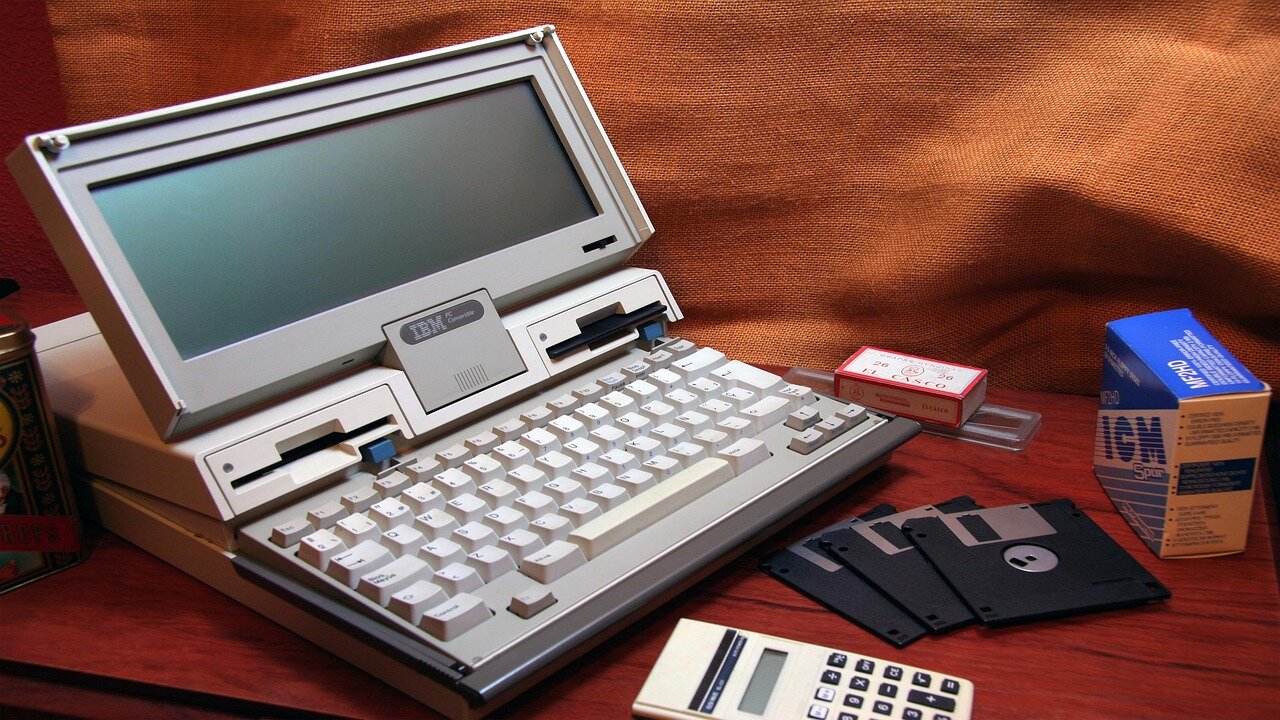
As technology progressed, the demand for smaller, faster, and more efficient chips surged. The introduction of Moore’s Law in 1965, which predicted that the number of transistors on a chip would double approximately every two years, set a benchmark for the industry. However, as transistors reached the nanoscale, engineers faced significant challenges related to heat dissipation, power consumption, and physical limitations of materials.
The rise of 3D chip architecture
In response to these challenges, the industry began exploring innovative designs, including 3D chip architecture. This approach allows multiple layers of chips to be stacked vertically, akin to a “block of flats,” which can significantly enhance performance and efficiency. IBM’s recent breakthrough in this area represents a significant milestone, as it not only addresses the limitations of traditional planar designs but also offers a scalable solution to meet the increasing demands of data-intensive applications.
Over the past few decades, significant investments in research and development have driven advancements in chip technology. Collaborations between tech giants, academic institutions, and government bodies have led to breakthroughs in materials science and manufacturing processes. As a result, the landscape of chip design continues to evolve, pushing the boundaries of what is possible in computing.
In summary, the journey of chip design has been marked by continuous innovation and adaptation. The latest developments, such as IBM’s new design for ultra-tiny chips, highlight the industry’s commitment to overcoming challenges and meeting the ever-growing needs of modern technology.
Exploring the implications for stakeholders in the semiconductor industry
The recent announcement by IBM regarding its innovative ‘block of flats’ design for ultra tiny chips has significant implications for various stakeholders in the semiconductor industry. This breakthrough could revolutionize chip manufacturing, impacting technology companies, consumers, and regulatory bodies alike, and is representative of the ongoing innovation in technology.

Key actors in this scenario include IBM as the leading innovator, competing technology firms that may need to adapt to this new design, and consumers who will ultimately benefit from enhanced performance in devices. Additionally, governments and regulatory agencies play a crucial role in overseeing the industry, ensuring that advancements comply with safety and ethical standards.
However, the introduction of such technology does not come without challenges. The following key issues highlight the potential conflicts and trade-offs:
- Competition: Other semiconductor manufacturers may feel pressured to innovate rapidly, leading to increased competition and potential market volatility.
- Intellectual Property: The proprietary nature of IBM’s design may raise legal challenges, as competitors could seek to replicate or challenge the technology.
- Supply Chain Dynamics: The shift to ultra tiny chips may require adjustments in the supply chain, affecting suppliers and manufacturers who may need to invest in new technologies.
- Consumer Impact: While consumers stand to gain from improved technology, there may be concerns regarding the affordability and accessibility of these advanced chips.
- Regulatory Scrutiny: As the industry evolves, regulatory bodies will need to assess the implications of these advancements on safety, privacy, and market competition.
In summary, the ‘block of flats’ design by IBM presents a complex landscape of opportunities and challenges for stakeholders in the semiconductor industry. Understanding these dynamics will be crucial as the market adapts to this technological advancement.
Potential market impact and benefits for consumers
The breakthrough in ultra tiny chips by IBM is poised to affect a wide range of industries, including consumer electronics, automotive, healthcare, and telecommunications. As these chips become more compact and efficient, manufacturers across these sectors will have the opportunity to innovate their products, leading to enhanced functionality and performance.
In the short term, consumers can expect a surge in the availability of more powerful devices that are smaller and lighter. For instance, smartphones and laptops may become more efficient, with longer battery life and faster processing speeds. Additionally, the automotive industry could see advancements in smart vehicle technology, improving safety features and overall driving experience.

Mid-term impacts may include significant changes in supply chain dynamics. As companies adopt these new chip designs, there may be a shift in manufacturing processes, leading to new partnerships and collaborations. Regions that invest in semiconductor manufacturing could experience economic growth, while those that lag behind may face challenges in keeping up with technological advancements.
- Enhanced device performance and battery life for consumers.
- Potential for new product categories in tech and automotive sectors.
- Economic growth in regions focused on semiconductor manufacturing.
- Increased competition among tech companies to innovate.
However, there are risks associated with this rapid advancement. Supply chain disruptions could occur as companies transition to the new technology, potentially leading to temporary shortages of existing products. Additionally, there may be concerns regarding data security and privacy as more devices become interconnected through these advanced chips.
Overall, while there are challenges to navigate, the potential opportunities for innovation and improved consumer experiences are significant, marking a pivotal moment in the technology landscape.
A: The new design refers to a method of stacking chip components in a way that optimizes space and performance, allowing for ultra tiny chips that can operate more efficiently. A: This design enhances the performance of chips by reducing the distance data needs to travel within the chip, leading to faster processing speeds and lower energy consumption. A: Various sectors including consumer electronics, automotive, and telecommunications will benefit, as smaller and more efficient chips can lead to improved devices and applications. A: While the technology is in development, IBM aims to collaborate with manufacturers to integrate these chips into products within the next few years. A: IBM must overcome manufacturing challenges and ensure that the new design can be produced at scale while maintaining reliability and performance.
Frequently asked questions about the new chip design
Key takeaways and future outlook on chip technology
The recent breakthrough by IBM in designing ultra tiny chips using a ‘block of flats’ approach signifies a pivotal moment in semiconductor technology. This innovative design promises to enhance the efficiency and performance of electronic devices, potentially reshaping industries reliant on advanced computing power. As the demand for smaller, faster, and more energy-efficient chips continues to grow, this development could pave the way for significant advancements in various sectors, including artificial intelligence, mobile technology, and the Internet of Things.
Looking ahead, it will be crucial to monitor how this technology is implemented in commercial products and the subsequent impact on the market. The scalability of this design and its integration into existing manufacturing processes will determine its success and adoption across the industry.
- The new chip design could lead to more compact and powerful devices, enhancing user experiences in consumer electronics.
- Increased efficiency in chip design may accelerate advancements in AI and machine learning applications.
- Potential for significant cost reductions in manufacturing ultra tiny chips, influencing pricing strategies in the tech market.
- Watch for partnerships between IBM and other tech firms to leverage this technology in innovative products.
- Regulatory and environmental considerations may arise as chip production scales up, impacting sustainability efforts in the industry.