
The project, led by a collaboration of conservationists and entomologists from the University of Exeter and the Woodland Trust, involved meticulous planning and execution. In March 2023, scientists collected specimens from a nearby population and carefully transported them to a designated woodland site. This site was chosen for its suitable environmental conditions and the presence of necessary resources for the ants’ survival. For more on environmental efforts, check out related initiatives like How a Bird’s Habitat Can Change Its Song.
As of October 2023, early monitoring results indicate that the reintroduced population is adapting well to its new environment. Researchers have observed the ants establishing colonies and foraging for food, which is a positive sign of their integration into the ecosystem. This initiative not only highlights the importance of species conservation but also serves as a model for similar efforts aimed at restoring lost biodiversity.
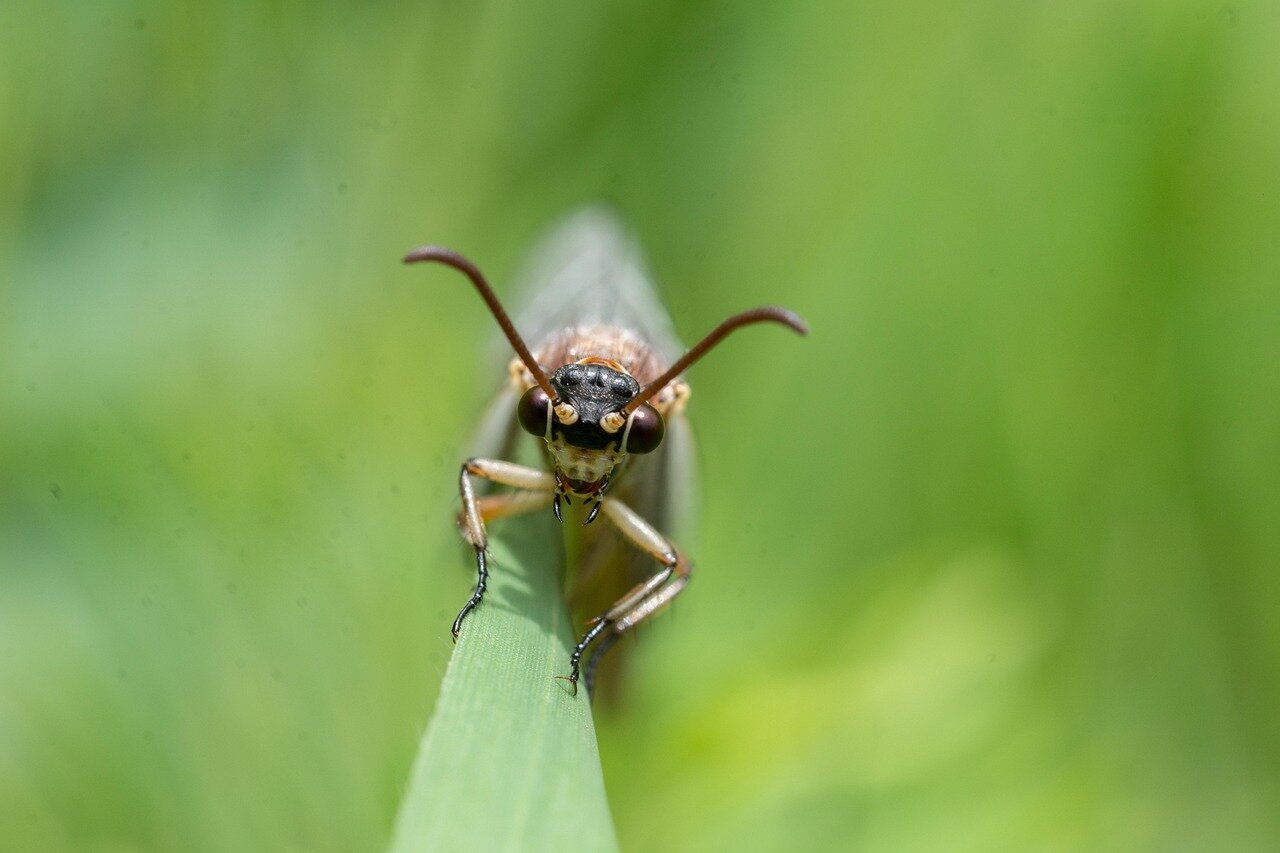
The successful reintroduction of Formica exsecta underscores the potential for recovery of lost species through targeted conservation strategies. It emphasizes the vital role that ants play in woodland ecosystems, including soil aeration and seed dispersal. As the project progresses, ongoing research will focus on the long-term sustainability of the population and its impact on the surrounding flora and fauna. Such studies are crucial for understanding biodiversity’s role, much like what is explored in Suno’s launch of new initiatives.
Understanding the background of the lost ant species and its significance
The reintroduction of the lost ant species to woodland areas is not just a tale of ecological restoration; it reflects broader themes in environmental conservation, biodiversity, and the impacts of human activity on natural habitats. Historically, many species have faced severe population declines due to habitat destruction, climate change, and pollution. The specific ant species in question was once prevalent in various ecosystems but disappeared from its native range, primarily due to urban development and agricultural expansion. This situation emphasizes the importance of understanding historical contexts, as discussed in Larry Sanger’s experience with Wikipedia.
In the early 20th century, urbanization began to accelerate, leading to significant alterations in land use. Forests were cleared for agriculture and infrastructure, resulting in fragmented habitats that could not support the diverse species that once thrived there. This loss of habitat was compounded by the introduction of invasive species, which often outcompeted native fauna for resources. The decline of the lost ant species serves as a poignant reminder of the fragility of ecosystems and the cascading effects that one species’ extinction can have on others.
Milestones in Conservation Efforts
Efforts to reintroduce lost species have gained momentum over the last few decades, driven by a growing recognition of the importance of biodiversity. Key milestones include the establishment of protected areas and conservation programs aimed at restoring habitats. In the case of the lost ant species, researchers conducted extensive studies to understand its ecological role and the specific conditions required for its survival. This research laid the groundwork for a carefully planned reintroduction strategy, which involved breeding programs and habitat restoration initiatives.
Furthermore, public awareness and political will have significantly shaped conservation policies. The rise of environmental movements in the late 20th century brought attention to the plight of endangered species, leading to legislation aimed at protecting biodiversity. The reintroduction of the ant species is emblematic of this shift, highlighting how collaborative efforts between scientists, policymakers, and local communities can lead to successful conservation outcomes.
Key stakeholders involved in the reintroduction process
The reintroduction of the lost ant species to the woodland has garnered the attention of various stakeholders, each with distinct interests and concerns. These stakeholders include conservation organizations, local governments, researchers, and the surrounding communities. Their involvement is crucial for the success of the reintroduction effort and the long-term sustainability of the ecosystem.
Conservation organizations, such as the World Wildlife Fund and local environmental groups, are primarily motivated by the preservation of biodiversity and the restoration of natural habitats. They advocate for the reintroduction as a means to enhance ecological balance, as the lost ant species plays a vital role in soil health and nutrient cycling.
Local governments also play a significant role in this process, as they are responsible for land management and regulatory compliance. Their interests may include promoting tourism and public engagement with nature, which can be economically beneficial. However, they must balance these interests with potential conflicts arising from land use and community concerns regarding the reintroduction.
- Research Institutions: Academics and scientists are focused on studying the ecological impacts of the reintroduction, contributing valuable data to inform future conservation efforts.
- Community Stakeholders: Local residents may have mixed feelings about the reintroduction, weighing the ecological benefits against potential disruptions to their daily lives or land use.
- Regulatory Bodies: Government agencies must ensure that the reintroduction complies with environmental laws and regulations, which can complicate the process.
Key legal issues arise from the need for permits and compliance with wildlife protection laws, which can delay the reintroduction process. Economic considerations also come into play, as funding for such initiatives often depends on grants and public support, requiring stakeholders to effectively communicate the benefits of the reintroduction to secure necessary resources.
The ecological impact of reintroducing the ant species to the woodland
The reintroduction of the lost ant species to woodland ecosystems affects various groups, including conservationists, local communities, and the forestry industry. Conservationists view this as a significant victory for biodiversity, while local communities may experience changes in their environment that could affect daily life. The forestry industry could see both positive and negative implications as the ecosystem adjusts to the return of this species.
In the short term, the presence of the reintroduced ant species may lead to increased biodiversity, benefiting local flora and fauna. This could enhance ecosystem services, such as soil aeration and seed dispersal, which are crucial for maintaining healthy woodlands. However, there is also the risk of competition with existing species, which could disrupt the current ecological balance.
Mid-term impacts may include shifts in local wildlife populations as the ant species establishes itself. This can lead to changes in predator-prey dynamics, which could affect species that rely on these ants as a food source. For local businesses, particularly those in tourism and outdoor recreation, the reintroduction could present new opportunities for eco-tourism, attracting visitors interested in observing the restored ecosystem.
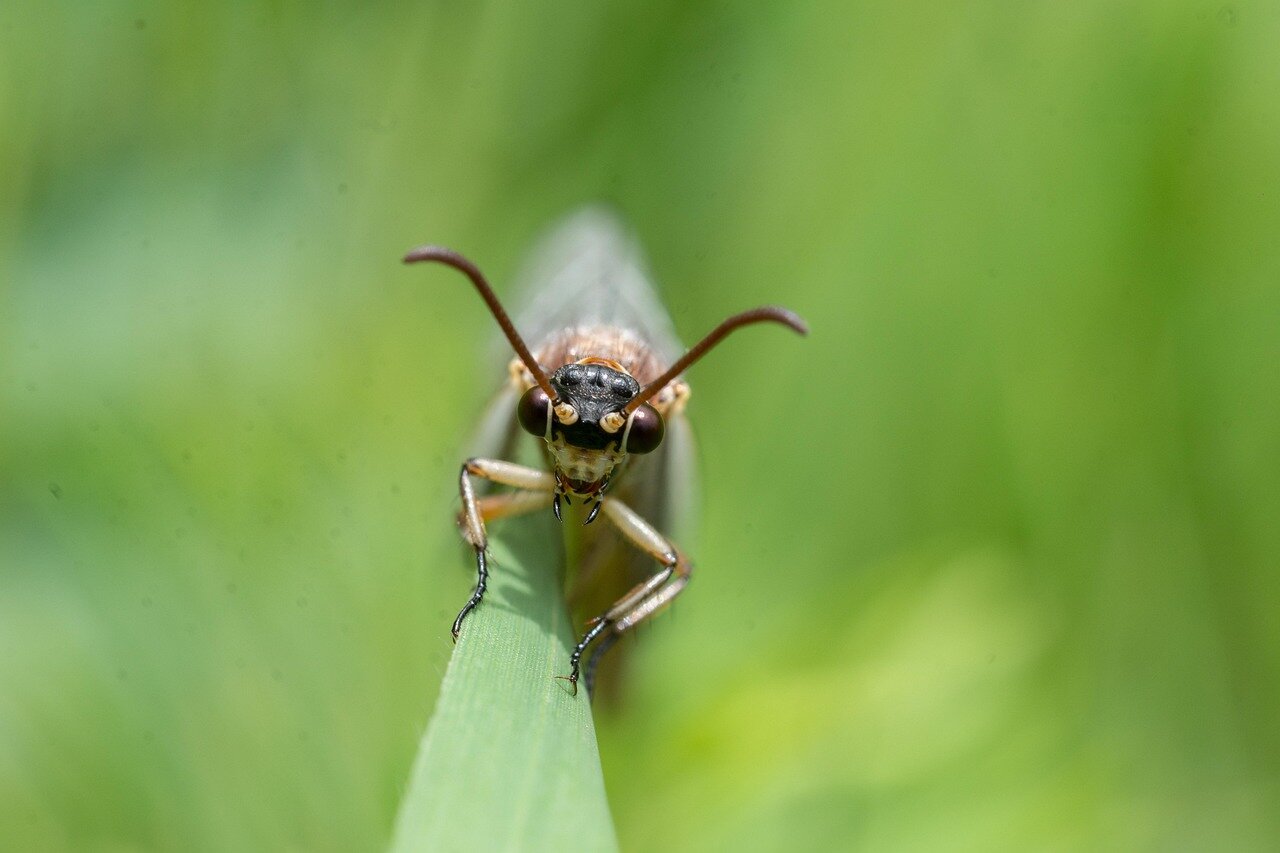
- Positive impacts: Enhanced biodiversity, improved soil health, and increased eco-tourism.
- Negative impacts: Potential competition with native species and disruption of existing ecological relationships.
Policy implications may also arise as local governments and environmental organizations work to monitor the effects of the reintroduced species. This could lead to new conservation initiatives or regulations aimed at protecting the woodland ecosystem. Overall, while there are risks associated with the reintroduction, the potential for ecological restoration and community engagement presents a hopeful outlook for the future of the woodland environment.
A: Reintroducing the lost ant species helps restore ecological balance and supports biodiversity. It also serves as a crucial step in conservation efforts aimed at preserving native species. A: The ant species was rediscovered through extensive field research and genetic analysis, which confirmed its existence in a previously unexamined area. A: Researchers faced challenges such as habitat suitability, potential competition with existing species, and ensuring the ants could thrive in their new environment. A: Success will be measured through monitoring the population growth, behavioral adaptation, and ecological interactions of the reintroduced ant species over time. A: Yes, there are plans to assess and potentially reintroduce other lost or endangered species as part of ongoing conservation efforts.
Frequently asked questions about the ant species reintroduction
Insights on the future of biodiversity and conservation efforts
The successful reintroduction of the ‘lost’ ant species to its native woodland habitat highlights the resilience of ecosystems and the potential for recovery through targeted conservation strategies. This initiative not only revives a crucial component of the local biodiversity but also serves as a model for similar efforts aimed at restoring other species that have faced decline or extinction. The interplay between species reintroduction and habitat preservation is essential in mitigating the impacts of climate change and human activity.
As conservationists and ecologists analyze the outcomes of this project, it becomes clear that continued investment in biodiversity initiatives is vital. The lessons learned from this reintroduction can inform future efforts, ensuring that ecosystems remain robust and capable of supporting diverse life forms.
- Monitoring and Adaptation: Ongoing observation of the reintroduced species will be crucial to assess their integration into the ecosystem and to make necessary adjustments to management strategies.
- Community Involvement: Engaging local communities in conservation efforts can enhance support for biodiversity initiatives and foster a sense of stewardship over natural resources.
- Broader Implications: This case could inspire similar projects globally, emphasizing the importance of restoring lost species to maintain ecological balance.
- Research and Funding: Increased funding for research into species recovery can lead to more successful conservation outcomes and innovative approaches to biodiversity challenges.
- Habitat Restoration: Protecting and restoring natural habitats is essential not just for the reintroduced species, but for the overall health of the ecosystem.