
The announcement comes as the demand for AI-driven solutions continues to surge across various sectors, including gaming, content creation, and data analysis. By integrating this technology into personal computers, Nvidia is positioning itself to cater to a growing market that seeks powerful computing solutions at home.
Industry experts predict that this chip could revolutionize how users interact with their devices, making AI tools more accessible and efficient. With features that allow for real-time processing and improved graphics capabilities, Nvidia’s innovation may set a new standard for performance in personal computing.
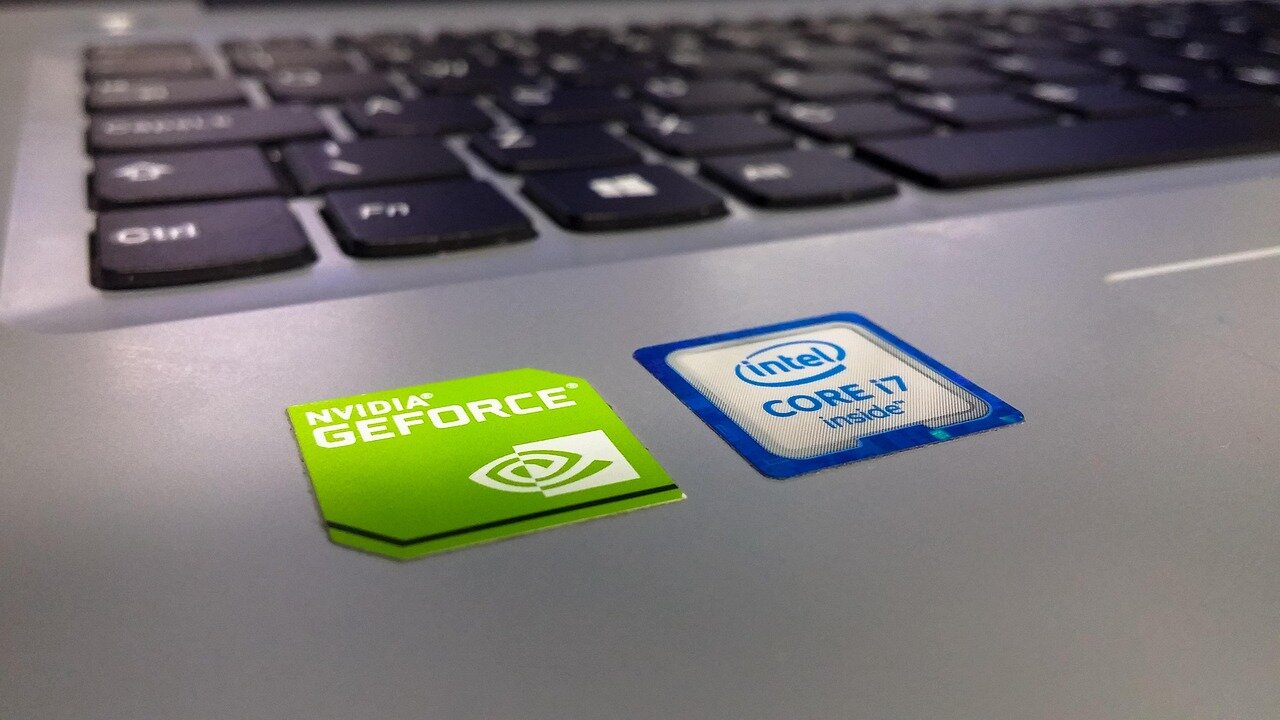
This launch is part of Nvidia’s broader strategy to maintain its leadership in the AI and graphics processing market, particularly as competition intensifies from other tech giants. As companies increasingly invest in AI, Nvidia’s new chip could play a crucial role in shaping the future landscape of personal computing.
Recommended Articles
- Matías Aguayo Anenoa review by Ammar Kalia
- Are robots nearing their ChatGPT moment
- Ludwig's Acquisition of Rivals of Aether II Registration Numbers Sparks Controversy
- Riot expands Berlin arena for simultaneous LEC and VCT EMEA events
- Trump criticizes judge over Kennedy Center decision and renovation halt
- Matías Aguayo Anenoa review by Ammar Kalia
- Are robots nearing their ChatGPT moment
- Ludwig's Acquisition of Rivals of Aether II Registration Numbers Sparks Controversy
- Riot expands Berlin arena for simultaneous LEC and VCT EMEA events
- Trump criticizes judge over Kennedy Center decision and renovation halt
Understanding the evolution of AI chips in personal computing
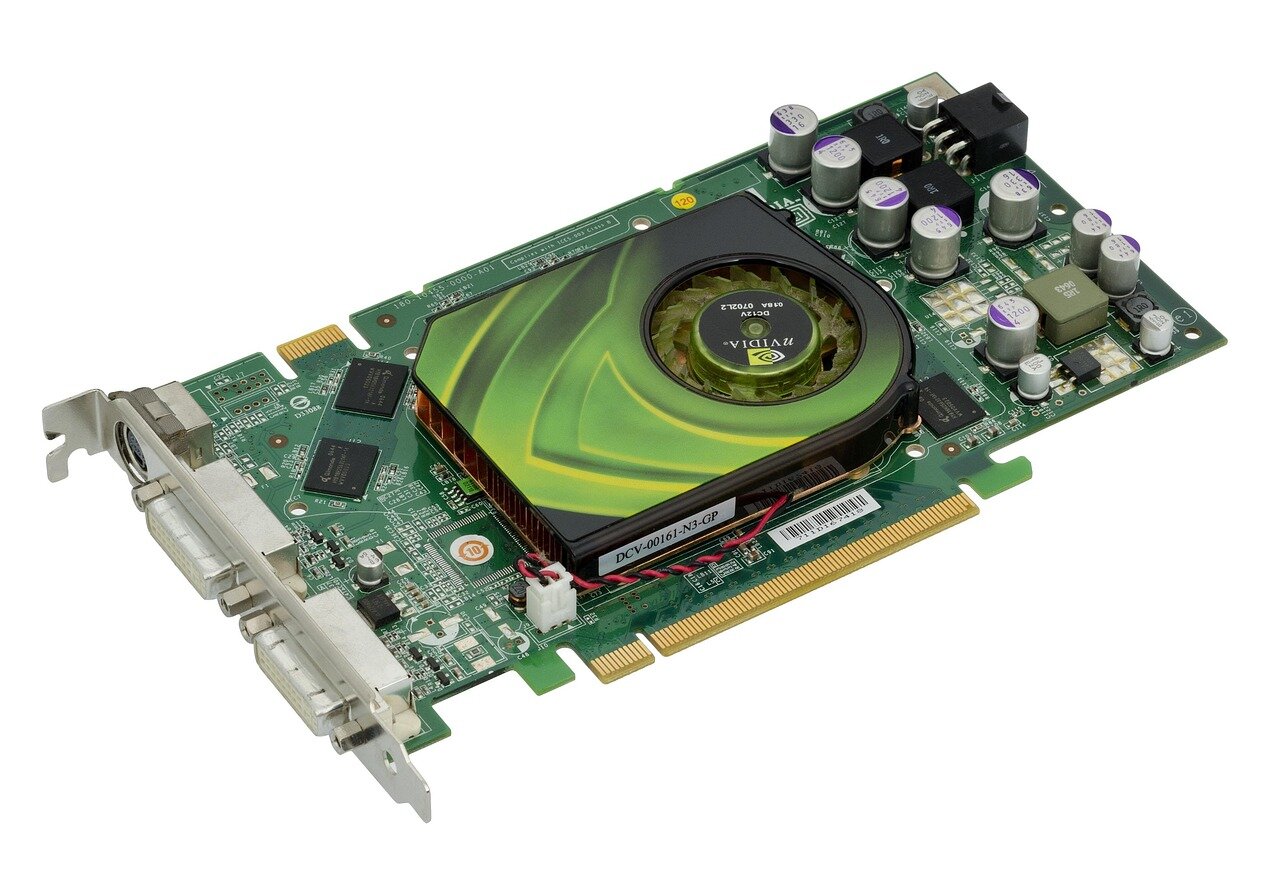
The development of AI chips for personal computers has been a significant milestone in the technological landscape, driven by the rapid advancement of artificial intelligence and machine learning. Over the past decade, the demand for more powerful processing capabilities has surged, particularly as applications in data analysis, image recognition, and natural language processing have become commonplace. This evolution can be traced back to the early 2010s when GPU (Graphics Processing Unit) manufacturers began to pivot their focus towards AI applications, recognizing the potential of parallel processing in handling complex algorithms.
In 2016, Nvidia made headlines with the launch of its Pascal architecture, which introduced significant improvements in performance and efficiency for AI workloads. This was followed by the introduction of the Volta architecture in 2017, specifically designed with AI and deep learning in mind. These advancements laid the groundwork for the development of dedicated AI chips, effectively transforming personal computing by enabling devices to perform tasks that were previously only possible on high-end servers.
The rise of specialized AI hardware
As the market for AI technologies expanded, companies began investing heavily in specialized hardware to meet the growing demands of consumers and businesses alike. In 2020, Nvidia’s Ampere architecture further pushed the envelope, offering enhanced capabilities for real-time AI processing. This progression highlighted a broader trend in the tech industry towards creating hardware that is not only powerful but also optimized for specific tasks, such as AI computations.
Moreover, the COVID-19 pandemic accelerated the adoption of remote work and digital solutions, leading to an increased reliance on personal computers equipped with AI capabilities. As a result, the market for AI chips has become increasingly competitive, with major players like AMD and Intel also entering the fray, aiming to capture a share of the burgeoning demand for AI-enhanced personal computing.
With Nvidia’s recent announcement of a new AI chip tailored for personal computers, the landscape is set for further innovation and integration of AI technologies into everyday computing. This move not only signifies a response to the evolving needs of users but also underscores the importance of AI in shaping the future of personal technology.
Key stakeholders and implications of Nvidia’s AI chip
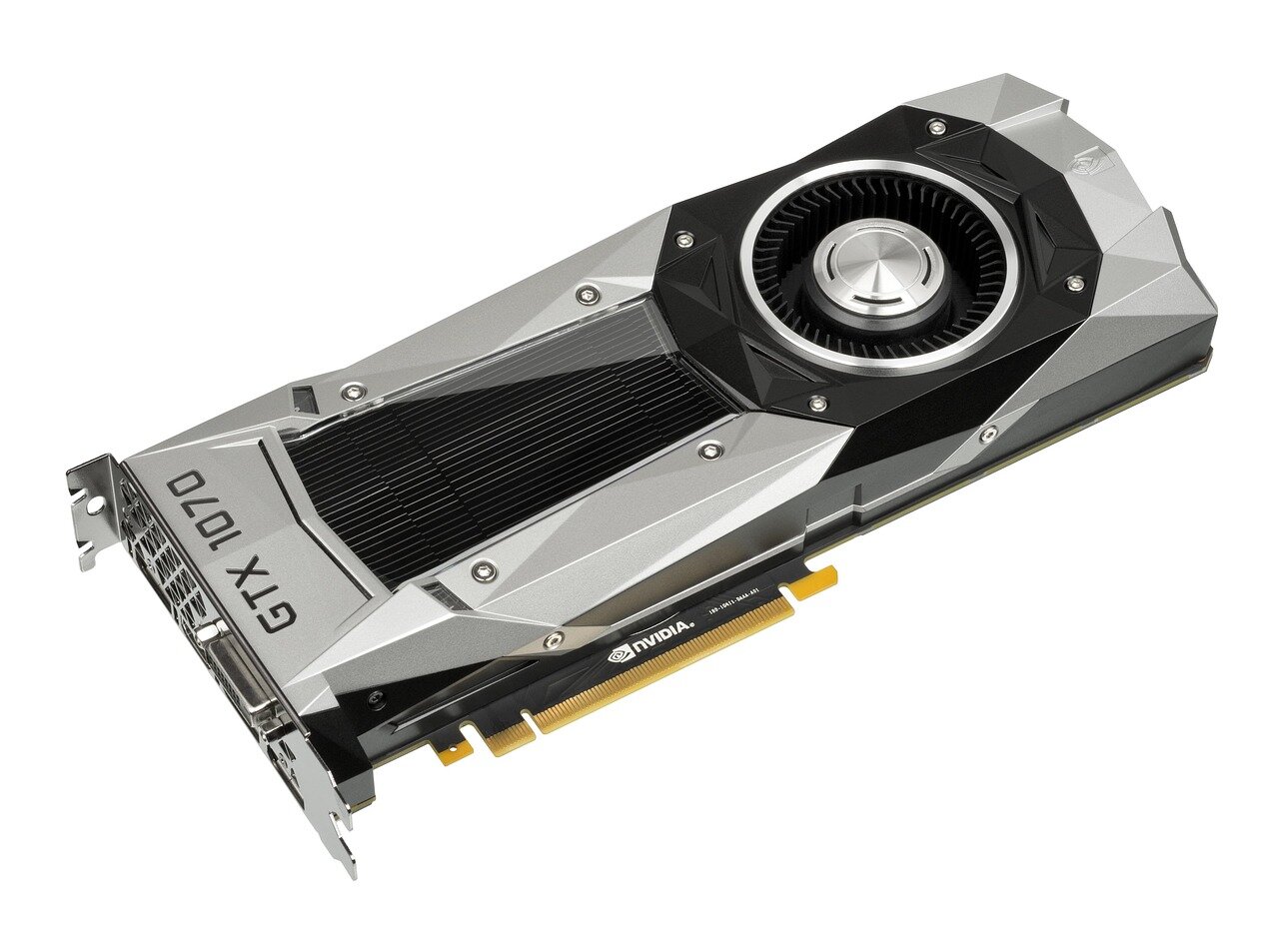
Nvidia’s announcement of a new AI chip for personal computers has drawn the attention of various stakeholders, including technology companies, consumers, regulatory bodies, and competitors. Each of these actors has distinct interests that shape their responses to this innovation.
Technology companies, particularly those in the hardware and software sectors, are keenly interested in how Nvidia’s new chip will enhance computing capabilities. Companies like Microsoft and Adobe may look to integrate the chip’s capabilities into their products, thus improving user experiences and driving sales. However, this also raises concerns about dependency on Nvidia’s technology, which could limit competition and innovation in the long run.
Consumers stand to benefit from enhanced performance and new features enabled by the AI chip. However, the potential for increased costs associated with new hardware could be a trade-off that some may find challenging. Additionally, questions about data privacy and security may arise as AI technologies become more integrated into personal computing.
Regulatory bodies will likely scrutinize Nvidia’s market position and the implications of its new chip. Concerns about monopolistic practices may surface, especially if the chip becomes essential for AI applications across various sectors. This could lead to legal and economic challenges, as regulators seek to maintain fair competition.
- Increased competition among tech firms to leverage Nvidia’s technology.
- Potential price hikes for consumers as demand for advanced AI capabilities grows.
- Regulatory scrutiny over Nvidia’s market dominance and its impact on competition.
- Concerns over data privacy as AI chips become integral to personal computing.
- Opportunities for innovation in software applications that utilize the new chip.
How the new AI chip will affect consumers and the market
Nvidia’s announcement of a new AI chip for personal computers is set to create ripples across various sectors, affecting consumers, businesses, and even policymakers. The immediate beneficiaries are likely to be tech enthusiasts and professionals in fields such as graphic design, video editing, and artificial intelligence research, where enhanced processing power can lead to significant productivity gains.
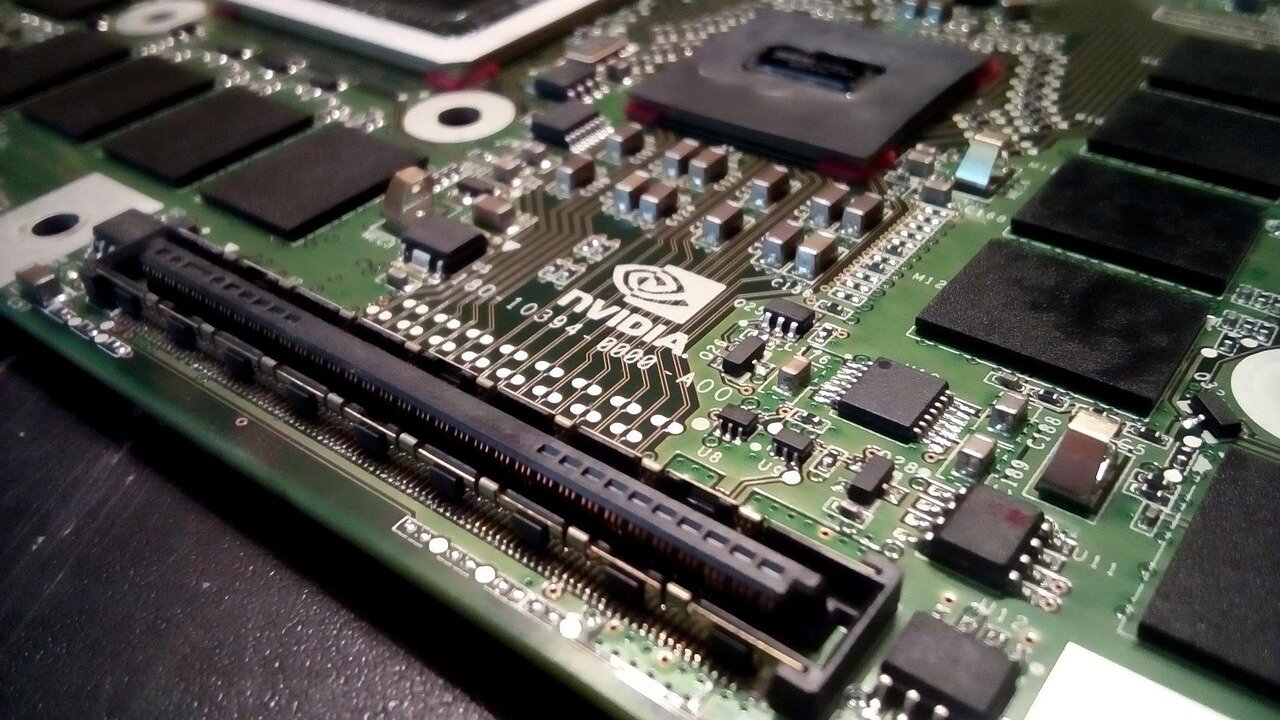
In the short term, we can expect a surge in demand for personal computers equipped with this new chip, leading to increased sales for manufacturers and retailers. Consumers may find themselves upgrading their devices sooner than anticipated, while businesses may invest in new hardware to leverage the chip’s capabilities for AI-driven applications. This could also stimulate competition among PC manufacturers to innovate and provide better products.
However, the introduction of such advanced technology does come with risks. There are concerns regarding the environmental impact of producing and disposing of more powerful chips, as well as the potential for increased energy consumption. Additionally, the rapid pace of technological advancement may exacerbate the digital divide, leaving behind those who cannot afford to upgrade their systems.
- Short-term impacts: Increased demand for PCs, potential price hikes, and rapid tech upgrades.
- Mid-term impacts: Enhanced productivity in various industries, potential job displacement in traditional roles, and new market opportunities in AI development.
- Risks: Environmental concerns and widening digital inequality.
- Opportunities: Growth in AI-related sectors and innovation in consumer technology.
Regions that are home to tech hubs, such as Silicon Valley and major metropolitan areas, will likely see the most significant impacts. However, as remote work becomes more prevalent, the influence of this new chip could extend to rural areas, enabling more people to participate in a tech-driven economy. Policymakers will need to address the implications of this technology, including regulations around data privacy and energy consumption.
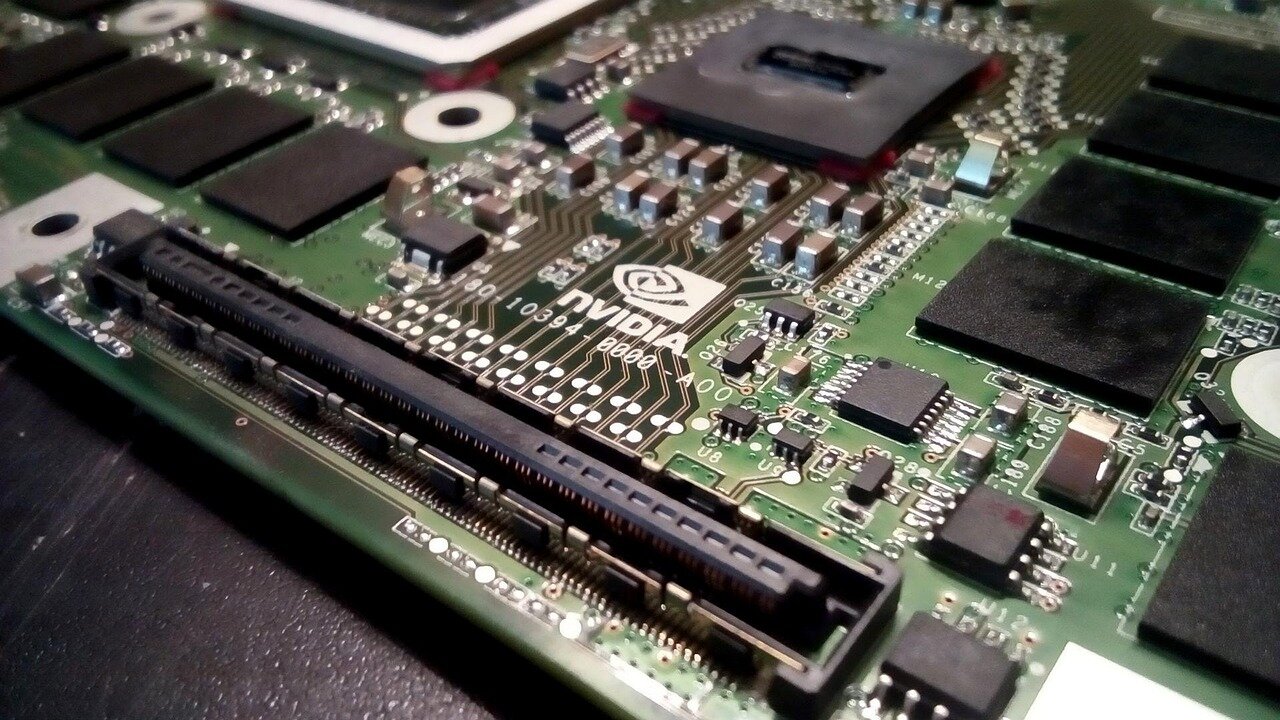
Frequently asked questions about Nvidia’s AI chip
A: The new AI chip boasts advanced processing capabilities, improved energy efficiency, and enhanced machine learning features tailored for personal computing.
A: Nvidia has announced that the AI chip will be available in the market starting next quarter, with pre-orders expected to open soon.
A: Compared to previous models, this new chip offers significantly higher performance and better integration with AI applications, making it a game-changer in personal computing.
A: While the chip is designed to be compatible with a wide range of systems, users should check specific hardware requirements to ensure optimal performance.
A: Industries such as gaming, content creation, and data analysis are expected to benefit greatly from the enhanced capabilities of Nvidia’s new AI chip.
Future outlook for AI technology in personal computers
Nvidia’s latest announcement regarding a new AI chip for personal computers marks a significant milestone in the integration of advanced artificial intelligence capabilities into everyday computing. This development not only enhances the performance of personal devices but also sets the stage for a new era of user experiences driven by AI. As personal computers evolve to accommodate these powerful chips, users can expect more intuitive and efficient workflows, transforming how tasks are performed across various sectors.
As the demand for AI-driven applications continues to grow, the implications of Nvidia’s innovation extend beyond mere hardware improvements. The potential for personalized computing experiences, improved productivity tools, and enhanced gaming capabilities presents exciting opportunities for consumers and developers alike. Monitoring the adoption and integration of these technologies will be crucial in understanding the future landscape of personal computing.
- Enhanced Performance: Expect significant improvements in processing power, enabling more complex applications and multitasking capabilities on personal computers.
- AI-Driven Applications: Anticipate a surge in software development focused on leveraging AI capabilities, leading to smarter, more adaptive applications.
- User Experience Transformation: Look for personalized user interfaces and experiences that cater to individual preferences and workflows, enhancing productivity.
- Gaming Advancements: The gaming industry may witness a revolution with more immersive and realistic gaming experiences powered by AI technologies.
- Market Dynamics: Watch for shifts in market competition as other tech companies respond to Nvidia’s advancements, potentially accelerating innovation in the personal computer space.