
Current advancements in robotics and AI
Recent developments in robotics and artificial intelligence have sparked discussions about their potential to revolutionize various industries. Companies like Boston Dynamics and OpenAI are at the forefront, unveiling technologies that enhance automation and improve human-robot interaction. As of October 2023, these advancements are not just theoretical; they are being integrated into real-world applications that could reshape the workforce.
In September 2023, OpenAI released an upgraded version of its language model, which has shown remarkable capabilities in understanding and generating human-like text. This model is being tested in robotic systems, allowing robots to comprehend complex instructions and engage in more natural conversations with users. The implications of such technology extend beyond customer service, potentially impacting sectors like healthcare, education, and manufacturing.
Moreover, researchers are exploring the integration of AI with robotics to enhance decision-making processes. For instance, autonomous vehicles are increasingly relying on AI algorithms to navigate and respond to dynamic environments. As these technologies mature, the ability for robots to operate independently and efficiently is becoming more feasible, raising questions about their role in society and the economy.

As the landscape of robotics evolves, ethical considerations are also coming to the forefront. Discussions around job displacement, privacy, and the moral implications of autonomous systems are intensifying. Policymakers and industry leaders are urged to address these issues proactively, ensuring that the integration of advanced robotics is both beneficial and responsible.
Understanding the evolution of AI technologies
The journey of artificial intelligence (AI) has been marked by significant advancements and milestones that have shaped its current landscape. From the early days of computing in the mid-20th century, where pioneers like Alan Turing laid the groundwork for machine learning, to the emergence of neural networks in the 1980s, the evolution of AI has been a gradual yet transformative process. These foundational developments set the stage for the sophisticated AI systems we see today, including conversational agents and advanced robotics.
The political and economic contexts have also played a crucial role in the evolution of AI. During the Cold War, for instance, governments invested heavily in research and development to gain technological superiority. This led to breakthroughs in computer science and AI, as nations recognized the strategic importance of these technologies. In the 21st century, the rise of big data and cloud computing has further accelerated AI development, allowing for the training of more complex models that can process vast amounts of information.

Social factors have also influenced AI’s trajectory. The increasing integration of technology into daily life has created a demand for more intuitive and intelligent systems. The success of early AI applications, such as recommendation algorithms and virtual assistants, has paved the way for greater public acceptance of AI technologies. As society becomes more accustomed to interacting with machines, the expectation for these systems to perform increasingly complex tasks has grown, leading to innovations that push the boundaries of what AI can achieve.
Key milestones in AI development
Several key milestones have marked the advancement of AI technologies. The launch of IBM’s Deep Blue in 1997, which famously defeated chess champion Garry Kasparov, showcased the potential of AI in strategic thinking. More recently, the introduction of OpenAI’s GPT-3 in 2020 demonstrated the capabilities of natural language processing, enabling machines to generate human-like text. These milestones not only highlight the technological advancements but also reflect the shifting perceptions of AI as a tool that can augment human capabilities rather than simply replace them.
Key stakeholders and their interests in AI development
The landscape of artificial intelligence (AI) development is shaped by a diverse array of stakeholders, each with distinct interests and motivations. Among these key players are technology companies, governments, academic institutions, and the general public. Their involvement is crucial in determining the trajectory of AI technology, particularly as it approaches potentially transformative capabilities akin to a “ChatGPT moment.”

Technology companies, such as OpenAI, Google, and Microsoft, are at the forefront of AI innovation. Their primary interest lies in advancing AI capabilities to enhance their products and services, driving profitability and market leadership. These companies invest heavily in research and development, often competing for top talent and breakthroughs that could set them apart in a rapidly evolving landscape.
Governments also play a pivotal role in AI development, as they seek to establish regulatory frameworks that balance innovation with ethical considerations. Their interests include ensuring public safety, protecting privacy, and fostering economic growth. However, the challenge lies in creating policies that do not stifle innovation while addressing concerns about job displacement and the potential misuse of AI technologies.
Academic institutions contribute significantly to AI research, focusing on foundational theories and ethical implications. Their interests often include securing funding for research, publishing findings, and influencing public policy. Collaboration between academia and industry is essential, as it can lead to breakthroughs that benefit society while ensuring responsible AI development.

- Technological Competition: Intense rivalry among tech giants can lead to rapid advancements but may also raise ethical concerns.
- Regulatory Challenges: Governments must navigate the complexities of regulating a fast-evolving technology without hindering progress.
- Public Perception: The general public’s trust in AI systems is critical for widespread adoption and acceptance.
- Job Displacement: The potential for AI to automate jobs raises significant economic and social implications that must be addressed.
- Ethical Considerations: Ensuring that AI technologies are developed and used responsibly is a shared concern among all stakeholders.
Potential effects on industries and society
The rise of advanced robotics and AI technologies is set to influence a wide array of industries, from manufacturing to healthcare. As these technologies become more integrated into everyday processes, both the workforce and consumers will experience significant changes. Key sectors, such as automotive, logistics, and customer service, are likely to see the most immediate effects.
In the short term, businesses may experience increased efficiency and reduced operational costs as robots take over repetitive tasks. This could lead to a reduction in the workforce in certain roles, particularly in low-skill positions. However, it also presents an opportunity for companies to reallocate human resources to more strategic roles, fostering innovation and creativity.

As robots and AI systems become more prevalent, there will be notable impacts on daily life. For example, in healthcare, robotic assistants could enhance patient care by providing timely information and support to medical professionals. This shift could lead to improved healthcare outcomes, but it may also raise concerns about data privacy and the quality of human interaction in care settings.
- Short-term impacts: Job displacement in low-skill sectors, increased operational efficiency.
- Mid-term impacts: Growth of new job categories, changes in workforce training and education.
- Potential risks: Data privacy issues, reliance on technology, ethical concerns.
- Potential opportunities: Enhanced productivity, improved service delivery, innovation in product development.
Regions with a strong technological infrastructure, such as Silicon Valley and parts of Asia, are likely to lead the way in adopting robotic technologies. However, areas with less access to these advancements may face challenges in keeping up, potentially widening the economic gap between regions. Policymakers will need to consider regulations that address both the benefits and challenges posed by these technologies to ensure a balanced approach to their integration into society.
A: The ChatGPT moment refers to a significant breakthrough in AI that allows machines to understand and generate human-like text. For robots, it means reaching a level of sophistication where they can interact and communicate effectively with humans. A: Robots are increasingly used in manufacturing, healthcare, and service industries. They perform tasks such as assembly, surgery assistance, and customer service, showcasing their versatility and efficiency. A: Robots face challenges such as limited understanding of context, emotional intelligence, and the ability to learn from fewer examples. Overcoming these hurdles is essential for them to reach their full potential. A: Yes, ethical concerns include job displacement, privacy issues, and the potential for misuse of technology. It is crucial to address these concerns as robotics continue to evolve. A: Public perception varies, with some expressing excitement about the benefits of AI, while others fear job loss and loss of control. Education and transparency are key to addressing these concerns.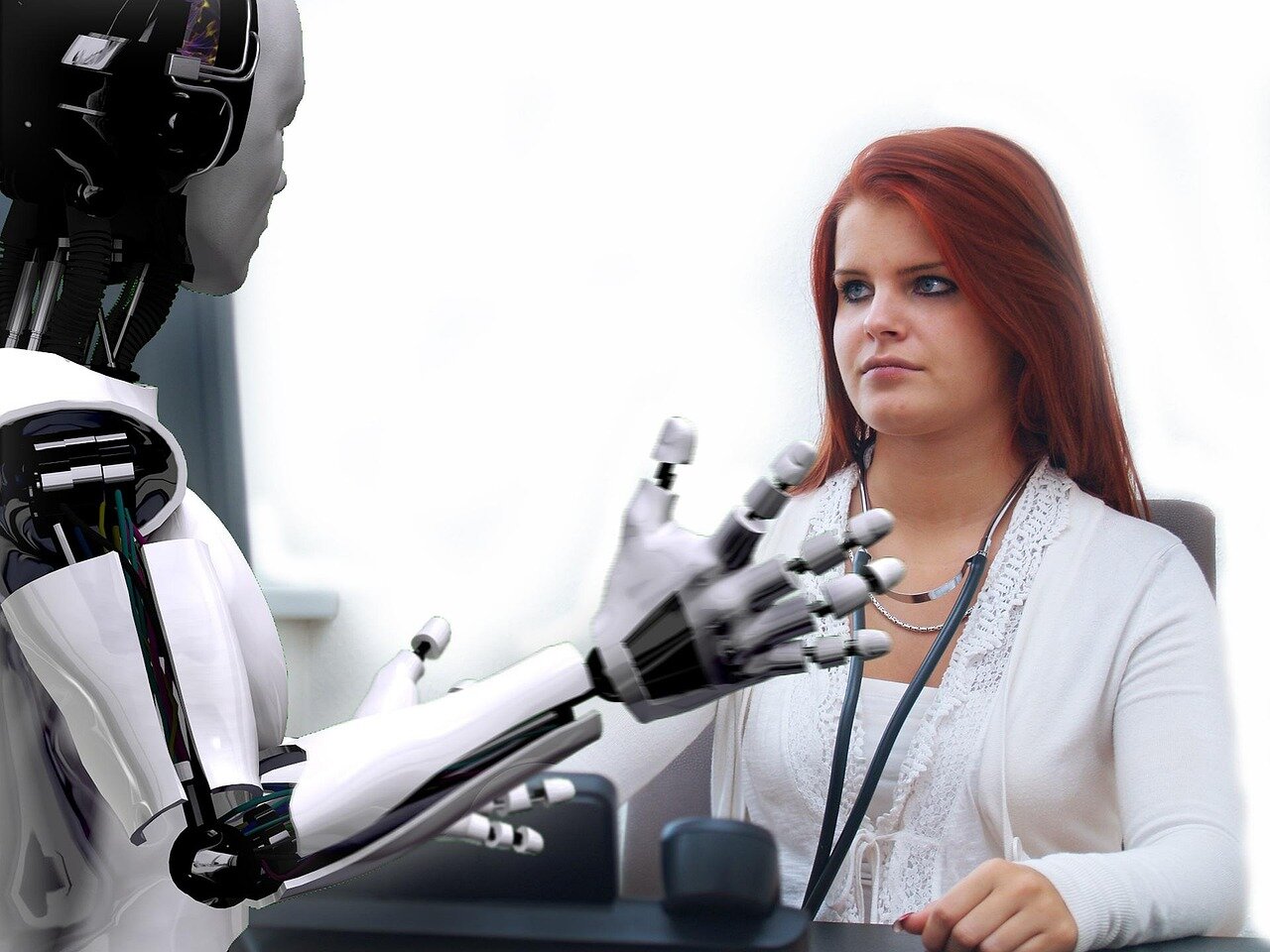
Frequently asked questions about AI and robotics
Insights on the future of robotics and AI
The discussion around the evolution of robotics and AI highlights a transformative phase that could redefine human-robot interactions. As advancements in natural language processing and machine learning continue to accelerate, the potential for robots to achieve a level of understanding and responsiveness akin to ChatGPT becomes increasingly tangible. This shift is not just about technological capability; it also raises important questions about ethics, employment, and the nature of intelligence itself.
As we look ahead, it is crucial to monitor how these developments will influence various sectors, from manufacturing to healthcare. The integration of conversational AI into robotic systems could enhance operational efficiency and improve user experiences, yet it also necessitates a careful consideration of the implications for society at large.
- Watch for advancements in conversational AI: The ability of robots to engage in meaningful dialogue will be a key indicator of their maturity.
- Consider the ethical implications: As robots become more autonomous, discussions around accountability and moral responsibility will gain prominence.
- Monitor industry adoption: The pace at which different sectors embrace robotic solutions will reveal the practical impacts of this technology.
- Evaluate workforce changes: The integration of advanced robotics may reshape job markets, necessitating a focus on reskilling and adaptation.