
Historically, pigeons were domesticated for their ability to carry messages, a practice that dates back to ancient civilizations. The use of carrier pigeons during World War I and II highlighted their importance in communication, showcasing their value beyond mere presence in urban landscapes. Today, however, the perception of pigeons has shifted, with many viewing them as nuisances due to their droppings and potential to spread disease.
Recent studies have revealed that pigeons possess remarkable cognitive abilities, including problem-solving skills and social intelligence. This has prompted a reevaluation of their role in urban ecosystems, with some cities implementing programs to manage their populations humanely. Efforts to educate the public about the ecological benefits of pigeons, such as seed dispersal and pest control, are also gaining traction.
The ongoing tension between human interests and pigeon populations reflects broader themes of coexistence in urban settings. As cities continue to grapple with issues related to wildlife management, the relationship with pigeons serves as a case study in finding balance. Understanding this dynamic is crucial for developing effective strategies that respect both human needs and animal welfare.
Recommended Articles
- Bodies of Last 2 Missing Italian Divers Recovered in the Maldives
- WiseTech initiates layoffs while excluding AI mentions in communications to Chinese staff
- Understanding the Bonds Between China and Russia
- Freiburg faces Aston Villa in the Europa League final
- Animal park celebrates the arrival of four Sumatran tiger cubs
- Bodies of Last 2 Missing Italian Divers Recovered in the Maldives
- WiseTech initiates layoffs while excluding AI mentions in communications to Chinese staff
- Understanding the Bonds Between China and Russia
- Freiburg faces Aston Villa in the Europa League final
- Animal park celebrates the arrival of four Sumatran tiger cubs
Historical Background of Pigeons in Human Society
Pigeons, often seen as urban nuisances today, have a rich and complex history intertwined with human civilization. Their domestication dates back thousands of years, with evidence suggesting that they were first tamed in the Near East around 3000 BCE. Initially valued for their utility, pigeons served as messengers, carriers of news, and even as a source of food. This multifaceted relationship has evolved over time, leading to both admiration and disdain from humans.

Throughout history, pigeons have played pivotal roles in various cultures. In ancient Rome, they were celebrated for their homing abilities, which were utilized in military communication. The Romans bred pigeons for speed and endurance, establishing a tradition that would continue through the Middle Ages. During this time, pigeon post became an essential means of communication, particularly in wartime, as messages could be quickly dispatched over long distances.
Pigeons in Modern Times
The 19th and early 20th centuries marked a significant turning point for pigeons in society. With the advent of the telegraph and telephone, their role as messengers diminished, yet they found new life in the sport of pigeon racing. This pastime became popular among urban dwellers, who bred and trained pigeons for competition. However, as cities expanded and populations grew, pigeons began to be viewed as pests, leading to a complicated relationship characterized by both affection and annoyance.
In the context of urban environments, pigeons have adapted remarkably well, thriving in the very spaces humans occupy. Their presence has sparked debates on public health, city aesthetics, and wildlife management. While some advocate for their protection and celebrate their historical significance, others push for measures to control their populations. This ongoing tension exemplifies the frenemy dynamic that has defined the relationship between pigeons and people throughout history.
Understanding this historical backdrop is crucial to grasping the complexities of modern interactions with pigeons. As cities continue to evolve, so too will the roles of these resilient birds, reminding us of the intertwined fates of humans and wildlife in urban landscapes.
Key Issues in the Pigeon-Human Dynamic
The relationship between pigeons and humans is complex, marked by both cooperation and conflict. Various stakeholders are involved, including urban planners, wildlife conservationists, local governments, and the general public. Each group has distinct interests that influence how pigeons are perceived and managed in urban environments.
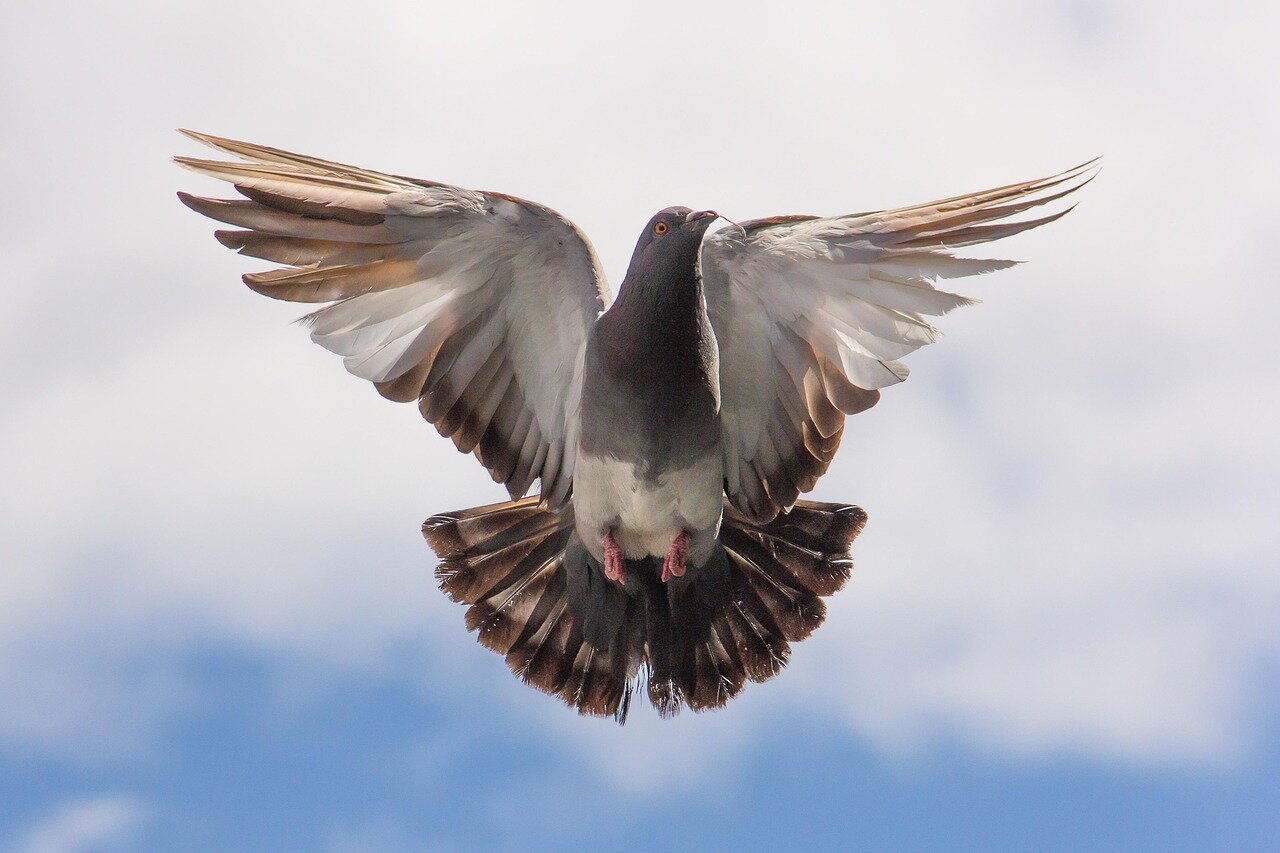
Urban planners often view pigeons as a nuisance due to their droppings and potential to damage buildings. This has led to initiatives aimed at controlling their populations, such as culling or implementing deterrent measures. However, these actions can spark public outcry, as many people appreciate pigeons for their historical and cultural significance, as well as their role in urban ecosystems.
Wildlife conservationists advocate for a more balanced approach, emphasizing the importance of coexistence. They argue that pigeons, often referred to as “rock doves,” are an integral part of urban wildlife and contribute to biodiversity. This perspective highlights the trade-offs between population control measures and the ecological impacts of removing a species from an urban setting.
Legal issues also arise in the management of pigeon populations. Local ordinances may vary significantly, with some cities implementing strict regulations on feeding and breeding, while others take a more lenient stance. These differences can create confusion and conflict among residents, particularly those who enjoy feeding pigeons as a pastime.
- Public Health Concerns: Pigeons can be associated with the spread of disease, prompting health officials to advocate for population control.
- Cultural Significance: Pigeons have historical ties to many communities, often seen as symbols of peace or companionship.
- Economic Impact: The costs associated with damage from pigeon droppings can lead to financial burdens for property owners and municipalities.
- Urban Wildlife Management: Balancing the needs of human populations with the preservation of urban wildlife is a growing concern.
- Public Engagement: Involving residents in discussions about pigeon management can lead to more sustainable and accepted solutions.
The Impact of Pigeons on Urban Environments and Human Perception
Pigeons have long been a part of urban landscapes, affecting various groups and industries, particularly in cities where they thrive. From city planners to local businesses, the presence of these birds influences daily life and economic activities. Their adaptability to urban environments has made them both a nuisance and a cherished part of city culture.

In the short term, businesses in the hospitality and tourism sectors may experience mixed impacts. While some tourists enjoy feeding and observing pigeons in public spaces, others may be deterred by the mess they create. This duality can lead to potential revenue fluctuations for cafes and restaurants that rely on outdoor seating. Additionally, local governments often face pressure to implement control measures, which can lead to increased spending on pest management.
In the mid-term, policies surrounding urban wildlife management may evolve. Cities may explore more humane strategies for pigeon control, such as habitat modification or education campaigns aimed at reducing food waste. These changes could benefit community engagement and foster a more positive perception of urban wildlife, potentially leading to enhanced green spaces that attract both residents and visitors.
- Risks: Increased cleaning costs for businesses and municipalities; potential negative perceptions affecting tourism.
- Opportunities: Development of eco-tourism initiatives; promotion of urban biodiversity and community involvement.
Moreover, pigeon-related research and conservation efforts could create niche markets for educational programs and wildlife tours. As cities become more aware of the ecological roles pigeons play, there may be opportunities for collaboration between environmental organizations and urban planners, leading to innovative solutions that benefit both people and pigeons.
A: Pigeons are often seen as pests due to their large populations and the mess they create. Their droppings can damage buildings and create health concerns, leading to negative perceptions. A: Pigeons have played significant roles in human history, including serving as messengers during wars and being bred for various purposes, such as racing and companionship. A: Many people view pigeons as dirty and unworthy animals, but they are actually quite intelligent and social creatures with complex behaviors. A: Coexisting with pigeons involves understanding their behavior and finding ways to manage their populations humanely, such as providing designated feeding areas.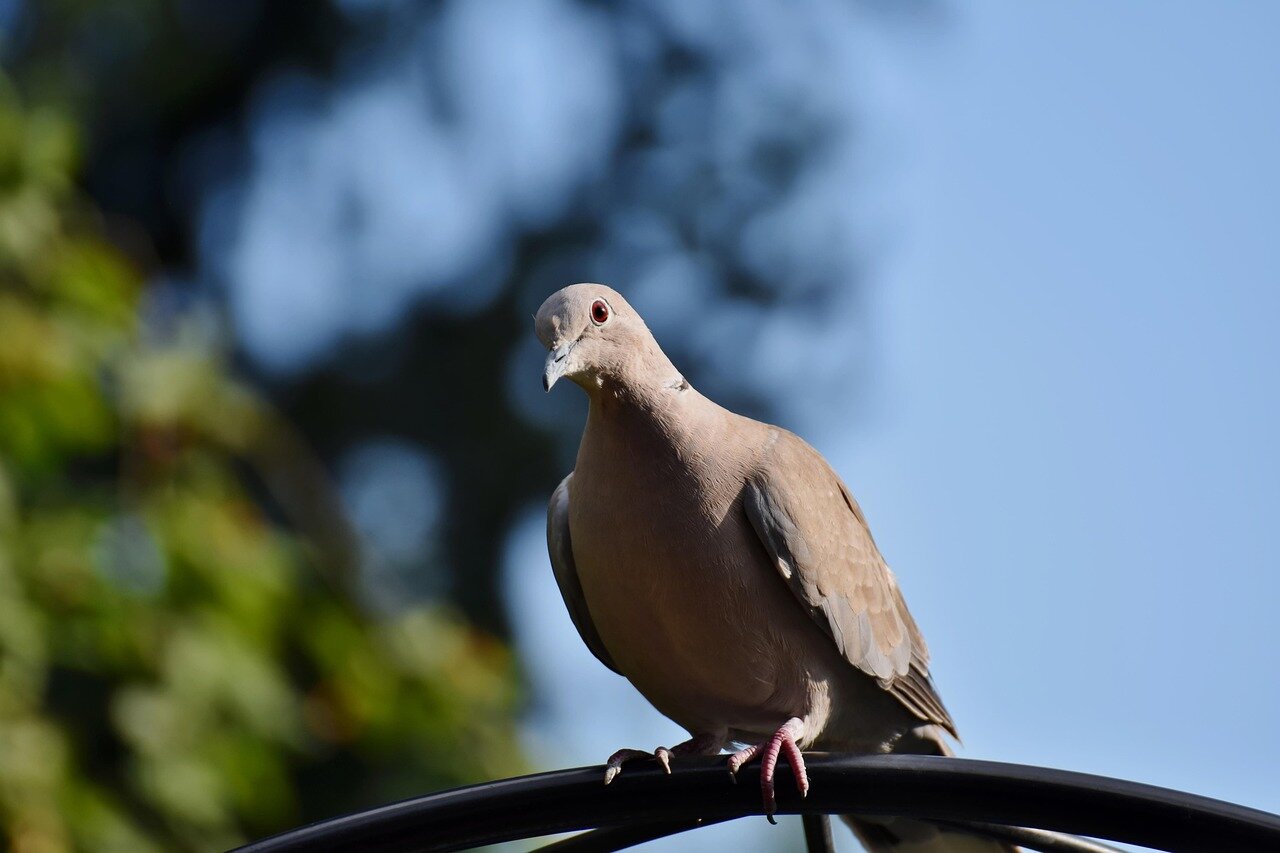
Frequently Asked Questions About Pigeons and Their Relationship with People
Key Takeaways and Future Perspectives on Pigeons and Humans
The complex relationship between pigeons and humans has evolved over centuries, revealing a tapestry of coexistence marked by both admiration and conflict. As urban environments continue to expand, understanding this dynamic can provide valuable insights into urban wildlife management and public health. The historical significance of pigeons as companions, messengers, and symbols of peace underscores the need for a balanced approach to their presence in our lives.
Looking ahead, it is crucial to consider how our interactions with these birds can inform broader discussions about biodiversity, urban ecology, and community engagement. By recognizing the roles pigeons play in our ecosystems, we can foster a more harmonious relationship that benefits both species.
- Enhance urban planning by incorporating green spaces that support pigeon populations while minimizing human-wildlife conflicts.
- Promote educational programs that raise awareness about the ecological benefits of pigeons and other urban wildlife.
- Encourage community involvement in wildlife monitoring and management to foster a sense of stewardship among residents.
- Investigate the potential health implications of urban pigeons, focusing on both risks and benefits to human populations.
- Explore innovative ways to coexist with pigeons, such as creating designated feeding areas to prevent overpopulation in public spaces.