
On September 15, 2023, a report from the Environmental Protection Agency (EPA) highlighted that nearly 20% of water samples taken from rural communities exceeded safety limits for toxic pollutants. This finding has prompted local governments to take immediate action, including the implementation of stricter regulations and the establishment of monitoring programs, a vital step in combating toxic pollution.
Furthermore, grassroots organizations have emerged as key players in addressing these issues. Activists have been conducting their own tests and raising awareness about the dangers posed by contaminated water and soil. Their efforts have led to increased public discourse and pressure on policymakers to prioritize environmental health.
The implications of this pollution crisis are far-reaching, affecting not only the ecosystem but also the health of the communities involved. With rising cases of waterborne diseases and agricultural decline, the urgency to tackle these environmental concerns has never been greater, as highlighted in recent discussions on environmental health.
The Background of Pollution Sources and Their Origins
The issue of water and soil pollution has deep historical roots, often intertwined with industrialization and urbanization. As societies evolved, the demand for resources led to the exploitation of natural environments, frequently without adequate regulatory frameworks. The advent of the Industrial Revolution in the 18th century marked a significant turning point, as factories began to discharge waste directly into rivers and soil, setting a precedent for environmental negligence that would persist for centuries.
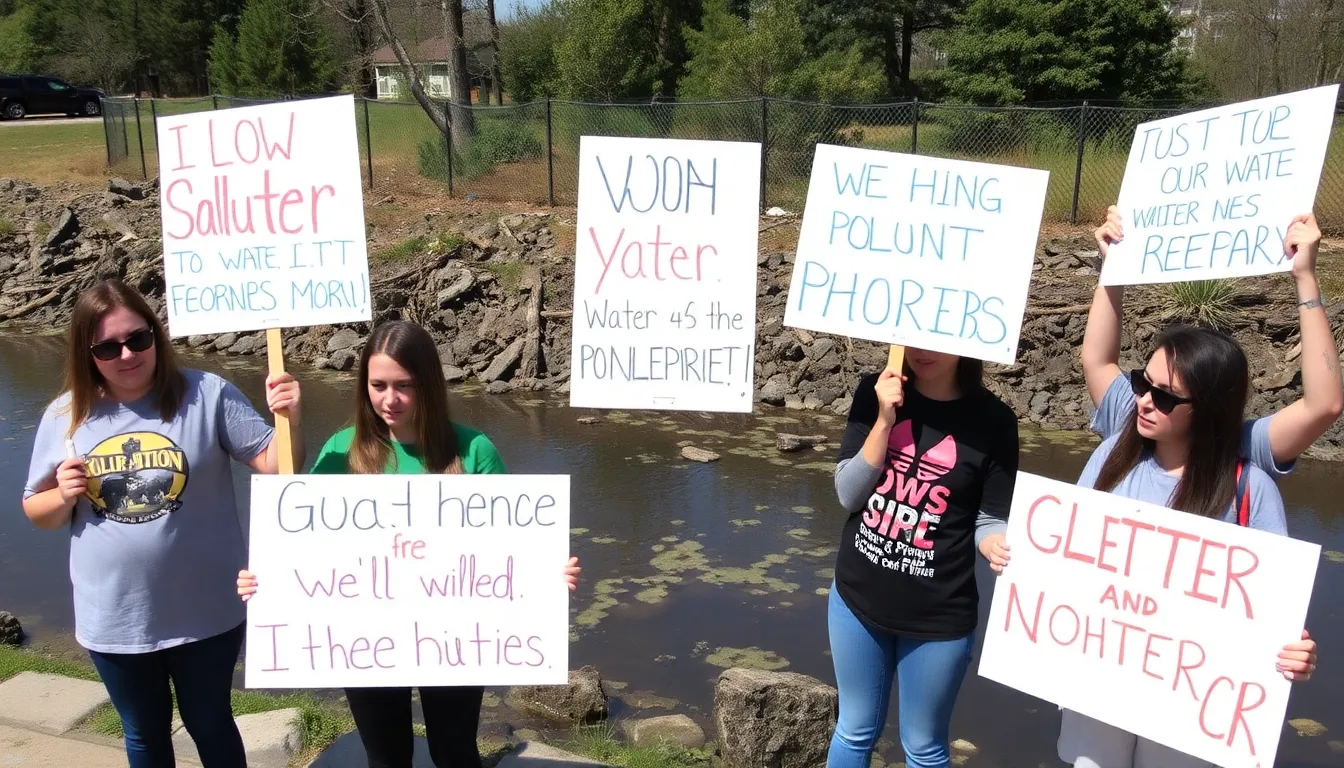
Political factors have also played a crucial role in the development of pollution sources. In many regions, governmental policies prioritized economic growth over environmental protection. For instance, during the mid-20th century, the push for rapid industrial development in developing countries often resulted in lax environmental regulations. This neglect allowed corporations to pollute without fear of repercussions, leading to widespread contamination of water supplies and agricultural lands.
Economically, the consequences of pollution are often borne disproportionately by marginalized communities, which historically have been located near industrial sites. These communities frequently lack the resources to advocate for their rights or to seek remediation for environmental damage. The legacy of systemic inequality has perpetuated a cycle where the most vulnerable populations are the first to suffer from the adverse effects of pollution, including health problems and loss of livelihoods.
Key Milestones in Environmental Regulation
Significant milestones in environmental regulation have emerged over the past few decades, reflecting a growing awareness of the dangers posed by pollution. The establishment of the Environmental Protection Agency (EPA) in the United States in 1970 marked a pivotal moment in the fight against pollution, as it provided a federal framework for regulating harmful emissions and protecting natural resources. Internationally, agreements such as the Paris Agreement have sought to address the global nature of pollution, emphasizing the need for cooperative efforts to combat environmental degradation.
Despite these advancements, challenges remain. Many regions still grapple with outdated infrastructure and insufficient enforcement of existing laws, allowing pollution to persist. As awareness of environmental issues grows, the need for continued advocacy and reform becomes increasingly critical in the quest for cleaner water and soil.
Analyzing Key Stakeholders and Major Issues in Pollution
The issue of dangerous water and soil pollution involves a complex web of stakeholders, each with distinct interests and motivations. At the forefront are local communities who are directly affected by pollution, often suffering health consequences and loss of livelihood. These communities typically seek immediate remediation and long-term solutions to safeguard their environment and health, aligning with the findings of recent reports on environmental degradation.
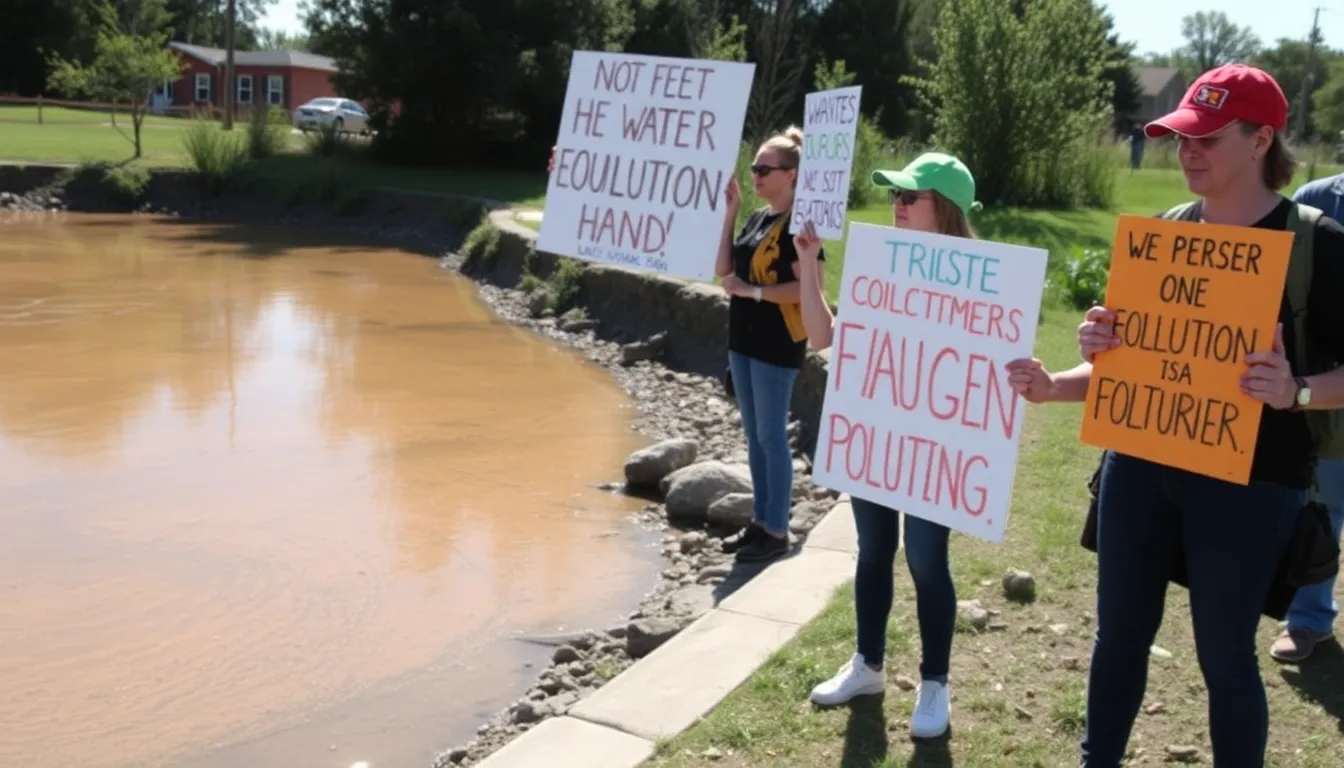
Government agencies play a crucial role in regulating pollution and enforcing environmental laws. Their interest lies in protecting public health and ensuring compliance with environmental standards. However, conflicts may arise when economic interests, such as industrial growth and job creation, clash with environmental protection efforts. This often leads to trade-offs that can compromise the effectiveness of pollution control measures.
Environmental organizations and advocacy groups are also key stakeholders, driven by a mission to raise awareness and push for stricter regulations. They often highlight the long-term ecological impacts of pollution and advocate for sustainable practices. However, their efforts can be met with resistance from industries that view such regulations as burdensome and detrimental to economic growth.
- Local Communities: Face health risks and seek remediation.
- Government Agencies: Balance public health with economic interests.
- Environmental Organizations: Advocate for stricter regulations and sustainable practices.
- Industries: Often prioritize economic growth over environmental concerns.
- Researchers: Aim to provide data and solutions but may face funding challenges.
Legal issues also come into play, as regulations can vary significantly by region and may not always be enforced effectively. This inconsistency can lead to confusion and frustration among stakeholders. Additionally, economic issues such as funding for cleanup efforts and the costs associated with compliance can create barriers to effective pollution management.
The Impact of Pollution on Communities and Ecosystems
Communities situated near industrial zones, agricultural areas, and urban centers are particularly vulnerable to the consequences of water and soil pollution. These groups often include low-income families, indigenous populations, and marginalized communities who may lack the resources to advocate for their health and environmental rights. Additionally, industries such as agriculture, fishing, and tourism are significantly affected, as pollution can compromise product safety and environmental integrity.
In the short term, pollution can lead to immediate health risks for residents, including respiratory issues, skin diseases, and gastrointestinal problems. Businesses dependent on clean water and soil may face operational challenges, leading to reduced productivity and financial losses. Local economies may suffer as consumers become wary of purchasing contaminated products, resulting in decreased sales for affected businesses.
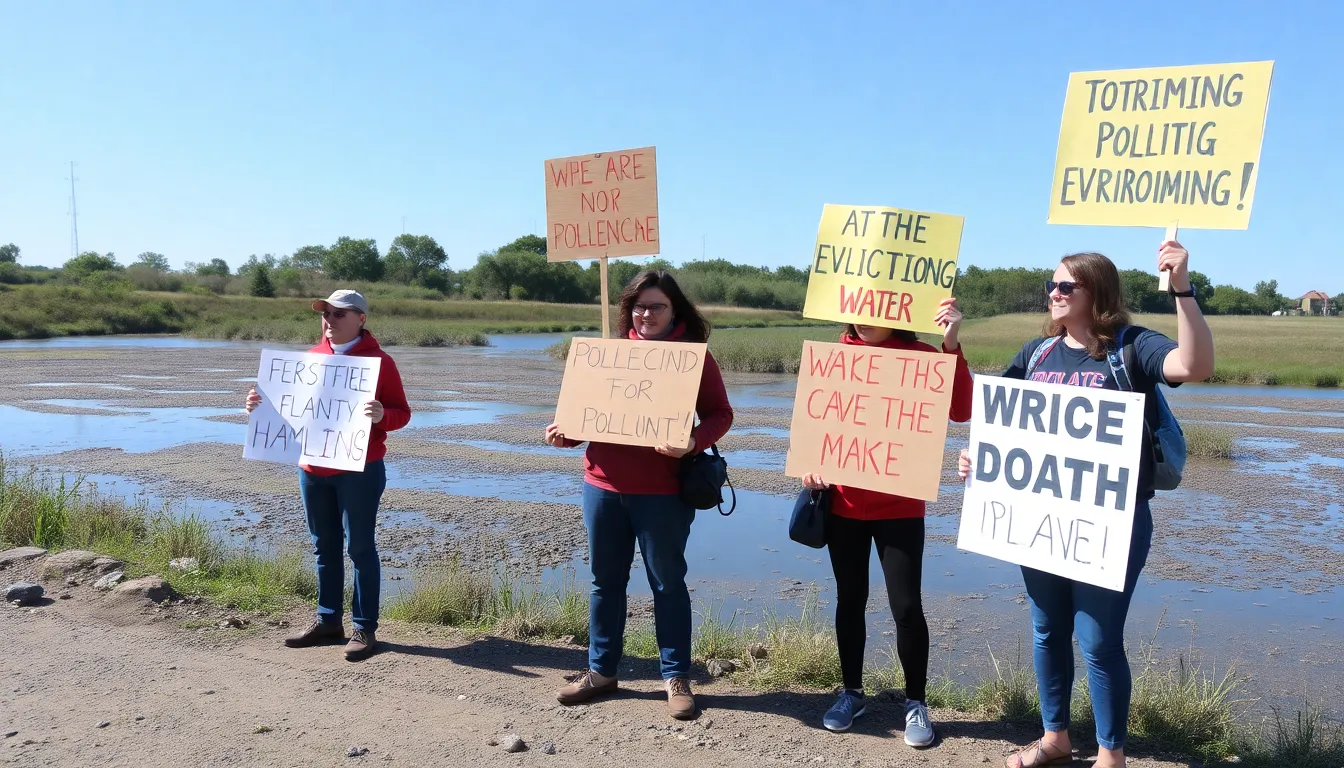
Mid-term impacts can include changes in policy as governments may be pressured to enact stricter environmental regulations. This could lead to increased compliance costs for industries, but it may also spark innovation in clean technologies and sustainable practices. Communities may rally for better environmental protections, creating opportunities for grassroots organizations and advocacy groups to gain influence.
- Health Risks: Increased prevalence of diseases linked to pollution.
- Economic Impact: Decline in local businesses reliant on clean resources.
- Policy Changes: Potential for stricter environmental regulations.
- Innovation Opportunities: Growth in clean technology sectors.
Ultimately, while the risks associated with dangerous water and soil pollution are considerable, they also present opportunities for community engagement, technological advancement, and environmental restoration efforts. As awareness grows, there is potential for collaborative initiatives aimed at mitigating pollution and promoting sustainability.
A: The main sources of water pollution include industrial discharge, agricultural runoff, and untreated sewage. These contaminants can severely affect water quality and aquatic life. A: Soil pollution occurs through the use of pesticides, improper waste disposal, and industrial activities. These factors can lead to the accumulation of harmful chemicals in the soil. A: Exposure to polluted water and soil can lead to serious health issues, including gastrointestinal diseases, skin infections, and long-term conditions like cancer. A: Mitigation efforts include stricter regulations on waste disposal, promoting sustainable agricultural practices, and increasing public awareness about pollution. A: Yes, numerous organizations, both governmental and non-governmental, are dedicated to combating pollution through research, advocacy, and community programs.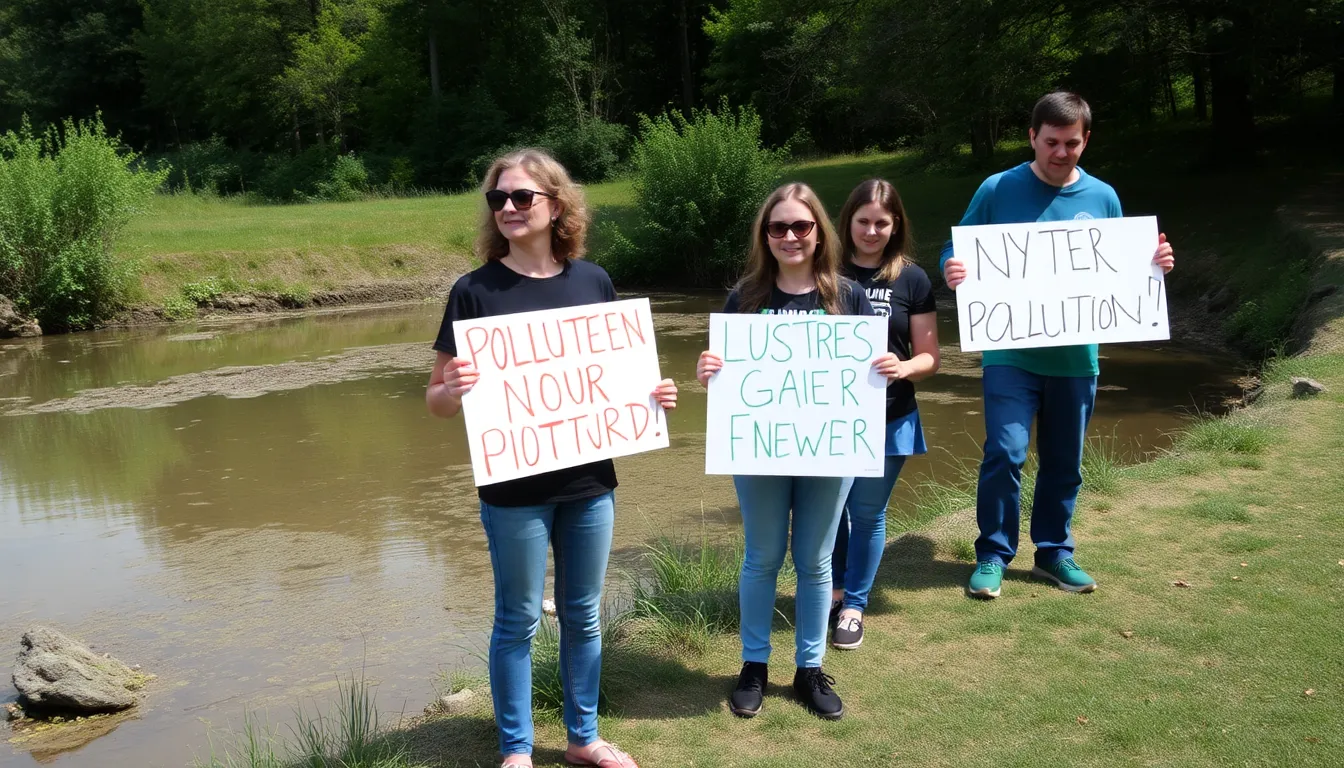
Frequently Asked Questions About Pollution Sources
Key Insights and Future Outlook on Pollution Issues
The investigation into sources of dangerous water and soil pollution highlights the urgent need for comprehensive monitoring and remediation strategies. As communities grapple with the consequences of pollution, understanding the interplay between industrial practices and environmental health becomes increasingly critical. The findings underscore the importance of proactive measures to safeguard public health and the environment.
Moving forward, it is essential for policymakers, industry leaders, and community stakeholders to collaborate on sustainable solutions that prioritize both ecological integrity and human well-being. The implications of these findings extend beyond immediate remediation efforts, calling for a systemic change in how pollution is managed and prevented.
- Increased investment in pollution monitoring technologies can provide real-time data to better address contamination issues.
- Community engagement and education are vital in fostering awareness and encouraging local stewardship of natural resources.
- Stricter regulations on industrial discharges may be necessary to mitigate future pollution risks.
- Collaboration between governmental and non-governmental organizations can enhance resource allocation and effectiveness in tackling pollution.
- Long-term health studies should be prioritized to understand the impacts of pollution on vulnerable populations.