
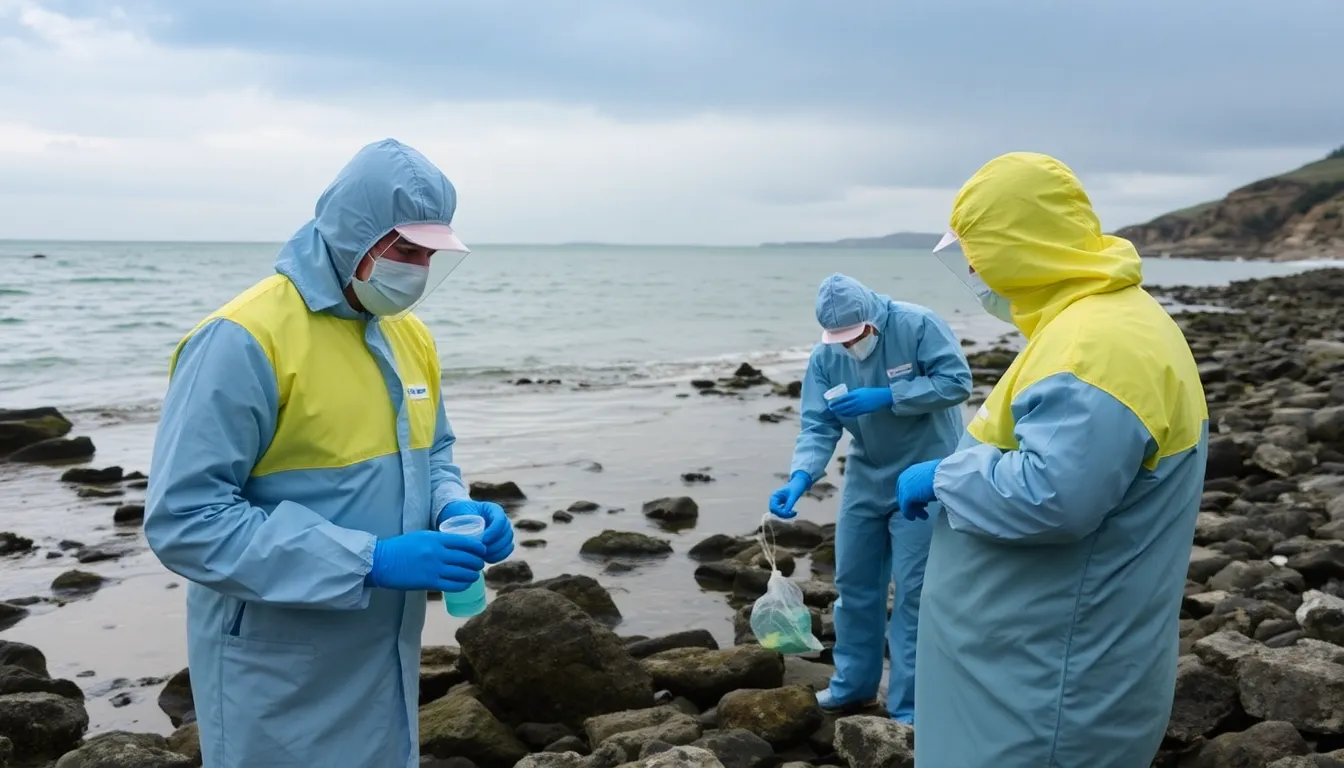
In September 2023, researchers from the University of Portsmouth conducted tests that detected PFAS concentrations exceeding safety thresholds set by environmental agencies. The findings suggest that these chemicals are not only prevalent in marine life but also pose potential risks to human health through the seafood consumption chain, highlighting the importance of addressing issues like forever chemicals.
The presence of these toxic substances has prompted immediate calls for action from local authorities and environmental groups. They are urging for stricter regulations on industrial discharges and more comprehensive monitoring of water quality to mitigate the impact on both marine ecosystems and public health, similar to what has been discussed in recent environmental advocacy.
As communities along the southern coast grapple with the implications of these discoveries, the situation underscores the urgent need for increased awareness and policy intervention regarding chemical pollution in marine environments.
Understanding the origins of forever chemicals
The term “forever chemicals” refers to a group of synthetic compounds known as per- and polyfluoroalkyl substances (PFAS) that are characterized by their persistence in the environment and the human body. These chemicals were first developed in the 1930s and have since been used in a wide range of products, including non-stick cookware, water-repellent clothing, and firefighting foam. Their widespread application has led to significant contamination of water sources, particularly in industrial areas and near military bases.
The political landscape surrounding PFAS has evolved over the decades, with increasing scrutiny from environmental organizations and public health advocates. Initially, regulatory bodies were slow to respond to the emerging evidence linking PFAS exposure to serious health risks, including cancer, liver damage, and developmental issues in children. However, as scientific research continued to unveil the dangers posed by these chemicals, governments began to take action, leading to stricter regulations and calls for cleanup efforts.
Key milestones in PFAS regulation
In the early 2000s, the U.S. Environmental Protection Agency (EPA) began to address PFAS contamination, issuing guidelines and initiating studies on the health effects of these substances. In 2016, the EPA established a lifetime health advisory level for two specific PFAS compounds, PFOA and PFOS, marking a significant step in recognizing the risks associated with these chemicals. Similarly, in Europe, the European Chemicals Agency (ECHA) has been working towards restricting the use of PFAS under the REACH regulation, highlighting the growing international consensus on the need to limit these hazardous substances.
Despite these regulatory efforts, the persistence of PFAS in the environment remains a pressing concern. Recent studies have detected alarming levels of these chemicals in coastal waters off southern England, raising questions about the potential impact on marine life and public health. This situation underscores the need for continued vigilance and proactive measures to mitigate the effects of PFAS contamination, as well as the importance of public awareness and advocacy in driving policy change, akin to the discussions in key policy moments.
Key stakeholders and their roles in addressing the issue
The discovery of high levels of toxic ‘forever chemicals’, or per- and polyfluoroalkyl substances (PFAS), off the southern coast of England has raised significant concern among various stakeholders. These include government bodies, environmental organizations, local communities, and industrial entities. Each group has distinct interests and varying degrees of influence over the situation.
Government agencies, such as the Environment Agency and the Department for Environment, Food & Rural Affairs (DEFRA), are primarily responsible for monitoring environmental health and enforcing regulations. Their interest lies in ensuring public safety and compliance with environmental standards. However, they face challenges in balancing regulatory measures with economic implications for industries that may be affected by stricter controls.
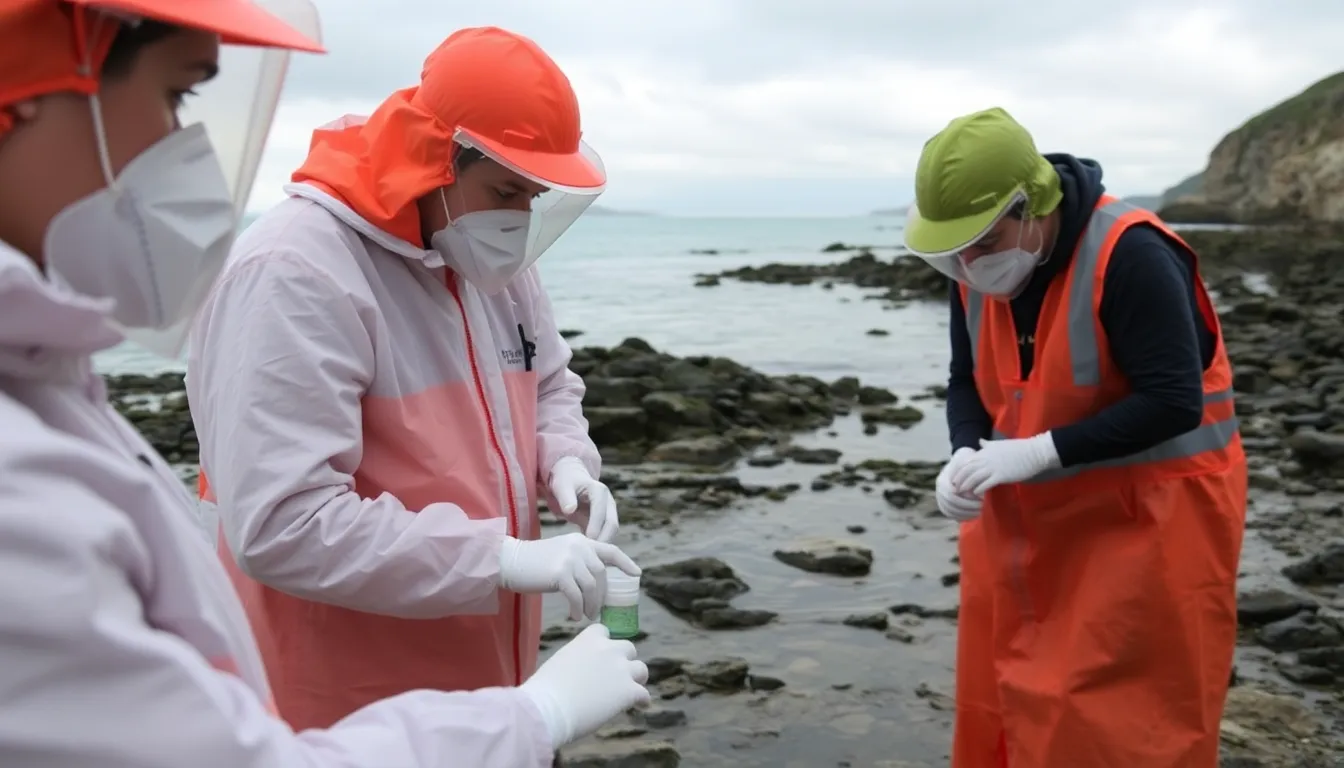
Environmental organizations, such as Greenpeace and the Marine Conservation Society, advocate for stronger protections against pollution and greater transparency in reporting toxic levels. Their primary interest is in safeguarding ecosystems and public health. They often call for immediate action and stricter regulations, which can sometimes conflict with the interests of industries involved in the production or use of PFAS.
- Local communities are directly impacted by the presence of these chemicals, as they may affect water quality and public health. Their concerns often center around the need for immediate remediation and compensation for potential health risks.
- Industrial stakeholders, particularly those in manufacturing and chemical production, may resist stringent regulations due to potential financial burdens. Their interests often involve lobbying for less restrictive measures while emphasizing the economic benefits of their operations.
- Scientific researchers and academic institutions play a critical role in studying the effects of PFAS. Their findings can influence public opinion and policy decisions, highlighting the need for ongoing research into the long-term impacts of these chemicals.
Conflicts arise as different stakeholders prioritize their interests, leading to trade-offs between economic development and environmental protection. Legal issues also emerge, particularly regarding liability for contamination and the enforcement of existing environmental laws. As the situation develops, collaboration among these stakeholders will be essential to effectively address the challenges posed by ‘forever chemicals’.
Potential health and environmental impacts of contamination
The discovery of high levels of toxic ‘forever chemicals’ off the southern coast of England has raised significant concerns among various groups, including local communities, environmental activists, and industries reliant on marine resources. These chemicals, known for their persistence in the environment, pose risks not only to human health but also to marine ecosystems and the economy.
Local residents, particularly those living near the affected coastal areas, are at risk of exposure through contaminated water and seafood. This can lead to a range of health issues, including hormonal disruptions and increased cancer risk. Moreover, the tourism sector, which thrives on the natural beauty and health of coastal environments, may suffer as visitors become wary of potential health hazards.
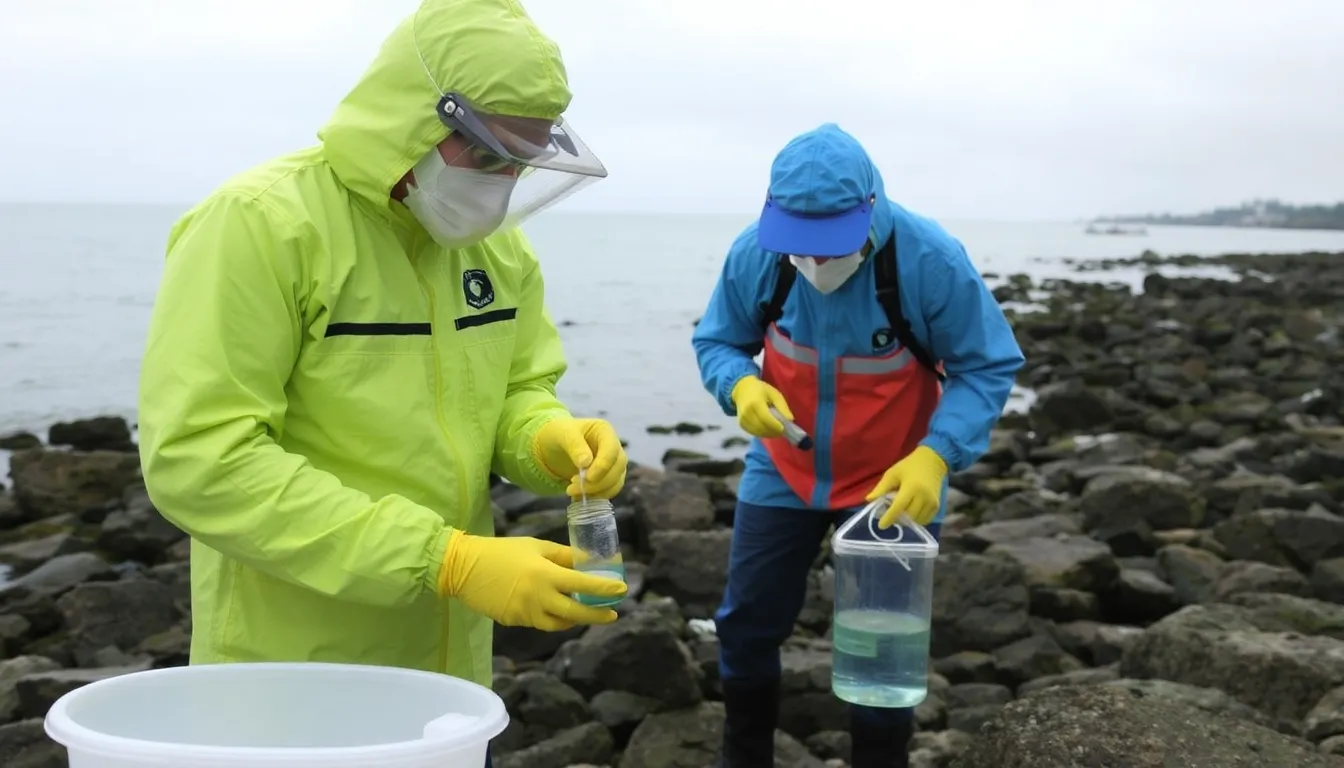
Industries such as fishing and aquaculture are also directly impacted. The presence of these chemicals can lead to fishing bans, affecting livelihoods and food supply chains. Short-term impacts may include immediate restrictions on fishing activities, while mid-term effects could manifest as a decline in consumer confidence and demand for seafood from these regions.
- Increased health risks for local populations.
- Economic downturn for tourism and fishing industries.
- Potential regulatory changes affecting environmental policies.
On the policy front, this contamination could prompt stricter regulations on chemical usage and waste management, leading to potential opportunities for industries focused on environmental remediation and sustainable practices. Companies that innovate in waste management or develop safer alternatives to harmful chemicals may find new markets and support from both the government and environmentally conscious consumers.
A: Forever chemicals, or PFAS, are synthetic substances that do not break down in the environment. They are used in various products for their water- and grease-resistant properties. A: The chemicals were detected through routine environmental monitoring and testing of water samples collected from the area. A: Exposure to forever chemicals has been linked to various health issues, including cancer, liver damage, and immune system effects. A: Authorities are investigating the sources of contamination and may implement stricter regulations on the use of PFAS in products. A: Yes, these chemicals can accumulate in the food chain, posing risks to marine life and potentially affecting human health through seafood consumption.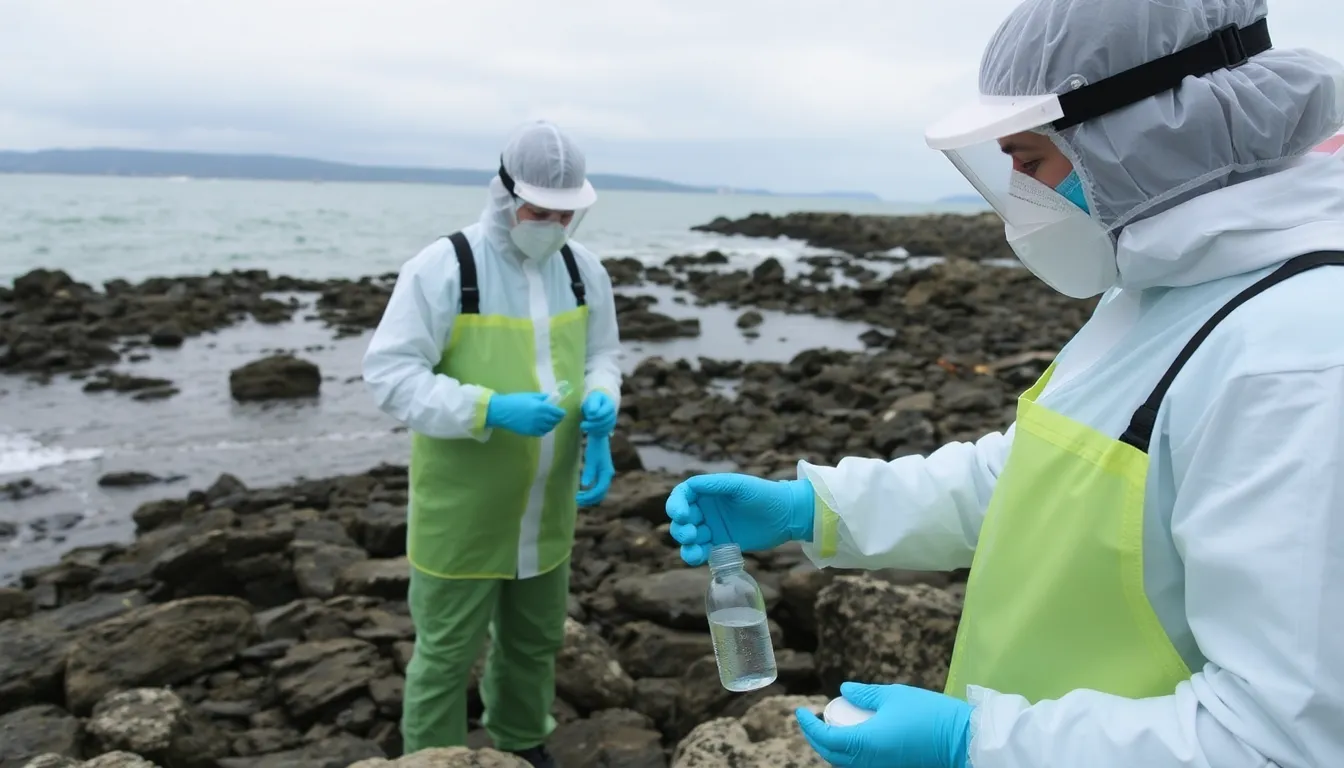
Frequently asked questions about forever chemicals
Key takeaways and future outlook on chemical pollution
The recent findings of high levels of toxic ‘forever chemicals’ off the southern coast of England underscore the urgent need for enhanced monitoring and regulation of chemical pollutants. These substances, known for their persistence in the environment and potential health risks, highlight the challenges facing marine ecosystems and public health. As awareness grows, stakeholders must prioritize strategies to mitigate exposure and safeguard both the environment and communities.
Looking ahead, it is crucial to remain vigilant about the implications of these findings. Ongoing research and policy development will play a key role in addressing the sources of pollution and implementing effective solutions.
- Increased Monitoring: Expect more rigorous testing of water and marine life to track the presence of PFAS and other harmful substances.
- Regulatory Changes: Anticipate potential new regulations aimed at reducing the production and use of toxic chemicals.
- Public Awareness: Watch for growing public campaigns and educational efforts focused on the risks associated with ‘forever chemicals’.
- Impact on Fisheries: The fishing industry may face restrictions or changes in practices due to contamination concerns, affecting both local economies and food safety.
- Research and Innovation: Keep an eye on advancements in technology and methods for removing or neutralizing these chemicals in the environment.