
The allegations have drawn attention to the production practices of reality television, particularly concerning the mental and emotional well-being of participants. Critics argue that the show’s format may create an environment where inappropriate behavior can occur, raising questions about consent and the responsibility of producers to ensure the safety of cast members.
In response to the allegations, a petition has been launched, urging the U.K. government to investigate the reality TV industry more broadly. As of now, the petition has garnered thousands of signatures, reflecting growing public concern over the treatment of reality show participants and the potential for exploitation within the genre.
The production company behind ‘Married at First Sight’ has stated that they take these allegations seriously and are committed to investigating the claims. However, many advocates for reform in the industry are demanding more immediate action to protect current and future participants from similar experiences.
Recommended Articles
- Behind the scenes on Rivals season two is bigger bolder bonkier
- Car plows into pedestrians in a Northern Italian town injuring at least 8
- German minister defends decision to rescue whale Timmy
- Coran Capshaw to Be Honored at T.J. Martell Foundation Gala and Number_i Signs With Atlantic
- Understanding Instagram Instants and Their Implications
- Behind the scenes on Rivals season two is bigger bolder bonkier
- Car plows into pedestrians in a Northern Italian town injuring at least 8
- German minister defends decision to rescue whale Timmy
- Coran Capshaw to Be Honored at T.J. Martell Foundation Gala and Number_i Signs With Atlantic
- Understanding Instagram Instants and Their Implications
Understanding the Background of the Allegations
The reality television show “Married at First Sight” has gained significant popularity since its inception, with its unique premise of pairing strangers for marriage. However, the show has also faced scrutiny regarding its ethical implications and the psychological well-being of its participants. Recent allegations of rape have intensified calls for a thorough investigation into the production practices and safeguards in place for contestants, highlighting broader concerns about the treatment of individuals in reality television.
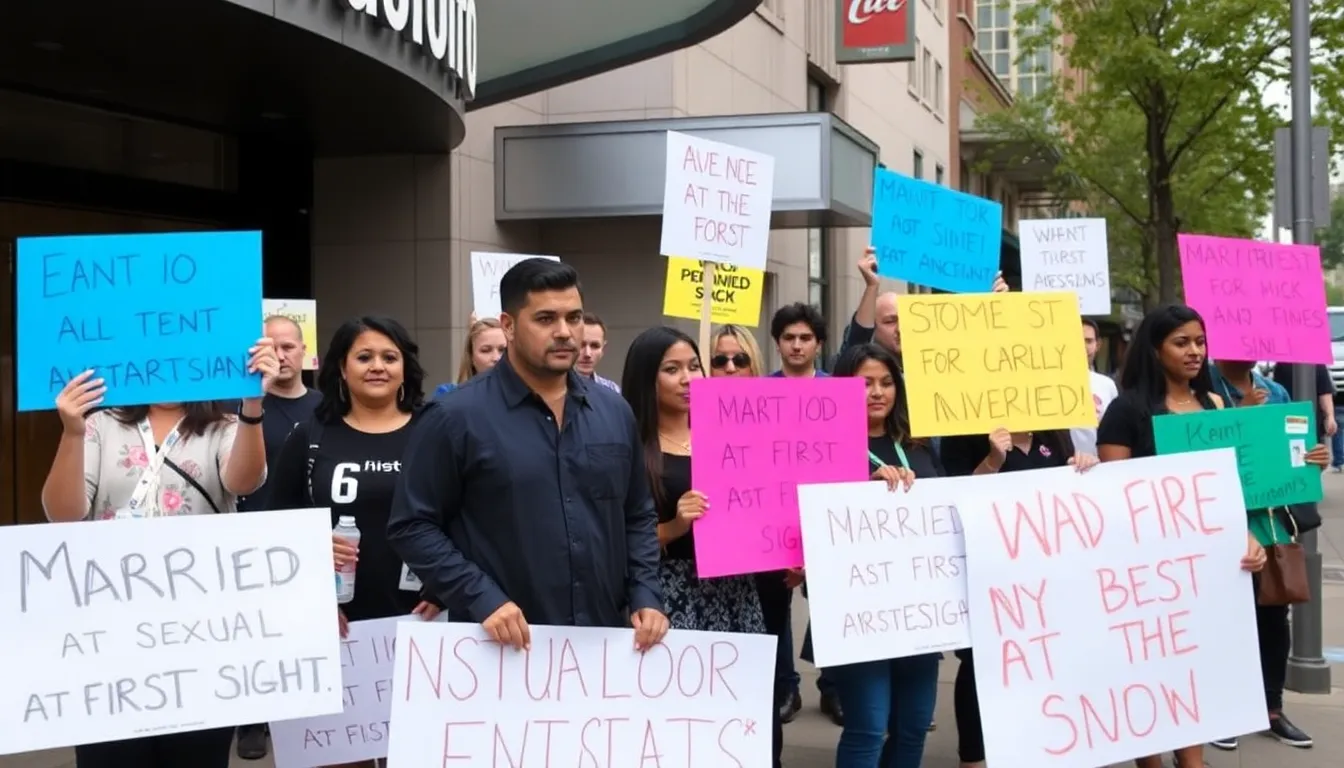
Historically, reality TV has often prioritized entertainment value over the welfare of its participants. Shows like “Big Brother” and “The Bachelor” have faced criticism for creating environments that can be emotionally and psychologically damaging. The lack of regulation in the industry has allowed for exploitative practices to flourish, raising questions about the responsibility of producers to ensure the safety and consent of their cast members.
The Role of Social Media and Public Awareness
In recent years, social media has played a crucial role in amplifying voices of those who have experienced misconduct in the entertainment industry. The #MeToo movement, which began in 2017, has encouraged individuals to come forward with their stories, leading to increased scrutiny of power dynamics and consent in various sectors, including reality television. This cultural shift has empowered participants of shows like “Married at First Sight” to speak out against any form of abuse, bringing attention to the need for accountability within the industry.
Furthermore, the economic aspect of reality television cannot be overlooked. The lucrative nature of these shows often leads to a focus on ratings and viewer engagement over participant safety. As networks and production companies prioritize profit, the potential for neglecting the mental health and safety of contestants grows, making it imperative to address these allegations seriously and implement necessary reforms.
As the allegations unfold, the conversation surrounding the ethical responsibilities of reality TV producers continues to evolve. The call for an investigation is not only about addressing the specific claims made by participants but also about setting a precedent for the future of reality television in the U.K. and ensuring that the safety and dignity of all individuals involved are prioritized.
Key Stakeholders and Issues Surrounding the Case
The ongoing allegations of rape associated with the reality television show ‘Married at First Sight’ have drawn significant attention from various stakeholders. These include the production companies behind the show, the participants involved, regulatory bodies, and advocacy groups focused on sexual violence and mental health. Each of these stakeholders has distinct interests that influence their responses to the allegations and the calls for a formal investigation.
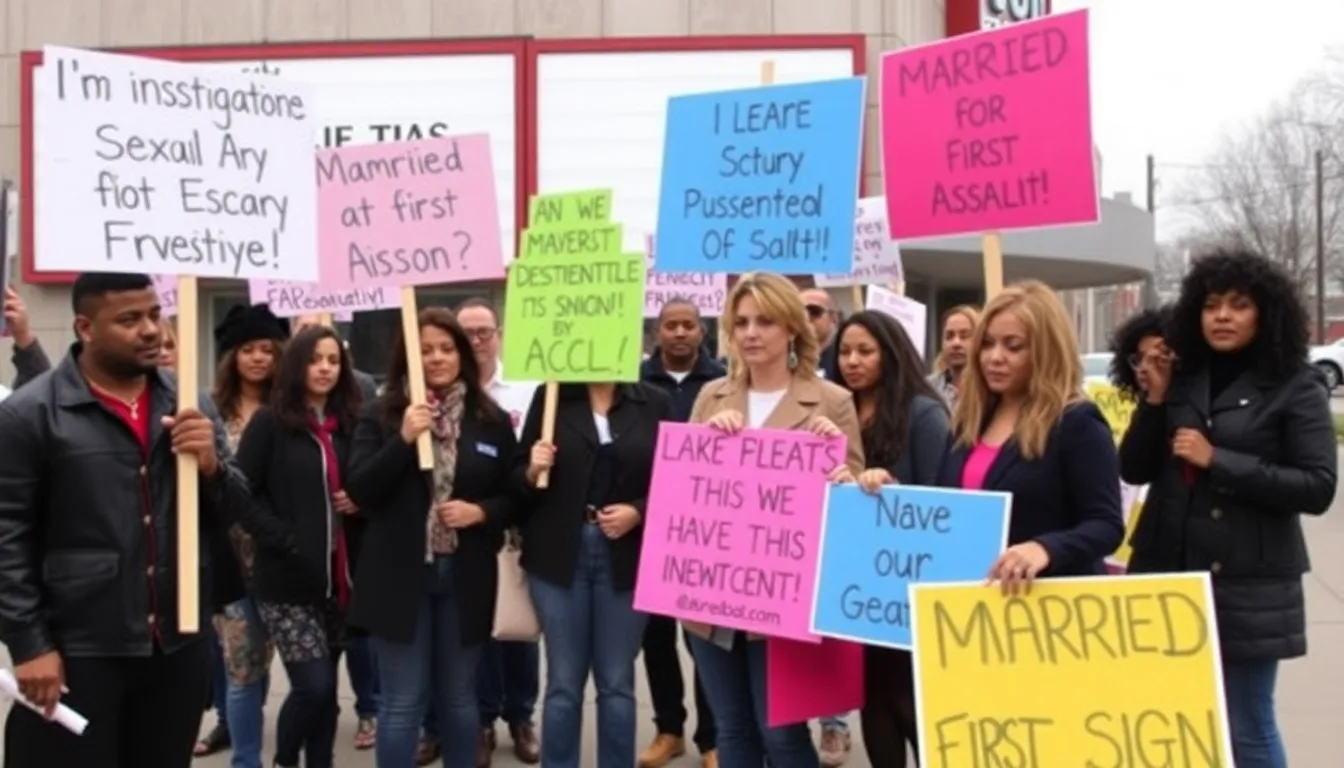
One of the primary actors in this situation is the production company responsible for ‘Married at First Sight.’ Their interest lies in maintaining the show’s reputation and viewership, which could be jeopardized by negative publicity surrounding the allegations. Additionally, they may face legal repercussions if found negligent in ensuring the safety and well-being of participants during filming.
Participants in the show, particularly those who have come forward with allegations, are also key stakeholders. Their interests center around seeking justice and accountability, as well as ensuring that their experiences are taken seriously. This situation raises important questions about the support systems in place for reality show contestants and the ethical responsibilities of producers.
- Regulatory Bodies: Government entities may become involved to assess compliance with broadcasting standards and participant welfare.
- Advocacy Groups: Organizations focused on sexual violence prevention are likely to push for thorough investigations and reforms within the entertainment industry.
- Public Sentiment: Viewer reactions and social media discourse can influence how the production company and other stakeholders respond to the allegations.
The legal implications of the allegations are significant. If the claims are substantiated, there could be calls for stricter regulations governing reality television and participant protections. Furthermore, the economic impact on the production company could be profound, potentially affecting advertising revenue and sponsorship deals as public trust wanes.
Potential Impact on Participants and the Reality TV Industry
The recent rape allegations surrounding ‘Married at First Sight’ have sparked significant concern among various groups, including participants, production staff, and viewers. Individuals directly involved in the show, particularly the participants, face emotional and psychological ramifications as they navigate the fallout from these serious accusations. The reality TV industry as a whole is also under scrutiny, as this incident raises questions about the ethical treatment of participants and the responsibilities of production companies.
In the short term, there may be an increase in public scrutiny towards reality television programs, leading to calls for more stringent regulations and oversight. This could result in immediate changes in how producers approach participant welfare, including enhanced mental health support and clearer consent processes. Additionally, advertisers may reconsider their association with such shows, potentially impacting revenue streams for networks.
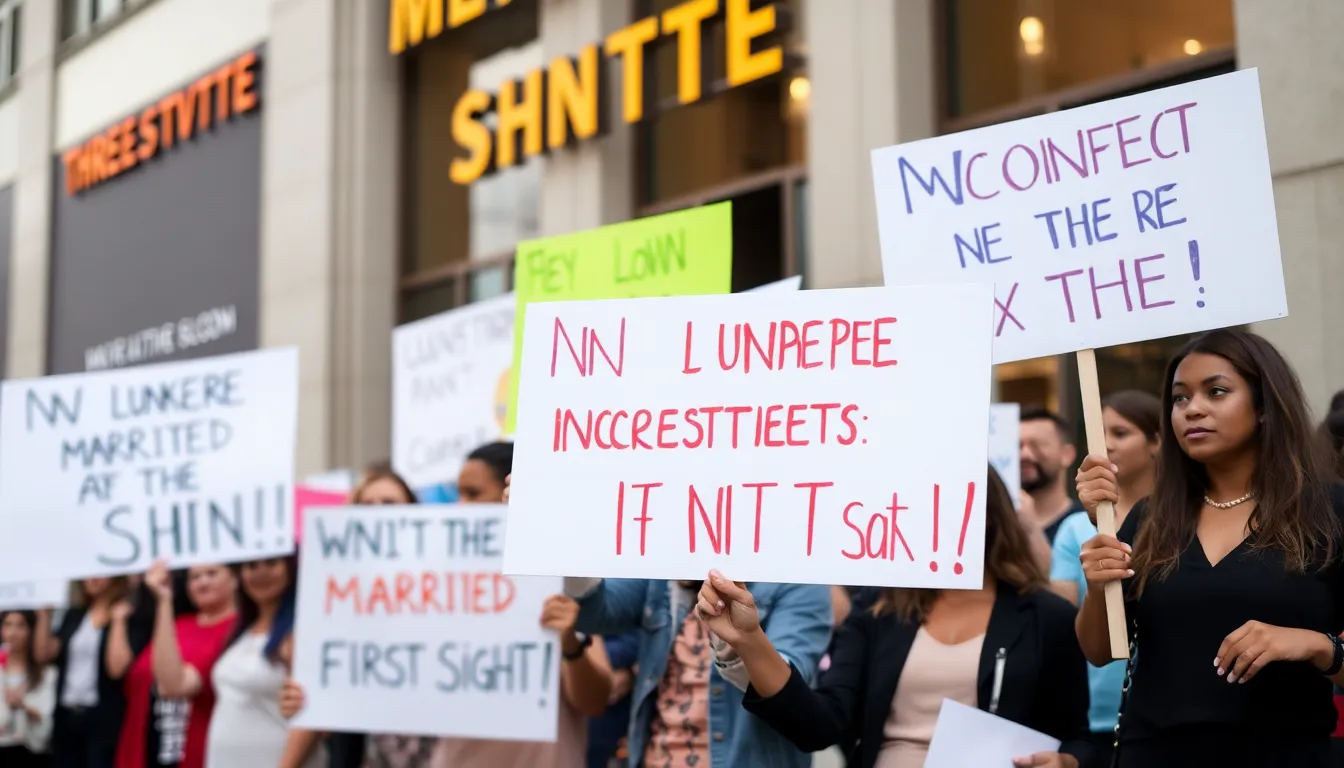
Mid-term impacts could include a shift in viewer perceptions and behavior. Audiences may demand greater transparency and accountability from reality shows, which could lead to a decline in viewership for programs perceived as exploitative. Conversely, there may be opportunities for new formats that prioritize participant safety and well-being, attracting a more socially conscious audience.
- Increased regulatory scrutiny on reality TV productions.
- Potential decline in advertising revenue for affected shows.
- Heightened demand for participant support services.
- Opportunities for new, ethically-focused reality formats.
Regions with a strong presence of reality TV production, particularly in the U.K., may see a ripple effect as local governments and industry bodies respond to the allegations. This could lead to broader discussions about media ethics and the treatment of vulnerable individuals in entertainment, prompting policy changes that prioritize participant rights and safety.
A: The allegations involve claims of sexual assault by participants during the filming of Married at First Sight, raising serious concerns about the safety and well-being of those involved. A: The production company has stated that they take such allegations seriously and are cooperating with any investigations that may arise from these claims. A: Calls for an investigation have been made to relevant authorities, who are expected to review the claims and determine the appropriate course of action. A: Depending on the outcomes of the investigation, there could be significant changes to how the show is produced, including stricter safety protocols for participants. A: Support services and counseling are available for individuals who have experienced sexual assault, and it is important for them to seek help.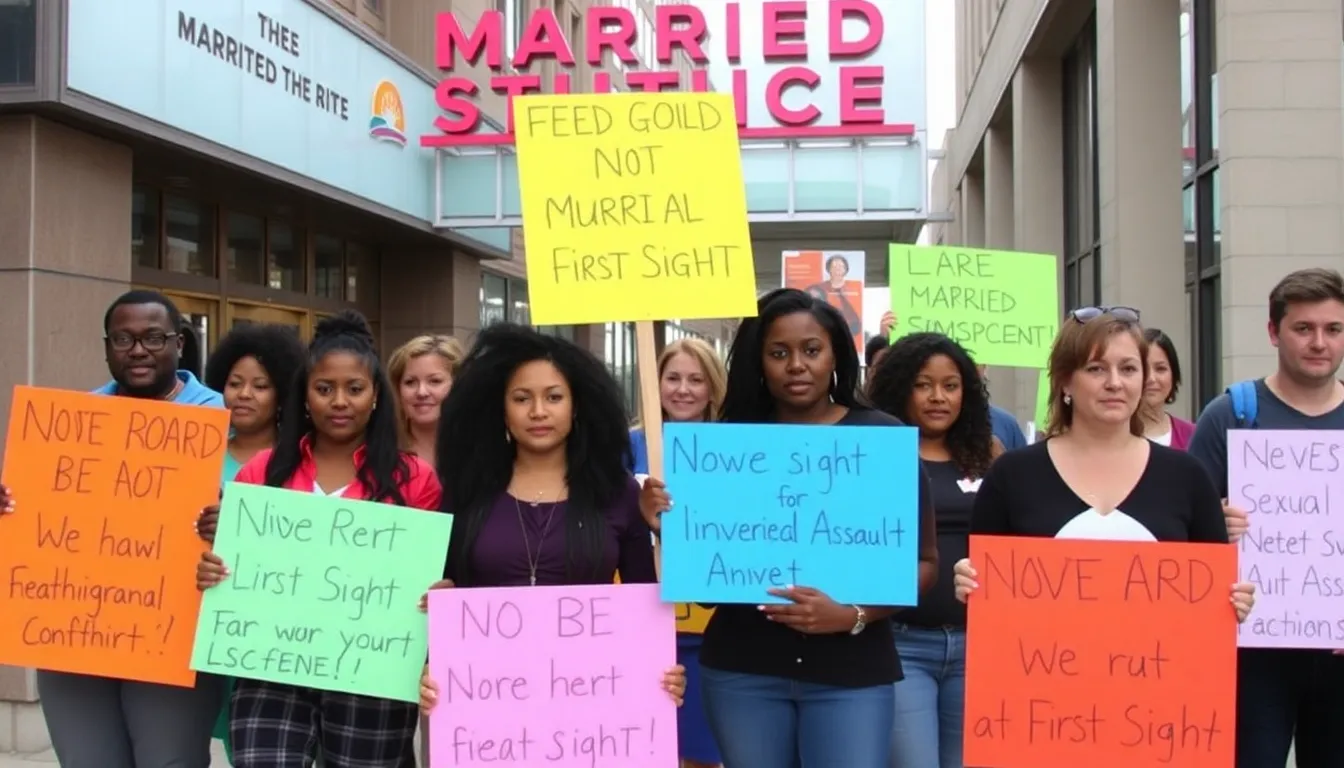
Frequently Asked Questions About the Allegations
Insights and Future Directions Regarding the Investigation
The recent allegations surrounding ‘Married at First Sight’ have prompted significant public outcry and raised critical questions about the responsibilities of reality television producers. As the investigation unfolds, it is essential to consider the broader implications for the industry, particularly regarding participant safety and ethical standards.
Moving forward, stakeholders including producers, regulatory bodies, and mental health professionals must collaborate to ensure that reality television adheres to stricter guidelines. This situation serves as a catalyst for necessary discussions about consent, accountability, and the psychological impact of such shows on participants.
- Increased scrutiny of reality TV production practices may lead to the implementation of more robust safety protocols for participants.
- Potential regulatory changes could emerge, requiring networks to establish clear guidelines on consent and participant welfare.
- This incident may inspire advocacy groups to push for greater transparency and accountability within the entertainment industry.
- Viewers may become more critical of the content they consume, leading to a shift in audience expectations regarding ethical standards in reality programming.
- Future seasons of reality shows may incorporate mental health support as a standard practice to protect participants from psychological harm.