
The outbreak has been attributed to the Zaire strain of the Ebola virus, which is known for its high mortality rate. As of mid-September, at least ten cases had been confirmed, with several fatalities reported. Local health authorities, alongside international partners, have been working to contain the spread, but the timeline of the outbreak’s recognition has sparked debates about surveillance and response protocols.
The situation is particularly alarming given the historical context of Ebola in the region, where previous outbreaks have resulted in significant loss of life. Experts emphasize the importance of rapid identification and reporting of such outbreaks to prevent wider transmission. The delay in the W.H.O.’s emergency declaration might hinder the mobilization of resources and support needed to combat the virus effectively.
As the situation evolves, health officials are urging the international community to remain vigilant and responsive to emerging health threats. The implications of this outbreak extend beyond Congo, as global interconnectedness means that infectious diseases can spread rapidly. The current events underscore the necessity for improved global health infrastructure and timely communication among nations.
Understanding the timeline of the Ebola outbreak
The recent Ebola outbreak in the Democratic Republic of the Congo (DRC) has drawn international attention and concern, particularly regarding the timeline of its identification and the subsequent response from global health organizations. Historically, the DRC has faced multiple Ebola outbreaks since the virus was first identified in 1976 near the Ebola River. This history has shaped the country’s public health infrastructure and its ability to respond to emerging infectious diseases.
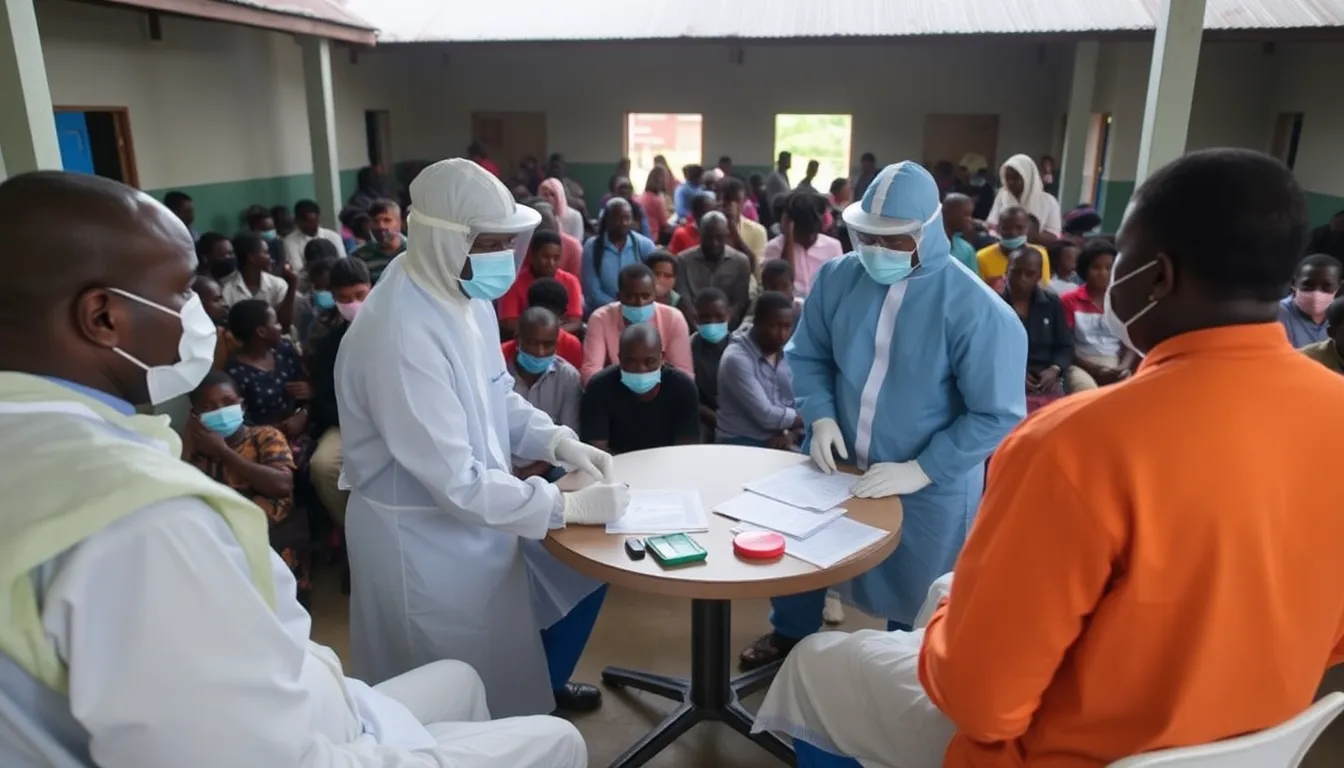
In the months leading up to the World Health Organization’s (W.H.O.) declaration of an emergency, reports indicated that cases of Ebola had been detected in remote regions of the DRC. However, delays in reporting and a lack of immediate resources hampered swift action. The political instability in the region, compounded by ongoing conflicts and a weakened healthcare system, has often resulted in underreporting and inadequate responses to health crises, much like the issues surrounding local governance.
The Impact of Socioeconomic Factors
The socioeconomic conditions in the DRC have also played a critical role in the management of the Ebola outbreak. With a significant portion of the population living in poverty and limited access to healthcare, many individuals are unable to seek timely medical assistance. Additionally, misinformation and distrust in health authorities have further complicated efforts to contain the virus. These factors created an environment where the outbreak could spread rapidly before being effectively addressed.
Key milestones in the DRC’s battle against Ebola include the establishment of the National Institute for Biomedical Research and the implementation of vaccination campaigns during previous outbreaks. Despite these efforts, the recent outbreak highlighted ongoing challenges, such as logistical difficulties in reaching remote areas and the need for better coordination among international health organizations. As the situation unfolded, the gap between the initial identification of cases and the W.H.O.’s emergency declaration became a focal point for discussions about global health preparedness and response strategies.
Examining the stakeholders involved in the response
The Ebola outbreak in Congo has drawn the attention of various stakeholders, each with distinct interests and roles in the response efforts. Key actors include the World Health Organization (W.H.O.), the Congolese government, international health organizations, non-governmental organizations (NGOs), and local communities. Understanding their motivations and interactions is crucial for analyzing the broader implications of the outbreak.
The W.H.O. plays a central role in coordinating international responses to health emergencies. Its primary interest lies in containing the outbreak to prevent further spread, which can have global health implications. However, its credibility has been challenged by the timing of its emergency declaration, leading to questions about its information-gathering and response capabilities.
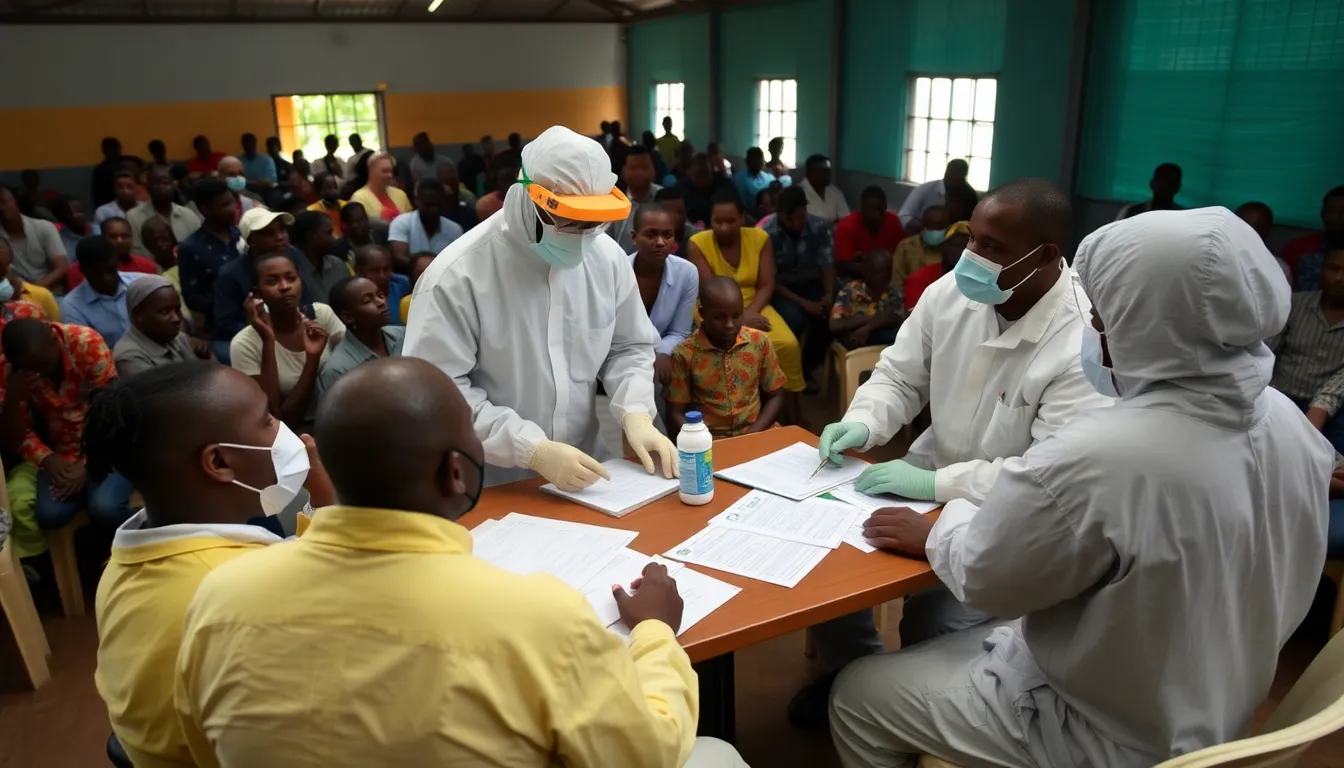
The Congolese government, tasked with managing the outbreak within its borders, faces the dual challenge of responding to a public health crisis while maintaining political stability. The government’s interests include safeguarding public health, ensuring economic stability, and managing international relations. Conflicts may arise between prioritizing immediate health needs and addressing long-term development goals.
- International Health Organizations: These entities often provide funding and expertise but may face limitations in their influence over local policies.
- NGOs: They play a crucial role in grassroots mobilization and education but may encounter challenges in collaboration with governmental bodies.
- Local Communities: Their engagement is vital for effective response strategies, yet they may have differing perspectives on health interventions.
Key legal and economic issues also emerge in this context. The outbreak can strain local healthcare systems, causing economic repercussions that extend beyond health. Additionally, the response may involve navigating complex legal frameworks related to public health policies and international aid, raising ethical questions about sovereignty and intervention.
In summary, the interplay between these stakeholders highlights the complexities of managing an Ebola outbreak. Each actor’s interests and actions shape the response landscape, revealing a multifaceted challenge that extends beyond immediate health concerns to encompass broader societal implications.
Potential effects on public health and safety
The recent identification of Ebola in Congo prior to the World Health Organization’s (W.H.O.) emergency declaration raises significant concerns for various groups and industries. The most immediate impact is on the local population in affected regions, particularly in rural areas where healthcare infrastructure is often limited. Vulnerable communities, including children and the elderly, are at heightened risk of infection and mortality.
Healthcare professionals and organizations are also significantly affected. The urgency of the situation may lead to an influx of resources and support from international health bodies, but it also places immense pressure on local healthcare systems to respond effectively. This can result in burnout among healthcare workers and potential disruptions to routine medical services.
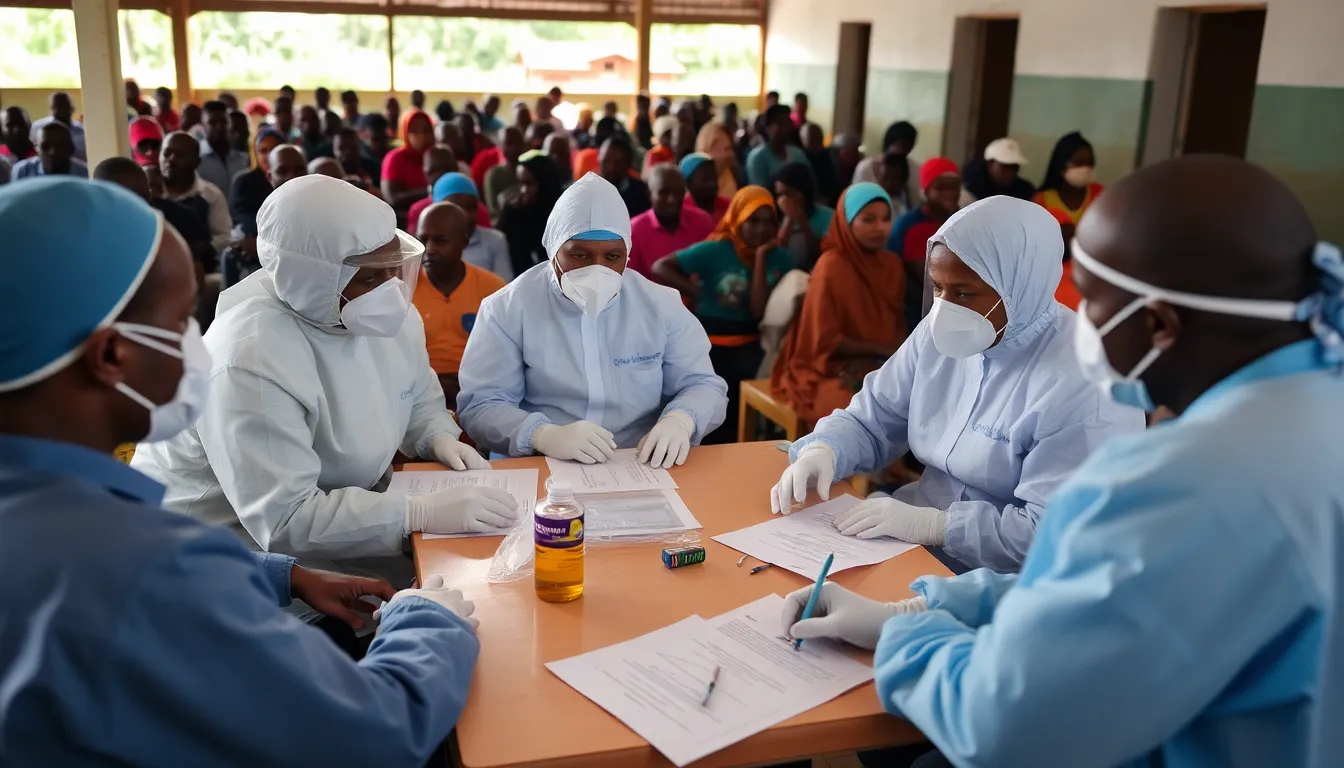
In the business sector, industries such as travel, tourism, and agriculture may experience short-term disruptions. The fear of contagion can lead to decreased travel to and from affected regions, impacting local economies. Agricultural exports may also suffer due to restrictions on movement and trade, leading to potential food shortages and economic instability.
- Public Health Risks: Increased transmission rates and strain on healthcare systems.
- Economic Impact: Decline in tourism and trade, affecting local economies.
- Policy Changes: Potential for stricter health regulations and emergency responses.
- Opportunities: Increased investment in healthcare infrastructure and research.
In the mid-term, governments may implement stricter health policies and surveillance measures to prevent further outbreaks. This could lead to improved public health systems and preparedness for future epidemics. However, there is also the risk of stigmatization of affected regions, which could hinder recovery efforts and economic growth.
On the flip side, the situation presents opportunities for innovation in healthcare solutions, such as telemedicine and rapid-response vaccination programs. Businesses focused on health technology may find new markets and demand for their services, potentially leading to advancements that benefit global health in the long run.
A: Symptoms of Ebola include fever, severe headache, joint and muscle aches, sore throat, and weakness. These symptoms can appear 2 to 21 days after exposure. A: Ebola is transmitted through direct contact with bodily fluids of an infected person or animal. This includes blood, saliva, sweat, and other secretions. A: Health authorities are implementing quarantine measures, contact tracing, and vaccination campaigns to control the spread of the virus. A: The delay in the W.H.O. response may be attributed to various factors, including the need for thorough investigation and confirmation of the outbreak’s severity. A: Individuals can protect themselves by avoiding contact with infected individuals, practicing good hygiene, and staying informed about health advisories.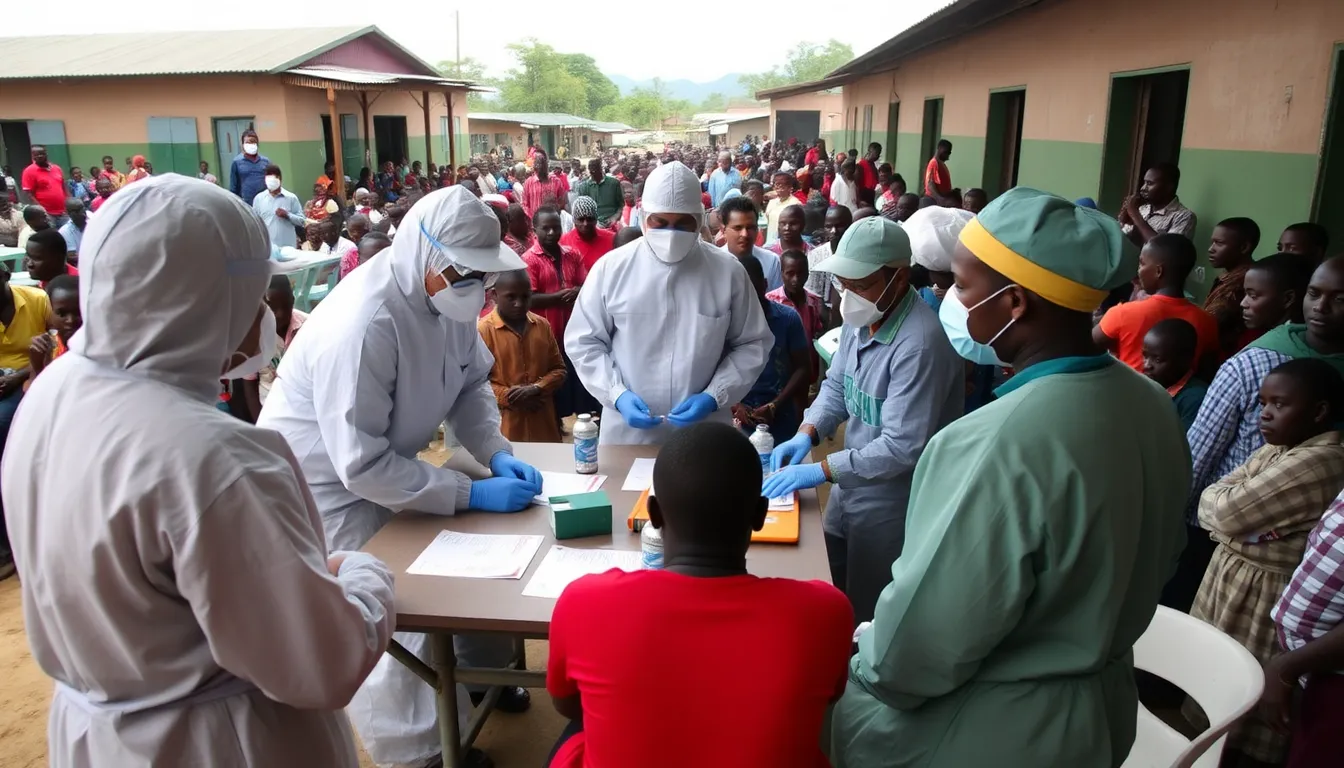
Frequently asked questions about the Ebola situation
Key takeaways and future outlook on Ebola management
The recent identification of Ebola cases in Congo prior to the World Health Organization’s emergency declaration raises critical questions about surveillance and response mechanisms in place for infectious diseases. This situation underscores the need for improved communication and coordination between local health authorities and international organizations to ensure timely responses to outbreaks.
As the global community reflects on this incident, it becomes essential to consider the implications for future Ebola management strategies. Enhanced monitoring, rapid response capabilities, and community engagement will be vital in mitigating the impact of similar outbreaks moving forward.
- Strengthening Surveillance Systems: There is a pressing need for robust surveillance systems that can detect outbreaks early, allowing for quicker interventions.
- Improved Communication Channels: Establishing clear communication protocols between local health officials and international bodies can facilitate faster decision-making during health emergencies.
- Community Involvement: Engaging local communities in awareness and response efforts is crucial for effective management of Ebola and other infectious diseases.
- Investment in Healthcare Infrastructure: Continued investment in healthcare infrastructure in affected regions is necessary to enhance preparedness for future outbreaks.
- Research and Development: Ongoing research into vaccines and treatments for Ebola will be essential to reduce the disease’s impact and prevent its spread.