
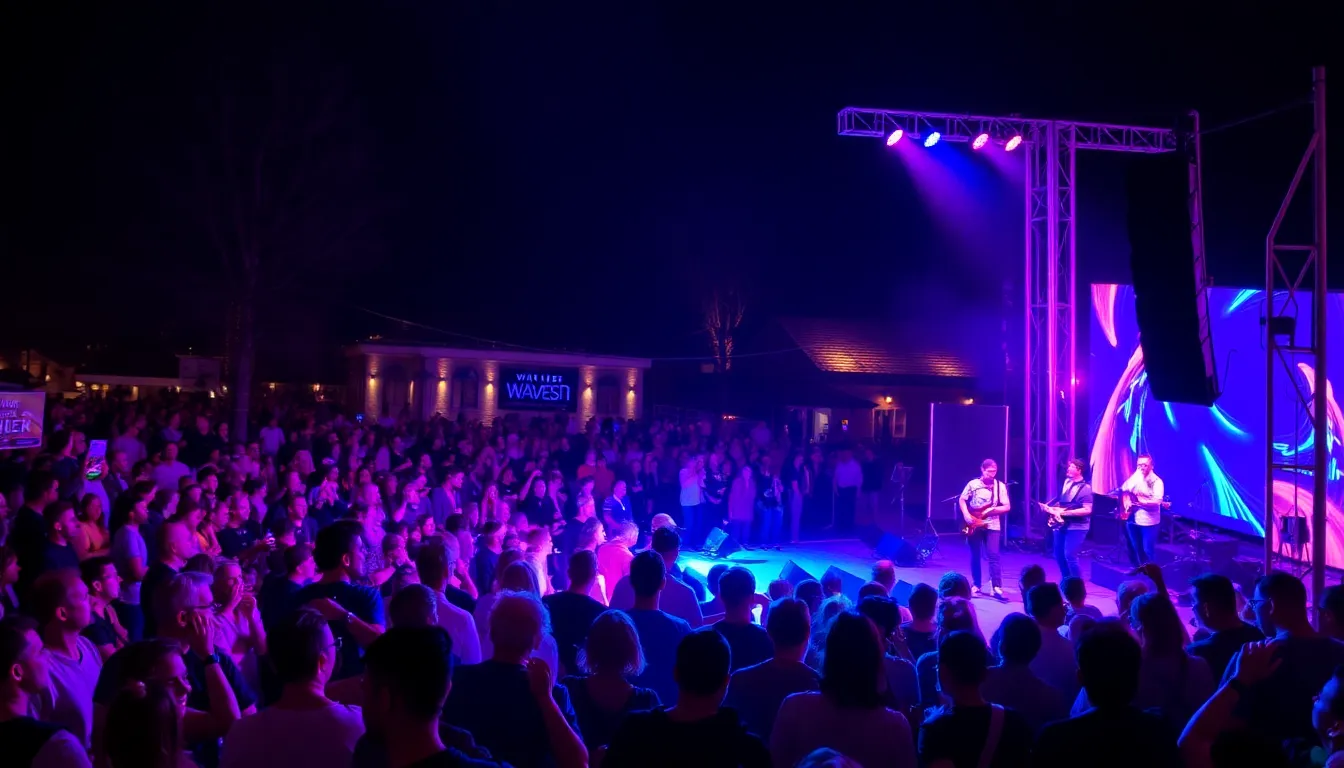
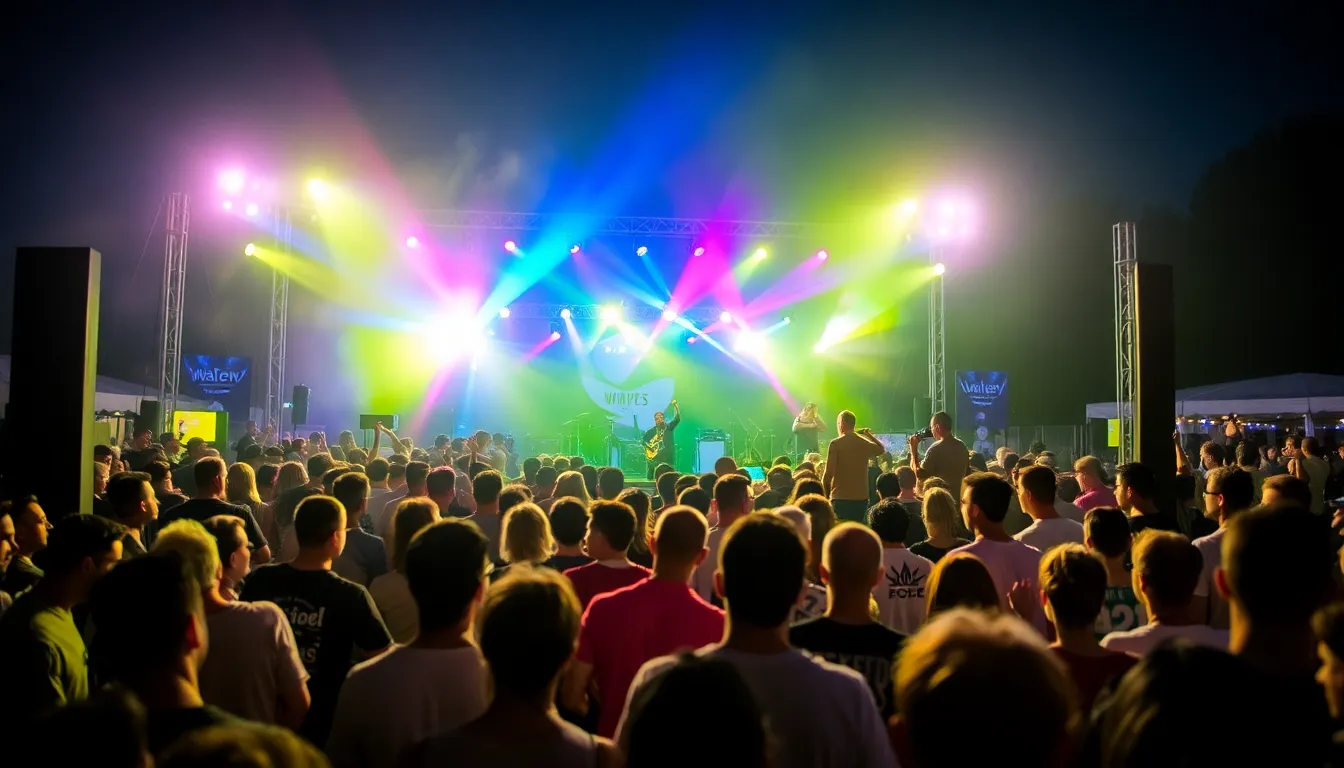
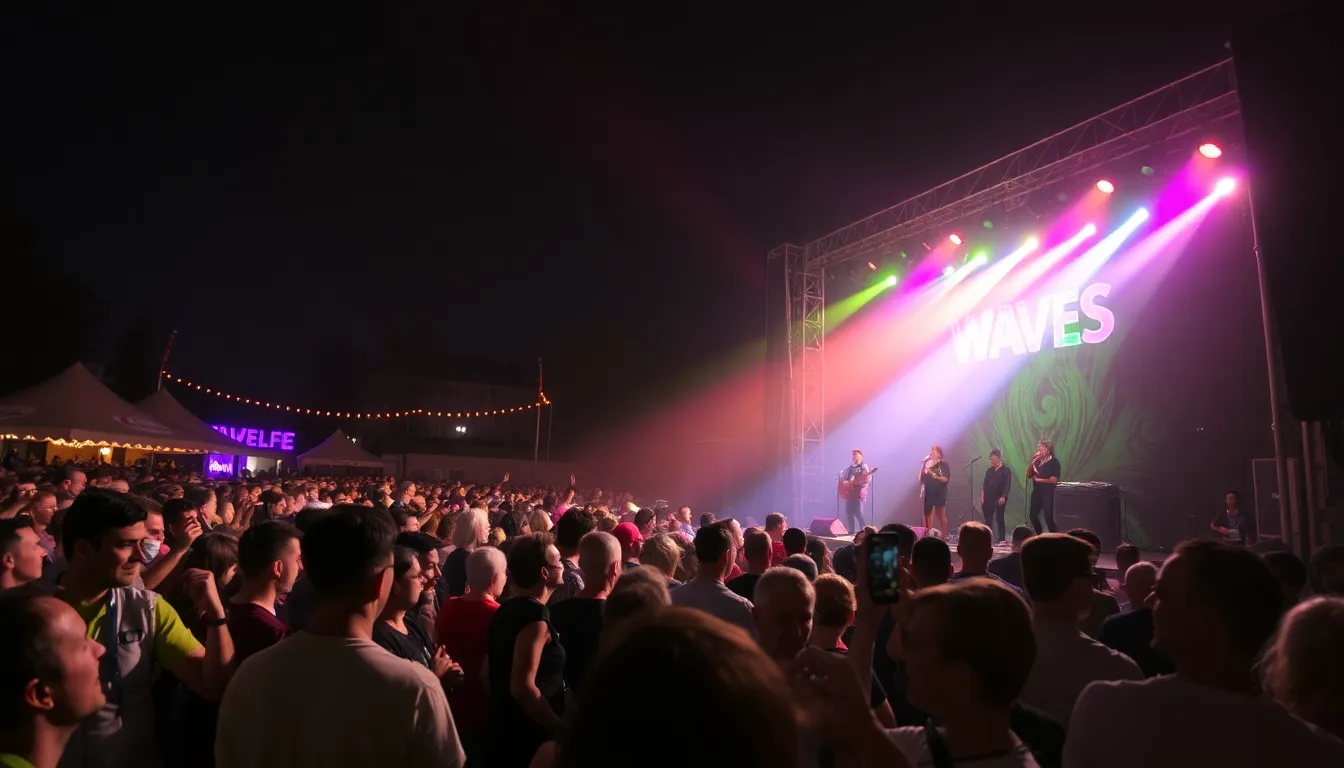
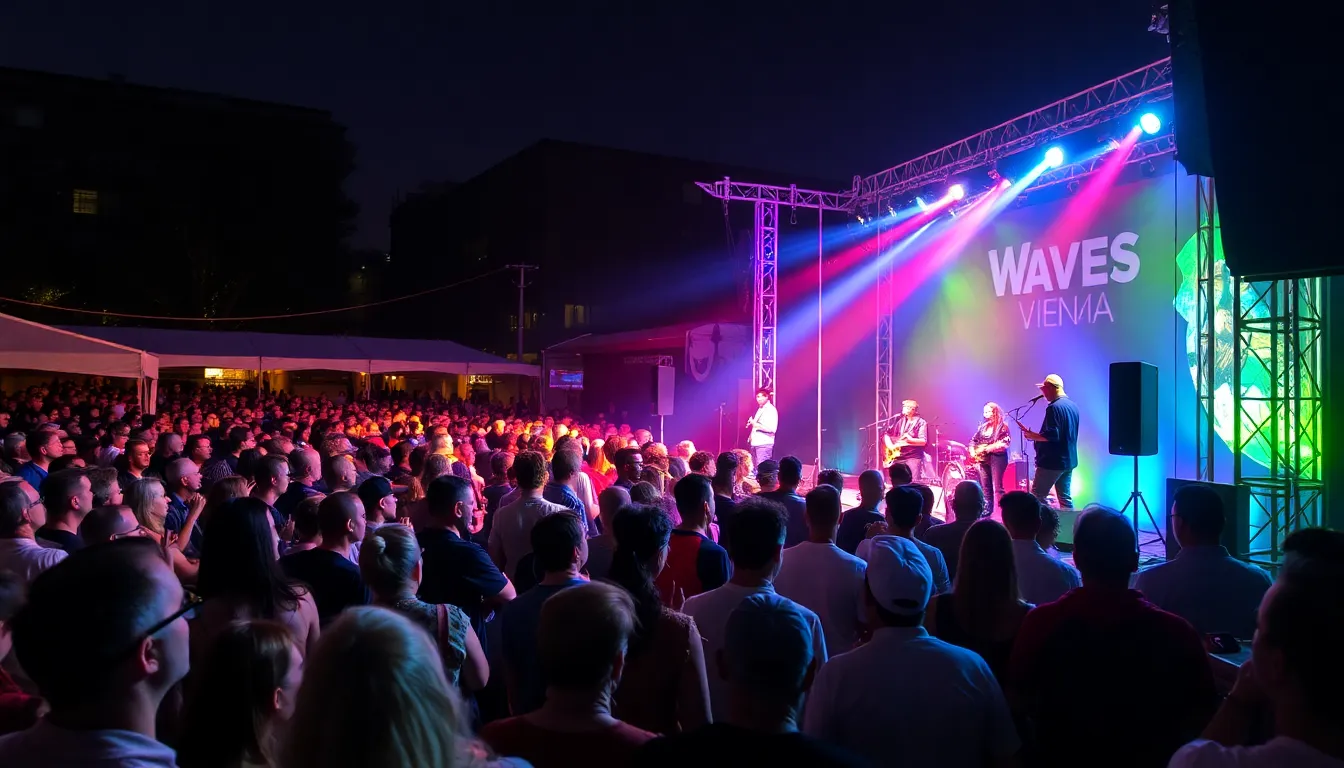
Notable events such as the Waves Vienna Festival, held annually in September, have played a significant role in promoting emerging artists. The festival attracts music enthusiasts and industry professionals, providing a platform for local musicians to gain exposure and connect with a broader audience. For more insights into the impact of music events, check out our article on Understanding Instagram Instants and Their Implications.
Additionally, venues like the Flex and the WUK have become essential spaces for live performances, hosting both established acts and up-and-coming performers. These locations not only support the local scene but also contribute to Vienna’s reputation as a city that values artistic expression and innovation.
The city’s music scene is further bolstered by initiatives from local record labels and collectives that focus on nurturing talent and fostering collaboration among artists. This supportive environment is crucial for the development of a sustainable music industry in Vienna, allowing artists to thrive and experiment with their sound.
As the pop music scene in Vienna continues to grow, it reflects a broader cultural shift that embraces diversity and creativity. This evolution is significant not only for the artists involved but also for the city’s identity as a cultural capital in Europe.
Understanding the historical roots of Vienna’s music culture
Vienna, often celebrated as the City of Music, has a rich and diverse pop music scene that extends far beyond the iconic hit “Rock Me Amadeus.” The city’s musical heritage is deeply intertwined with its history, shaped by various cultural, political, and social influences over the centuries. If you’re interested in how these influences shape modern culture, read our thoughts on Esports Insider debates the future of 2XKO.
The evolution of Vienna’s music culture can be traced back to the Habsburg monarchy, which fostered an environment of artistic expression and creativity. The 18th and 19th centuries saw the city emerge as a cultural hub, attracting musicians, composers, and artists from across Europe. This period laid the groundwork for a thriving music scene that would continue to evolve, incorporating various genres and styles as the city adapted to changing social dynamics.
In the 20th century, Vienna experienced significant political and economic shifts, particularly following World War II. The reconstruction of the city and the subsequent cultural revival provided fertile ground for new musical expressions. The rise of youth culture in the 1960s and 1970s saw the emergence of local pop and rock bands, influenced by global trends while maintaining a distinctly Viennese flavor. This era marked a pivotal moment, as artists began to experiment with blending traditional elements with contemporary sounds.
The impact of globalization on Vienna’s music scene
As globalization took hold in the late 20th and early 21st centuries, Vienna’s pop music scene became increasingly interconnected with international trends. The influx of diverse musical influences led to a renaissance of creativity, with local musicians drawing inspiration from genres such as hip-hop, electronic, and world music. Festivals and music events began to showcase not only local talent but also international acts, further enriching the cultural tapestry of Vienna.
Today, Vienna’s music scene is characterized by a vibrant mix of established artists and emerging talents, reflecting the city’s historical roots while embracing modernity. With a plethora of venues, festivals, and a supportive community, Vienna continues to cultivate its reputation as a dynamic center for pop music, proving that its musical legacy is alive and well. Explore related initiatives in the cultural sector, including the renewable energy hub planned for Scottish coal museum.
Key players and trends shaping Vienna’s pop music landscape
Vienna’s pop music scene is a dynamic tapestry woven from the contributions of various stakeholders, each with distinct interests and motivations. Key players include local musicians, music venues, record labels, cultural organizations, and government entities. Together, they shape the cultural fabric of the city while navigating the complexities of the music industry.
Local musicians are at the forefront, often seeking to establish their unique sound while gaining recognition both locally and internationally. They face the challenge of competing in a market dominated by established acts and global trends. Many artists rely on grassroots support from fans and local venues, creating a symbiotic relationship that fosters community engagement and cultural exchange.
Music venues play a crucial role in the ecosystem, providing spaces for live performances and fostering emerging talent. However, they often grapple with economic pressures, including rising rents and the impact of regulations. The balance between hosting popular acts and supporting local talent is a constant trade-off, as venues strive to attract larger audiences while remaining committed to the local scene.
Record labels and cultural organizations also influence the landscape, often acting as gatekeepers in the industry. They are responsible for promoting artists, managing distribution, and navigating the complexities of copyright laws. The rise of digital platforms has shifted power dynamics, creating both opportunities and challenges for traditional labels as they adapt to new consumption patterns.
- Economic pressures: Rising costs for venues and artists can limit opportunities for local talent.
- Regulatory challenges: Local laws may impact venue operations and artist performances.
- Cultural funding: Government support for the arts can bolster the music scene but may come with strings attached.
- Global competition: Local artists must navigate a saturated market influenced by global pop trends.
- Community engagement: The importance of local support in sustaining emerging artists and venues.
The influence of Vienna’s pop music on local and international markets
Vienna’s vibrant pop music scene not only enriches the cultural landscape of the city but also significantly impacts various groups and industries. Local artists, music venues, and record labels are directly influenced by the growing popularity of contemporary pop music, which attracts both domestic and international audiences. Additionally, tourism is likely to see a boost as visitors flock to experience the unique blend of traditional and modern sounds that Vienna has to offer.
In the short term, businesses in the hospitality and entertainment sectors may experience increased foot traffic and revenue. Local bars, clubs, and concert halls could see a surge in attendance, leading to higher sales and the potential for new job opportunities. Moreover, the city’s reputation as a music hub may encourage investments in related infrastructure, such as recording studios and music schools.
However, this growth comes with risks. The influx of tourists and increased commercialization could threaten the authenticity of Vienna’s music culture, leading to a homogenization of the local scene. Additionally, established artists may face challenges in maintaining their unique identities amidst a rapidly evolving market that favors mainstream trends.
In the mid-term, the impact of Vienna’s pop music scene could extend to policy changes aimed at supporting local artists and preserving cultural heritage. This could include grants for emerging musicians, subsidies for music festivals, and initiatives to promote local talent on international platforms. The city might also see an increase in collaborations between artists and businesses, fostering a more dynamic creative economy.
- Boost in local tourism and hospitality sectors.
- Increased job opportunities in music and related industries.
- Potential threats to cultural authenticity.
- Policy shifts to support local musicians and preserve cultural heritage.
Overall, Vienna’s pop music scene presents a complex interplay of opportunities and challenges, shaping the future of the city’s cultural and economic landscape.
Frequently Asked Questions about Vienna’s pop music scene
A: Vienna’s pop music scene features a mix of genres including pop, electronic, and indie rock, reflecting the city’s diverse cultural influences.
A: Yes, Vienna has produced several notable pop artists and bands who have gained recognition both locally and internationally.
A: Vienna’s music scene is unique due to its rich historical background and the blend of classical and contemporary influences, setting it apart from other cities.
A: Popular venues include the WUK, Flex, and the Gasometer, which host a variety of local and international acts.
A: Exploring local music festivals, attending live shows, and following local music blogs are great ways to discover new pop music in Vienna.
The future of Vienna’s pop music and its global significance
Vienna’s pop music scene is experiencing a renaissance, showcasing a diverse array of talents that extend far beyond the iconic ‘Rock Me Amadeus.’ This evolution reflects not only a shift in musical styles but also the city’s ability to blend traditional influences with contemporary sounds. As artists gain recognition on international platforms, Vienna is poised to become a significant player in the global music landscape.
Looking ahead, the continued growth of this vibrant scene will depend on various factors, including the support of local music initiatives, the integration of technology in music production, and the fostering of collaborations between local and international artists. Observers should keep an eye on how these elements will shape the future of Vienna’s pop music and its cultural impact.
- Watch for emerging artists who may redefine the genre and gain international acclaim.
- Monitor the role of local music festivals in promoting Vienna’s diverse talent pool.
- Consider the impact of digital platforms on the distribution and consumption of Vienna’s pop music.
- Observe collaborations between Viennese musicians and global artists as a means of cultural exchange.
- Stay informed about government and community support for the arts, which can influence the growth of the music scene.