
Emergency services responded promptly to the scene, where they found several passengers trapped inside the bus. Rescue operations were complicated by the wreckage, which required extensive efforts to extract survivors. In total, over twenty people sustained injuries, with several in critical condition, necessitating immediate medical attention. This tragic incident calls attention to the ongoing issue of transportation safety in our urban environments.
This unfortunate event has raised serious concerns about railway safety measures and the adequacy of warning systems at crossings. Witnesses reported that the bus driver may not have seen the approaching train due to poor visibility conditions, highlighting the need for improved infrastructure to prevent such disasters in the future. As seen in other regions, regulatory reforms are essential to enhance public safety.
The collision has prompted a response from local authorities, who are now investigating the circumstances surrounding the accident. Officials are reviewing safety protocols and considering measures to enhance protection at railway crossings, as public outcry grows over the frequency of similar incidents in the region.
Understanding the background of transportation safety in Bangkok
Bangkok, the bustling capital of Thailand, has long been grappling with issues related to transportation safety. With a rapidly growing population and an increasing number of vehicles on the roads, the city has faced significant challenges in maintaining safe transit systems. The recent tragic incident involving a freight train and a bus, which resulted in the loss of at least eight lives, underscores the urgent need for improvements in transportation infrastructure and safety protocols.
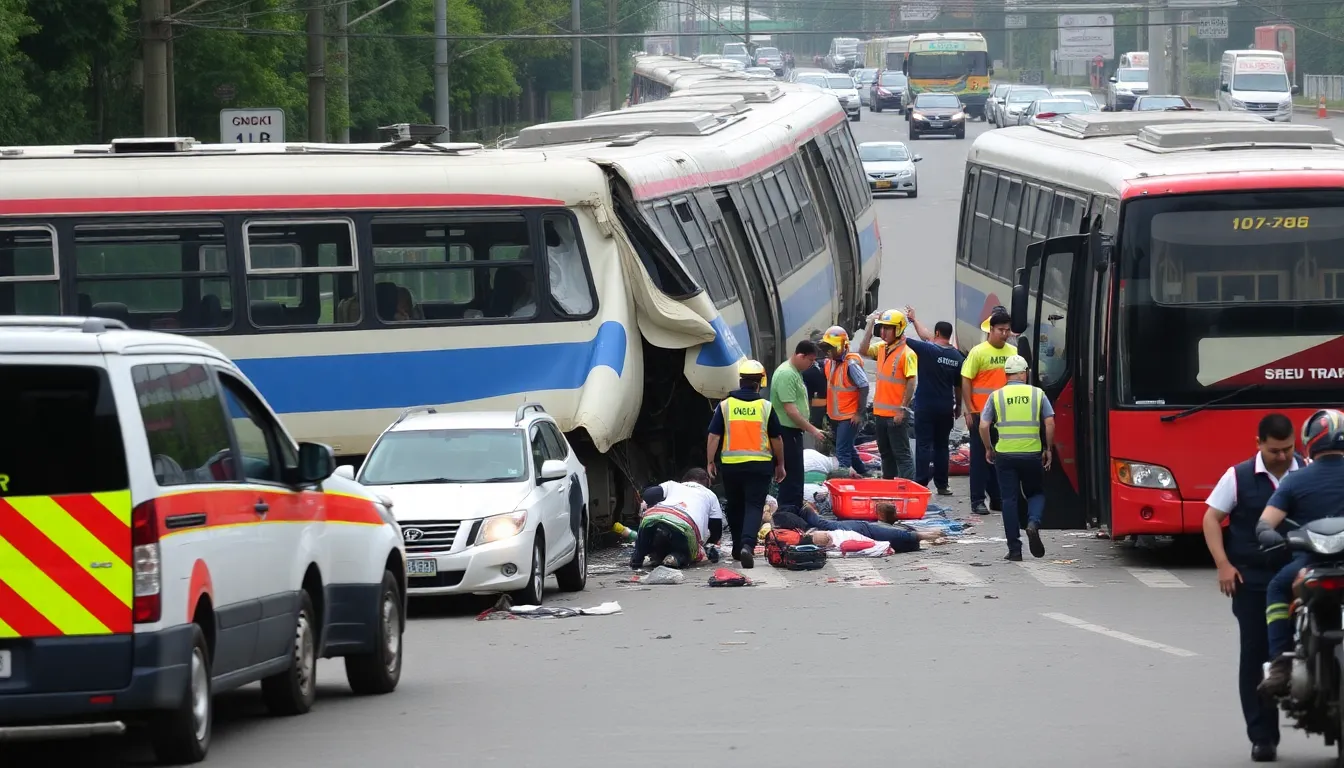
The history of transportation in Bangkok is marked by a reliance on both public and private modes of transport. The city’s extensive network of buses, trains, and taxis has developed over decades, yet it often struggles with congestion and accidents. Past incidents, such as the 2016 bus crash that killed 20 people, highlight ongoing systemic issues, including inadequate safety measures and the pressing need for regulatory reforms to enhance the safety of public transport.
Regulatory Challenges and Infrastructure Development
Despite various initiatives aimed at improving transportation safety, regulatory challenges persist. The lack of stringent enforcement of safety regulations, coupled with aging infrastructure, has contributed to the vulnerability of public transport systems. Moreover, the integration of different modes of transport remains a significant hurdle, as coordination between agencies is often lacking. This fragmented approach has historically led to accidents and fatalities, raising questions about accountability and the effectiveness of existing safety measures, much like the ongoing challenges faced in other sectors, including the recent case of a legal issue involving unregistered agents.
Economically, the government has invested in upgrading transportation infrastructure, including the expansion of the Skytrain and subway systems. However, the focus on these projects often overshadows the need for comprehensive safety assessments and improvements across all transport modes. As Bangkok continues to expand, the challenge will be to ensure that safety keeps pace with growth, preventing further tragedies like the recent crash.
Key stakeholders and issues surrounding the crash
The tragic collision between a freight train and a bus in Bangkok has raised significant concerns among various stakeholders, including government agencies, transportation companies, and the victims’ families. Each group has distinct interests and perspectives regarding the incident, highlighting the complexity of the situation.
Government authorities, particularly the Ministry of Transport and local law enforcement, are primarily focused on investigating the cause of the crash and ensuring public safety. Their interests lie in implementing regulatory measures to prevent similar accidents in the future. Additionally, they face pressure to maintain public confidence in the transportation system, which could be affected by this incident.
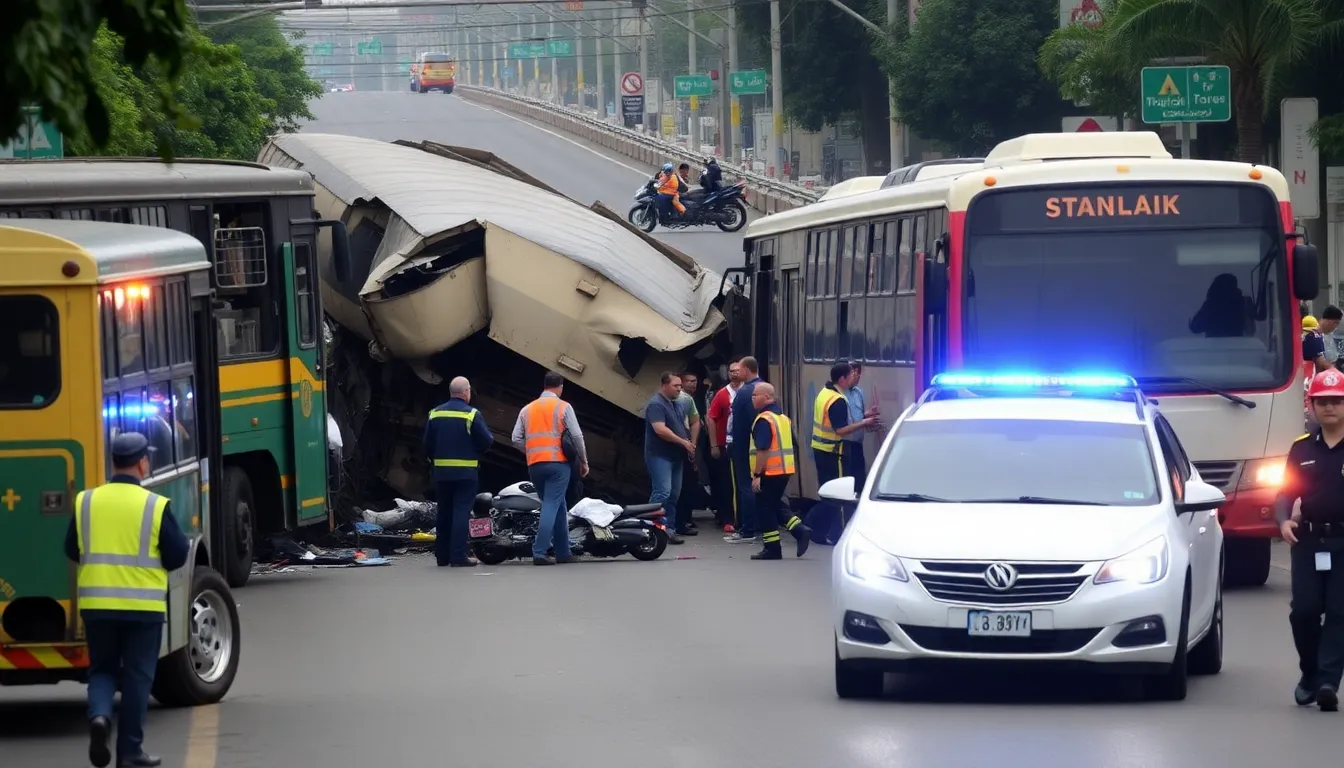
Transportation companies, including the operators of both the freight train and the bus, are also key stakeholders. They are concerned about liability and the potential financial repercussions of the crash. These companies may need to address safety protocols and employee training to mitigate risks, balancing operational efficiency with the need for enhanced safety measures.
Victims’ families and advocacy groups represent another important perspective. They seek justice and accountability for the loss of life and injuries sustained in the crash. Their interests may include pursuing legal action against responsible parties and advocating for improved safety regulations in public transportation. This scenario raises ethical questions about corporate responsibility and the adequacy of existing safety standards.
- Investigation Outcomes: The results of the investigation will determine accountability and future safety measures.
- Regulatory Changes: Potential changes in laws governing transportation safety could emerge from this incident.
- Public Trust: The incident may impact public trust in transportation systems, affecting ridership and revenue.
- Financial Implications: Companies involved may face significant financial liabilities and insurance claims.
- Advocacy for Safety: Increased pressure from advocacy groups for stricter safety regulations could reshape industry standards.
Impact on victims and the community following the accident
The tragic freight train and bus crash in Bangkok has left at least eight people dead, significantly impacting victims’ families and the wider community. The immediate emotional toll on those who lost loved ones is profound, with grief and trauma affecting not just the victims’ families but also friends and colleagues who are left to cope with the aftermath.
In addition to the human cost, the accident has broader implications for the transportation industry in Bangkok. The disruption of rail and bus services will likely lead to delays and cancellations, affecting daily commuters and businesses reliant on timely logistics. This incident raises serious concerns about safety regulations and operational protocols, which may lead to increased scrutiny and potential policy changes in the transportation sector.
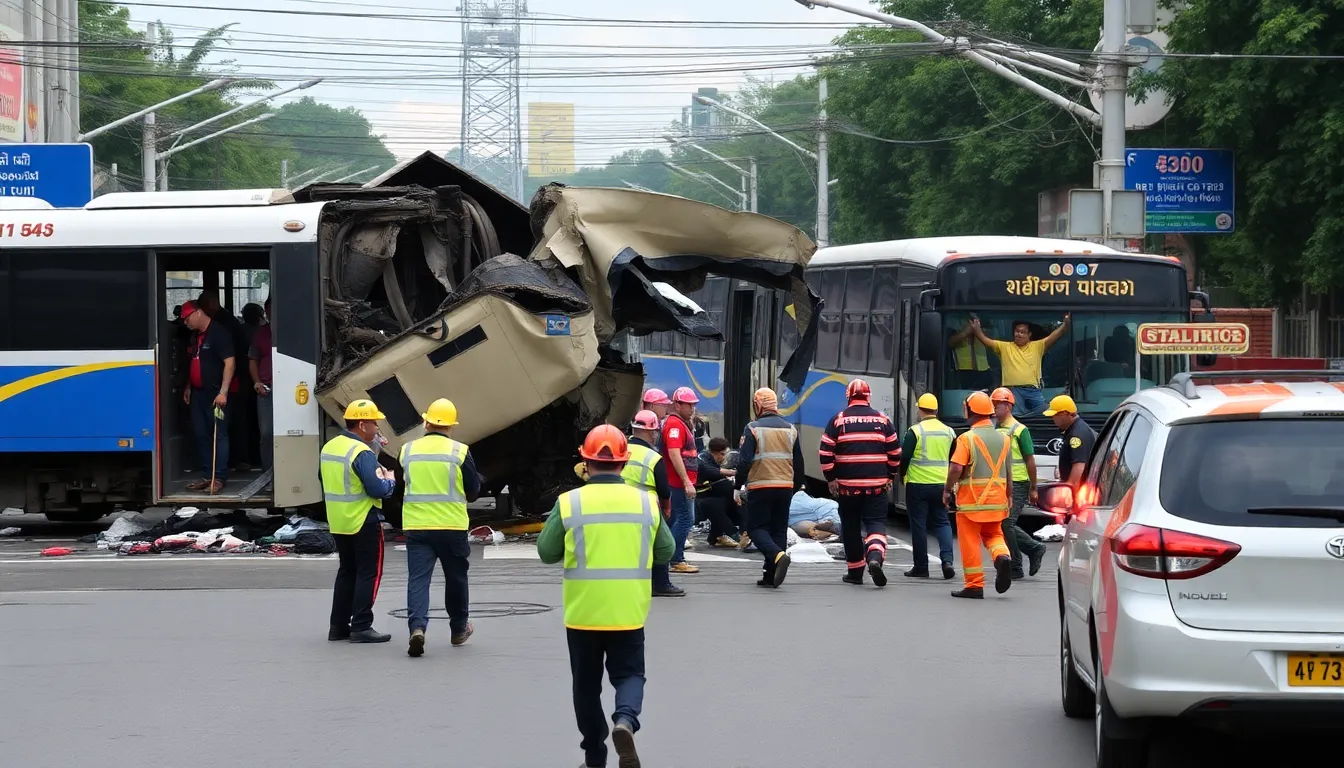
Short-term impacts include heightened anxiety among commuters and a potential decline in public transportation usage as individuals may seek alternative, perceived safer modes of travel. This could temporarily boost taxi and rideshare services, illustrating a shift in consumer behavior in response to safety concerns.
- Increased safety regulations: Authorities may implement stricter safety measures for both rail and bus operators.
- Economic repercussions: Local businesses may experience a downturn due to reduced foot traffic and transportation disruptions.
- Community support initiatives: There may be a surge in community-led support for victims’ families, fostering solidarity among residents.
In the mid-term, there could be opportunities for investment in infrastructure improvements and safety technology, potentially leading to enhanced public transport systems. While the accident underscores the risks associated with current transportation methods, it also opens a dialogue about the need for innovation and better safety measures, which could ultimately benefit the community in the long run.
A: The exact cause of the crash is still under investigation, but preliminary reports suggest a failure to stop at a railway crossing. A: In addition to the eight fatalities, several others were reported injured, with varying degrees of severity. A: Authorities are reviewing safety protocols at railway crossings and considering additional signage and barriers to prevent future accidents. A: Yes, local authorities are conducting a thorough investigation to determine the circumstances leading to the crash. A: The community has expressed shock and grief over the loss of life, with calls for improved safety measures to protect commuters.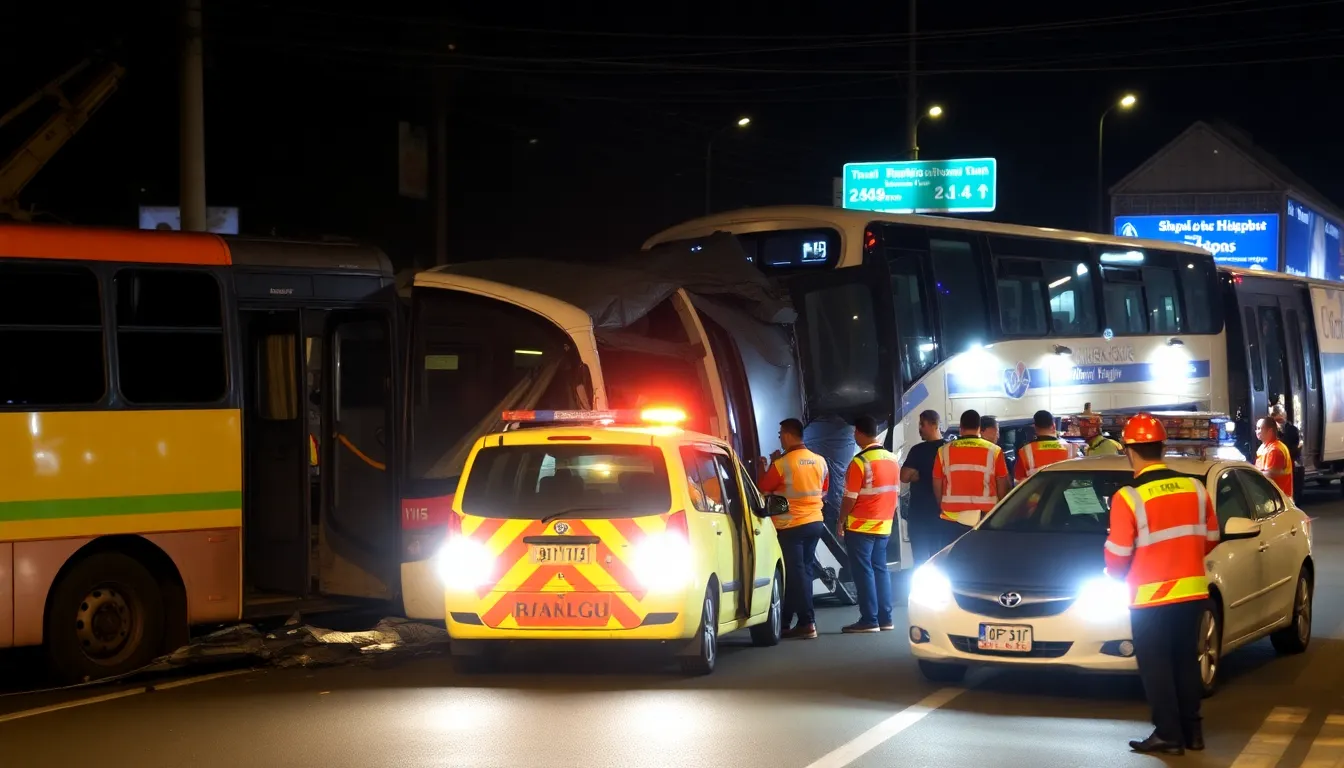
Frequently asked questions about the crash
Key takeaways and future implications of the incident
The tragic collision between a freight train and a bus in Bangkok has raised significant concerns regarding transportation safety and infrastructure. As authorities investigate the circumstances surrounding the incident, it is crucial to consider the broader implications for public transport systems and emergency response protocols. Enhanced safety measures and a re-evaluation of existing protocols may be necessary to prevent similar occurrences in the future.
This incident serves as a stark reminder of the vulnerabilities within urban transportation networks. Stakeholders must prioritize collaboration between transportation agencies and local governments to implement effective safety measures and ensure the well-being of commuters.
- Improved Safety Regulations: Expect calls for stricter safety regulations and enforcement around railway crossings and public transport vehicles.
- Infrastructure Investment: Increased investment in transportation infrastructure may be necessary to enhance safety features and reduce the risk of accidents.
- Public Awareness Campaigns: Initiatives aimed at educating the public on safety practices when using public transport could become a priority.
- Emergency Response Training: Enhanced training for emergency responders may be implemented to better handle such incidents in the future.