
The research team, led by Dr. Emily Carter at the University of California, conducted experiments where crickets were subjected to mild injuries on their antennae. The crickets displayed signs of distress, such as grooming their injured antennae more frequently, which points to a potential pain response similar to that observed in higher animals. This discovery aligns with ongoing discussions in the field of animal welfare.
This discovery has significant implications for how humans interact with insects, especially in agricultural settings where insecticides are commonly used. Understanding that crickets and possibly other insects can feel pain may lead to a reevaluation of pest control methods and animal welfare considerations in entomology, areas that are critical for sustainable agricultural practices.
Furthermore, the findings contribute to the ongoing debate about the cognitive and emotional capacities of insects, prompting scientists to explore the ethical dimensions of insect treatment. As research in this area progresses, it may influence legislation and public perception regarding the use of insects in various industries.
Understanding the significance of pain perception in insects
The question of whether insects can feel pain has long been a topic of debate among scientists, philosophers, and the general public. Historically, insects were largely viewed as simple organisms, lacking the complex nervous systems necessary for pain perception. This perspective was reinforced by the belief that their behaviors were purely instinctual and not indicative of any form of subjective experience. However, recent research has begun to challenge this notion, suggesting that insects may indeed experience pain in ways that are more complex than previously understood.
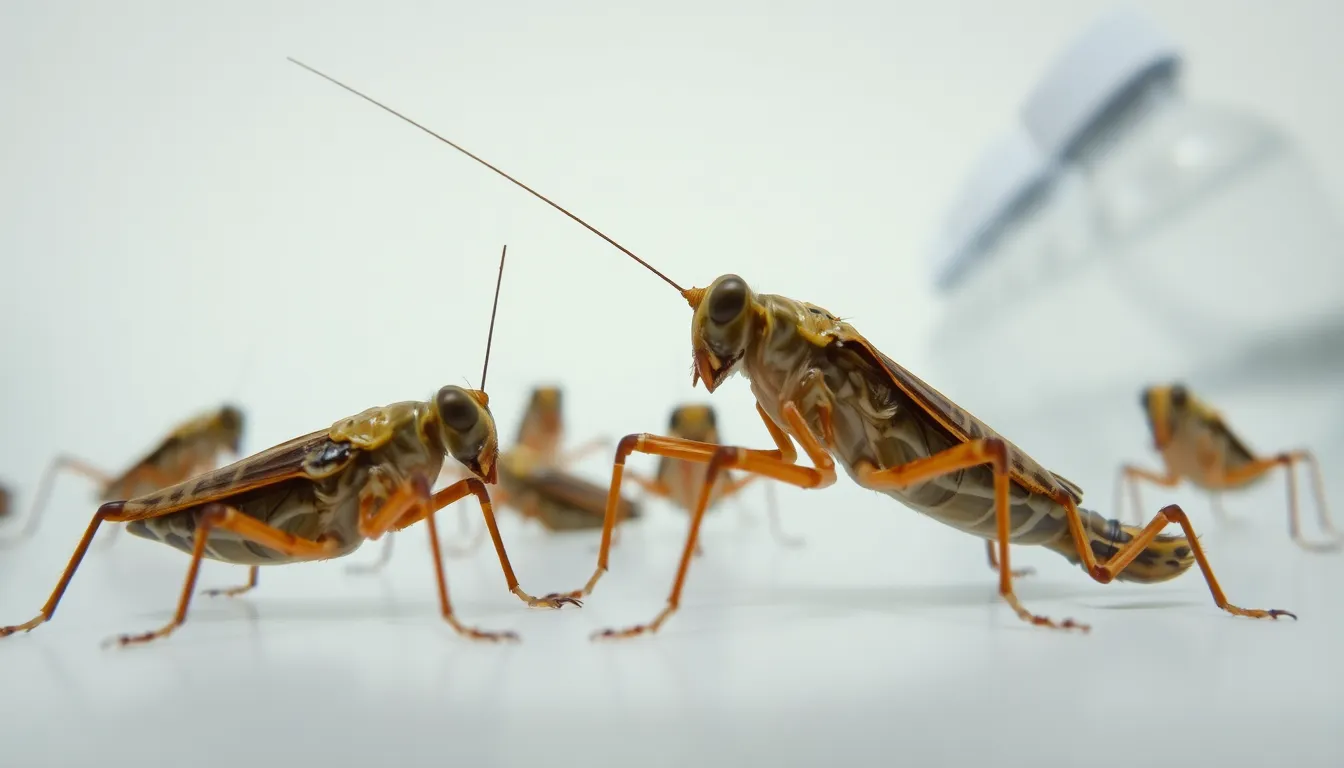
One of the pivotal moments in this emerging discourse came in the early 2000s when studies began to reveal that insects possess nociceptorssensory neurons that respond to potentially damaging stimuli. This discovery opened the door to further investigations into the behavioral and physiological responses of insects to injuries. For instance, researchers observed that crickets would engage in specific behaviors, such as nursing their injured antennae, which indicated a level of awareness and response similar to pain behavior in vertebrates.
Economically, the implications of recognizing pain in insects are significant, particularly in agriculture and pest control. The widespread use of insecticides and pesticides has been justified under the assumption that insects do not experience pain. If this assumption is proven wrong, it could lead to a reevaluation of pest management practices, influencing regulations and consumer preferences. As the global population grows and the demand for food increases, the ethical considerations surrounding pest control methods may become increasingly scrutinized.
The ethical implications of insect pain perception
As scientists continue to explore the nuances of insect pain, ethical discussions are gaining momentum. The potential for insects to feel pain raises questions about the morality of their use in research, agriculture, and even as pets. Advocacy groups are beginning to push for humane treatment standards for insects, similar to those in place for vertebrates, which reflects a broader understanding in the scientific community about animal welfare.
Exploring the implications for insect welfare and research
The recent findings regarding crickets and their ability to feel pain have significant implications for various stakeholders, including researchers, environmentalists, and policymakers. Understanding insect welfare can influence how these creatures are treated in both natural and controlled environments, prompting a reevaluation of existing practices in research and pest management.
Researchers from universities and institutions studying entomology are at the forefront of this discovery. Their interest lies in advancing knowledge about insect physiology and behavior, which could lead to new insights into pain perception across species. This could also open up avenues for further studies on other insects, potentially reshaping the scientific community’s approach to animal welfare.
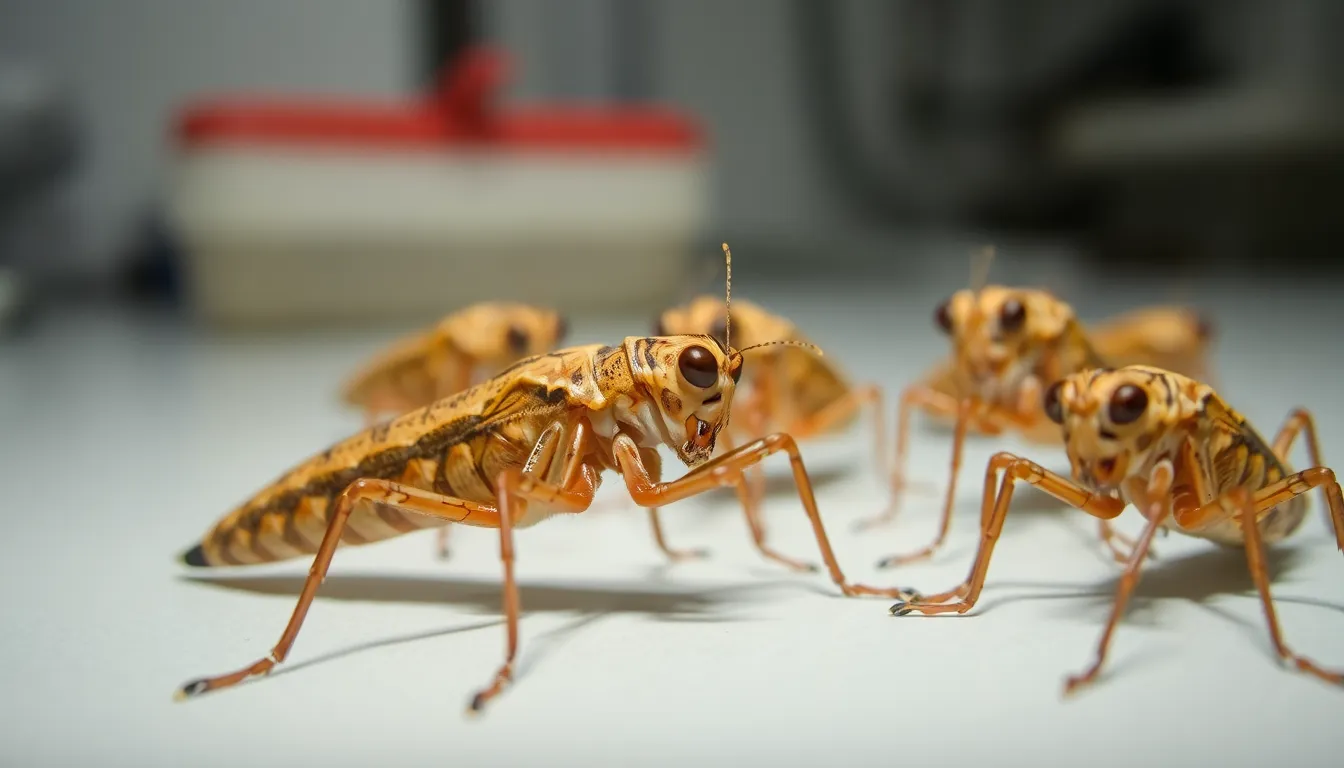
Environmental organizations and animal rights advocates may leverage this research to argue for more humane treatment of insects, particularly in agricultural and pest control contexts. They may push for regulations that limit the use of harmful pesticides and promote alternative pest management strategies that consider insect welfare. This could create tension with agricultural stakeholders who rely on these methods for crop protection.
- Increased scrutiny on pest control methods and their impact on insect populations.
- Potential changes in legislation regarding the treatment of insects in research and agriculture.
- Economic implications for industries reliant on pesticides and insect control.
- Shifts in public perception regarding the value of insect life and welfare.
- Opportunities for innovation in sustainable agricultural practices that align with ethical considerations.
As the dialogue around insect welfare evolves, conflicts may arise between economic interests and ethical considerations. Farmers and agricultural businesses might resist changes that could increase their operational costs, while researchers and advocates may argue for the necessity of humane treatment based on scientific evidence. This dynamic will require careful navigation to balance economic viability with ethical responsibilities.
Potential effects on pest control and ecological studies
The recent findings regarding insects’ ability to feel pain could significantly impact various groups, including pest control companies, agricultural industries, and ecological researchers. Pest control professionals may need to reconsider their strategies, as the ethical implications of using traditional insecticides come to the forefront. This shift could lead to increased demand for more humane pest management solutions.
Farmers who rely on insecticides to protect crops might face immediate challenges. In the short term, there may be a push for alternative pest control methods, which could disrupt established practices and lead to increased costs. Additionally, regions heavily dependent on agriculture may experience fluctuations in crop yields if pest populations are not managed effectively.
Ecological researchers will also feel the impact of these findings. The acknowledgment that insects can experience pain may lead to a reevaluation of existing studies and methodologies. This could result in a more profound understanding of insect behavior and ecology, offering new opportunities for research funding and collaboration.
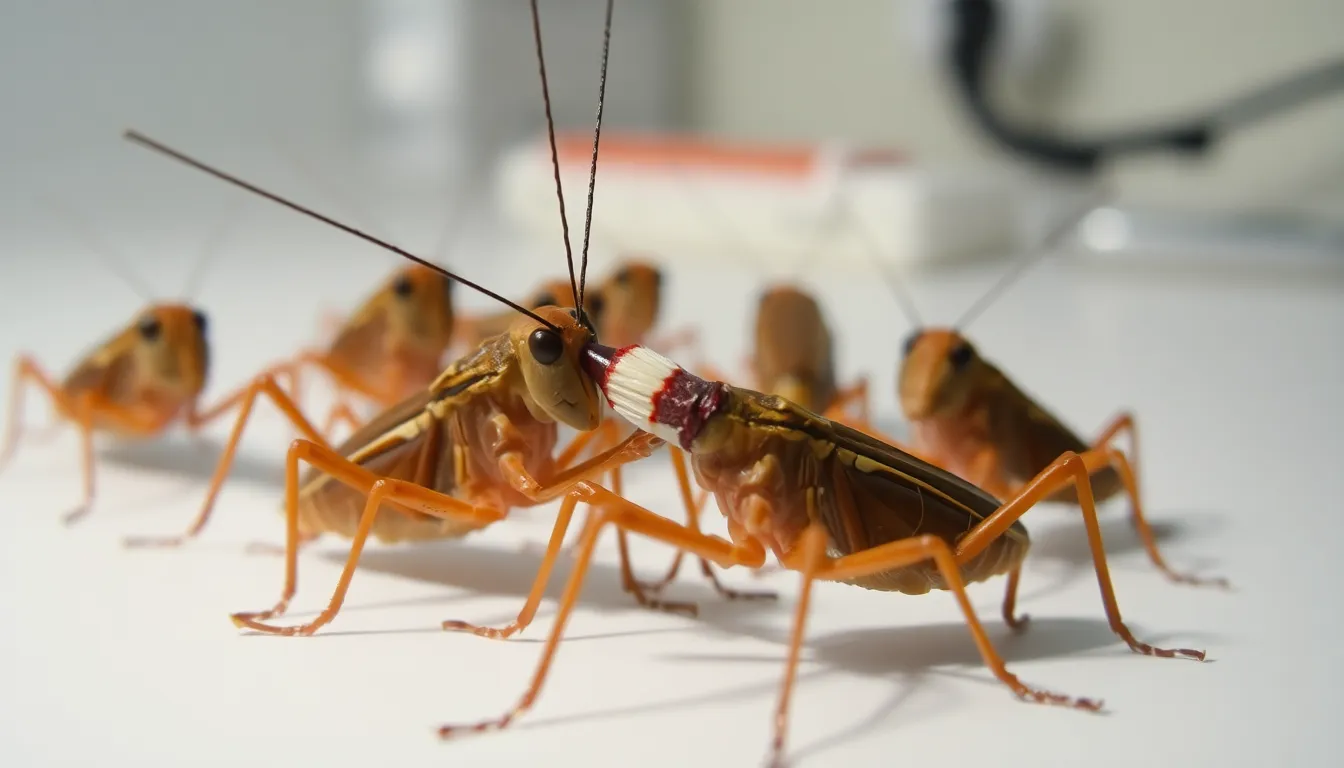
- Short-term impacts: Increased costs for pest control and agricultural adaptation.
- Mid-term impacts: Development of humane pest management practices and research methodologies.
- Potential opportunities: Growth in eco-friendly pest control industries and funding for ecological research.
While there are risks associated with these changes, such as potential crop losses and increased operational costs, there are also opportunities for innovation in pest management and a shift towards more sustainable agricultural practices. As society becomes more aware of animal welfare, businesses that adapt to these new standards may find themselves at a competitive advantage.
A: While insects do not experience pain in the same way humans do, research suggests they may have pain-like responses, particularly in cases of injury. A: Crickets have been observed to nurse their injured antennae, which indicates a level of sensitivity and care for their own injuries. A: This research may lead to more humane pest control methods, as it suggests that insects can experience suffering. A: Yes, other studies have indicated that various insects may exhibit behaviors that suggest pain perception, but further research is needed. A: The study involved observing cricket behavior in response to injuries, focusing on their nursing behaviors and reactions.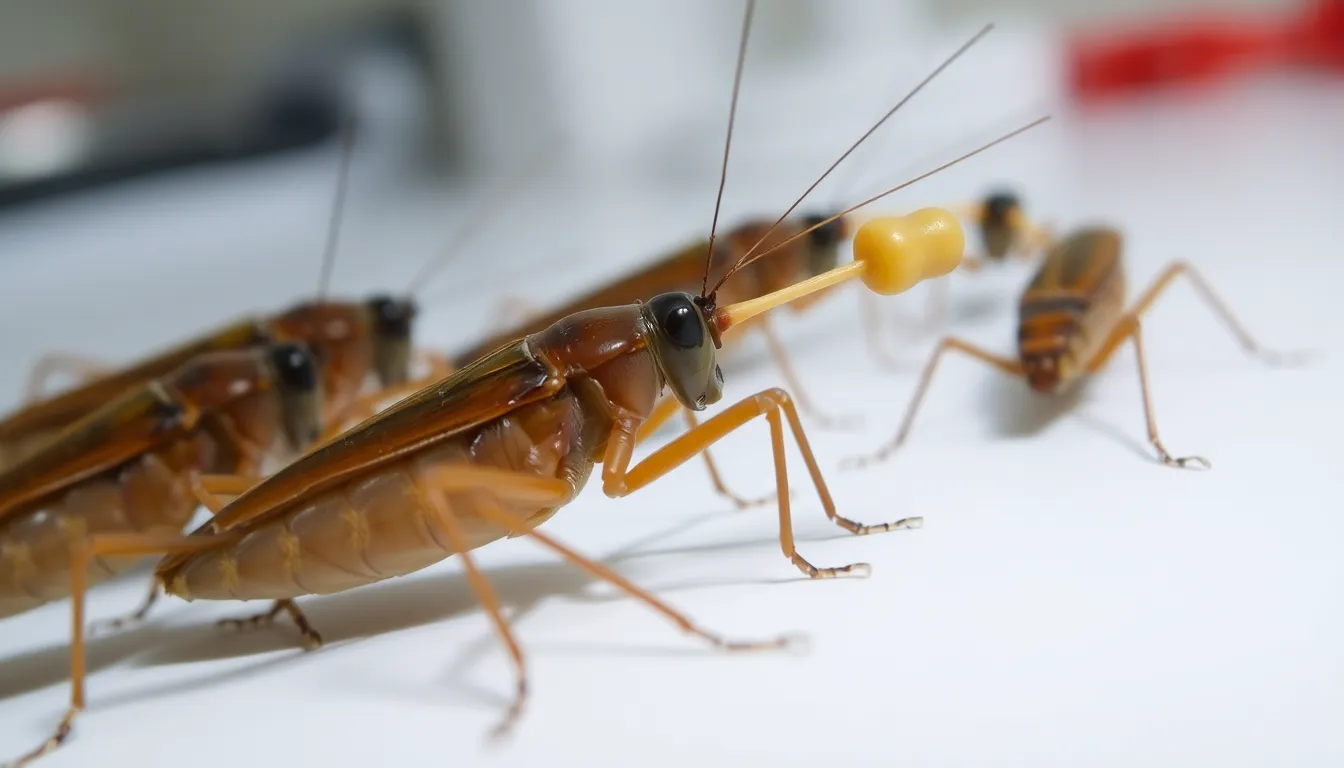
Frequently asked questions about insect pain
Key takeaways and future research directions
The recent findings regarding crickets and their ability to nurse sore antennae present a significant shift in our understanding of insect behavior and their capacity to experience pain. This research not only raises ethical considerations regarding the treatment of insects in both natural and agricultural settings but also opens new avenues for scientific inquiry into the sensory experiences of other arthropods.
As we continue to explore the complexities of insect life, it is crucial to consider the implications of these findings on pest management strategies and biodiversity conservation. The recognition of pain-like responses in insects could influence how we approach their care and management in various ecosystems.
- Ethical considerations: The acknowledgment that insects may experience pain necessitates a reevaluation of pest control methods, promoting more humane approaches.
- Research expansion: Future studies could focus on the pain perception mechanisms in a broader range of insect species, enhancing our understanding of their neurological processes.
- Impacts on agriculture: Farmers may need to adapt their practices to account for the potential suffering of beneficial insects, leading to more sustainable agricultural methods.
- Biodiversity implications: Understanding insect pain could inform conservation efforts, particularly in protecting species that play crucial roles in ecosystems.