
Recent reports indicate that Trump’s initiative to keep coal plants operational could cost the government hundreds of millions of dollars. The Department of Energy has been exploring various measures to support these plants, including potential subsidies and regulatory rollbacks. For more on the impact of such policies, see this article. This financial support is seen as a means to protect jobs in coal-dependent regions, particularly in states like West Virginia and Kentucky.
Critics argue that maintaining coal plants undermines efforts to combat climate change and transition to cleaner energy solutions. Environmental groups and some policymakers emphasize the need for investment in renewable energy technologies instead. The debate over coal’s role in the energy mix is intensifying, especially as the Biden administration pushes for a more sustainable energy future.
In the backdrop of this ongoing discussion, several coal companies are facing bankruptcy or significant operational challenges. The situation has prompted a reevaluation of energy policies at both state and federal levels, as stakeholders weigh the economic benefits against environmental costs. The outcome of this debate will likely have lasting implications for the energy sector and the broader economy.
The Historical Background of Coal Energy Policies
Coal has been a cornerstone of energy production in the United States for over a century, playing a pivotal role in the nation’s industrialization and economic growth. The reliance on coal peaked in the mid-20th century when it accounted for nearly 60% of the country’s electricity generation. However, this dominance began to wane in the 2000s as environmental concerns grew and alternative energy sources emerged.
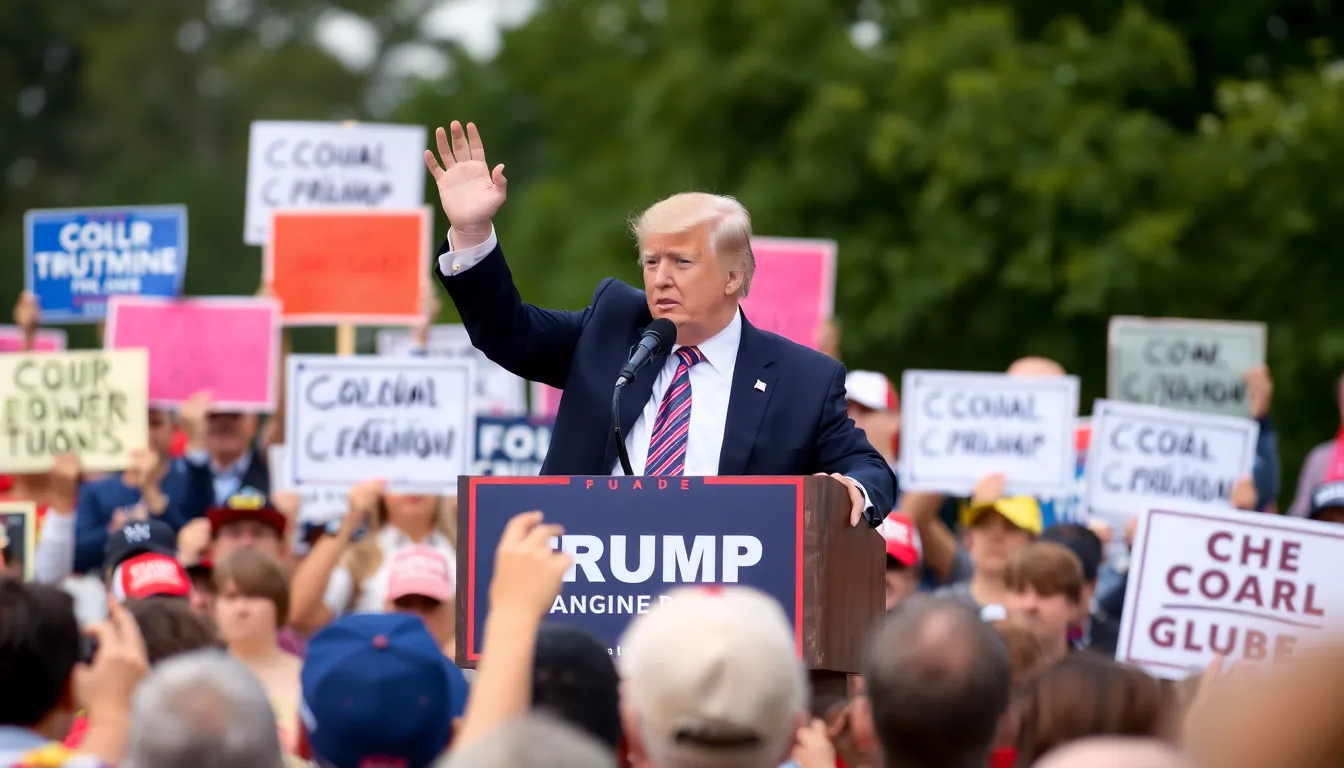
In the early 2000s, the U.S. government initiated several policies aimed at reducing carbon emissions and promoting cleaner energy sources. The introduction of the Clean Power Plan during the Obama administration marked a significant shift, as it aimed to cut greenhouse gas emissions from power plants, leading to the closure of many coal facilities. This regulatory environment prompted a decline in coal’s market share, as natural gas and renewable energy sources became more economically viable.
Political Dynamics and Economic Implications
Trump’s presidency brought a stark reversal in energy policies, with a strong emphasis on revitalizing the coal industry. His administration rolled back numerous environmental regulations, arguing that such measures were detrimental to coal jobs and the economy. This political shift was met with mixed reactions; while it aimed to support coal miners and associated communities, it also drew criticism from environmentalists and economists who highlighted the long-term financial burdens of maintaining outdated coal plants.
Despite the push to keep coal plants operational, the economic landscape has continued to evolve. Many coal plants are now facing financial difficulties due to competition from cheaper and cleaner energy sources. This complexity underlines the need for careful policy considerations, similar to what is discussed in related discussions on economic policy. The ongoing struggle between preserving jobs in the coal industry and transitioning to a sustainable energy future illustrates the complex interplay of historical, political, and economic factors that have shaped the current energy debate in America.
Key Stakeholders and Their Interests in Coal Energy
The ongoing debate surrounding President Trump’s push to keep coal plants operational involves a complex array of stakeholders, each with their own vested interests. These include government officials, coal industry executives, environmental groups, and the general public. Understanding their motivations is crucial to grasping the broader implications of this policy direction.
At the forefront are the coal industry leaders who advocate for the continuation of coal plants. Their primary interest lies in maintaining jobs and economic stability in coal-dependent regions. They argue that keeping these plants operational is essential for preserving jobs and supporting local economies that rely heavily on coal production.
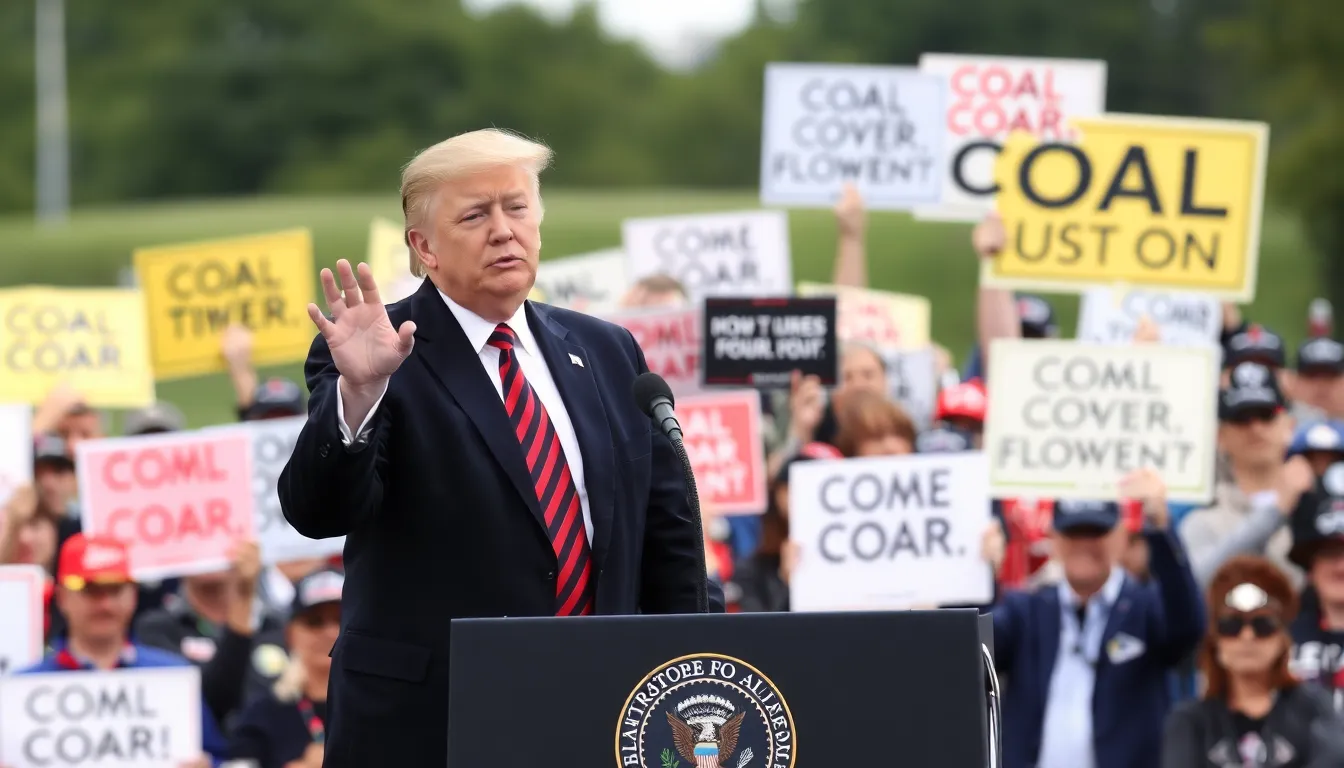
On the other side of the spectrum, environmental organizations and climate advocates are vehemently opposed to the push for coal. Their interests are centered around reducing carbon emissions and combating climate change. They argue that continued reliance on coal not only threatens environmental sustainability but also undermines efforts to transition to cleaner energy sources.
Additionally, government entities, including state and federal regulators, face a significant trade-off. They must balance economic interests with environmental regulations. This often leads to conflicts over policies aimed at reducing greenhouse gas emissions while also considering the economic repercussions of shutting down coal plants.
- Economic Impact: The potential loss of jobs in coal communities versus the economic benefits of transitioning to renewable energy.
- Environmental Concerns: The implications of increased emissions on public health and climate change.
- Legal Challenges: Ongoing litigation related to environmental regulations and the rights of states to regulate energy production.
- Public Opinion: Diverging views among the public regarding energy sources and climate policy.
In summary, the interplay between these stakeholders illustrates a complex landscape where economic, environmental, and legal considerations collide. Each party’s interests shape the discourse around coal energy, revealing the multifaceted nature of this critical issue.
The Economic and Environmental Impact of Keeping Coal Plants Open
The push to keep coal plants operational under the Trump administration has significant ramifications for various groups, industries, and regions. Primarily, coal workers and their families are directly affected, as job security is tied to the continued operation of these plants. Additionally, communities in coal-producing states such as West Virginia, Kentucky, and Pennsylvania face economic implications, as local economies often rely heavily on coal mining and associated industries.
In the short term, the decision to maintain coal plants may provide temporary job stability for workers and support for local economies. However, this comes at a cost, as the long-term environmental impacts of coal usage continue to pose risks. Air quality may deteriorate, leading to health concerns for residents, particularly in nearby communities. The reliance on coal can also hinder investments in renewable energy sectors, which are increasingly seen as the future of energy production.
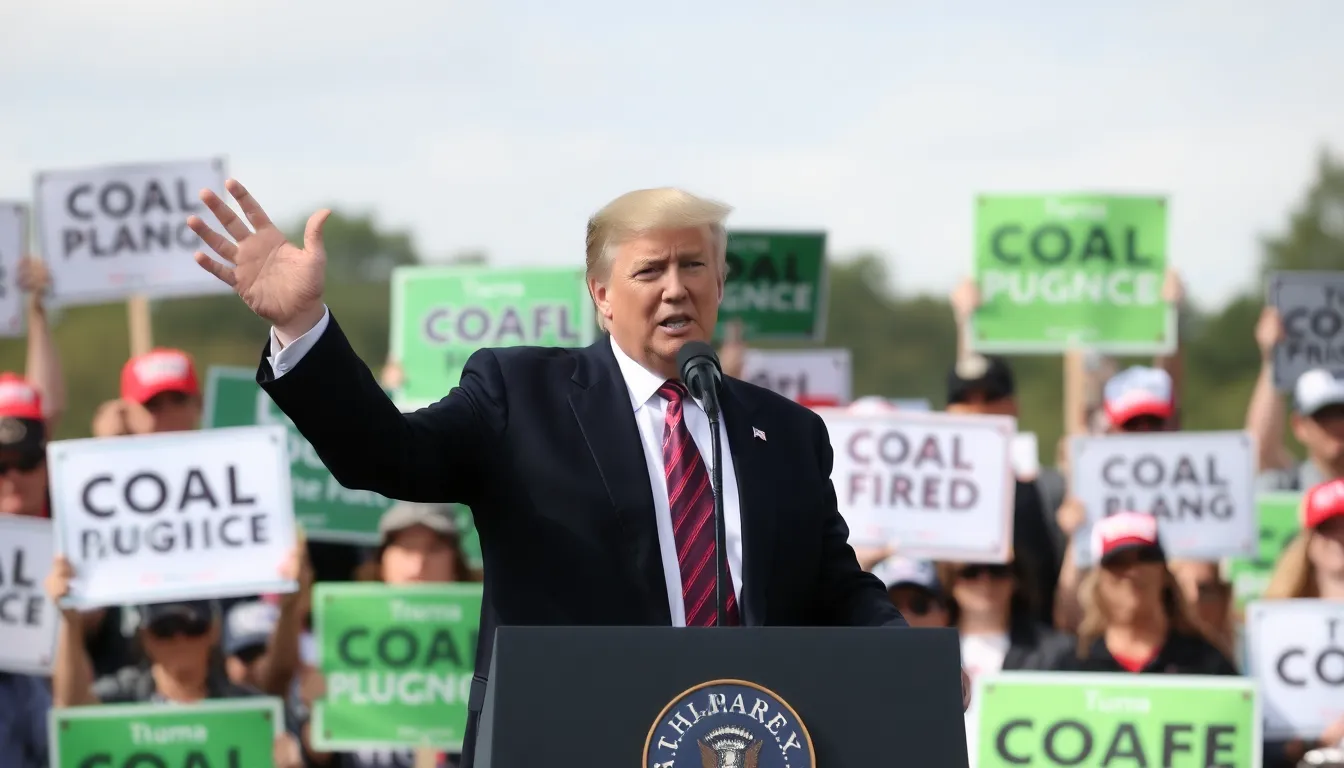
In the mid-term, businesses may experience fluctuating energy costs as coal remains a dominant energy source. This could lead to higher operational costs for industries reliant on energy, such as manufacturing and technology. Conversely, there may be opportunities for companies involved in coal technology and emissions control, as they adapt to regulatory changes and public demand for cleaner energy solutions.
- Risks: Deteriorating air quality and health issues for local populations.
- Risks: Economic stagnation in the renewable energy sector.
- Opportunities: Job creation in emissions control technology.
- Opportunities: Potential for innovation in cleaner coal technologies.
Ultimately, the decision to keep coal plants open presents a complex landscape of immediate benefits and long-term challenges. As policies evolve, the balance between economic stability and environmental responsibility will be crucial for the affected communities and industries.
A: Trump’s push is largely driven by a desire to support coal miners and revive the coal industry, which he views as essential for job creation and energy independence. A: Estimates suggest that Trump’s policies are costing taxpayers hundreds of millions of dollars due to subsidies and financial support for unprofitable coal plants. A: Keeping coal plants open contributes to increased greenhouse gas emissions, air pollution, and adverse health effects for nearby communities. A: Yes, renewable energy sources such as solar and wind power are becoming increasingly cost-effective and can provide cleaner alternatives to coal. A: The push to keep coal plants open distorts the energy market by maintaining reliance on outdated technologies, potentially hindering investment in cleaner energy solutions.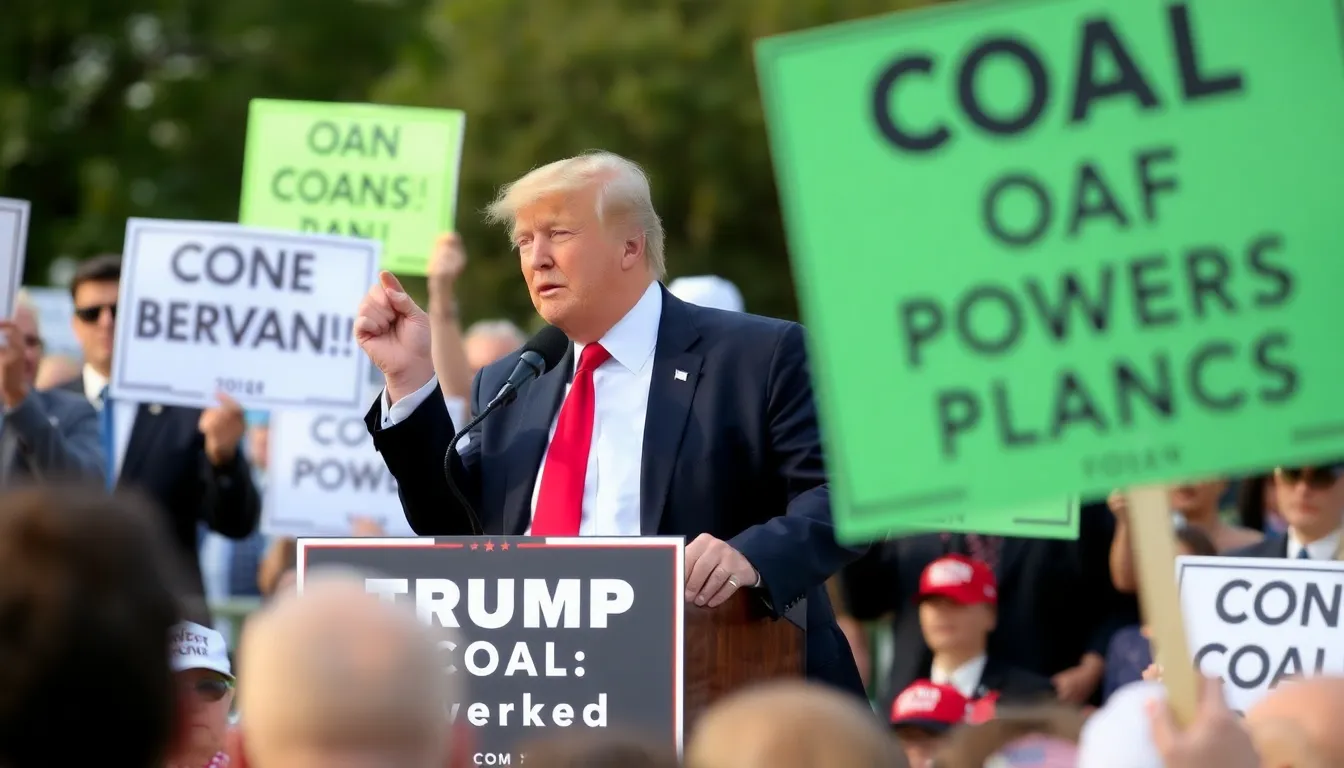
Frequently Asked Questions About Coal Plant Policies
Key Takeaways and Future Outlook on Coal Energy
The ongoing efforts by the Trump administration to keep coal plants operational highlight a critical intersection of energy policy, economic implications, and environmental concerns. As the push continues, stakeholders must remain vigilant about the financial burdens imposed on taxpayers and the broader implications for the energy market.
With the potential for significant financial investment in coal infrastructure, it is essential to assess how these decisions will shape the future of energy production and consumption in the United States. The reliance on coal not only affects economic dynamics but also raises questions about long-term sustainability and environmental impact.
- Monitor the financial implications of subsidies and support for coal plants, which could divert resources from renewable energy investments.
- Evaluate the potential for job creation in the coal sector versus the burgeoning renewable energy industry.
- Watch for shifts in public opinion and regulatory responses as environmental concerns gain prominence.
- Consider the implications of coal plant closures on local economies and energy prices, particularly in regions heavily reliant on coal.
- Stay informed about technological advancements that may alter the coal landscape, including carbon capture and storage innovations.