
The alleged crime came to light on October 10, 2023, when the victim’s family filed a complaint with local authorities. Following an investigation, the monk was apprehended, sparking widespread outrage in the community and raising questions about the safety of vulnerable individuals within religious institutions. For further insights on social dynamics in religious settings, see the article on robot Buddhist monks in South Korea.
This case highlights ongoing concerns regarding sexual abuse within religious settings in Sri Lanka, where previous incidents have often gone unpunished. Activists are calling for greater accountability and transparency in handling such allegations, emphasizing the need for protective measures for victims. Discussions around these issues can be further explored in the context of global reactions, as seen in the recent Lebanese tragedy.
The monk’s arrest has also ignited discussions about the intersection of religion and law in Sri Lanka, with many advocating for reforms to ensure that all individuals, regardless of their status, are held accountable for their actions. As the legal process unfolds, the case is likely to attract significant media attention and public scrutiny.
Understanding the cultural and legal background of the case
Sri Lanka has a rich tapestry of cultural and religious traditions, with Buddhism being the predominant faith practiced by approximately 70% of the population. The influence of Buddhist monks extends beyond spiritual guidance; they often play significant roles in social and political matters. However, this influence can sometimes lead to a troubling intersection with issues of power and authority, particularly in cases involving allegations of misconduct. For more on unique cultural influences, see the article on robotic monks in South Korea.
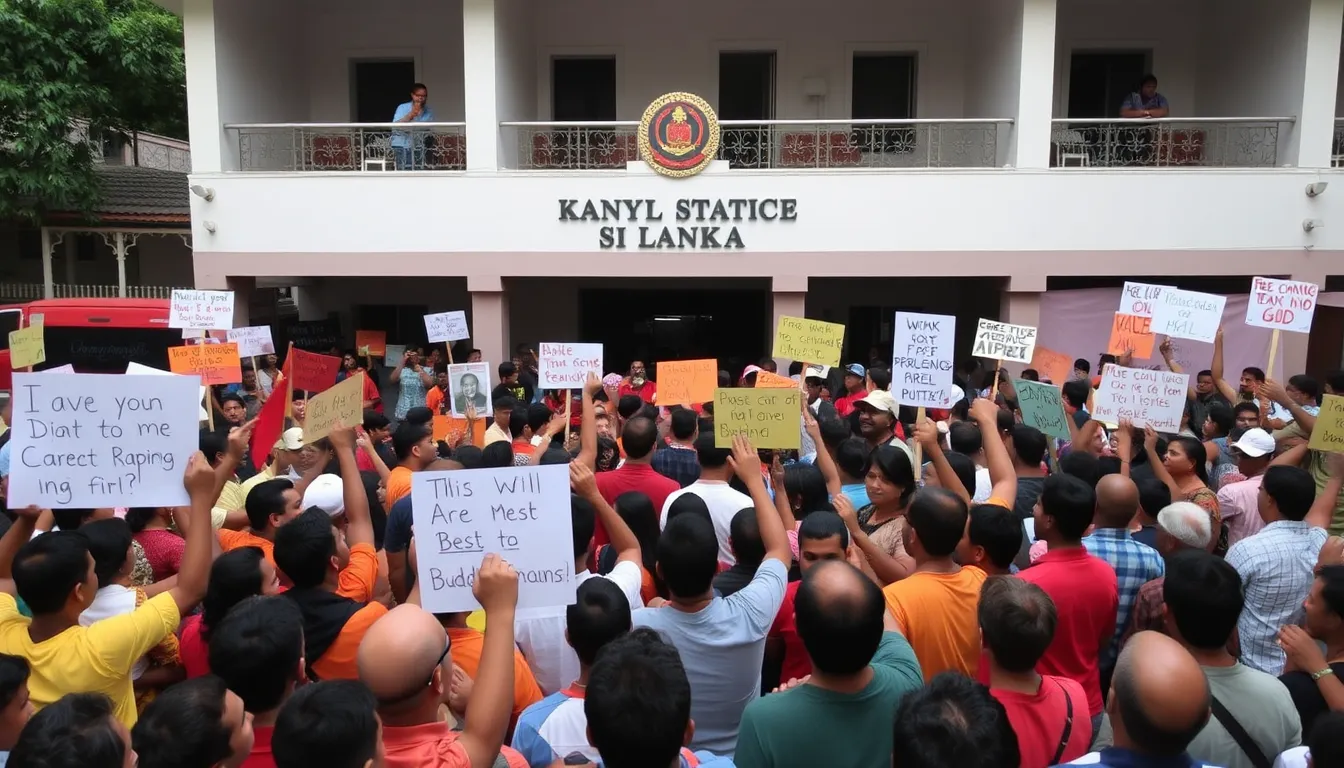
The recent arrest of a Buddhist monk for the alleged rape of a teenager has reignited discussions about the accountability of religious figures in Sri Lanka. Historically, the sanctity of the monastic community has often shielded monks from scrutiny, creating a culture where allegations of abuse can be met with disbelief or dismissal. This case highlights the urgent need for reform in how such allegations are handled within the legal system and society at large.
Historical Precedents and Legal Framework
In recent years, there have been several high-profile cases involving monks accused of sexual misconduct, which have sparked public outrage and calls for justice. For instance, in 2013, a monk was arrested for allegedly molesting a schoolgirl, leading to nationwide protests demanding accountability. These events have slowly begun to shift public perception, pushing for a legal framework that holds religious leaders to the same standards as other citizens.
Despite these precedents, the legal system in Sri Lanka often struggles with enforcing laws against powerful figures, including monks. The dual legal systemsone for the general public and another for religious institutionscan complicate matters. Moreover, societal attitudes towards women and sexual violence further complicate the pursuit of justice, as victims may face stigma and pressure to remain silent.
As the nation grapples with these complex issues, the current case serves as a critical juncture. It not only reflects the ongoing challenges within the legal and cultural landscape of Sri Lanka but also underscores the need for a collective response to ensure that justice is served and that the voices of victims are heard and validated.
Examining the implications for the Buddhist community and legal system
The arrest of a prominent Buddhist monk in Sri Lanka over allegations of raping a teenager has sparked significant concern among various stakeholders, including religious organizations, local communities, and government authorities. This incident raises critical questions about the intersection of religious authority and legal accountability in a nation where Buddhism plays a central role in cultural identity.
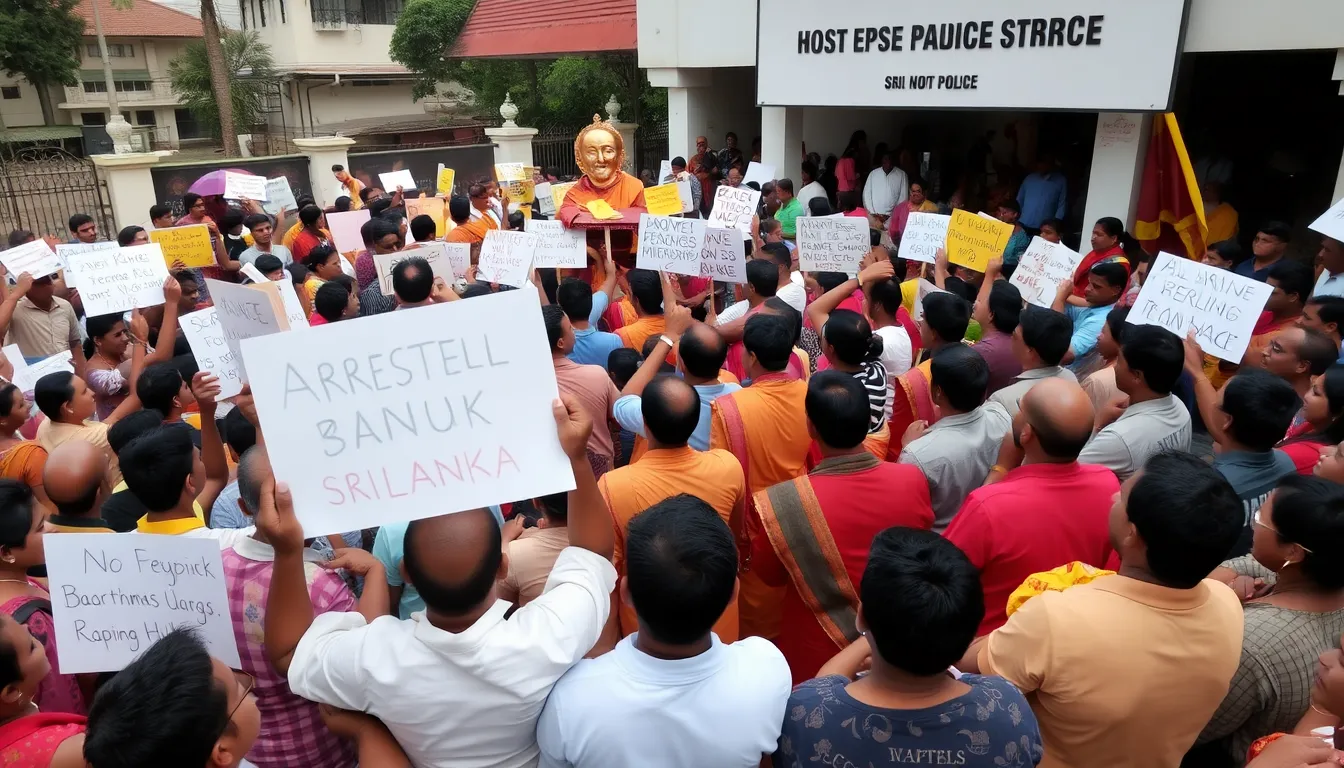
Key actors in this situation include the Buddhist clergy, who may face scrutiny regarding their role in addressing misconduct within their ranks. The Sri Lankan government and law enforcement agencies are also crucial players, tasked with ensuring justice while maintaining public order and respect for religious sentiments. The victim and her family represent another vital perspective, as they navigate the legal system and societal stigma associated with such allegations.
Several key issues arise from this incident:
- Religious Authority vs. Legal Accountability: The case raises questions about the extent to which religious leaders are held accountable for their actions, especially in a society that often prioritizes religious figures.
- Victim Support and Legal Challenges: The victim’s experience highlights the challenges faced by survivors of sexual violence in seeking justice within a complex legal framework that may not always favor them.
- Community Reactions: The response from the Buddhist community will be critical, as it has the potential to influence public perception and the overall impact on the faith.
- Media Coverage and Public Discourse: How the media portrays this incident will shape public understanding and responses, affecting both the victim and the accused.
- Potential for Reform: This incident may catalyze discussions about the need for reforms within religious institutions and legal systems to better address issues of abuse and accountability.
As these stakeholders navigate the aftermath of the arrest, the implications for Sri Lankan society could be profound, potentially influencing future interactions between religious authority and the legal system.
The potential effects on victims and public perception
The arrest of a Buddhist monk in Sri Lanka over the alleged rape of a teenager has far-reaching implications for various groups, including victims, religious communities, and the broader society. Victims of sexual violence often face stigma and isolation, and this incident may further complicate their experiences. The public perception of religious institutions may also be negatively affected, leading to a loss of trust in community leaders.
In the short term, the incident is likely to provoke strong reactions from the public, particularly among women’s rights groups and activists advocating for victims of sexual violence. Protests and calls for justice may increase, prompting a heightened awareness of sexual abuse within religious circles. This could lead to a demand for more stringent policies and accountability measures within religious institutions.
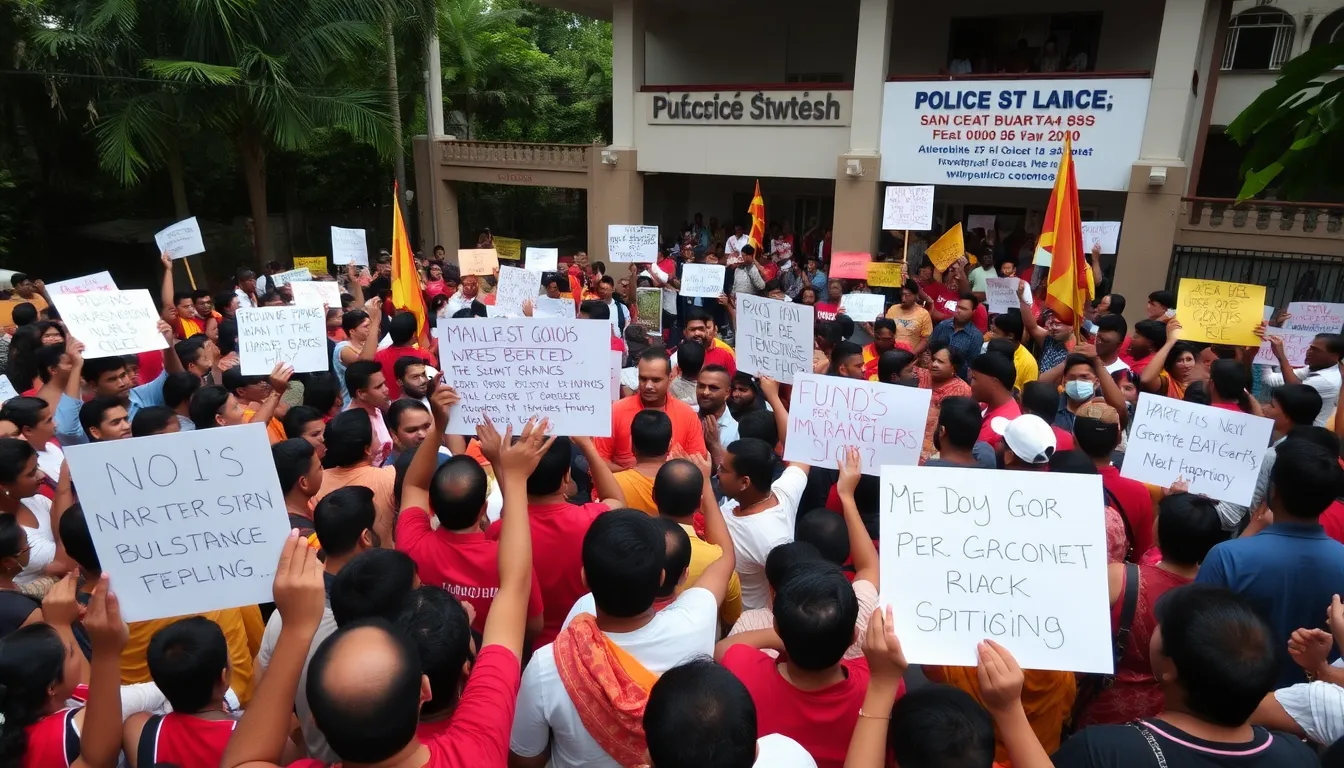
In the mid-term, businesses and organizations associated with the Buddhist community may experience a decline in patronage as public sentiment shifts. The tourism industry, which often relies on the cultural and spiritual appeal of Buddhist sites, could also suffer if visitors perceive a tarnished image of the religion. Moreover, there may be an increase in discussions around policy reforms aimed at protecting vulnerable populations and ensuring accountability for sexual offenses.
- Victims: Increased support and advocacy for survivors of sexual violence.
- Religious Institutions: Potential loss of credibility and trust within the community.
- Tourism: Possible decline in visitor numbers to religious sites.
- Policy Changes: Calls for reforms to protect vulnerable individuals.
- Activism: Surge in advocacy efforts and public awareness campaigns.
While the immediate impacts are largely negative, there may also be opportunities for positive change. The incident could galvanize efforts to reform policies surrounding sexual abuse and create safer environments for vulnerable individuals. Increased activism may lead to stronger networks of support for victims, fostering a culture of accountability and healing within society.
A: The monk is facing allegations of raping a teenage girl, which are serious criminal charges under Sri Lankan law. A: The local community has expressed shock and concern, with many calling for justice and support for the victim. A: Following the arrest, legal proceedings will likely commence, including investigations and potential court hearings. A: Various organizations provide support services for victims of sexual violence, including counseling and legal assistance. A: This incident may lead to increased scrutiny of the behavior of religious figures and could impact public trust in the Buddhist community.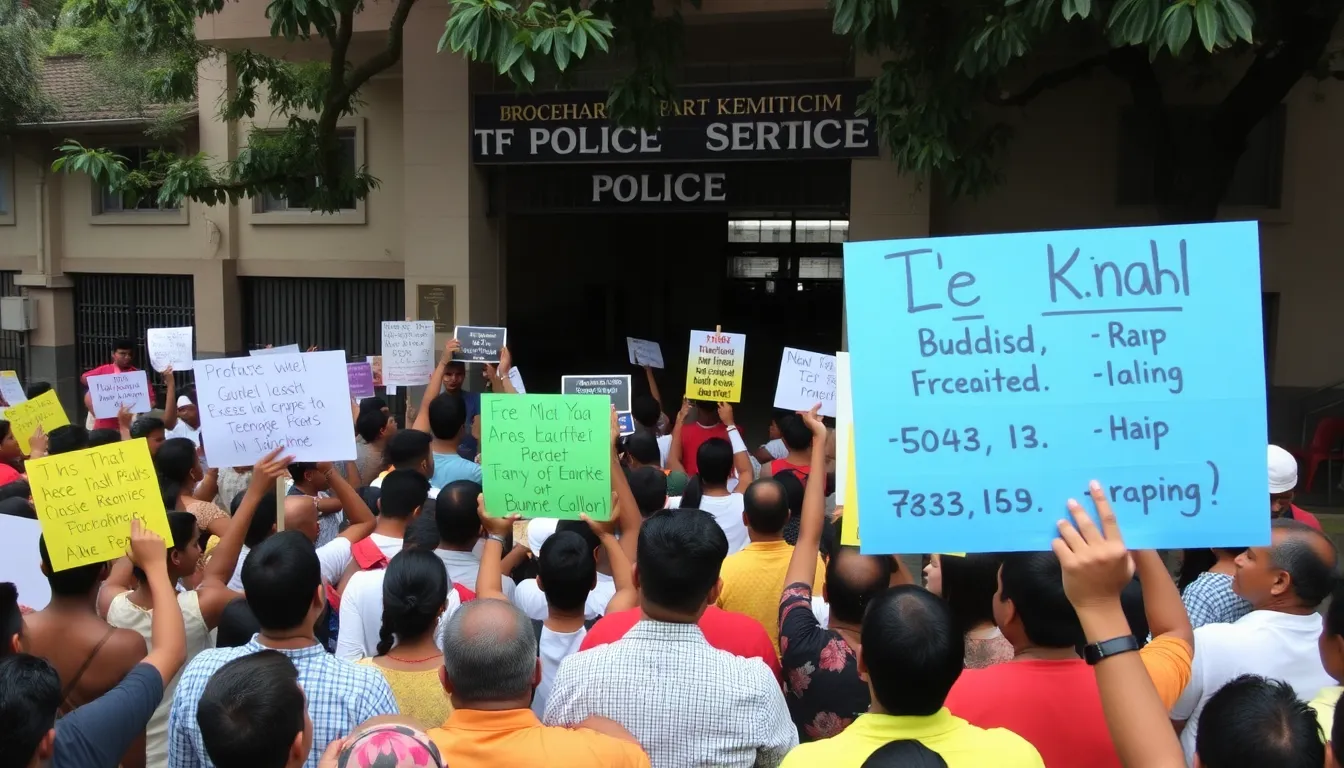
Frequently asked questions about the case
Key takeaways and future implications of the incident
The arrest of a Buddhist monk in Sri Lanka for the alleged rape of a teenager has raised significant concerns regarding the protection of minors and the accountability of religious figures. This incident not only highlights the urgent need for reforms within the religious community but also underscores the broader societal challenges related to sexual violence and the safeguarding of vulnerable populations.
As the investigation unfolds, it is crucial to monitor the responses from both the government and religious institutions, as well as the potential impact on public trust in religious authorities. This case may serve as a turning point for discussions on legal reforms and the implementation of protective measures for minors in similar contexts.
- Increased scrutiny of religious institutions and their handling of allegations against members.
- Potential for legal reforms aimed at strengthening protections for minors in Sri Lanka.
- Heightened awareness and advocacy for victims of sexual violence within religious communities.
- Implications for the relationship between the state and religious organizations regarding accountability.
- Possibility of community-led initiatives to support victims and educate on rights and protections.