
The rejection of the bid comes amid a backdrop of increasing scrutiny over the valuation of eBay and the financial health of GameStop. Analysts note that while GameStop has experienced a resurgence in its stock value, largely due to retail investor interest, the company’s fundamentals may not support such a large acquisition. This situation is reminiscent of the challenges faced by companies in adapting to the evolving landscape of e-commerce, as discussed in a related article on e-commerce dynamics.
In the wake of this development, eBay’s leadership has expressed confidence in its current direction and strategic plans. They emphasize that the company is focused on enhancing its marketplace and improving user experience, rather than engaging in potentially disruptive mergers. This stance underscores the differing priorities and visions for the future of both companies.
The failed bid illustrates the complexities of corporate acquisitions, especially in a rapidly evolving digital marketplace. As GameStop seeks to redefine itself, the rejection serves as a reminder of the challenges associated with large-scale investments and the importance of aligning corporate strategies with market realities.
Understanding the background of GameStop and eBay’s market positions
GameStop, a leading video game retailer, has undergone significant transformation in recent years, particularly following its rise to prominence during the 2021 stock trading frenzy. Driven by a community of retail investors on platforms like Reddit, the company’s stock prices soared, turning it into a symbol of the power of collective investing. However, this volatility has also led to scrutiny regarding its long-term viability and strategic direction, prompting GameStop to explore diversification opportunities, including a bid for eBay.

eBay, on the other hand, has established itself as a major player in the e-commerce sector since its inception in 1995. Known for its auction-style sales and consumer-to-consumer transactions, eBay has faced increasing competition from other online marketplaces like Amazon and Shopify. This competitive landscape has necessitated strategic shifts for eBay, including efforts to enhance user experience and broaden its product offerings. The rejection of GameStop’s bid highlights the challenges that both companies face in adapting to a rapidly evolving market, similar to the obstacles detailed in a recent analysis of digital transformation.
The Rejected Bid
GameStop’s $55.5 billion bid for eBay was characterized as ‘neither credible nor attractive’ by eBay’s board, reflecting concerns about GameStop’s financial stability and strategic fit. This rejection underscores the complexities involved in mergers and acquisitions, where market perceptions and financial health play critical roles. The bid was seen as an ambitious move by GameStop to leverage its newfound capital and diversify its business model, but it ultimately raised questions about the company’s understanding of eBay’s operational dynamics.
Historically, the interplay between traditional retail and e-commerce has been fraught with challenges. Companies like GameStop have struggled to pivot from brick-and-mortar sales to online platforms, while eBay has had to innovate continuously to retain its market share. The failed bid serves as a reminder of the difficulties inherent in navigating these transformations, especially when attempting to merge two distinct business philosophies and operational frameworks.
As both companies move forward, the implications of this rejected bid may resonate throughout the industry. GameStop will need to reassess its strategic priorities and explore alternative avenues for growth, while eBay must continue to fortify its position against emerging competitors. The evolving landscape of retail and e-commerce demands agility and foresight, making it imperative for both companies to adapt to the changing tides of consumer behavior and market dynamics.
Analyzing the stakeholders and key issues surrounding the bid
The recent rejection of GameStop’s $55.5 billion bid for eBay has raised significant questions regarding the motivations and interests of the key stakeholders involved. Primarily, GameStop, a company known for its transformation from a brick-and-mortar retailer to a digital gaming platform, aims to diversify its operations and increase its market share in the e-commerce sector. On the other hand, eBay, a well-established player in the online marketplace, is focused on maintaining its current business model and shareholder value, leading to a fundamental clash of interests, reminiscent of various industry shifts discussed in articles like recent market analyses.

Another crucial stakeholder is eBay’s board of directors, who are tasked with evaluating potential acquisitions and ensuring they align with the company’s long-term strategy. Their rejection of the bid as ‘neither credible nor attractive’ indicates a belief that the proposed acquisition would not benefit eBay’s existing operations or financial health. This decision reflects a broader concern about the sustainability of GameStop’s business model, especially in light of its recent financial struggles and market volatility.
Additionally, investors and shareholders from both companies play a significant role in this scenario. GameStop’s shareholders may have mixed feelings about the bid; while some might see it as a bold move towards growth, others may view it as a risky venture that could jeopardize their investments. Conversely, eBay shareholders might support the board’s decision to reject the bid, as they may prioritize stability and consistent returns over the uncertainties associated with such a significant merger.
- Market Dynamics: The competition between traditional retail and e-commerce continues to intensify, affecting both companies’ strategies.
- Regulatory Scrutiny: Any potential merger would likely face significant regulatory hurdles, complicating the acquisition process.
- Financial Viability: GameStop’s recent financial performance raises questions about its ability to sustain such a massive acquisition.
- Investor Sentiment: The perceptions of investors regarding both companies’ futures will influence their stock prices and market strategies.
- Strategic Alignment: The differing visions for growth between GameStop and eBay highlight the challenges of aligning corporate strategies in a merger.
The potential impact on investors and the market landscape
The rejection of GameStop’s $55.5 billion bid for eBay has significant implications for various stakeholders in the market. Investors, particularly those holding shares in GameStop and eBay, will feel the immediate effects of this decision. The failure of the bid could lead to a short-term decline in GameStop’s stock price as investor confidence wavers.
Additionally, the broader technology and retail sectors may experience ripple effects. Companies involved in e-commerce and gaming could reassess their strategies in light of GameStop’s ambitious but ultimately unsuccessful attempt to diversify its portfolio. This could lead to a more cautious approach to mergers and acquisitions within these industries.
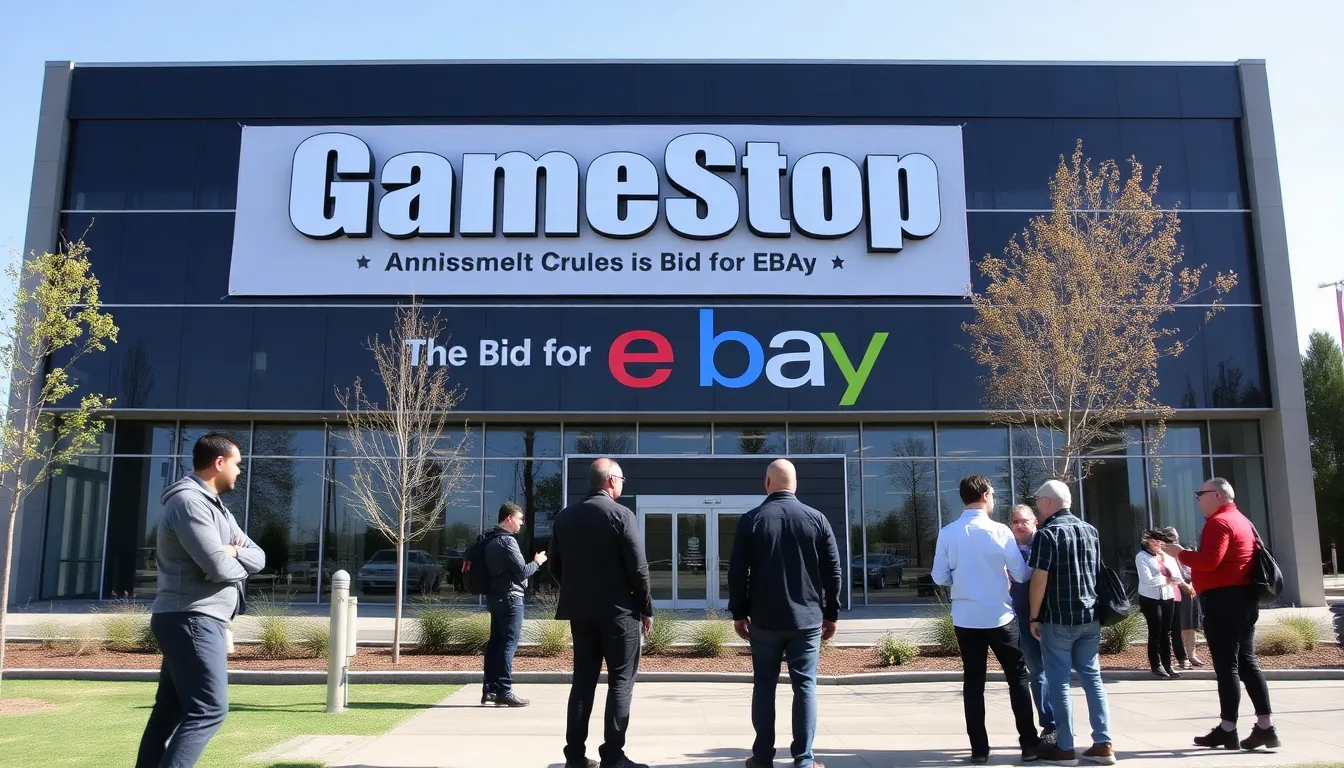
In the short term, the rejection may create volatility in the stock market, particularly affecting retail investors who have heavily backed GameStop. These investors may face increased uncertainty, leading to potential sell-offs and further price fluctuations. In the mid-term, businesses may alter their investment strategies, focusing on organic growth rather than pursuing large-scale acquisitions.
- Short-term risks: Decline in stock prices, loss of investor confidence.
- Mid-term risks: Cautious investment strategies, potential slowdown in M&A activity.
- Opportunities: Focus on internal growth, innovation, and strategic partnerships.
Moreover, this event may prompt regulatory bodies to scrutinize future merger proposals more closely, potentially changing the landscape of how such deals are evaluated. Companies may need to prepare for more rigorous assessments, which could delay or deter future acquisitions.
A: GameStop’s $55.5 billion bid was deemed neither credible nor attractive by eBay’s board, which raises concerns about the viability of such large-scale acquisitions. A: The rejection could signal challenges for GameStop in its efforts to diversify and expand, potentially affecting investor confidence. A: eBay’s rejection of the bid allows it to maintain its independence, but it may need to consider other strategic options to enhance its market position. A: Currently, there are no confirmed reports of other companies pursuing eBay, but the market dynamics could change. A: Investors may need to reassess their positions as the rejection could lead to volatility in stock prices for both GameStop and eBay.
Frequently asked questions about the bid and its implications
Key takeaways and future outlook on the situation
The rejection of GameStop’s $55.5 billion bid for eBay underscores the ongoing challenges in the merger and acquisition landscape, particularly for companies attempting to pivot their business models. This decision highlights the importance of strategic alignment and perceived value in acquisition proposals, especially in a market where investor sentiment can shift rapidly.
As GameStop continues to seek new avenues for growth, it will be essential to monitor how this setback influences its future strategies and investor relations. The broader implications for the tech and retail sectors may also emerge as companies reassess their acquisition strategies in light of this development.
- Watch for GameStop’s next steps in diversifying its business model beyond traditional retail.
- Consider the potential impact on investor confidence and stock performance following this rejected bid.
- Observe how eBay responds to this bid rejection and its implications for its market position.
- Monitor the reactions from other companies in the tech and retail sectors regarding acquisition strategies.
- Evaluate the evolving landscape of mergers and acquisitions as companies reassess their valuations and strategic goals.