
The victims included women and children, highlighting the severe humanitarian implications of the conflict. Local authorities and witnesses reported that the airstrike targeted a residential area, raising questions about the military’s operational guidelines and the protection of non-combatants. The loss of an entire family has sparked outrage and grief among the local population.
This airstrike forms part of a broader escalation in hostilities between Israel and Hezbollah, which has seen increased military activity since the outbreak of conflict in Gaza earlier this month.
International reactions have poured in, with calls for restraint and a ceasefire to protect civilians. Human rights organizations are urging both parties to adhere to international law and prioritize the safety of non-combatants. The incident underscores the urgent need for diplomatic efforts to address the root causes of the conflict and prevent further loss of life.
Understanding the historical tensions between Lebanon and Israel
The conflict between Lebanon and Israel has deep historical roots, dating back to the mid-20th century. The establishment of the State of Israel in 1948 led to the displacement of many Palestinians, creating a refugee crisis that affected neighboring countries, including Lebanon. This influx of Palestinian refugees heightened sectarian tensions within Lebanon, contributing to the Lebanese Civil War that erupted in 1975.
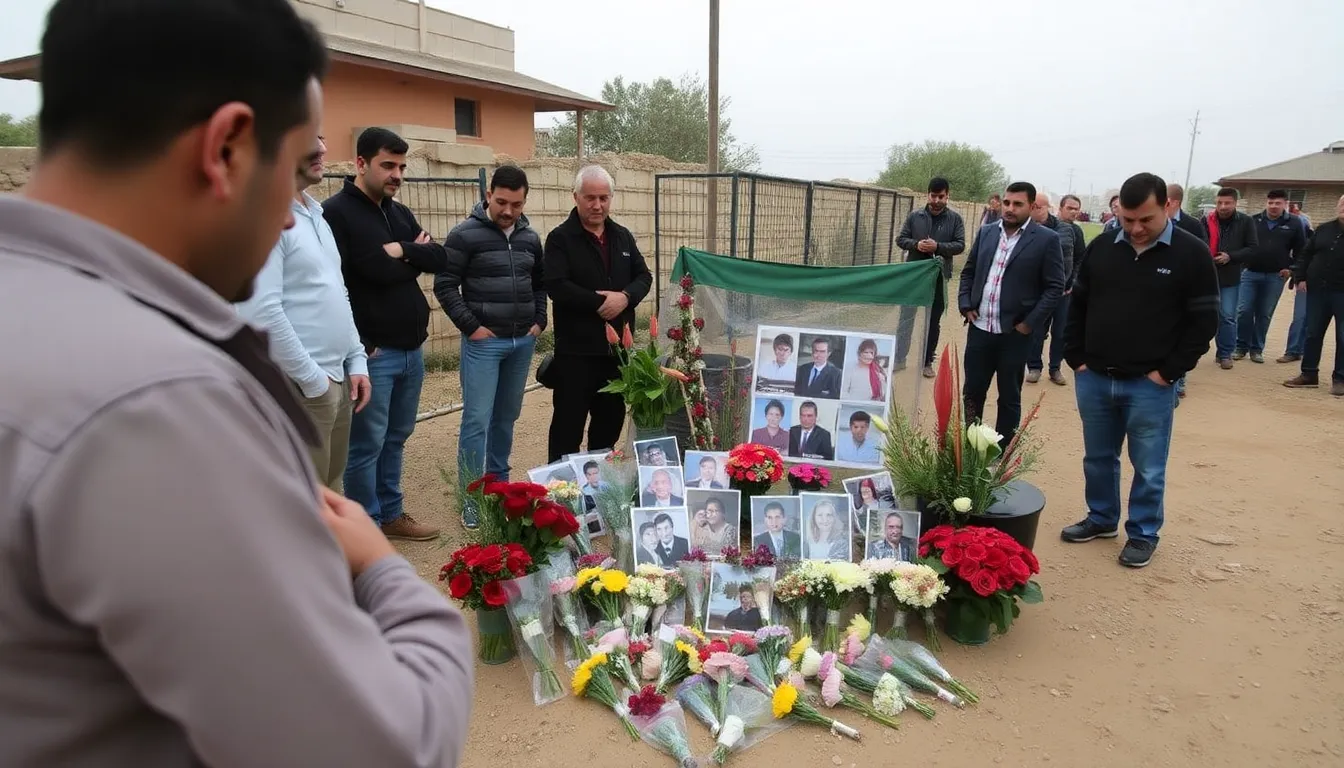
Throughout the years, various military confrontations have occurred between Israel and Lebanese factions, particularly with Hezbollah, a Shiite militant group that emerged in the 1980s.
Key Milestones in the Lebanon-Israel Conflict
Several key events have shaped the ongoing tensions between Lebanon and Israel. The 2000 withdrawal of Israeli forces from southern Lebanon marked a significant moment, as it was seen as a victory for Hezbollah. However, the 2006 Lebanon War further escalated hostilities, resulting in widespread destruction in Lebanon and significant casualties on both sides. The conflict was characterized by rocket attacks from Hezbollah and retaliatory airstrikes by Israel, establishing a pattern of violence that continues to affect civilians today.
In recent years, the situation has been exacerbated by the Syrian Civil War, which has drawn in various regional players and further complicated the dynamics between Lebanon and Israel. The ongoing instability in the region, combined with economic crises within Lebanon, has left many families vulnerable, making them susceptible to the repercussions of military actions, such as the tragic loss of eight family members in a recent Israeli strike.
Key stakeholders and the implications of the recent violence
The tragic loss of eight members of a single family in an Israeli airstrike has highlighted the complex web of stakeholders involved in the ongoing Israeli-Palestinian conflict. The primary actors include the Israeli government, the Palestinian Authority, various militant groups, and the international community, each with distinct interests and implications for peace and stability in the region.
The Israeli government, led by Prime Minister Benjamin Netanyahu, is focused on national security and countering perceived threats from militant groups operating in Gaza. Their military operations are often justified as necessary measures to protect Israeli citizens from rocket attacks. However, these actions frequently lead to significant civilian casualties, raising questions about the proportionality and legality of their military tactics under international law.
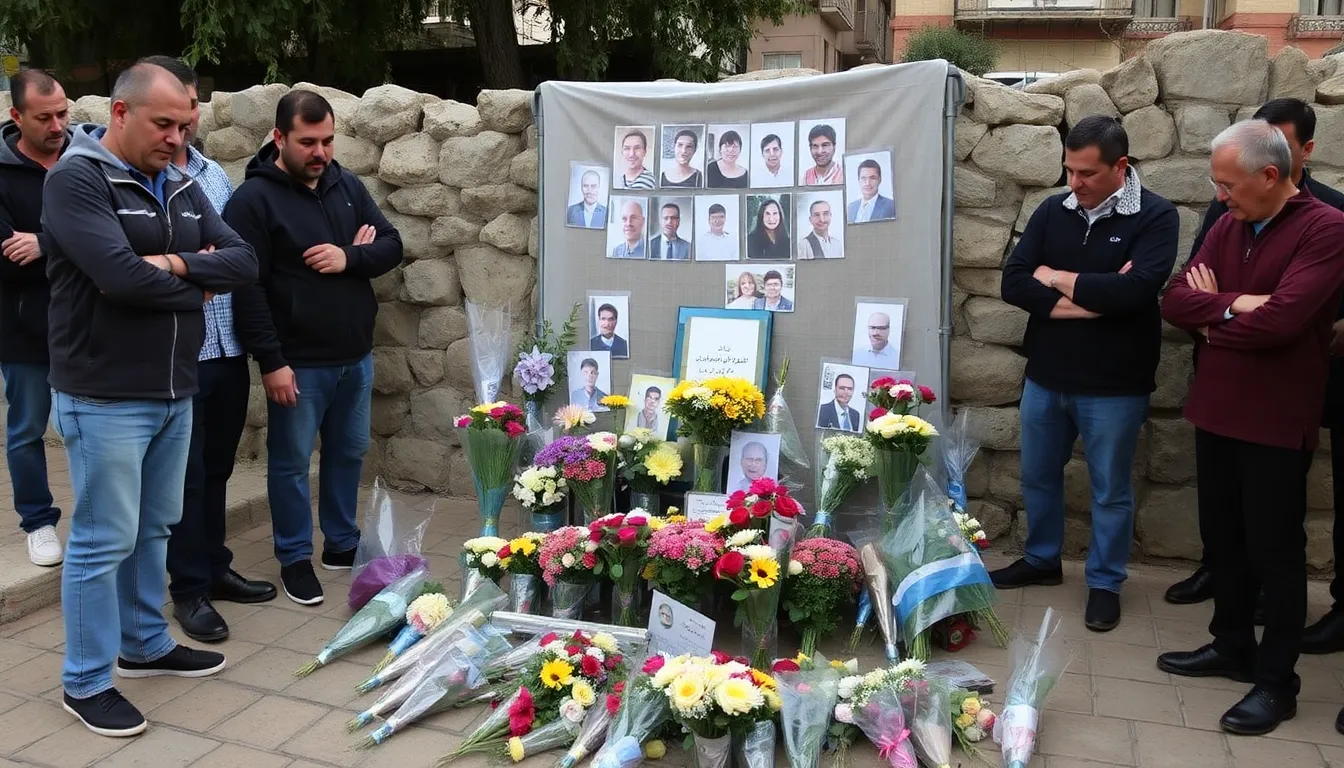
On the Palestinian side, the Palestinian Authority, along with various militant factions such as Hamas, seeks to address the humanitarian crisis exacerbated by ongoing military actions and blockades. The loss of civilian lives, particularly in such a tragic manner, fuels anger and resentment, potentially leading to escalated violence and undermining any efforts for a peaceful resolution. The Palestinian leadership faces the challenge of balancing internal pressures from militant groups with the need for international support and legitimacy.
Internationally, governments and organizations such as the United Nations and the European Union are deeply concerned about the humanitarian implications of the conflict. They advocate for ceasefires and negotiations but often find their efforts hampered by the entrenched positions of both sides. The international community’s response to such incidents can influence diplomatic relations and aid to the region, impacting the broader geopolitical landscape.
- The Israeli government’s focus on security may lead to increased military actions, risking further civilian casualties.
- The Palestinian Authority’s struggle for legitimacy can be exacerbated by the perception of helplessness in the face of Israeli military operations.
- International reactions may pressure Israel to reconsider its military strategies, but the effectiveness of such pressure remains uncertain.
- The cycle of violence risks perpetuating a state of conflict, making peace negotiations increasingly difficult.
- Humanitarian organizations may face challenges in providing aid due to ongoing hostilities and restrictions on movement.
The emotional and social impact on the Lebanese community
The tragic loss of eight members of a single family in an Israeli strike has sent shockwaves through the Lebanese community, highlighting the ongoing conflict and its toll on civilian life.
In the short term, the immediate impact on daily life is profound. Families may experience heightened fears regarding safety and security, leading to changes in routines and a reluctance to engage in public activities. Businesses, particularly those in the vicinity of conflict zones, may see a decline in customer footfall as people prioritize safety over shopping or leisure activities.
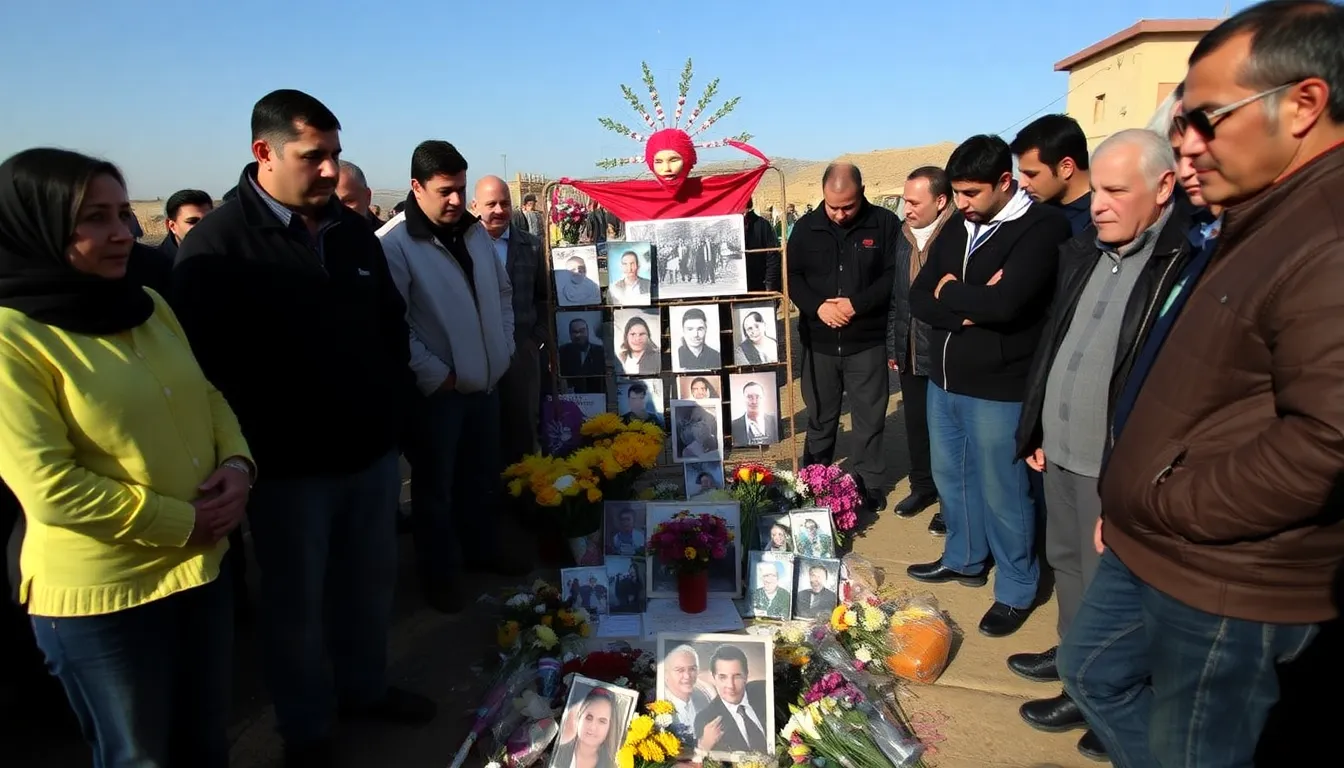
In the mid-term, the implications extend to local industries and economic conditions. The ongoing instability may deter investment and disrupt supply chains, particularly in sectors like agriculture and tourism, which are vital to Lebanon’s economy. Additionally, the increased strain on social services and healthcare systems due to rising trauma cases could lead to policy shifts and demands for greater support and resources.
- Increased mental health needs: Demand for psychological support services will rise as communities deal with trauma.
- Economic downturn: Businesses may struggle due to decreased consumer confidence and spending.
- Policy changes: Potential shifts in government focus towards security and community support initiatives.
- Heightened community solidarity: Opportunities for local organizations to mobilize support and foster resilience.
While the risks are significant, there may also be opportunities for community engagement and rebuilding. Local NGOs and grassroots movements can harness this moment to advocate for peace and reconciliation, potentially fostering a stronger sense of unity among the population. The tragedy may also spur international attention and aid, which could bring resources to those in need and support rebuilding efforts in affected areas.
A: The airstrike was reportedly part of ongoing military operations aimed at targeting militant groups in the region, which has escalated tensions significantly. A: The Lebanese government has condemned the airstrike, calling it a violation of sovereignty and calling for international intervention to address the ongoing violence. A: This incident may exacerbate existing tensions between Lebanon and Israel, potentially leading to further military confrontations and impacting regional stability. A: Various NGOs and community organizations often provide support to families affected by violence, offering both emotional and financial assistance during such crises.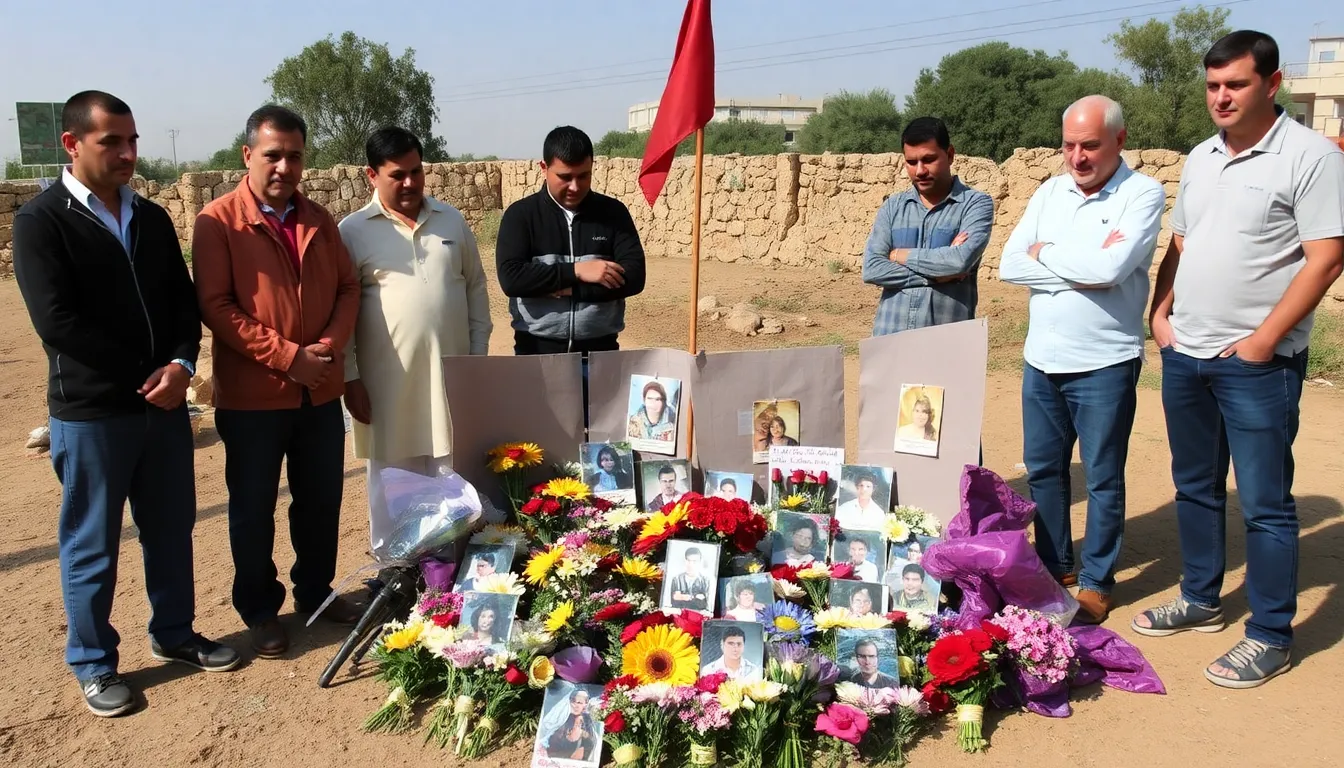
Frequently asked questions about the incident
Looking ahead: potential consequences and future outlook
The tragic loss of eight members of a single family in an Israeli strike highlights the deepening humanitarian crisis in Lebanon and the ongoing volatility in the region. As the situation evolves, the implications of such incidents will resonate beyond immediate grief, potentially affecting local and international responses to the conflict. The reactions from both sides may further entrench positions, complicating any prospects for dialogue or peace.
In the coming weeks, it will be crucial to monitor how this incident influences public sentiment within Lebanon and the broader Middle East. The international community’s response may also shape future engagements and policies regarding aid, military support, and diplomatic efforts aimed at de-escalation.
- The potential for increased civilian unrest in Lebanon as families mourn and demand accountability.
- International calls for a reassessment of military aid and support to the involved parties.
- The likelihood of heightened rhetoric from both Israeli and Lebanese officials, impacting future negotiations.
- Increased scrutiny of humanitarian conditions in conflict zones, potentially leading to greater international intervention.
- The role of media coverage in shaping perceptions and responses to ongoing violence in the region.