
The introduction of Xian’er comes amid a growing interest in mindfulness and meditation in South Korea, particularly among younger generations seeking alternative forms of spiritual engagement.
On October 15, 2023, Xian’er made its debut at a temple in Seoul, where it delivered a sermon and engaged with visitors through interactive Q&A sessions. The event attracted significant media attention and highlighted the potential for technology to transform traditional practices, prompting both enthusiasm and skepticism among attendees.
Critics argue that a robot cannot replicate the depth of human empathy and understanding that is often integral to spiritual guidance. However, supporters believe that Xian’er can serve as a valuable tool for those seeking a modern approach to Buddhism, making teachings more accessible to a tech-savvy audience.
As the dialogue surrounding the robot monk unfolds, it raises important questions about authenticity, community, and the future of religious practices in an increasingly digital world. The implications of this development could resonate far beyond South Korea, influencing how spirituality is approached globally in the age of technology.
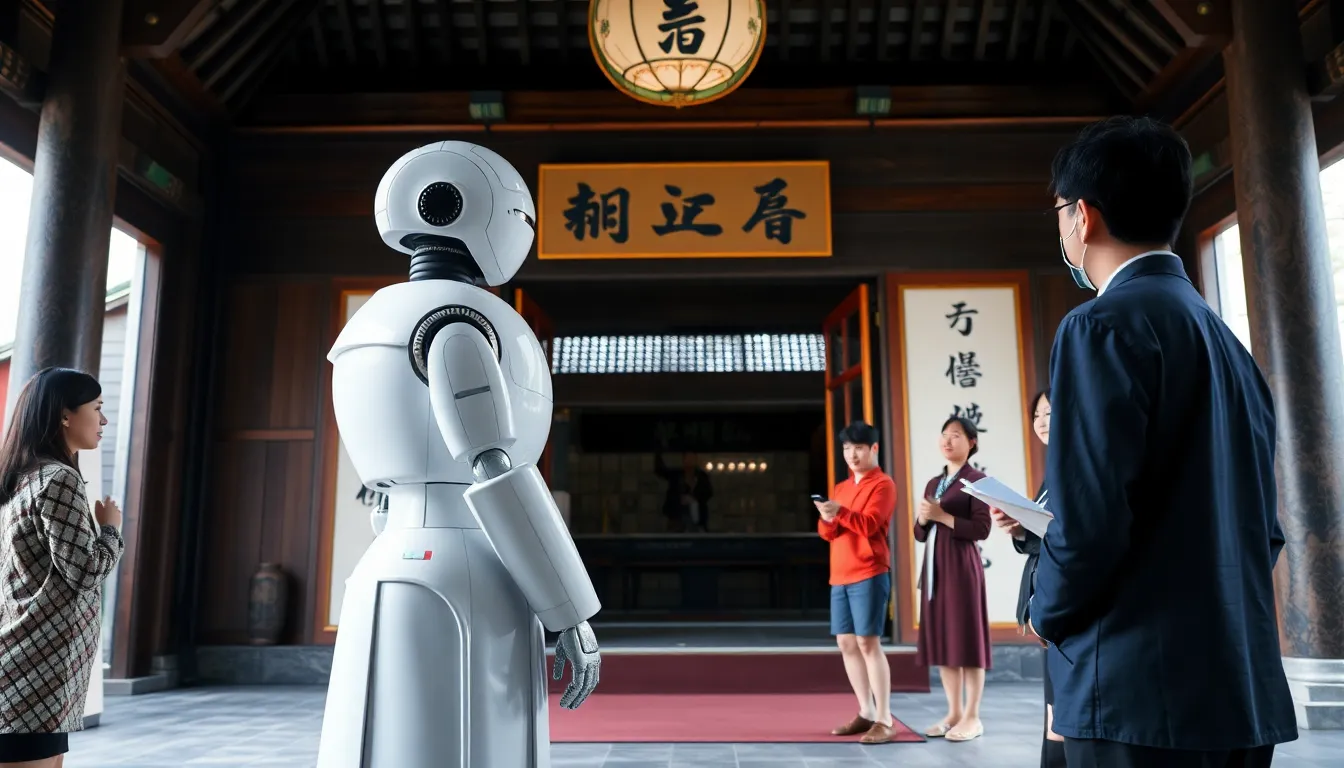
Exploring the intersection of technology and Buddhism
This development invites reflection on how traditional practices can adapt to modern contexts, raising questions about the essence of spirituality in an increasingly digital age.
The historical roots of Buddhism in South Korea date back to the 4th century, with the religion playing a significant role in the cultural and social fabric of the country. Over the centuries, Buddhism has undergone various transformations, influenced by political changes and societal shifts. The recent emergence of technology, particularly robotics and artificial intelligence, challenges traditional notions of religious practice and authority, prompting a reevaluation of what it means to be a spiritual leader.
The Role of Technology in Modern Spirituality
In recent decades, South Korea has witnessed a surge in the integration of technology into everyday life, leading to a growing acceptance of digital innovations in various sectors, including religion. The introduction of a robot monk, designed to perform Buddhist rituals and provide guidance, is a significant milestone in this evolution. This trend is not isolated; similar initiatives have been observed globally, where technology is used to enhance or supplement spiritual experiences, reflecting a broader shift towards embracing new methods of engagement with the divine.
Moreover, the economic implications of such innovations cannot be overlooked. The development of robotic monks is not just a spiritual endeavor; it also represents a burgeoning market for tech companies that seek to capitalize on the intersection of religion and technology. As South Korea continues to position itself as a leader in robotics, the fusion of these fields may pave the way for new economic opportunities, further intertwining the fabric of society with advancements in artificial intelligence.
As this phenomenon unfolds, it prompts critical discussions about authenticity, the role of human connection in spiritual practices, and the future of religious traditions in a digital world. The robot monk in South Korea serves as a focal point for these conversations, symbolizing both the potential for innovation and the enduring quest for meaning in an ever-evolving landscape.
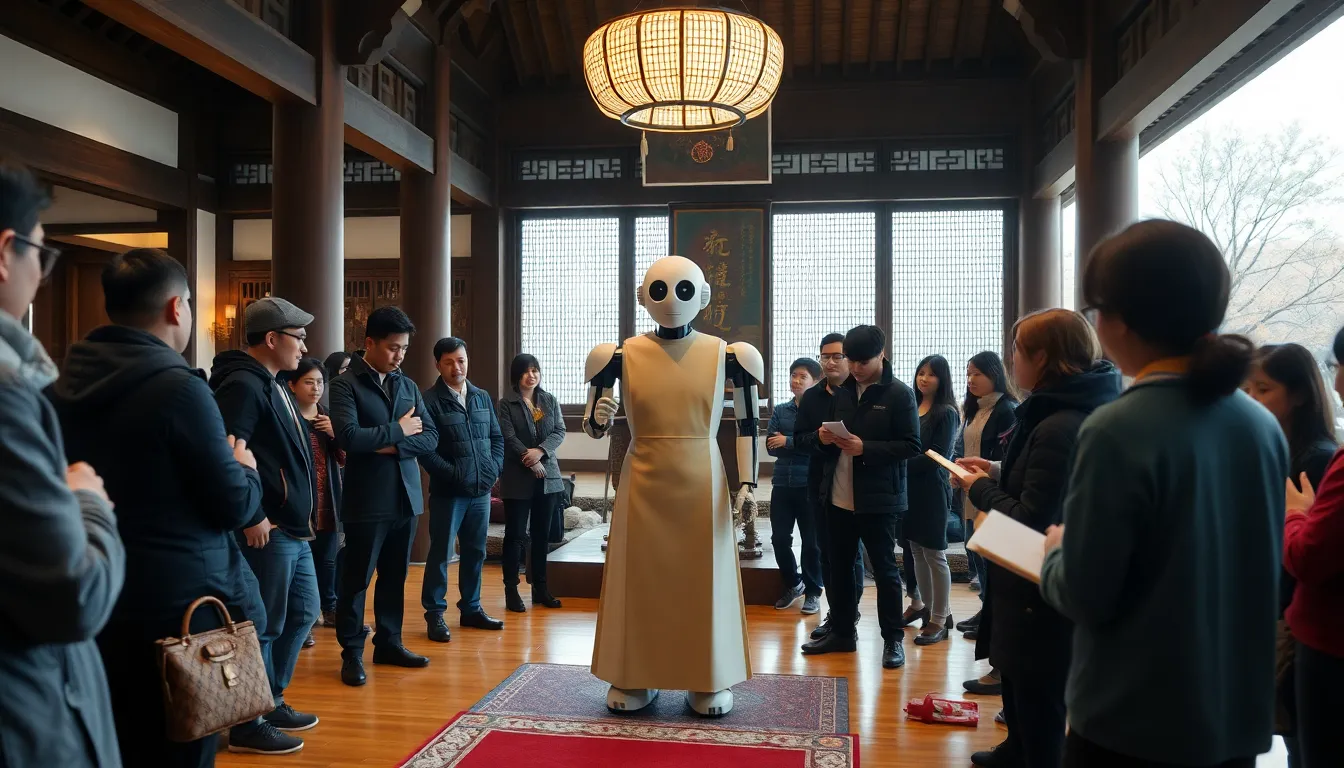
Key stakeholders and their perspectives on the robot monk
The introduction of a robot Buddhist monk in South Korea has generated a diverse array of responses from various stakeholders, each with their unique interests and concerns. These actors include religious organizations, technology companies, government bodies, and the general public, all of whom are navigating the implications of this technological innovation.
There is also a debate over whether a robot can truly embody the compassion and wisdom that are central to the practice, similar to discussions surrounding innovative leaders in the arts like Monia Chokri, who challenge traditional narratives.
The South Korean government plays a crucial role in regulating the intersection of technology and religion. They face the challenge of creating policies that support innovation while respecting cultural and religious values.
- Legal frameworks need to address the rights of religious organizations in relation to AI.
- Economic considerations include potential impacts on tourism and local economies driven by interest in the robot monk.
- Balancing these interests poses a significant challenge for policymakers.
Lastly, the general public’s reaction is mixed, with varying levels of acceptance and skepticism. While some individuals embrace the idea of a robot monk as a modern spiritual guide, others express concerns about the implications for human connection and the nature of faith. This divergence highlights the broader societal debate on technology’s role in personal and spiritual life.
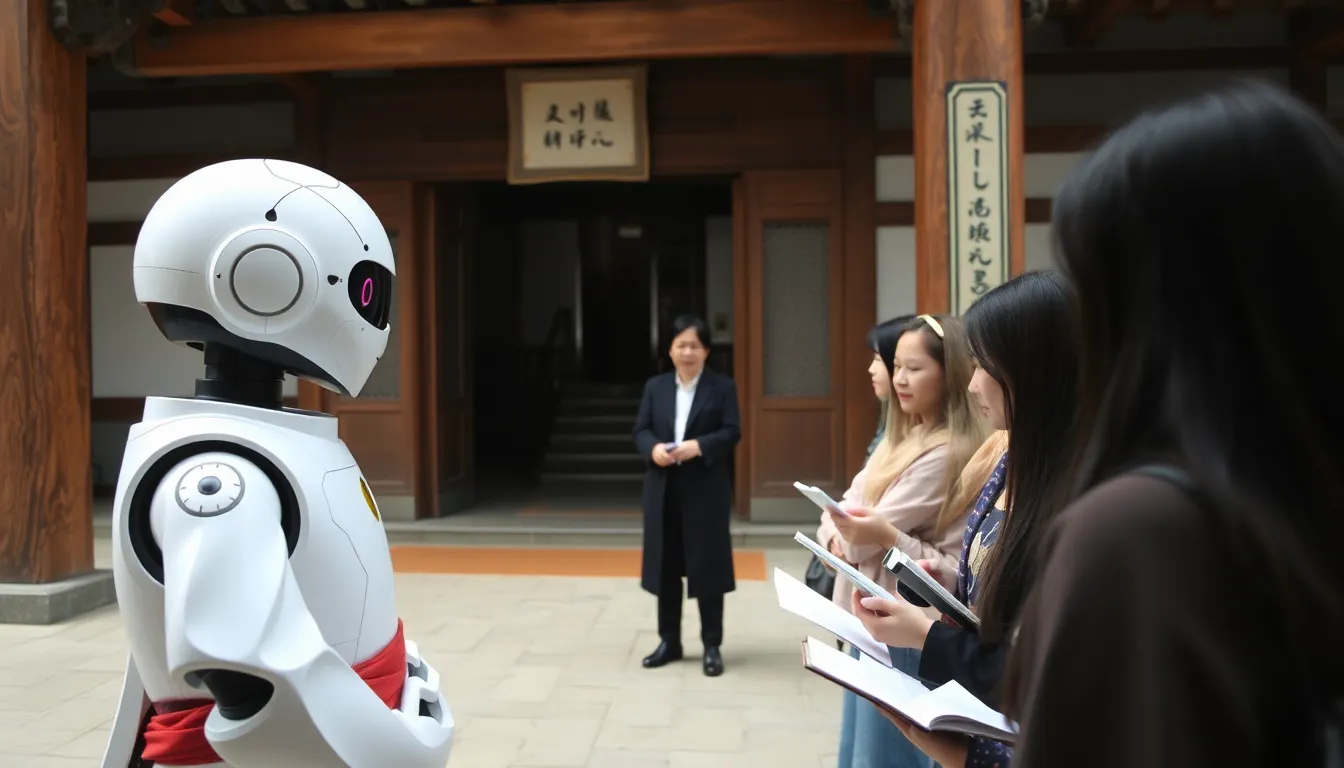
How this innovation affects practitioners and the market
The introduction of a robot Buddhist monk in South Korea is poised to impact various groups, including spiritual practitioners, technology enthusiasts, and the broader community of mental health advocates. This innovation may particularly resonate with younger generations seeking alternative forms of spirituality and mindfulness practices.
In the short term, the presence of the robot monk could attract media attention, leading to increased foot traffic in temples and meditation centers that adopt this technology. Businesses in the wellness and technology sectors may see a boost as they adapt to integrate robotic solutions into their offerings, potentially creating a new niche market focused on tech-enhanced spirituality.
Mid-term effects may include a shift in how traditional practices are perceived. As people become accustomed to interacting with a robotic monk, there could be a blending of technology and spirituality, challenging conventional views on meditation and religious practices. This could lead to policy discussions around the role of technology in spiritual spaces, influencing regulations in both sectors.
- Opportunities: New market for tech-driven wellness products.
- Risks: Potential alienation of traditional practitioners.
- Impact on mental health: Enhanced accessibility to mindfulness practices.
Moreover, the robot monk could serve as a tool for mental health improvement, offering accessible meditation guidance to those who may not have the means to visit a physical temple or engage with a human monk. This democratization of mindfulness practices could have a profound impact on community well-being, particularly in urban areas where stress and anxiety levels are high.
A: The robot monk is designed to provide meditation guidance and spiritual support, blending technology with traditional practices. A: Reactions vary widely, with some embracing the innovation while others express concern about its impact on genuine spiritual experiences. A: While the robot can simulate spiritual teachings, many argue that true understanding requires human experience and emotion. A: The robot incorporates advanced AI, voice recognition, and interactive features to engage users during meditation. A: It’s possible, as interest in technology-assisted spirituality grows, but cultural acceptance will vary.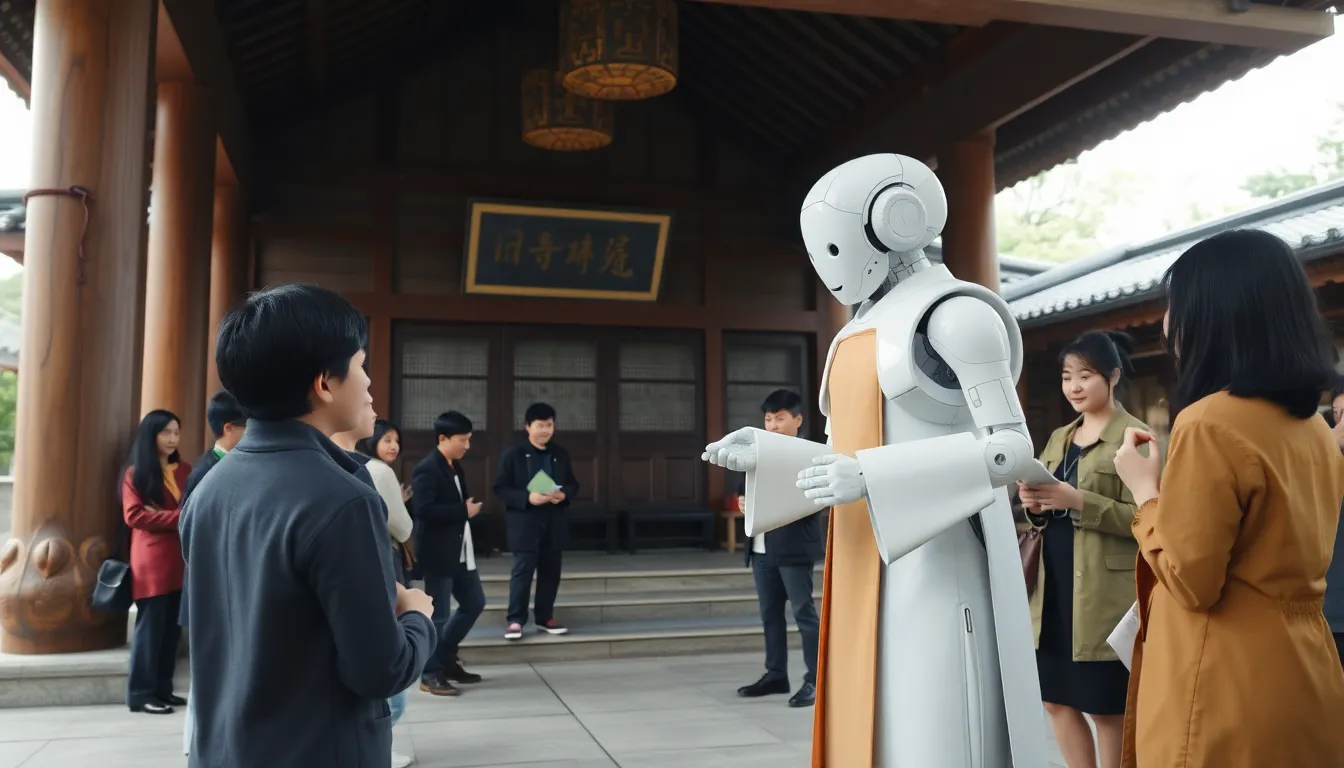
Frequently asked questions about the robot monk
Looking ahead at the future of technology in spiritual practices
The introduction of a robot Buddhist monk in South Korea marks a significant intersection between technology and spirituality. As society grapples with the implications of artificial intelligence in personal and communal practices, it is crucial to consider how such innovations can complement traditional beliefs rather than replace them. This development invites a broader conversation about the evolving nature of mindfulness and meditation in an increasingly digital world.
Observing the responses to this robotic monk can provide insights into public perception of technology in spiritual contexts. It raises questions about authenticity, the role of human connection in spiritual practices, and the potential for robots to enhance or detract from personal growth and understanding.
- Monitor public acceptance: Watch how communities respond to the integration of technology in their spiritual practices and whether it leads to increased participation or skepticism.
- Evaluate effectiveness: Consider studies or surveys measuring the impact of robotic monks on individuals’ meditation experiences and overall well-being.
- Explore ethical implications: Reflect on the moral considerations of using AI in spiritual roles and how this may influence future practices.
- Assess the balance: Look for ways in which technology can enhance rather than replace the human elements of spirituality, such as community and empathy.